Where patterns begin.
Patterns don’t come from nowhere.
They’re formed through repeated emotional experiences — often in childhood — that taught the brain what to expect from others, and from itself.
We call these experiences Non-Nurturing Elements™.
They’re not always “big-T” traumatic, but they are always emotionally formative.
What Are Non-Nurturing Elements™?
They’re patterns of interaction that shape a child’s sense of identity and emotional safety.
Common forms include:
- Invalidation (“You’re fine” when distressed → belief I Am Wrong, I Am Too Much)
- Control (micromanaging behaviour → belief I Am Not In Control, I Am Powerless)
- Inconsistency (unpredictable affection → belief I Am Unwanted, I Am Not Good Enough)
- Guilt or shame (love withdrawal or shaming → belief I Am a Burden, I Am Shameful)
- Enmeshment or emotional abandonment (role-reversal parenting → belief I Am Responsible for Everyone, I Don’t Matter)
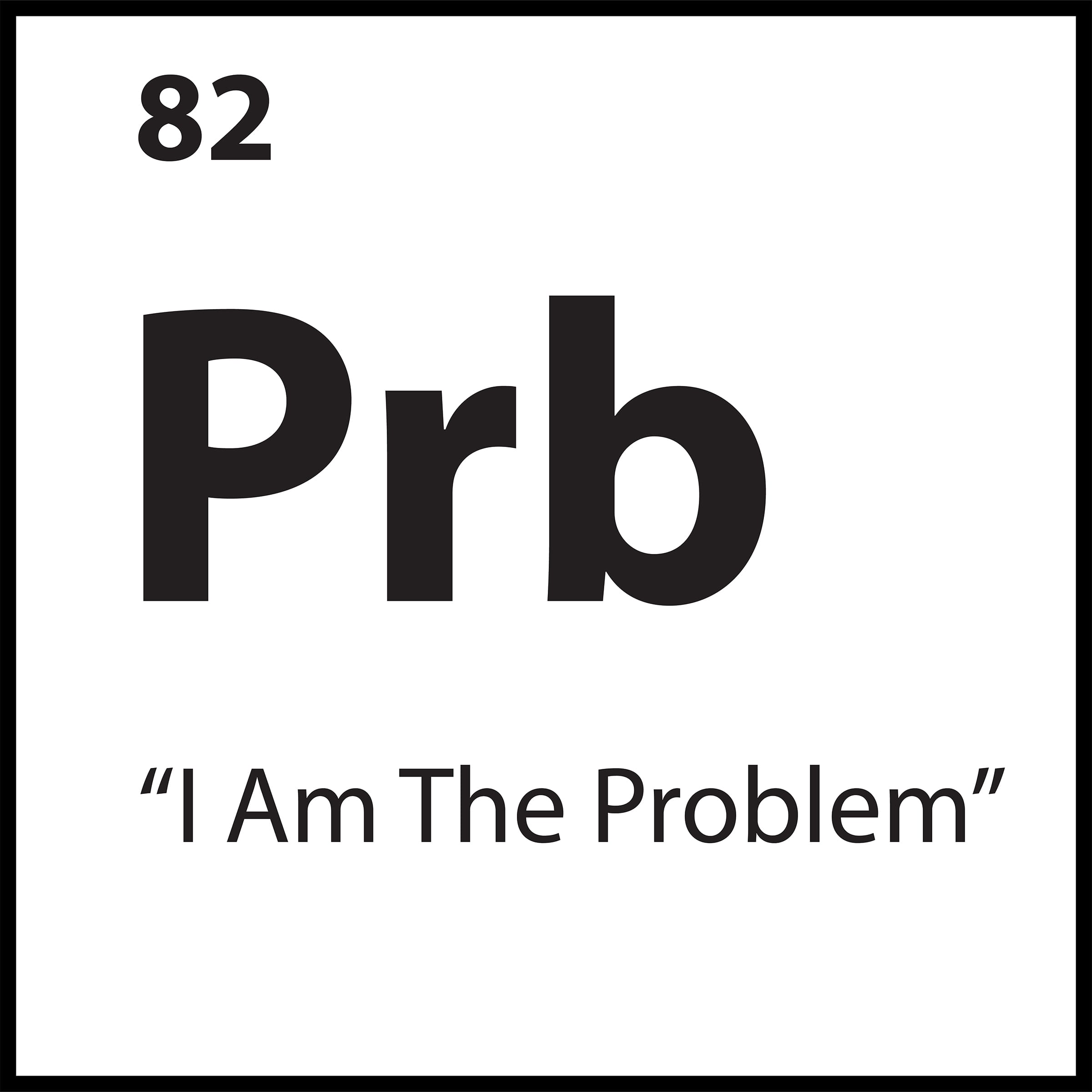
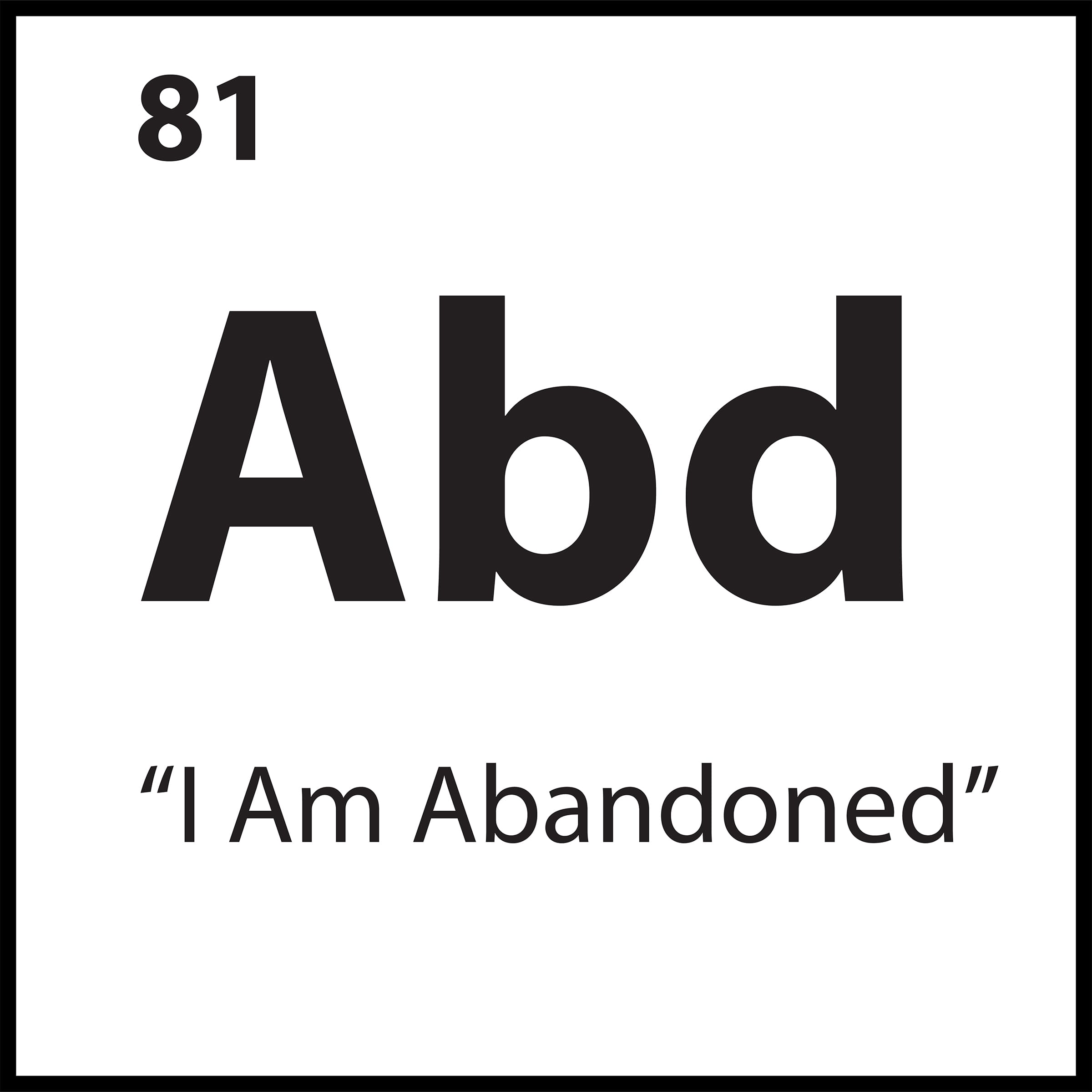
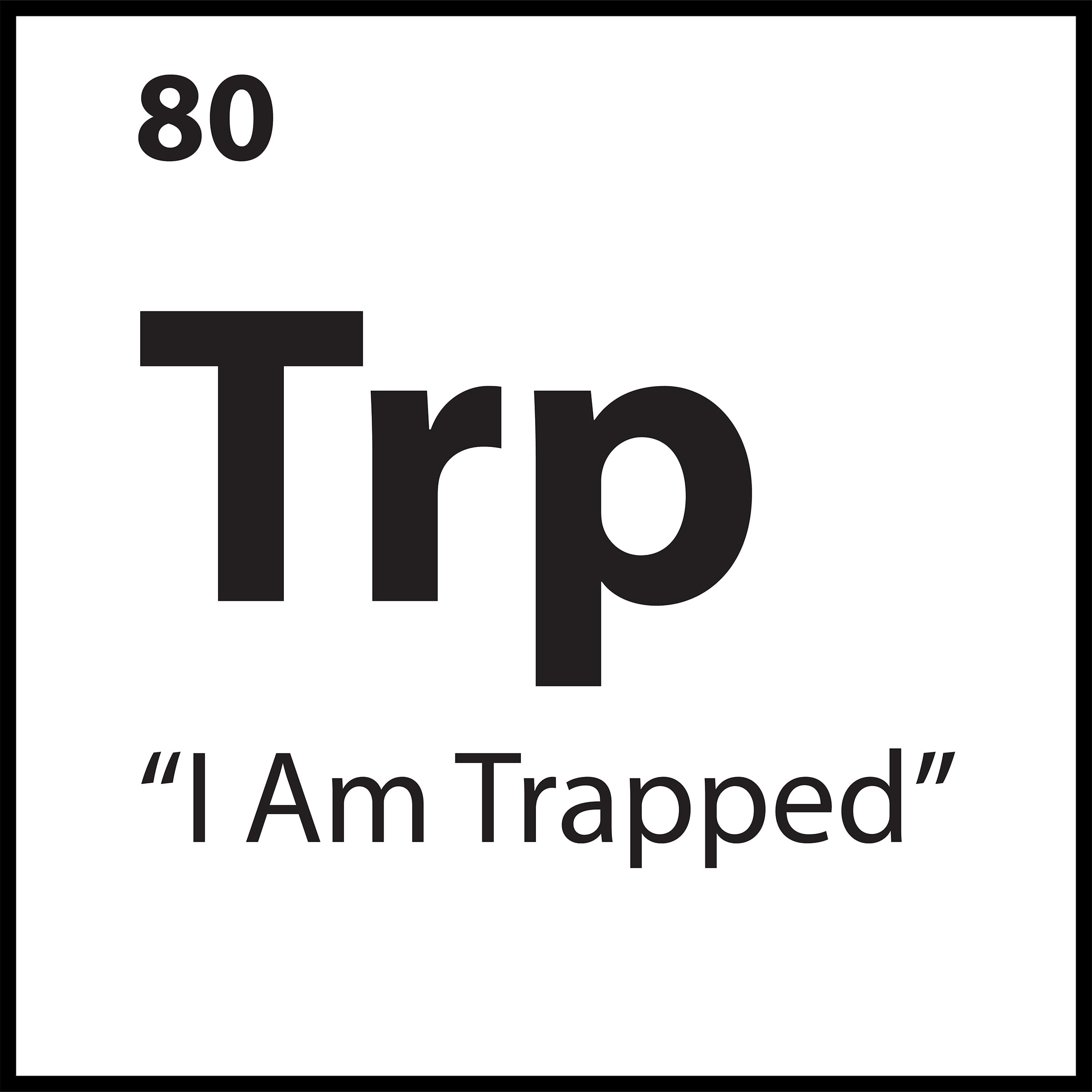
Over time, these conditions crystallize into Limiting Beliefs — such as I Am Defective, I Am Unworthy, or I Will Fail — which influence how the brain detects and responds to perceived threat.
Examples of Non-Nurturing Elements™:
- A parent dismissing sadness with “You’re fine” → I Am Not Understood, My Feelings Are Wrong
- Being told “Don’t be dramatic” when expressing fear → I Am Weak, I Am Overreacting
- Only receiving attention when achieving → I Must Perform to Be Loved, I Am a Failure (if I stop performing)
- Having to regulate a parent’s emotions → I Am Responsible for Everyone, I Don’t Matter
- Being punished for emotional honesty → I Am Unsafe When Vulnerable, I Will Be Rejected
These moments don’t need to be extreme to leave a lasting imprint — it’s the repetition and emotional impact that creates the belief–need–behaviour loop.
Why They Matter in Therapy
Many clients say things like:
“My childhood wasn’t that bad.”
“I don’t have any trauma.”
Yet patterned non-nurturing experiences often form the source code for identity-level distress:
- Belief: I Am Invisible, I Am Not Valued
- Need: I Must Prove My Worth to Deserve Care
- Loop: If I rest or ask for help, I’ll be ignored or judged → over-working, hyper-independence, emotional numbness
By mapping these early dynamics to our Pattern Library, we trace the origin story of the pattern — and then rewire it.
How Non-Nurturing Elements Shape Core Beliefs
How ShiftGrit Works With Them
We don’t rewrite the past — we retrain the brain’s threat detection system.
Our process:
- Identify the non-nurturing pattern
- Trace the belief it formed (mapped to the Core Belief index)
- Recondition the emotional threat via safe imaginal exposure
- Rebuild the internal narrative from safety and accuracy
Results: reduced over-reactivity, burnout, people-pleasing, and deep emotional shutdown.
Example Mapping:
Repeated Invalidation → Belief: I Am Wrong, I Am Not Good Enough
Pattern: Over-explanation, apology loops, emotional suppression
After Reconditioning: Calm confidence in expressing needs without fear
Want to find the pattern behind the belief — and the belief behind the reaction?
→ Explore Identity Pattern Therapy
→ Browse our Pattern Library

