In-Person & Virtual Therapy

Anxiety Therapy in Edmonton

Published Updated

Does any of this sound like you?

  • You notice the email after you hit send, and you read it three more times looking for what could be taken the wrong way.
  • The alarm hasn't gone off yet but your body is already running the day, sometimes from 4 a.m.
  • On cold LRT mornings the tightness in your chest arrives before the platform announcement does, and you can't point to what set it off.
  • You can hold the logical case that the worry is out of proportion. Holding it doesn't turn it down.
  • Choosing between two reasonable options stretches into an afternoon, because part of you is still checking each one for the angle you missed.
  • You've read the books, tried the breathing, used the apps. They take the edge off in the moment. The pattern underneath keeps running.

About this service

ShiftGrit provides anxiety therapy and counselling in Edmonton. Every clinician is trained in our Core Method, and many also bring their own training in models like CBT, ACT, EMDR, or Schema Therapy. Our work targets the limiting beliefs underneath chronic worry, panic, and social anxiety, not just the symptoms.

Anxiety in Edmonton rarely announces itself as fear. It shows up as a 4 a.m. wake-up running tomorrow’s meeting, a tightness that builds on the LRT before you’ve even reached your stop, a habit of re-reading the email you already sent. The situation in front of you feels like the cause. What keeps the loop running is older than the situation: a belief about safety, control, or worth that learned to stay alert long before today’s trigger arrived.

Our 124 Street studios (10445 124 Street, Edmonton, in the Westmount and Oliver districts; Downstairs and Upstairs) see clients from across the city within Identity-Level Therapy, a category of approaches that works at the belief layer rather than the symptom layer. Clinicians are trained in the ShiftGrit Core Method™ and use Reconditioning to update the patterns underneath the anxious response, so the nervous system stops treating ordinary inputs as threats.

In-person at 124 Street or virtual across Alberta. Same-week appointments are typically available.

Types of anxiety we treat

Generalized Anxiety Disorder (GAD)

Low-grade worry that runs underneath whatever you're actually doing. The topic rotates through work, money, family, health, the news, but the worry itself stays steady. Clients often describe a mind that never fully stands down, even on days off.

Panic Disorder

Sudden surges of intense physical activation, racing heart, chest pressure, shortness of breath, derealization, that can arrive without an obvious trigger. After the first attack, much of the work becomes the fear of the next one, which keeps the threat-response system primed.

Social Anxiety

Disproportionate fear of being assessed, misread, or judged in interaction. Often shows up as scripting conversations in advance, post-mortems after them, or quietly declining invitations. Frequently gets labelled introversion when it's functioning as a safety-seeking pattern.

Specific Phobias

Out-of-proportion fear of a particular object or situation: flying, driving on the Henday in winter, needles, elevators, dogs. The fear feels involuntary even when you recognise it as excessive. Avoidance lowers the spike in the short term and keeps the phobia intact over time.

Health Anxiety

Persistent worry about being seriously ill or developing something undetected. Body-scanning, symptom-searching, and repeated reassurance-seeking from physicians are common. The worry can survive a clean workup and reattach to a new symptom within days.

Agoraphobia and avoidance patterns

Anxiety that quietly shrinks the map. Clients begin avoiding the LRT, busy parkades, highways, or leaving the neighbourhood, often after a previous panic episode. The avoidance feels protective in the moment and narrows daily life over months.

Performance and anticipatory anxiety

Activation in advance of a defined event: a presentation, an exam at U of A, a difficult one-on-one, a performance. The threat response can start days or weeks ahead. Frequently paired with perfectionism and over-preparation that further reinforce the pattern.

Deep dive

Anxiety


Identity-Level Therapy for Anxiety in Edmonton

Identity-Level Therapy targets the belief patterns underneath chronic anxiety: the identity-level rules that keep the nervous system scanning for threat. Not just the symptoms of worry or panic.

It’s organized around three pillars:


Limiting Beliefs Commonly Linked with Anxiety Therapy

These identity-level patterns frequently show up for clients seeking anxiety therapy. Explore the beliefs to learn the “why” and how therapy can help you recondition them.

Limiting belief tile for “I Am At Risk” with an orange background, representing anxiety, vigilance, and safety-seeking behaviours.

“I Am At Risk”

“I Am At Risk” is a core belief rooted in environments where safety felt unpredictable. It often drives patterns of anxiety, catastrophic thinking, and compulsive control.

Explore this belief

Want to see how these fit into the bigger pattern map? Explore our full Limiting Belief Library to browse all core beliefs by schema domain and Lifetrap.


Program Overview

Anxiety isn’t a character flaw and it isn’t a thinking error you can argue your way out of. At the pattern level, it’s a threat-response system that learned to scan, predict, and brace, and now runs that loop in situations where no actual danger is present. You can know the reaction is excessive in the moment and still feel the body react first. That gap between what you know and what you feel is the work.

Clinicians at our 124 Street studios are trained in the ShiftGrit Core Method™, a structured clinical system applied within Identity-Level Therapy. Early sessions map how anxiety operates for you specifically: what activates it, how your body sequences the response, what strategies you’ve built to keep it tolerable. From there the work moves underneath the symptom, examining the beliefs about being at risk, being responsible, or not being in control that keep the system primed even on quiet days.

Clients tend to notice the shifts in ordinary places first. A decision gets made without three rounds of second-guessing. A difficult conversation at work ends and stays ended, instead of replaying on the drive home up Groat Road. Anxiety still arrives at times, because it is a useful signal, but it stops occupying the foreground of every hour.

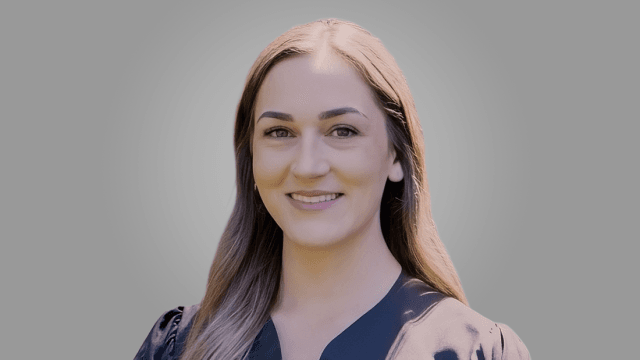
Meet Some of Our Edmonton Therapists

Many of our Edmonton clinicians work with anxiety. Browse profiles, watch introduction videos, and book online when you're ready.


Trusted by Leading Psychology and Mental Health Organizations Serving Edmonton

Our clinicians hold credentials recognized by the major licensing and professional bodies serving Edmonton and across Canada.


Trusted By Alberta’s Leading Psychology & Mental Health Organizations

ShiftGrit Psychology & Counselling is professionally regulated, certified, and recognized by leading psychology and mental-health organizations across Alberta and Canada. These associations reflect our commitment to ethical practice, clinical standards, and evidence-informed therapy through Identity-Level Therapy and Reconditioning.

Regulated and affiliated across Alberta’s leading psychology, counselling, and mental-health organizations.


Regulated and affiliated across Canada's leading psychology, counselling, and mental-health organizations.

Book a session

Ready to start Anxiety Therapy in Edmonton?

Connect with one of our Edmonton therapists. Online booking available — same-week appointments are usually possible.

Patterns We Work With in Anxiety Therapy

The clinical category above is one frame. ShiftGrit’s Pattern Library looks at the same territory through identity-level patterns — the loops underneath the surface symptom that therapy can address at the belief layer.

Anxiety

It isn’t a personal weakness or character flaw — it’s a learned pattern of fear and hypervigilance where the nervous system has become organized around perceived threat. It runs au…

Read more →

Explore all Anxiety patterns →

FAQ

What's the difference between anxiety therapy and anxiety counselling in Edmonton?

In Alberta the title difference reflects regulatory body, not the work itself. A Registered Psychologist is regulated by the College of Alberta Psychologists; a Canadian Certified Counsellor or Registered Social Worker carries their own credential. The clinical work for anxiety can look the same across these titles when the practitioner is trained in the same approach.

At ShiftGrit’s 124 Street studio in Edmonton, what defines the work is the method, not the title on the door. Every clinician on the team is trained in Identity-Level Therapy, the category of approach the practice was built around, applied through the ShiftGrit Core Method and the Reconditioning protocol. The intake call matches you to a clinician who has run that protocol on the specific anxiety pattern you describe, whether that pattern is generalized worry, panic spikes, social fear, or anticipatory dread.

If your extended health benefits only reimburse Registered Psychologists, mention that on the matching call and the team will route you to a Registered Psychologist on staff.

How is Identity-Level Therapy different from CBT for anxiety?

Cognitive Behavioural Therapy works on the level of thoughts. A client logs an anxious thought, tests it against evidence, and rehearses a replacement thought. CBT helps a meaningful slice of anxiety clients and is the most-studied talk therapy in existence. The plateau most clients hit with CBT for chronic anxiety is that the thought changes but the body doesn’t. You can rationally know the plane is safe and still white-knuckle the armrest.

Identity-Level Therapy sits one layer underneath the thought. The work targets the belief that the anxious thought is enforcing, beliefs like “I Am At Risk” or “I Am In Danger” that were installed at a specific moment earlier in life and now run automatically. The Reconditioning technique discharges the emotional charge on that belief so the downstream worry, the body bracing, and the hypervigilance settle on their own.

Edmonton clients who plateaued in CBT often describe ILT as working on a different layer entirely. Not better. Different. The thought work and the belief work are addressing different parts of the same system.

Do you offer free consultations for anxiety therapy in Edmonton?

Yes. The first call with ShiftGrit is a no-cost matching consultation, not a session and not a sales pitch. The intake team asks a short set of questions about the anxiety pattern (when it shows up, what triggers it, what’s been tried before, what’s working for your schedule) and routes the file to the clinician on staff whose caseload fits best.

The matching call runs about 15 to 20 minutes and can be booked online. Sessions afterward happen at the 124 Street studio in Edmonton or over secure video, whichever suits the week. The matched clinician contacts you to schedule the first working session.

If the match isn’t a fit after the first session, the team rematches at no cost. The goal is to put you in the right chair, not to fill a calendar.

Is anxiety therapy covered by insurance in Alberta?

Most Edmonton clients use extended health benefits to cover part or all of each session. Coverage varies by carrier and plan, but Registered Psychologist services are the line item that most workplace plans reimburse. Provincial workplaces (Alberta government, AHS), University of Alberta staff, NAIT, federal employees on PSHCP, and most private-sector plans through Sun Life, Manulife, Canada Life, and Blue Cross typically include some psychologist coverage.

Session fees at the 124 Street studio sit in the standard Edmonton range for Registered Psychologists. ShiftGrit does not direct-bill most plans; clients pay at the session and submit the receipt to their insurer for reimbursement.

Worth checking before the first session: your annual psychology cap (often $500 to $2,000 per benefit year), whether your plan requires a physician referral (most don’t), and whether your spouse’s plan can be coordinated for top-up coverage.

How long does anxiety therapy typically take?

Most Edmonton clients working on chronic anxiety see meaningful symptom reduction in 8 to 16 sessions. That is the working range, not a guarantee, and a few patterns settle faster while complex cases with layered trauma history take longer.

The structure of an Identity-Level Therapy course usually runs in three phases. The first two or three sessions map the belief patterns underneath the anxiety and identify the install moments. The middle stretch is where the Reconditioning happens, session by session, on each belief in the stack. The closing sessions consolidate the shift and stress-test it against the situations that used to trigger the pattern (the work meeting, the social event, the medical waiting room).

The team checks in on progress around session six. If the anxiety isn’t moving by then, the working hypothesis gets revisited rather than running another six sessions of the same thing.

Can I do anxiety therapy online if I'm in Edmonton?

Yes. ShiftGrit Edmonton runs sessions in two formats: in-person at the 124 Street Downstairs and 124 Street Upstairs studios, and virtually over a secure video platform that meets Canadian privacy requirements.

Many clients alternate. The first two sessions in person to build the working relationship, then virtual for the working stretch when the commute from south Edmonton or Sherwood Park starts to cost more than the session is worth. Edmonton winters tend to push the format mix toward virtual from December through March, which is expected and built into the model.

The Reconditioning protocol works the same on video as in-person. The technique runs on the belief layer, not on body language read across a room. Clients who started virtual and switched to in-person, and clients who did the reverse, report comparable progress.

What if I've tried therapy for anxiety before and it didn't work?

This is a common starting point for Edmonton clients arriving at the 124 Street studio. Talk therapy that focused on coping skills, breathing techniques, journaling, or thought-record work often delivers a temporary lift and then plateaus. The reason is usually structural: the work was happening at the symptom layer (the worry, the body sensation, the avoidance) while the driver was one layer underneath at the belief level.

Beliefs like “I Am Not in Control” or “Bad Things Are Going To Happen” were installed at a specific earlier moment and have been running on autopilot since. No amount of journaling about today’s anxious thought touches the belief that’s generating today’s anxious thought. That’s why the gains from prior therapy faded when life pressure increased.

Identity-Level Therapy targets that underneath layer directly. Clients who plateaued in CBT, EMDR, ACT, or general talk therapy often see the pattern shift in a different way once the belief is the target. The matching call covers what was tried before so the matched clinician can plan around it instead of repeating it.

Do you treat panic disorder and social anxiety specifically?

Yes. Panic disorder and social anxiety are two of the most common anxiety presentations the Edmonton team sees, and each runs on a distinct belief pattern.

Panic typically traces to a “I Am In Danger” belief installed at a moment the body decided a normal sensation was a threat. The pattern then self-reinforces: the racing heart triggers the danger reading, which triggers more racing heart, which confirms the danger. Reconditioning targets the belief at the install moment so the body stops reading sensation as evidence.

Social anxiety usually runs on a different belief stack, often closer to “I Am At Risk” in social-evaluation moments. The work identifies the original moment the social-risk reading got installed (typically earlier than clients expect, often a childhood or adolescent moment that registered as significant at the time) and reconditions the belief.

Phobias, health anxiety, agoraphobia, and performance anxiety each have their own characteristic belief stacks. The matching call screens for which pattern is in play so the first session opens at the right entry point.

What types of anxiety disorders do you treat?

The Edmonton clinical team works across the full anxiety spectrum, including:

  • Generalized Anxiety Disorder (GAD), chronic background worry that resists explanation
  • Panic Disorder, discrete panic attacks with or without agoraphobia
  • Social Anxiety Disorder, anticipation and replay around social evaluation
  • Specific Phobias, flying, driving, medical, animals, heights, enclosed spaces
  • Health Anxiety, preoccupation with bodily sensation and illness
  • Agoraphobia, restricted movement around situations the system has tagged as unsafe
  • Performance and Anticipatory Anxiety, sleep loss before meetings, presentations, exams, calls

The team does not provide formal diagnostic assessment reports for legal, insurance, or AISH purposes; that work routes through psychologists who specialize in assessment. ShiftGrit Edmonton’s lane is the treatment work itself.

How do I know if my anxiety is 'bad enough' to start therapy?

There is no diagnostic threshold a client has to cross before therapy is appropriate. The diagnostic categories in the DSM exist for insurance billing and research, not as a bouncer at the door of treatment.

The more useful question is whether the anxiety is costing you anything you’d rather keep. The sleep before Monday meetings. The bandwidth for hobbies after the kids are down. The willingness to drive to family events in Sherwood Park or take the U of A campus job that requires the presentation rotation. The way the chest tightens on the LRT before a downtown meeting. Those are signals the pattern is running in a costly way, regardless of whether it crosses a clinical line.

Edmonton clients arriving at the 124 Street studio sit across the full range, from “I function fine, this is just constant background noise” to “I haven’t slept through a night in months.” The work is the same. The matching call sorts out what to target first.

Is therapy for anxiety right for me?

The honest answer is that the matching call is built to surface that question rather than answer it in advance. If anxiety is interfering with sleep, work, relationships, or the basic shape of how you’d like your life to run, a no-cost call with the intake team is the cheapest test of fit available.

Identity-Level Therapy fits clients who are willing to look at the belief layer underneath the anxious thought, who want a structured working protocol with a defined arc rather than open-ended supportive conversation, and who are ready to do the work between sessions when that’s relevant. It does not fit clients in acute crisis who need immediate stabilization (Edmonton crisis resources or the Access 24/7 line are the right first call there), or clients seeking formal diagnostic reports for legal or AISH purposes.

If the fit isn’t right after the first session, the team rematches you or refers out, at no cost. The risk of booking the matching call is 20 minutes.


More Edmonton Therapy Guides

Living and working in Edmonton often means navigating responsibility, resilience, and long winters. These guides examine how emotional patterns develop in demanding environments, how identity-level beliefs shape reactions, and how structured therapeutic work supports meaningful change over time.

Not in Edmonton? See Calgary options.

Authored by

ShiftGrit

The first boutique psychology provider to bring a client-facing branded therapy approach to the high performing consumer. We are results driven mind trainers for people who hate barriers.

Reviewed by registered psychologists at ShiftGrit, regulated by the College of Alberta Psychologists.