













Where this belief fits
Schema Domain: Disconnection & Rejection
Lifetrap: Defectiveness / Shame
Non-Nurturing Elements™ (Precursors):
How this belief keeps repeating:
Evidence Pile
When this belief is active, the mind points to perceived lack of attention, comparison, or feedback about appearance as evidence that one is not visually or relationally desirable.
Show common “proof” items
- Not receiving romantic or sexual interest
- Comparing one’s appearance to others
- Neutral social interactions interpreted as lack of attraction
- Past rejection or lack of pursuit
- Critical comments (direct or indirect) about appearance
- Photos, mirrors, or social media reinforcing comparison
- Interpreting aging, body changes, or style as decline
Ongoing self-monitoring and comparison around appearance can create emotional strain, often experienced as insecurity, self-consciousness, or preoccupation.
Show common signals
- Heightened self-consciousness in social settings
- Anxiety around visibility or attention
- Rumination after interactions
- Fluctuating confidence based on perceived feedback
- Emotional exhaustion from comparison
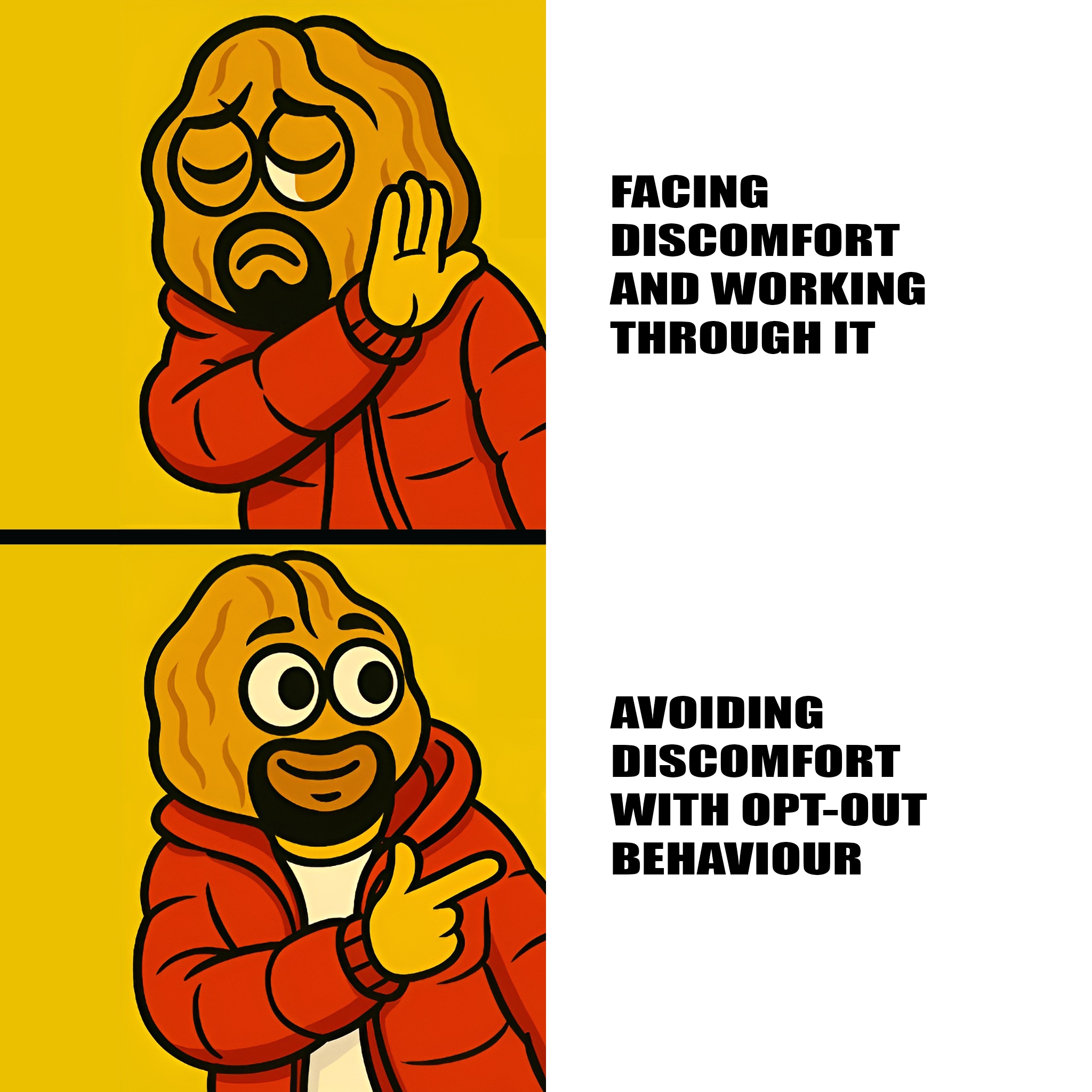
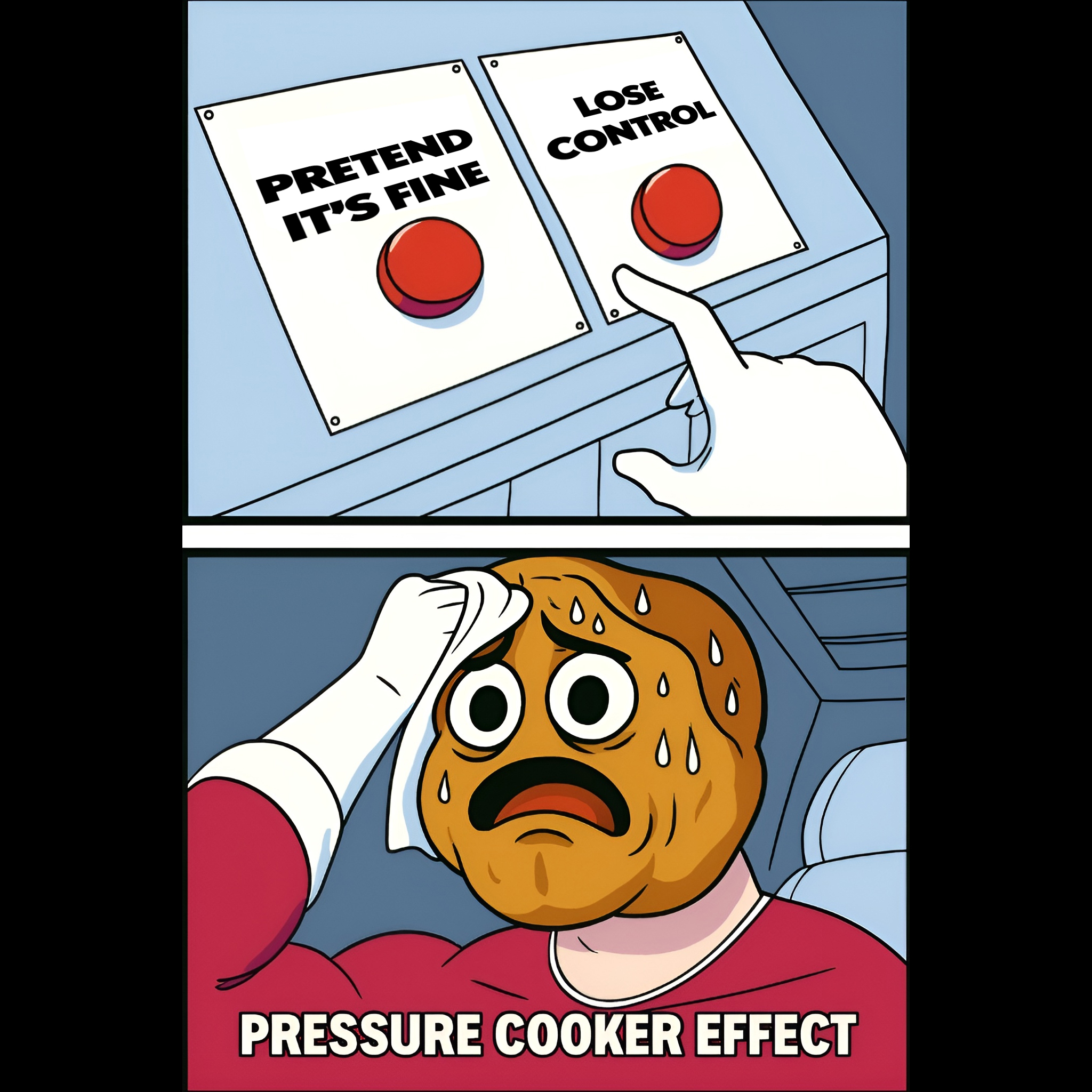
Pressure is released through hiding, withdrawal, comparison, and pre-emptive disengagement, which reduces visibility and opportunity for connection — reinforcing the belief of being unattractive.
Show Opt-Out patterns
- Avoiding visibility or attention
- Withdrawing from dating or flirtation
- Hiding the body or face
- Over-monitoring appearance
- Excessive comparison to others
- Seeking reassurance about attractiveness
- Pre-emptive rejection or disengagement
- Performing confidence rather than inhabiting it
- Over-editing or controlling self-presentation
This belief doesn’t always scream — it simmers.
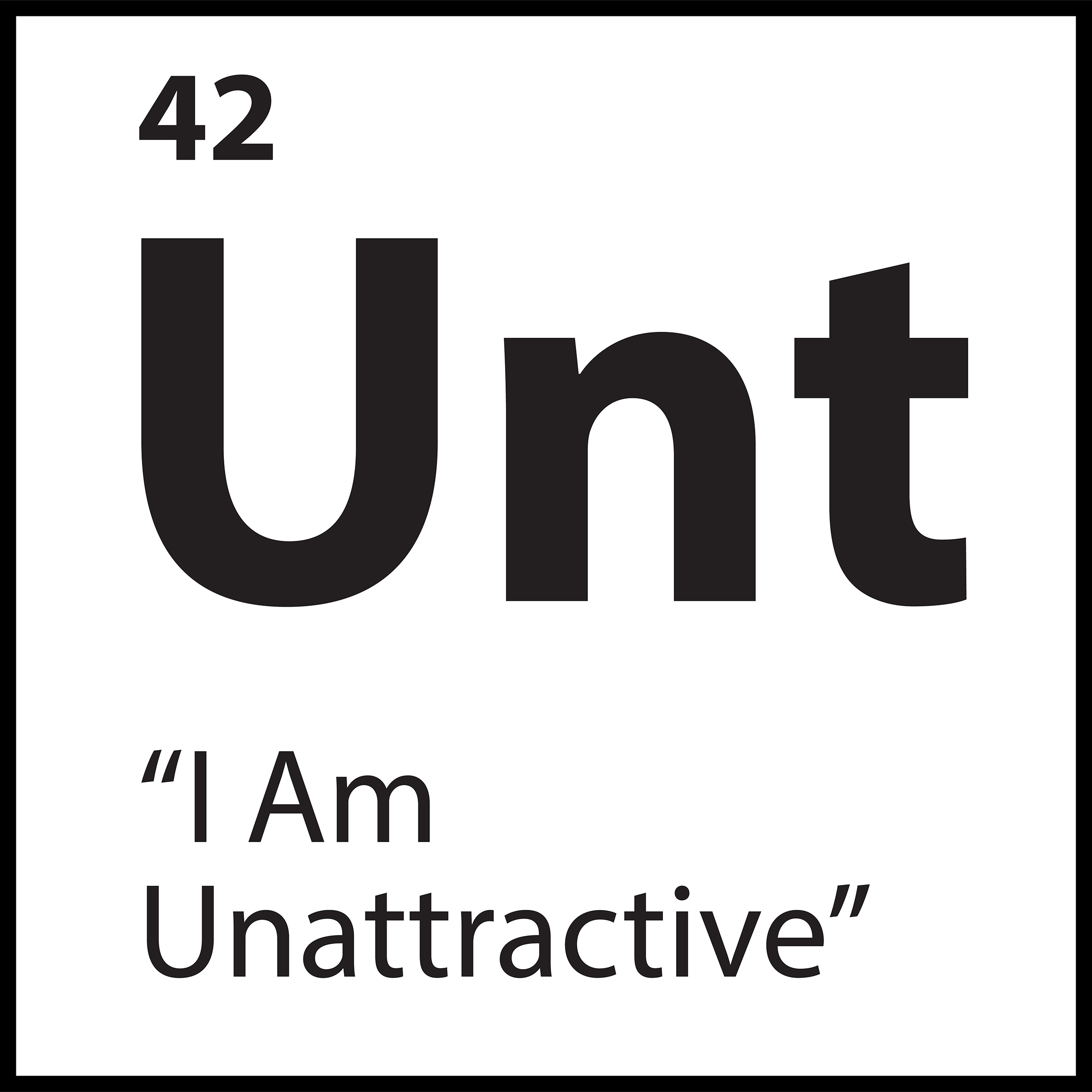
“I Am Unattractive” often forms in environments where appearance was criticized, overemphasized, or linked to worth. Over time, it creates a loop where your reflection becomes a source of shame — and where external validation feels necessary but never enough.
What It Sounds Like Internally:
- “They’re probably not really into me.”
- “I always feel like the least attractive person in the room.”
- “If I looked better, I’d be treated better.”
Where It Shows Up:
- Avoiding photos, mirrors, or social events
- Compulsively comparing yourself to others’ appearance
- Seeking relationships to feel chosen — then questioning your worth within them
- Chronic insecurity, even with praise or compliments
What It Can Lead To:
Unchecked, this belief often evolves into:
- “If I looked different, I’d be happy.”
- “I have to overcompensate with personality or performance.”
- “No one really desires me — they’re settling.”
Want to Dive Deeper into the “I Am Unattractive” Pattern?
Discover related beliefs, emotional triggers, and how therapy can help you recondition this deep-rooted belief for real change.
What Therapy Targets:
We don’t just affirm your appearance — we rewire the threat response behind the mirror.
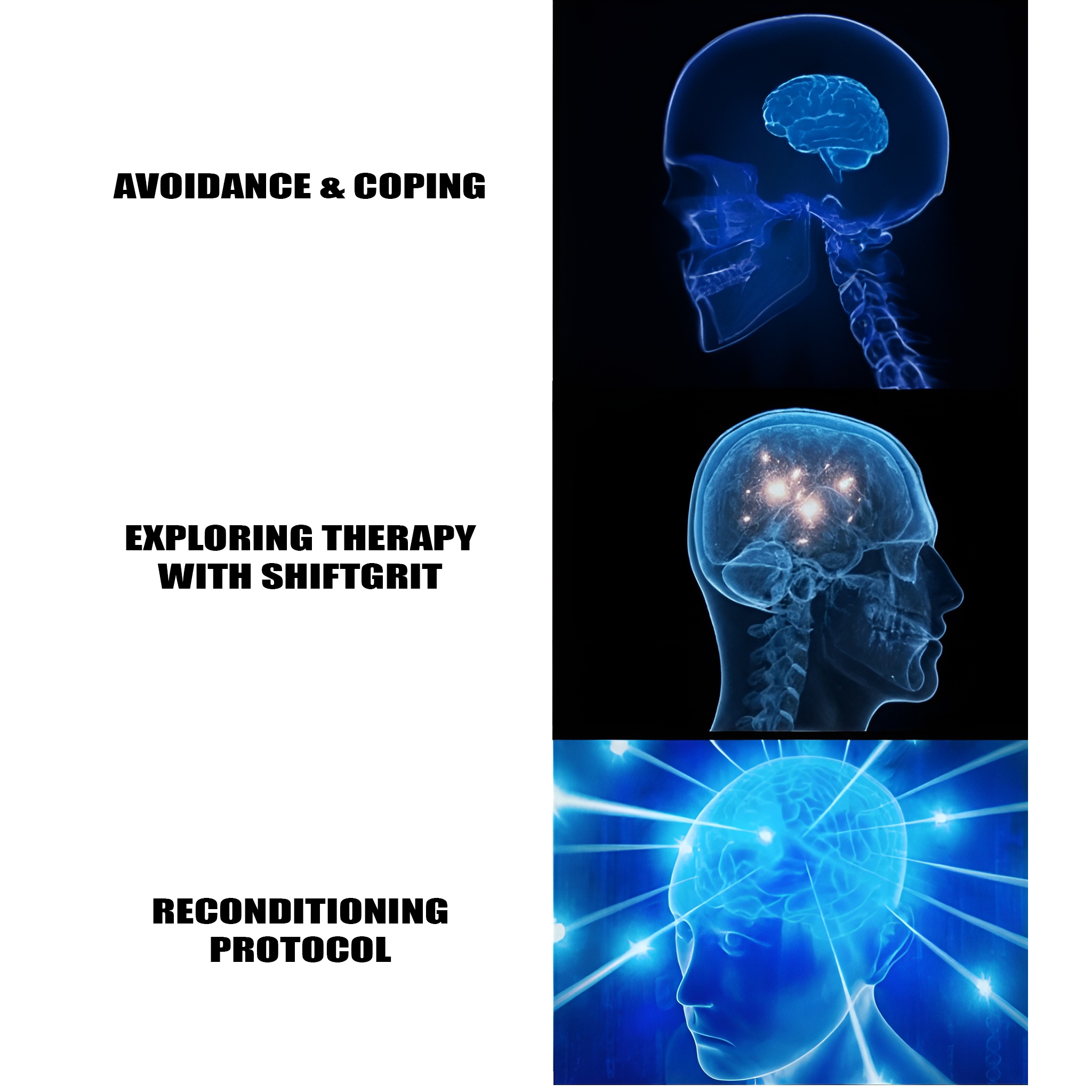
Using Pattern Reconditioning, we help your nervous system stop tagging your looks as a liability. Therapy shifts the focus from external validation to internal security, so you can feel seen, safe, and worthy — without needing perfection.
👉 Explore the Therapy Approach →
👉 See the Full Pattern Breakdown →