





































































Where this belief fits
Schema Domain: Disconnection & Rejection
Lifetrap: Defectiveness / Shame
Non-Nurturing Elements™ (Precursors):
How this belief keeps repeating:
Evidence Pile
When this belief is active, the mind fixates on perceived defects, mistakes, or differences and interprets them as signs of an inherent, enduring flaw rather than normal human variation or learning.
Show common “proof” items
- Making mistakes, poor decisions, or choices you later regret
- Receiving criticism, correction, or disapproval that feels personal rather than situational
- Not fitting in easily or feeling different from those around you
- Repeating patterns you’ve tried to change but haven’t yet resolved
- Comparing your internal experience to others’ outward competence or confidence
The nervous system stays alert to signs of defectiveness, scanning for mistakes, inconsistencies, or traits that could expose something “wrong” beneath the surface.
Show common signals
- Heightened sensitivity to errors, criticism, or feedback
- Persistent self-monitoring of behaviour, tone, or reactions
- Interpreting neutral interactions as evidence of personal shortcomings
- Difficulty feeling at ease or authentic around others
- A sense that acceptance is conditional and easily revoked
Relief comes from managing exposure—either by compensating for flaws or hiding them to prevent rejection or judgment.
Show Opt-Out patterns
- Over-preparing, over-explaining, or self-correcting excessively
- Perfectionism or rigid self-standards to "counterbalance" flaws
- People-pleasing or mirroring others to avoid standing out
- Preemptive self-criticism to soften external judgment
- Avoiding situations where competence, character, or worth might be evaluated
This belief doesn’t always feel like shame. Sometimes it feels like secrecy, overcompensation, or silence.
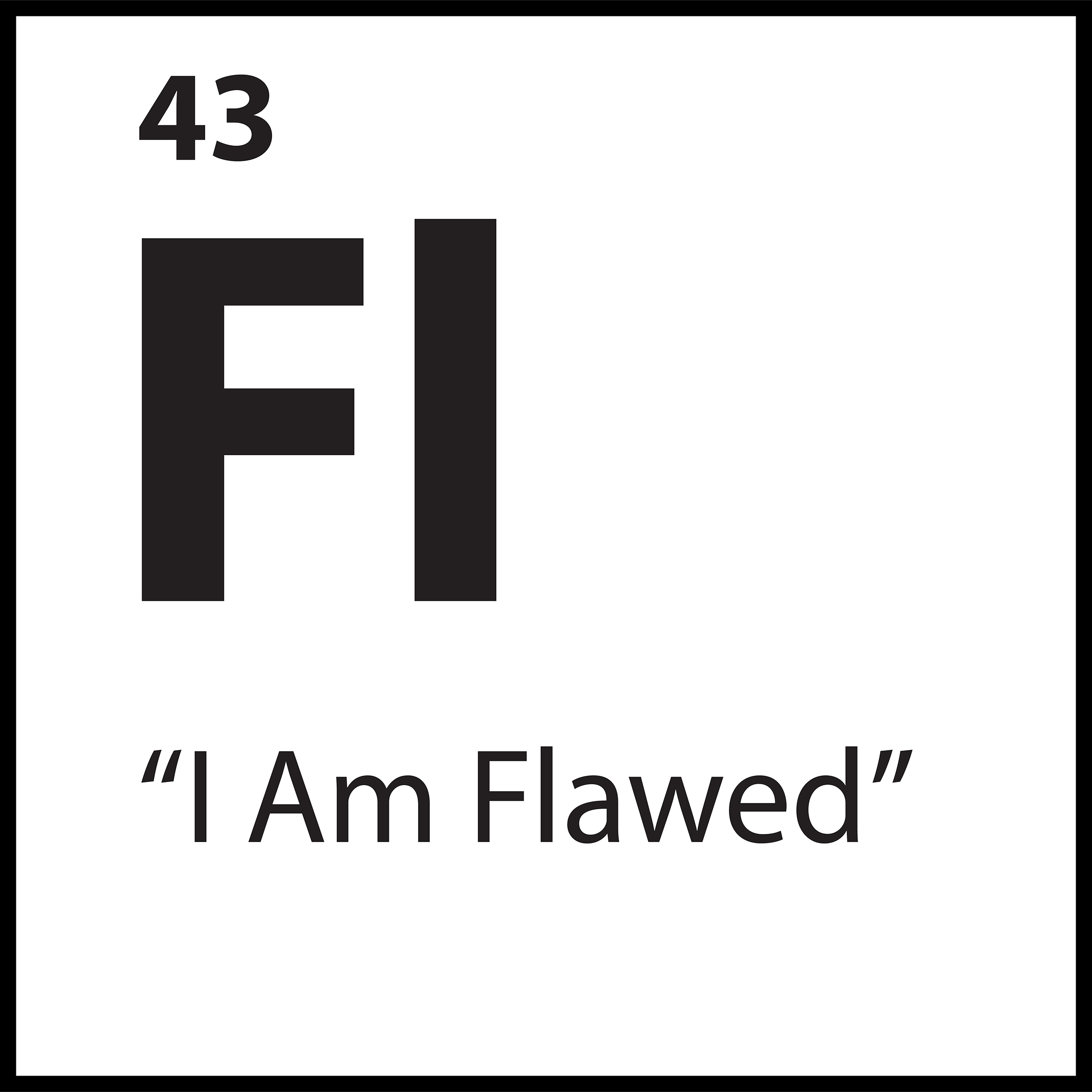
“I Am Flawed” is the quiet sense that something is inherently wrong with you — not in your behaviour, but in your being. It forms in environments where mistakes, emotions, or differences were met with criticism or shame, and it leaves you constantly scanning for what’s “off” about yourself.
What It Sounds Like Internally:
- “I’m not like everyone else — in a bad way.”
- “They’ll see through me eventually.”
- “There’s something broken in me I can’t fix.”
Where It Shows Up:
- Reluctance to open up or be fully seen
- Chronic self-editing in relationships or at work
- Feeling like you have to earn belonging
- Overcompensating with perfectionism or performance
Common Emotional Triggers:
This limiting belief isn’t about a specific mistake; it’s a pervasive sense that something deep inside you is broken, wrong, or unacceptable.
- Making Even Minor Mistakes. Typos, social slip-ups, or moments of forgetfulness can trigger deep shame and internal confirmation of brokenness.
- Being Corrected or Criticized. Even well-meant feedback can feel like exposure, proof that you’ve been hiding a defect all along.
- Feeling Emotionally “Too Much” or “Not Enough”. When you react too strongly, or not at all, your brain interprets it as evidence you’re inherently off.
- Not Feeling Like “Other People”. If you experience emotions, thoughts, or desires that seem different, the conclusion is that you’re wrong at the core.
- Moments of Vulnerability in Relationships. Opening up, or being seen, can create panic about what people will find out about who you really are.
- Body Shame or Medical Diagnoses. Any evidence of physical “abnormality” may get folded into the core narrative of being fundamentally defective.
- Spiritual or Existential Crisis. Feeling disconnected from meaning, purpose, or goodness can reinforce the belief that you’re flawed beyond repair.
- Conflicting Desires or Identity Ambiguity. Not fitting neatly into categories such as gender, sexuality, or belief systems can become interpreted as “wrongness.”
- Childhood Experiences of Rejection or Dismissal. When caregivers or peers treated your needs as problematic, this belief often rooted early.
- Romantic Rejection or Betrayal. The pain doesn’t just sting; it’s absorbed as proof that your inner defect caused the loss.
This limiting belief can lead to constant scanning for internal “bugs,” obsessive self-analysis, and a deep resistance to being known, all to avoid being revealed as unfixable.
What It Can Lead To:
Unchecked, this belief often evolves into:
- “If I’m not perfect, I’ll be rejected.”
- “If I hide my flaws well enough, I’ll be accepted.”
- “I’ll never be whole — just better at hiding the cracks.”
What Therapy Targets:
We don’t aim to fix you — we recondition the belief that you need fixing.
Through Pattern Reconditioning, therapy helps you untangle identity from shame. We help your nervous system stop flagging visibility and vulnerability as threats — so you can show up, fully, without fearing the cost.
👉 Explore the Therapy Approach →
👉 See the Full Pattern Breakdown →