

































































Where this belief fits
Schema Domain: Disconnection & Rejection
Lifetrap: Abandonment / Instability
Non-Nurturing Elements™ (Precursors):
How this belief keeps repeating:
Evidence Pile
When this belief is active, the mind selectively notices moments of rejection, absence, or conditional acceptance and interprets them as evidence of a fundamental lack of worth.
Show common “proof” items
- Not being chosen, prioritised, or pursued in relationships, work, or social settings
- Receiving criticism, correction, or feedback more strongly than validation
- Having needs unmet or feeling overlooked without explicit explanation
- Comparing yourself to others who appear more valued, celebrated, or included
- Past experiences of conditional care, approval, or affection
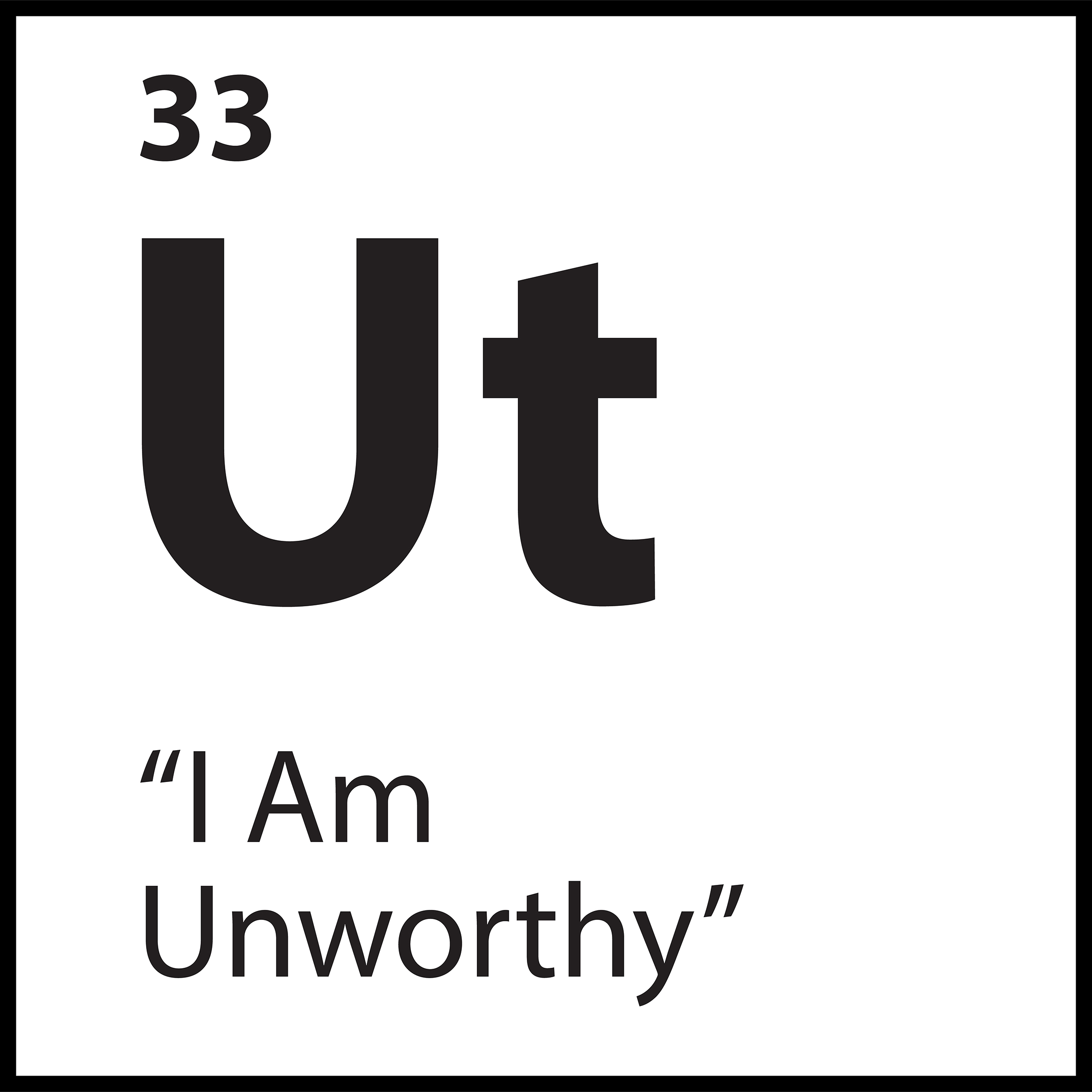
When “I Am Unworthy” is active, effort can feel compulsory rather than chosen. There’s a quiet, ongoing pressure to prove value, avoid being a burden, and justify your place—often without ever feeling finished.
Show common signals
- Persistent self-comparison and scanning for evidence that others are doing better or deserve more
- Over-functioning or over-giving to “earn” belonging, followed by exhaustion or resentment
- Difficulty resting, receiving help, or enjoying success without guilt
- Interpreting neutral feedback or boundaries as confirmation of personal inadequacy
When the belief “I Am Unworthy” is active, opt-outs tend to revolve around managing value—either by over-contributing, minimizing needs, or quietly withdrawing before worth is questioned.
Show Opt-Out patterns
- Over-functioning: taking on more responsibility than is fair to avoid being seen as expendable
- People-pleasing: prioritizing others’ needs to secure approval or prevent disappointment
- Difficulty receiving: deflecting praise, help, or care because it feels undeserved
- Self-minimizing: staying small, quiet, or agreeable to avoid “taking up space”
- Burnout → withdrawal cycles: pushing past limits, then disengaging when depleted
This belief doesn’t always feel dramatic.
It shows up in tiny micro-decisions:
Not speaking up.
Shrinking your needs.
Feeling like love, praise, or care must be earned.
“I Am Unworthy” isn’t about behaviour — it’s about permission.
The belief that you don’t deserve peace, love, success… just for being you.
What It Sounds Like Internally:
- “I’m too much / not enough.”
- “I don’t deserve this.”
- “They’ll regret being kind to me.”
Where It Shows Up:
- Difficulty receiving compliments, support, or generosity
- Staying in relationships, jobs, or environments that diminish you
- Self-sabotaging when things go well
- Over-functioning to prove your worth
Common Emotional Triggers:
This belief doesn’t just affect confidence; it quietly rewrites every gesture of love, success, or kindness as undeserved.
- Receiving Praise or Compliments. Instead of landing as truth, kind words trigger discomfort, or get mentally swatted away as exaggeration or flattery.
- Being Chosen or Selected. Promotions, opportunities, or affection may provoke guilt or imposter syndrome, asking why me and feeling you do not deserve this.
- Celebrations or Attention on You. Birthdays, awards, or being the centre of focus can spark feelings of fraudulence or emotional squirming.
- Healthy Romantic Relationships. When someone treats you well, the belief whispers that they do not really know you.
- Kindness Without Strings. Acts of generosity or love may feel confusing, or suspicious, if you did not earn them.
- Making a Mistake. Small slip-ups can feel catastrophic, as if they confirm your deep fear that you were never good enough to begin with.
- Receiving Help or Support. Accepting help might feel unsafe or shameful, because something clashes with internalised unworthiness.
- Childhood with Conditional Love or Praise. If love came only after achievement, perfection, or pleasing others, this belief likely formed early.
- Comparisons to Better People. The success or ease of others might sting, not out of envy, but because it reinforces a sense of internal lack.
This belief turns every good thing into a test, not of ability, but of whether you’re even allowed to receive it.
What It Can Lead To:
Left unaddressed, this belief often mutates into self-erasing patterns:
- “If I ask for more, they’ll leave.”
- “If I stop performing, I’ll be rejected.”
- “I don’t belong here.”
What Therapy Targets:
This isn’t about “positive affirmations.”
It’s about rewiring the survival belief that worth is conditional.
With Pattern Reconditioning, we target the emotional learning that made this belief feel true — and create new evidence your nervous system can trust.
👉 Explore the Therapy Approach →
👉 See the Full Pattern Breakdown →