





























































Where this belief fits
Schema Domain: Impaired Autonomy & Performance
Lifetrap: Vulnerability to Harm
Non-Nurturing Elements™ (Precursors):
How this belief keeps repeating:
Evidence Pile
When this belief is active, the mind scans for signs that things are heading toward harm or loss and treats uncertainty, coincidence, or past difficulty as proof that negative outcomes are inevitable.
Show common “proof” items
- Past experiences where things went wrong unexpectedly
- Noticing small problems and assuming they will escalate
- Hearing bad news, warnings, or stories of harm happening to others
- Feeling a persistent sense of unease without a clear cause
- Interpreting neutral uncertainty as a sign of impending trouble
As anticipated threats accumulate, internal pressure builds through anxiety, vigilance, and a constant readiness for impact.
Show common signals
- Chronic worry or apprehension
- Difficulty relaxing or feeling at ease
- Mental rehearsal of worst-case scenarios
- Heightened sensitivity to potential problems
- Sense of urgency without a clear reason
To manage the anticipated threat, the system attempts to predict, prevent, or control outcomes—or disengages to avoid the emotional cost of waiting.
Show Opt-Out patterns
- Excessive planning or checking
- Avoiding situations with uncertain outcomes
- Seeking constant reassurance
- Over-monitoring people, environments, or body signals
- Emotional numbing or disengagement (“don’t get hopeful”)
This belief doesn’t scream. It whispers.
A steady hum of what if running beneath your thoughts:
“What if something goes wrong?”
“What if I mess this up?”
“What if I’m not safe?”
It’s not just anxiety — it’s the nervous system on permanent alert.
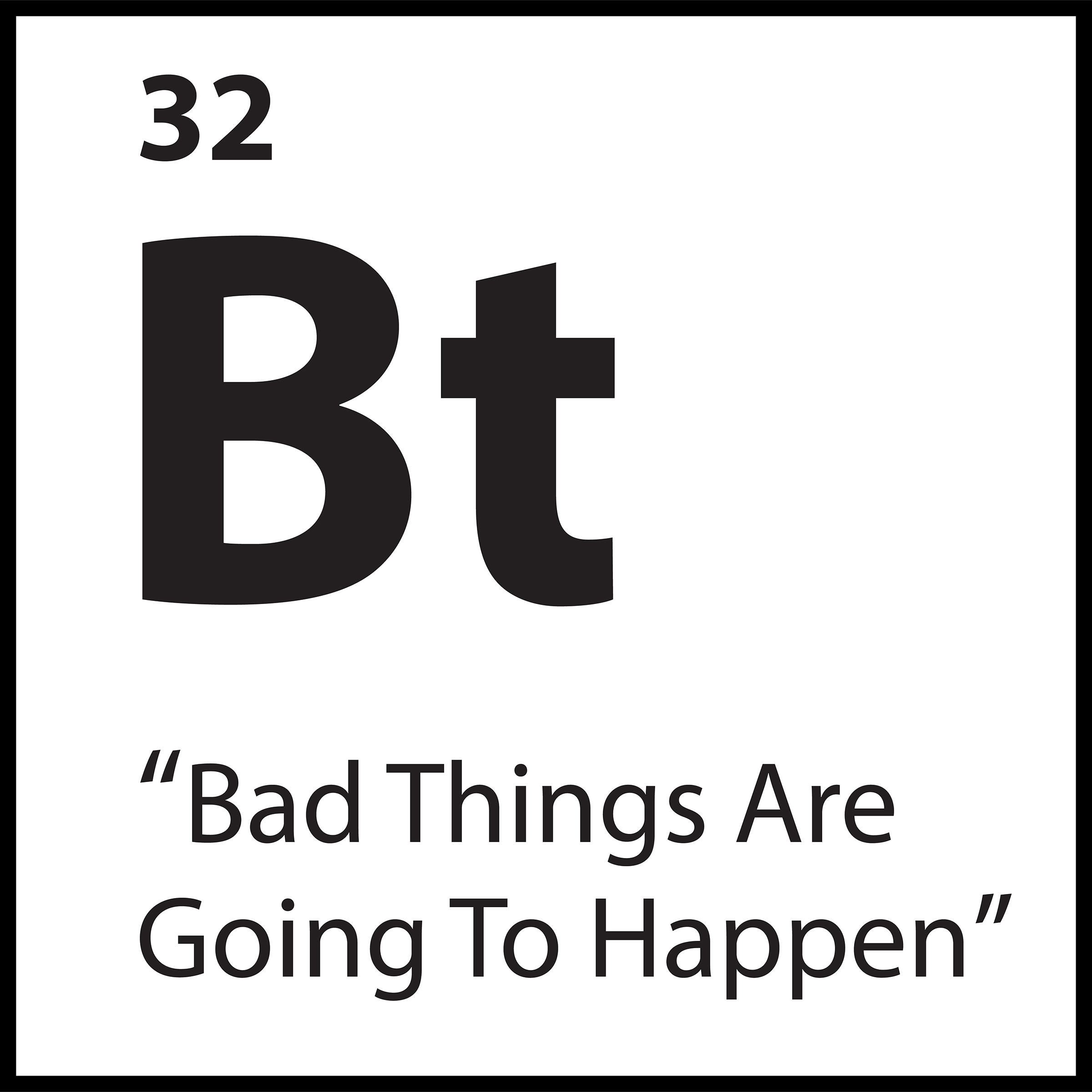
“Bad Things Are Going To Happen” isn’t a prediction. It’s a pattern.
What It Sounds Like Internally:
- “I can’t relax — something’s off.”
- “I need to stay ahead of this.”
- “If I let my guard down, it’ll all fall apart.”
Where It Shows Up:
- Over-preparing or over-controlling to avoid imagined disasters
- Constant tension in the body or shallow breathing
- Trouble sleeping due to mental rehearsals of worst-case scenarios
- Avoidance of situations that feel uncertain or out of control
Common Emotional Triggers:
This belief doesn’t just cause worry; it wires your nervous system to scan for catastrophe, even in moments of calm.
- Good News or Calm Periods. Instead of feeling safe, stability can trigger anxiety, because peace feels like the calm before a storm.
- Sudden Silence in Communication. A late reply, cancelled call, or shift in tone can spiral into panic, raising questions like whether something terrible happened or whether you messed up.
- Physical Symptoms or Health Concerns. Even minor body sensations can trigger worst-case thinking, from assuming the worst illness to fearing you are dying.
- Loved Ones Travelling, Driving, or Being Late. Lack of control or visibility around others’ safety can cause spirals of intrusive imagery.
- Global News or Social Media Tragedies. Exposure to conflict, illness, or disasters can be internalized as imminent or inevitable.
- Ambiguity or Uncertainty in Plans. Not knowing yet can feel intolerable; the brain rushes to fill in the blank with danger.
- Childhood Experiences of Unpredictability. If danger was random or caregivers were inconsistent, your body may still expect harm with no warning.
- Being Unprepared or Catching Up. Falling behind in any area, such as finances, work, or health, can feel existential, as though ruin is around the corner.
- Sudden Loud Noises or Startle Triggers. The nervous system may react as though you are under attack, long before the mind can evaluate the context.
This belief builds a life on edge, where safety is a temporary illusion, and anticipation of disaster becomes a full-time job.
What It Can Lead To:
Over time, this belief can evolve into deeper identity rules:
- “If I’m not vigilant, I’ll get blindsided.”
- “The world isn’t safe.”
- “Calm is a setup for chaos.”
What Therapy Targets:
We don’t just help you “calm down.”
We recondition the threat response that’s been wired into your nervous system.
Through Pattern Reconditioning, therapy teaches your brain to distinguish real threat from learned fear — and regulate accordingly.
👉 Explore the Therapy Approach →
👉 See the Full Pattern Breakdown →