












































































Existential Drift & Loss of Direction
A pattern of feeling unmoored from meaning, identity, and purpose while also losing a steady sense of where your life is headed. Instead of simple sadness, it often shows up as emptiness, invisibility, and difficulty sustaining agency, direction, or ownership of your time.
Existential drift isn’t depression — it’s a pattern of feeling unmoored from meaning, identity, and purpose while losing a steady sense of where life is headed. Instead of clear sadness, it shows up as emptiness, hollowness, and difficulty sustaining agency, even while you keep functioning on the outside.

Existential drift is the felt sense that meaning, identity, or belonging are no longer holding together in a steady way. Loss of direction is what often follows in daily life: uncertainty about what matters, where to invest time, and how to move forward with purpose. Together, they create more than confusion. They can produce a developmental pattern in which ordinary setbacks, comparison, or low recognition quickly turn into questions of worth and significance. Instead of thinking, this is a hard season, the mind can move toward the conclusion that you do not really matter. From there, some people become vigilant for proof, some overwork to feel relevant, and some go numb or pull back entirely. That interaction is what makes the pattern feel both existential and practical at the same time.
It can feel hollow, not dramatic
Many people describe this pattern as emptiness, invisibility, or feeling unmoored, not as a clear emotional crisis. You may still function on the outside while privately feeling that your goals, roles, or achievements no longer land as meaningful in a way that gives life direction.
Drift and direction problems reinforce each other
Existential drift is the loosening of meaning, identity, or belonging. Loss of direction is the practical result: difficulty choosing, committing, or feeling ownership over where life is going. When meaning feels unstable, direction gets harder to hold. When direction fades, meaning can feel even less real.
Recognition starts carrying too much weight
In this pattern, small moments of being overlooked, replaceable, or unsure of your impact can carry disproportionate emotional force. They are not just disappointing. They can be interpreted as evidence that you do not matter, which intensifies shame, comparison, and urgency about finding your place.
Overproving can hide the struggle
Some people respond by working harder, searching for the right path obsessively, or trying to be more useful, visible, or certain. From the outside this may look motivated, but inside it often comes from pressure to restore worth or relevance rather than from settled direction.
Withdrawal is often strain, not laziness
When the pressure becomes too much, the system may go numb, detach, or pull back from goals, identity, or visibility. That shutdown can look like apathy, but it is often the point where exhaustion, not-mattering, and loss of agency have quietly been building for a long time.
Inner statements
I keep doing things, but I cannot feel why any of it matters anymore.
People who stay outwardly functional at work or in daily roles while feeling emotionally detached.
If nobody notices what I contribute, maybe I do not really matter.
People whose identity gets organized around usefulness, impact, or being needed.
I need to figure out my direction now, but the more I push, the more blank I feel.
People in transitions, comparison-heavy environments, or seasons of role change.
Other people seem anchored. I feel replaceable and hard to locate inside my own life.
People who feel unseen in groups, teams, or communities.
Common questions
Why do I feel empty or invisible instead of obviously sad?
This pattern often lands as emptiness, invisibility, or feeling unmoored rather than as clear sadness. When disruptions in meaning, recognition, or direction get filtered through a deeper conclusion of not mattering, the experience can feel more like hollowness or unreality than a straightforward low mood.
Why do I keep trying to prove that I matter and then end up exhausted?
Low recognition or uncertainty about your role can trigger pressure to restore worth and significance quickly. That may lead to more effort, more usefulness, more visibility, or an urgent search for the right path. It can help briefly, but over time the strain builds and often ends in numbness, exhaustion, or disengagement.
Can struggles with meaning or significance make me pull away from myself, my goals, or other people?
Yes. When trying feels too costly or too loaded, avoidance and numbing can become short-term protection. You might go on autopilot, withdraw from visibility, stop investing in goals, or lose touch with your own wants and opinions. The pullback often reflects strain and self-protection, not a lack of care.
From The Shift Show
In everyday life, this pattern often shows up less as one dramatic existential crisis and more as a slow drift in how you relate to yourself, your time, and your role in the world. You may keep doing what is required while feeling less connected to why you are doing it. Moments of comparison, unclear impact, or low recognition can hit harder than they seem from the outside, because they touch meaning, worth, and direction all at once.
In your inner sense of self
- Feeling hollow or unreal even while you keep functioning
- Having trouble naming what you want, prefer, or care about
- Feeling unmoored when you try to describe who you are
- Achievements landing briefly and then feeling emotionally empty
- A sense that you never fully formed into a solid self
In your thoughts and interpretation
- Reading low recognition as proof that you do not matter
- Comparing your impact with other people's and coming up short
- Scanning for signs that your role is replaceable or insignificant
- Turning ordinary uncertainty into bigger questions about worth or purpose
- Feeling that if direction is unclear, something must be wrong with you
In your body and energy
- Chronic fatigue without a clear practical reason
- Emotional flatness after periods of pushing hard
- Numbness or disconnection when choices feel too loaded
- Restlessness or tension when you cannot pin down your role or purpose
- Swinging between driven effort and shutdown
In work, goals, and time
- Trouble committing to goals because none of them feel fully real
- Working hard to feel useful, then losing motivation suddenly
- Going through tasks on autopilot without a strong sense of ownership
- Letting long-term planning slide because the future feels unanchored
- Feeling your contribution is short-lived, interchangeable, or easily overlooked
In relationships and visibility
- Holding back opinions because they do not feel important enough to share
- Feeling unseen in groups even when you are present
- Withdrawing after moments where you feel overlooked or unasked
- Avoiding visibility or responsibility when it all feels pointless
- Staying connected on the surface while feeling absent underneath
When it tends to show up
This pattern often sharpens during transitions, stalled periods, role changes, comparison-heavy environments, or times when your effort is not clearly recognized. It can also show up after reaching goals that do not feel meaningful, during work uncertainty, or when life becomes so automatic that time passes without much felt ownership. Moments that challenge worth, agency, or impact tend to activate it most.
At the structural level, this concern is not simply about lacking goals. Existential drift begins when meaning, belonging, or coherence feels unstable. Loss of direction follows when that instability starts shaping choices, effort, and identity over time. In this concern, those moments are filtered through the displayed belief I Am Nothing, so a missed response, flat achievement, unclear role, or comparison with others can land as proof of not mattering rather than as a temporary setback. The system then tries to restore agency and worth by becoming vigilant for signs of significance or by pushing harder to feel useful and relevant. That effort can briefly reduce uncertainty, but it also builds strain. Over time, numbness, avoidance, and withdrawal make both the emptiness and the loss of direction feel even more convincing.
A common loop
Trigger to meaning or recognition
A moment of low impact, unclear purpose, comparison, or being overlooked disrupts your sense of coherence and direction.
Belief activation
Instead of reading the moment as temporary, it lands through I Am Nothing, turning uncertainty into a felt conclusion that you do not really matter.
Vigilant evidence gathering
Your mind starts scanning for more proof: who noticed, who asked, whether your contribution counted, and whether others seem more meaningful or established.
Pressure to prove relevance
To restore worth or agency, you may work harder, try to be more useful, search urgently for the right path, or push yourself to create meaning fast.
Numbing or opt-out
As the strain builds, emotional capacity drops. Numbing, autopilot, withdrawal, avoidance of visibility, or giving up on goals can feel like relief.
Confirmation and deeper drift
Pulling back reduces short-term pressure but leaves the original conclusion untouched, so emptiness, invisibility, and loss of direction feel even more true next time.
This pattern often carries a quiet but chronic load on the nervous system. Vigilance shows up as scanning for cues about impact, belonging, status, or whether your role matters. When that scanning does not produce enough certainty, the body can stay tense, effortful, and overextended. Over time, that pressure can flatten emotion and reduce access to motivation, pleasure, and agency, which is why the experience may shift from striving into hollowness or exhaustion. Numbing and avoidance are not random failures here; they can function as short-term protection when meaning feels unstable and the pressure to matter becomes too high. The developmental quality of the pattern means these shifts may feel familiar, automatic, and hard to interrupt without deliberate support.
For this concern, limiting beliefs help explain why existential questions can feel so loaded. A period of uncertainty, low recognition, or unclear direction does not stay a practical problem for long; it can touch something deeper about worth, visibility, and whether you exist in a meaningful way at all. The mapped belief shown with this concern is used as a teaching lens for that deeper layer. It helps make sense of why existential drift can feel like emptiness rather than simple confusion, and why loss of direction can become tied to shame, comparison, or the urge to prove significance. The goal of this tab is not to label you, but to show the deeper story that ordinary setbacks may be activating.
Limiting Beliefs Commonly Linked with Spirituality Therapy
These identity-level patterns frequently show up for clients seeking spirituality therapy. Explore the beliefs to learn the “why” and how therapy can help you recondition them.

“I Don’t Exist”
This belief isn’t just about being ignored — it’s about disappearing from your own life. It fuels emotional numbness, dissociation, and the sense that you don’t matter.
Explore this belief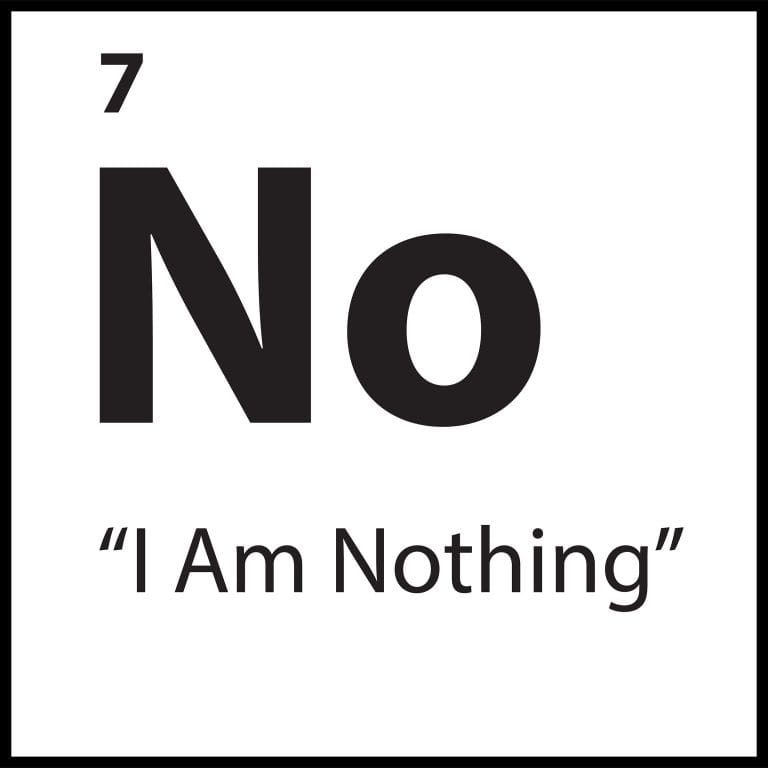
“I Am Nothing”
When you carry the belief “I Am Nothing,” your nervous system may respond to connection, recognition, or even success as threats. This belief often emerges from emotional erasure…
Explore this belief
“I Am Not Whole”
The belief “I Am Not Whole” doesn’t always show up in words. It shows up in the constant pressure to improve, fix, prove, or perfect — not because…
Explore this beliefWant to see how these fit into the bigger pattern map? Explore our full Limiting Belief Library to browse all core beliefs by schema domain and Lifetrap.
Patterns like existential drift and loss of direction usually do not begin as abstract philosophy. They tend to develop over time through earlier environments and repeated experiences that shape how meaning, agency, and worth get organized. This tab offers developmental framing for why uncertainty can feel so destabilizing and why questions of direction may quickly become questions of mattering. The point is not to reduce your life to one cause or to blame the past for everything. It is to understand how a person can grow into adulthood still trying to build a solid sense of self, purpose, or belonging from shaky foundations. That context often helps the present-day pattern make more sense and feel more workable.
“I Don’t Exist”
Schema Domain: Disconnection & Rejection
Lifetrap: Social Isolation / Alienation
Non-Nurturing Elements™ (Precursors)
“I Am Nothing”
Schema Domain: Disconnection & Rejection
Lifetrap: Defectiveness / Shame
Non-Nurturing Elements™ (Precursors)
“I Am Not Whole”
Schema Domain: Disconnection & Rejection
Lifetrap: Defectiveness / Shame
Non-Nurturing Elements™ (Precursors)
This pattern often keeps repeating not because you are failing to try, but because the short-term strategies that reduce discomfort can also maintain the larger problem. When meaning feels shaky or direction goes missing, the system may become vigilant, push harder for significance, go emotionally flat, or step back from effort and visibility. Each move makes sense in the moment: it aims to reduce uncertainty, shame, or pressure. But if the deeper conclusion about worth remains untouched, the cycle tends to restart the next time life feels ambiguous, unrecognized, or disconnected. This tab is meant to show that the repetition is structured, not random. Seeing that structure can reduce self-blame and create more room for deliberate change.
“I Don’t Exist”
Evidence Pile
When this belief is active, the mind tracks moments of non-recognition, emotional absence, or lack of impact and interprets them as evidence that one’s presence does not fully register or matter in the world.
Show common “proof” items
- Feeling unseen, unfelt, or emotionally unacknowledged over long periods of time
- Existing in spaces without being engaged with, responded to, or referenced
- Experiencing disconnection from one’s own emotions, body, or sense of presence
- Seeing life continue unchanged regardless of your participation or absence
- Past experiences of chronic neglect, emotional absence, or relational non-attunement
As experiences of non-recognition accumulate, internal strain builds around grounding, continuity, and the sense of being real or anchored.
Show common signals
- Emptiness or numbness
- Dissociation or feeling unreal
- Detachment from emotion or identity
- A sense of floating, fading, or not being anchored
- Difficulty feeling continuity across time or relationships
To reduce the strain of feeling unreal or unregistered, the system shifts toward patterns that minimise exposure, sensation, or relational demand.
Show Opt-Out patterns
- Emotional shutdown or flattening
- Withdrawing from connection or expression
- Dissociating or “checking out”
- Avoiding visibility or engagement
- Over-identifying with roles, tasks, or routines to feel real
“I Am Nothing”
Evidence Pile
When this belief is active, the mind often points to a perceived lack of impact, significance, or recognition as evidence that one does not matter.
Show common “proof” items
- Contributions go unnoticed or unacknowledged
- Feeling easily replaceable or interchangeable
- Being overlooked in group settings
- Others not asking for opinions or input
- Achievements feeling insignificant or short-lived
- Comparisons where others seem more important or meaningful
Ongoing efforts to prove relevance or meaning can quietly drain emotional capacity, leading to numbness, emptiness, or exhaustion over time.
Show common signals
- Emotional flatness or disconnection
- Chronic fatigue without clear cause
- Loss of motivation or direction
- Sense of emptiness or “hollowness”
- Detachment from goals or relationships
- Feeling unseen even when present
When the strain becomes too much, the system may release by disengaging from effort, identity, or visibility altogether.
Show Opt-Out patterns
- Emotional withdrawal or shutdown
- Giving up on goals or aspirations
- Going through life on autopilot
- Avoiding visibility or responsibility
- Passive disengagement (“why bother”)
- Dissociation from wants, preferences, or opinions
“I Am Not Whole”
Evidence Pile
When this belief is active, the mind points to feelings of emptiness, inconsistency, or inner conflict as evidence that something essential is missing or fragmented.
Show common “proof” items
- Feeling disconnected from parts of oneself
- Shifts in mood, motivation, or identity
- Difficulty sustaining meaning, purpose, or direction
- A sense of inner conflict (“part of me wants X, part of me doesn’t”)
- Comparing oneself to people who seem integrated or grounded
- Feeling “unfinished,” scattered, or incomplete
- Interpreting emotional pain as evidence of brokenness
Ongoing efforts to resolve or complete the self can create internal strain, often experienced as restlessness, dissatisfaction, or chronic self-focus.
Show common signals
- Restlessness or dissatisfaction
- Feeling perpetually “in process”
- Difficulty enjoying the present
- Frustration with inner inconsistency
- Longing for a future version of oneself
Pressure is released through endless self-fixing, fragmentation, and postponement of presence, which creates a lived experience of incompleteness that reinforces the belief of not being whole.
Show Opt-Out patterns
- Endless self-fixing
- Perpetual self-improvement
- Fragmenting the self into acceptable and unacceptable parts
- Delaying satisfaction until “healed” or “complete”
- Avoiding commitment or integration
- Chronic comparison to more “put together” others
- Withholding full presence or enjoyment
- Keeping identities, roles, or relationships compartmentalized
- Over-identifying with inner conflict
- Postponing life until the self feels resolved
Therapy for this pattern usually focuses less on forcing a final answer about purpose and more on making the pattern understandable and workable. The aim is to notice how emptiness, not-mattering, and loss of direction get linked, reduce the pressure to prove significance, and build a steadier relationship to identity, meaning, and visibility over time.
What therapy often focuses on
Naming the pattern beneath the emptiness
A first step is often learning to distinguish existential drift from simple indecision. Therapy can help track when the experience is really about emptiness, invisibility, or not mattering, and how that changes the way you interpret work, time, relationships, and purpose.
Exploring disconnection and shame themes
The work may examine how present-day conclusions about worth get organized around deeper disconnection or shame themes. This can help explain why low recognition, role confusion, or comparison lands so hard and why direction problems can feel like identity problems.
Mapping the meaning-pressure-withdrawal cycle
Therapy can map how disruptions in meaning trigger vigilance, overstriving for relevance, exhaustion, and eventual disengagement. Seeing the pattern as a loop often creates more choice than treating each phase as a separate failure.
Reducing the pressure to prove significance
Many people with this concern feel pushed to earn worth through usefulness, visibility, certainty, or constant forward motion. Therapy can help soften that pressure so effort becomes more sustainable and less tied to emergency-level self-definition.
Rebuilding direction from identity and connection
Rather than forcing a perfect life purpose, therapy can support a steadier sense of agency by reconnecting with preferences, values, contribution, and belonging. Direction often becomes clearer when identity no longer depends entirely on external recognition.
What to expect
Clarifying the pattern and its triggers
Early sessions may focus on the moments that activate emptiness, comparison, low recognition, or urgency about purpose. The goal is not to rush an answer, but to make the pattern visible enough that it no longer feels random.
Linking present-day drift to deeper themes
As the work develops, therapy may connect current loss of direction with older experiences of disconnection, shame, or not feeling significant. That link can make the present less confusing and less self-blaming.
Practising steadier re-engagement
Progress often involves small, repeatable shifts: interpreting setbacks differently, pacing effort, tolerating uncertainty, and returning to work, relationships, and self-definition with more choice. Change is usually gradual rather than dramatic.
Change in this pattern usually looks less like a sudden revelation and more like a steadier relationship to yourself. You may still have existential questions, uncertain seasons, or moments of comparison, but they no longer collapse so quickly into emptiness or not-mattering. Direction becomes something you can build and revise, not a test you must immediately pass. Many people notice that they recover faster after setbacks, stay more connected to their own preferences, and rely less on external recognition to feel real. The goal is not perfect certainty. It is a more grounded sense of meaning, agency, and worth that can hold even when life is ambiguous.
Common markers of change
Self-talk
Before: A quiet lack of recognition quickly turns into the conclusion that you do not matter.
After: You are more able to notice the old conclusion, slow it down, and treat the moment as painful without turning it into total proof.
Work and contribution
Before: You overwork to feel useful or lose motivation when your impact is unclear.
After: You can contribute with more steadiness, pace your effort, and stay engaged even when recognition is imperfect.
Direction and time
Before: Long-term planning feels blank, forced, or pointless, so time passes on autopilot.
After: You can make smaller directional choices, revise them when needed, and feel more ownership of where your time is going.
Relationships and visibility
Before: Feeling overlooked leads you to pull back, stay silent, or assume your presence does not matter.
After: You are more likely to stay present, share your view, and test connection instead of disappearing from it.
Energy and recovery
Before: Trying to matter leaves you emotionally flat, numb, or exhausted.
After: You notice strain earlier, reduce overpushing, and recover without needing to fully shut down first.
Skills therapy may support
Noticing belief activation
Catching the shift from a disappointing moment to a total conclusion about not mattering before it hardens into proof.
Tolerating meaning disruption
Staying with uncertainty about purpose or direction without immediately forcing a grand answer.
Separating recognition from worth
Recognizing that being overlooked in one moment does not define your value or erase your contribution.
Pacing effort more sustainably
Contributing at work or in relationships without turning every task into a test of significance.
Deliberate re-engagement
Returning to goals, preferences, connection, or visibility in small steps instead of waiting to feel fully certain first.
Next steps
Track the triggers that make you feel unreal or directionless
Start noting the specific moments that activate the pattern, especially around recognition, comparison, unclear impact, role confusion, or questions about purpose. Concrete examples often reveal the loop more clearly than abstract reflection alone.
Look for support that can hold meaning and shame together
If this concern fits, it may help to work with someone who can talk about emptiness, significance, identity, and developmental patterns at the same time. Symptom relief can matter, but the deeper themes of worth and direction may also need language.
Bring both sides of the cycle into the room
When you reach out, share not only when you feel lost, but also how you respond: overworking, searching for certainty, going numb, withdrawing, or disappearing from goals and relationships. Both the striving side and the shutdown side matter.
Where to go from here
What Is Existential Anxiety?
A simple breakdown of uncertainty, identity concerns, and the feeling of not knowing your direction.
Get Clear on What’s Driving This
Work with a therapist to understand and shift the underlying pattern—not just manage the feeling.
Feeling lost isn’t the whole story
Existential drift often shows up on the surface as confusion, flatness, or disconnection. Identity-Level Therapy helps map the deeper pattern underneath so next steps feel clearer and more personally true.
Questions
What if I do not feel depressed so much as empty or unreal?
This pattern often shows up as hollowness, invisibility, emotional flatness, or feeling unmoored rather than as obvious sadness. That does not make it less real. When meaning, worth, and direction get tied together, the experience can feel more like emptiness or unreality than a clear low mood.
Can therapy help if my struggle is more about meaning, significance, or invisibility?
Yes. Therapy does not need to reduce your experience to symptoms alone. It can help explore how questions of meaning, recognition, worth, and identity are interacting, and how the pressure to matter or find the right direction may be feeding exhaustion, numbness, or withdrawal.
What if I cannot explain what feels missing, only that something feels hollow?
That is a common starting point. You do not need a perfect explanation before getting help. Often it is enough to bring examples of when the hollowness shows up, what seems to trigger it, what you tell yourself in those moments, and whether you respond by overpushing or pulling back.
What if I keep swinging between trying hard to matter and wanting to disappear?
That swing makes sense within this pattern. One side tries to restore agency, meaning, or significance through effort, usefulness, or visibility. The other side shows up when the strain gets too high and numbing or withdrawal feels safer. Therapy can help you understand both sides as part of one loop.
Could early neglect matter even if I do not think of my past as dramatic?
Possibly. Developmental patterns are not only shaped by dramatic events. They can also form around what was missing over time, such as not feeling consistently seen, noticed, or significant. Exploring that does not mean blaming the past. It means understanding how present-day conclusions about worth and direction may have formed.
Do I need a clear spiritual or existential framework before I get help?
No. You do not need a finished philosophy, spiritual system, or life purpose before starting. Therapy can begin with the lived experience itself: emptiness, directionlessness, comparison, not-mattering, or feeling disconnected from your own wants. Clarity often grows through understanding the pattern, not before it.
Read more about Spirituality
Continue reading our clinical overview of Spirituality — what it is, common signs, contributing factors, treatment paths, and how therapy can help.

