









































































Where this belief fits
Schema Domain: Disconnection & Rejection
Lifetrap: Defectiveness / Shame
Non-Nurturing Elements™ (Precursors):
How this belief keeps repeating:
Evidence Pile
When this belief is active, the mind points to feelings of emptiness, inconsistency, or inner conflict as evidence that something essential is missing or fragmented.
Show common “proof” items
- Feeling disconnected from parts of oneself
- Shifts in mood, motivation, or identity
- Difficulty sustaining meaning, purpose, or direction
- A sense of inner conflict (“part of me wants X, part of me doesn’t”)
- Comparing oneself to people who seem integrated or grounded
- Feeling “unfinished,” scattered, or incomplete
- Interpreting emotional pain as evidence of brokenness
Ongoing efforts to resolve or complete the self can create internal strain, often experienced as restlessness, dissatisfaction, or chronic self-focus.
Show common signals
- Restlessness or dissatisfaction
- Feeling perpetually “in process”
- Difficulty enjoying the present
- Frustration with inner inconsistency
- Longing for a future version of oneself
Pressure is released through endless self-fixing, fragmentation, and postponement of presence, which creates a lived experience of incompleteness that reinforces the belief of not being whole.
Show Opt-Out patterns
- Endless self-fixing
- Perpetual self-improvement
- Fragmenting the self into acceptable and unacceptable parts
- Delaying satisfaction until “healed” or “complete”
- Avoiding commitment or integration
- Chronic comparison to more “put together” others
- Withholding full presence or enjoyment
- Keeping identities, roles, or relationships compartmentalized
- Over-identifying with inner conflict
- Postponing life until the self feels resolved
This belief doesn’t always sound dramatic — but it quietly robs you of peace.
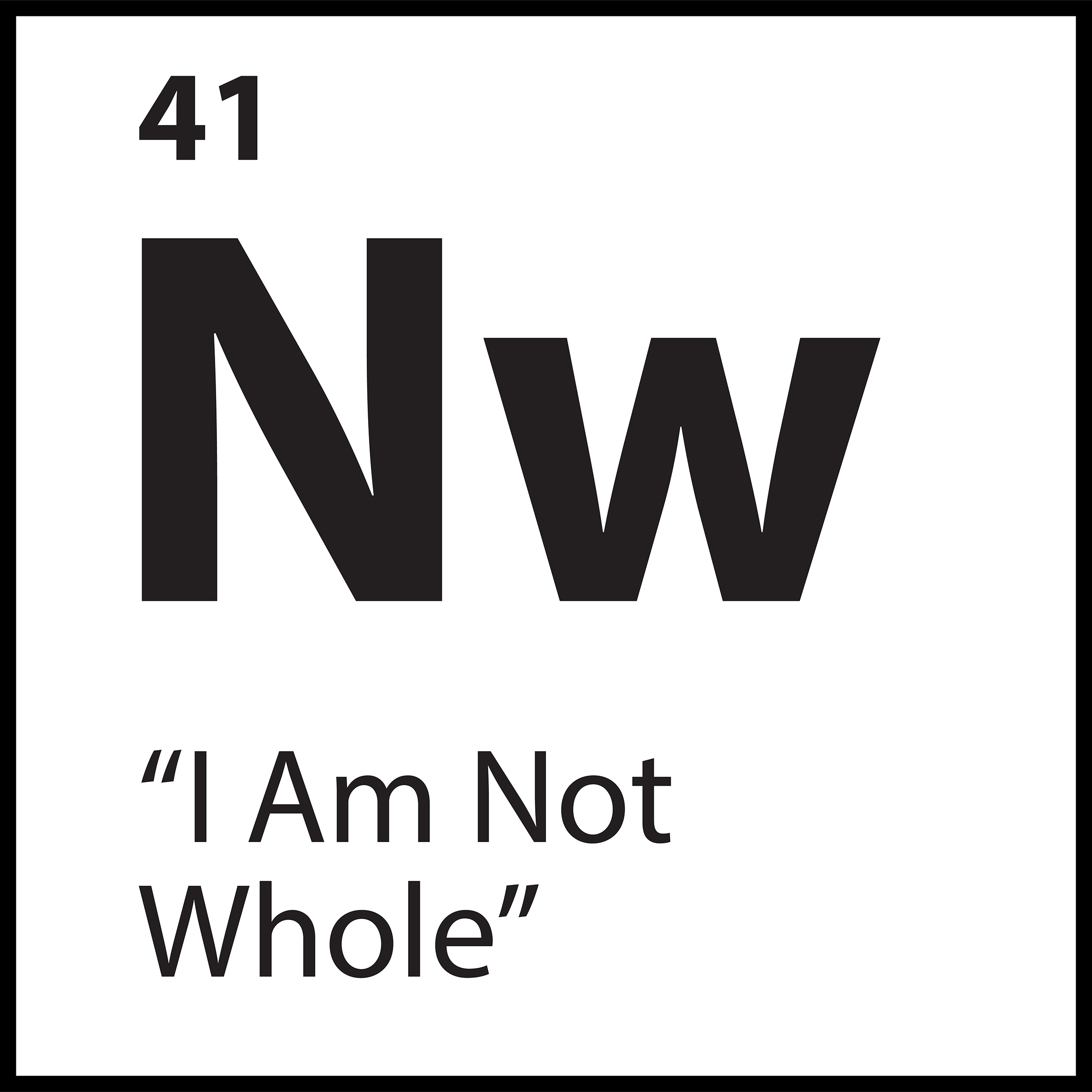
“I Am Not Whole” whispers that something essential is missing or broken inside you. It’s often shaped by emotional neglect, identity confusion, or environments where parts of you had to be hidden, disowned, or split off just to belong.
What It Sounds Like Internally:
- “There’s something missing in me.”
- “I can’t ever feel fully myself.”
- “Other people seem complete — I feel fractured.”
Where It Shows Up:
- Chronic self-doubt, even after personal growth
- Feeling like you’re performing a role instead of living authentically
- Struggling to name your wants, needs, or sense of identity
- Deep longing for a connection you can’t quite define
Common Emotional Triggers:
This belief doesn’t just suggest something’s missing; it convinces you that you’re fundamentally incomplete, broken, or fragmented at your core.
- Needing Help or Support. Depending on others emotionally, financially, or practically can feel like evidence that you’re defective or unfinished.
- Seeing Others Seem “Put Together”. Comparing yourself to people who appear calm, confident, or stable often intensifies the inner signal that you’re missing something essential.
- Being Asked “What Do You Want?” or “Who Are You?”. Questions about identity or preference may cause blankness or distress, as if there’s no coherent self to respond.
- Feeling Emotionally Numb or Fragmented. Struggling to connect to feelings, intuition, or direction can trigger this belief’s loop of internal absence.
- Therapy or Healing Work Feeling Ineffective. If growth doesn’t seem to stick, the conclusion may be that you’re too broken to change.
- Romantic Rejection or Ghosting. Being left or emotionally abandoned can trigger the deeper fear that people sense that something is wrong with you.
- Having Multiple “Selves” in Different Contexts. Shape-shifting across roles can lead to a sense that no real self exists, just versions performing.
- Sexual Trauma or Body Disconnection. Dissociation or shame around the body can further reinforce the feeling that parts of you are missing or untouchable.
- Not Knowing What You Want in Life. Ambivalence or confusion around purpose, passion, or goals can quickly spiral into identity fragmentation.
- Childhood Invalidations Around Emotions or Identity. Being told you’re too sensitive, dramatic, or not like the rest can fracture your inner sense of selfhood early on.
What It Can Lead To:
Unchecked, this belief often evolves into:
- “If they knew the real me, they’d leave.”
- “I have to be who they need me to be.”
- “No matter what I do, something always feels off.”
What Therapy Targets:
We don’t just work on self-esteem — we repair the internal split.
Through Pattern Reconditioning, we help the nervous system feel safe integrating the disowned parts of your personality, history, or emotions — so you can show up as a full, grounded version of yourself.
👉 Explore the Therapy Approach →
👉 See the Full Pattern Breakdown →