









































































Where this belief fits
Schema Domain: Disconnection & Rejection
Lifetrap: Defectiveness / Shame
Non-Nurturing Elements™ (Precursors):
How this belief keeps repeating:
Evidence Pile
When this belief is active, the mind often points to a perceived lack of impact, significance, or recognition as evidence that one does not matter.
Show common “proof” items
- Contributions go unnoticed or unacknowledged
- Feeling easily replaceable or interchangeable
- Being overlooked in group settings
- Others not asking for opinions or input
- Achievements feeling insignificant or short-lived
- Comparisons where others seem more important or meaningful
Ongoing efforts to prove relevance or meaning can quietly drain emotional capacity, leading to numbness, emptiness, or exhaustion over time.
Show common signals
- Emotional flatness or disconnection
- Chronic fatigue without clear cause
- Loss of motivation or direction
- Sense of emptiness or “hollowness”
- Detachment from goals or relationships
- Feeling unseen even when present
When the strain becomes too much, the system may release by disengaging from effort, identity, or visibility altogether.
Show Opt-Out patterns
- Emotional withdrawal or shutdown
- Giving up on goals or aspirations
- Going through life on autopilot
- Avoiding visibility or responsibility
- Passive disengagement (“why bother”)
- Dissociation from wants, preferences, or opinions
This belief doesn’t shout. It whispers — quietly eroding your sense of self.
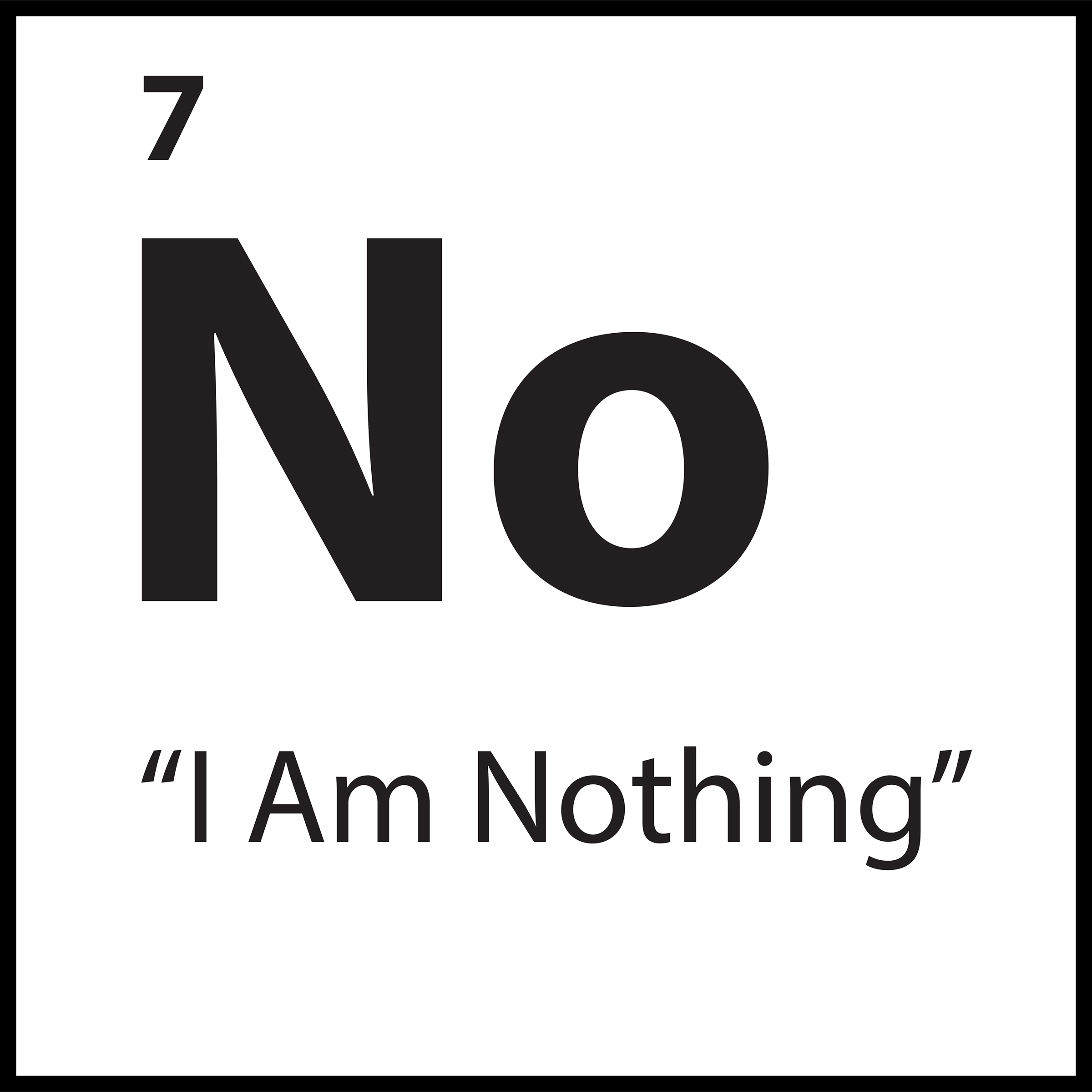
When “I Am Nothing” is active, even your wins feel empty. You second-guess your presence, minimize your needs, and sometimes feel like you’re just… occupying space.
It’s not just low self-esteem — it’s a disconnection from identity and self-worth.
What It Sounds Like Internally:
- “I don’t really matter.”
- “I’m just taking up space.”
- “Even if I disappeared, nothing would change.”
Where It Shows Up:
- Feeling unseen or forgotten in group settings
- Shrinking in conversations or relationships
- Avoiding decisions because “it doesn’t matter anyway”
- Numbing or disconnecting from ambition, purpose, or emotion
Common Emotional Triggers:
This belief strikes at the root of identity. Not just “not enough,” but a deep internal story that you lack value, presence, or even existence.
- Being Ignored or Overlooked. When people talk past you, forget your name, or exclude you, even accidentally, it lands as confirmation that you don’t register.
- Not Being Reflected Back. In relationships where there’s little curiosity, mirroring, or emotional attunement, the nervous system may default to emotional invisibility.
- Environments That Prioritize Status. Academic, professional, or social settings that emphasize power, prestige, or external validation can trigger collapse or masking.
- Silence in Response to Vulnerability. When you open up and are met with dismissal, discomfort, or silence, it reinforces the fear that your inner world doesn’t matter.
- Crisis Without Support. When you experience pain or trauma and no one checks in, the absence becomes louder than the event.
- Being Replaced or Forgotten. Seeing someone “move on,” change teams, or forget a memory you hold dear can trigger profound emptiness.
- Emotionally Flat or Abusive Caregivers. Early environments where presence wasn’t acknowledged, or was erased through gaslighting, often plant this belief.
This isn’t just about low self-worth. It’s a nervous system shaped by absence. Wired to believe your existence is negligible.
What It Can Lead To:
Unchecked, this belief often grows into:
- “My voice, feelings, and presence are a problem.”
- “If I assert myself, I’ll be rejected — or ridiculed.”
- “I have to earn my right to exist.”
What Therapy Targets:
We help you reconnect with identity — not one built from performance or perfection, but from worth that simply is.
Through Pattern Reconditioning, we break the loop that ties your existence to external validation. You don’t need to become “someone” to matter. You already do.
👉 Explore the Therapy Approach →
👉 See the Full Pattern Breakdown →