








































Where this belief fits
Schema Domain: Impaired Autonomy & Performance
Lifetrap: Vulnerability to Harm
Non-Nurturing Elements™ (Precursors):
How this belief keeps repeating:
Evidence Pile
When this belief is active, the mind scans for signs of exposure, sensitivity, or lack of protection and interprets them as evidence of being easily hurt, overwhelmed, or taken advantage of.
Show common “proof” items
- Strong emotional reactions to stress, conflict, or criticism
- Feeling physically or emotionally sensitive compared to others
- Past experiences of being hurt, overwhelmed, or unsupported
- Situations where boundaries were crossed or not respected
- Noticing dependence on others, systems, or conditions for safety
As evidence of exposure accumulates, internal pressure builds around fear, hypervigilance, and the need to stay guarded.
Show common signals
- Heightened anxiety or alertness
- Startle responses or hyperawareness
- Emotional defensiveness
- Difficulty relaxing or letting guard down
- Fear of being seen, known, or open
To reduce the risk of being hurt, the system shifts toward control, avoidance, or emotional armouring.
Show Opt-Out patterns
- Avoiding vulnerability or openness
- Emotional withdrawal or guardedness
- Over-controlling environments or relationships
- Staying hyper-independent
- Limiting exposure to people or situations
This belief doesn’t always scream — it whispers.
Whispers like: “Be careful,” “Don’t trust that,” “You’ll get hurt again.”
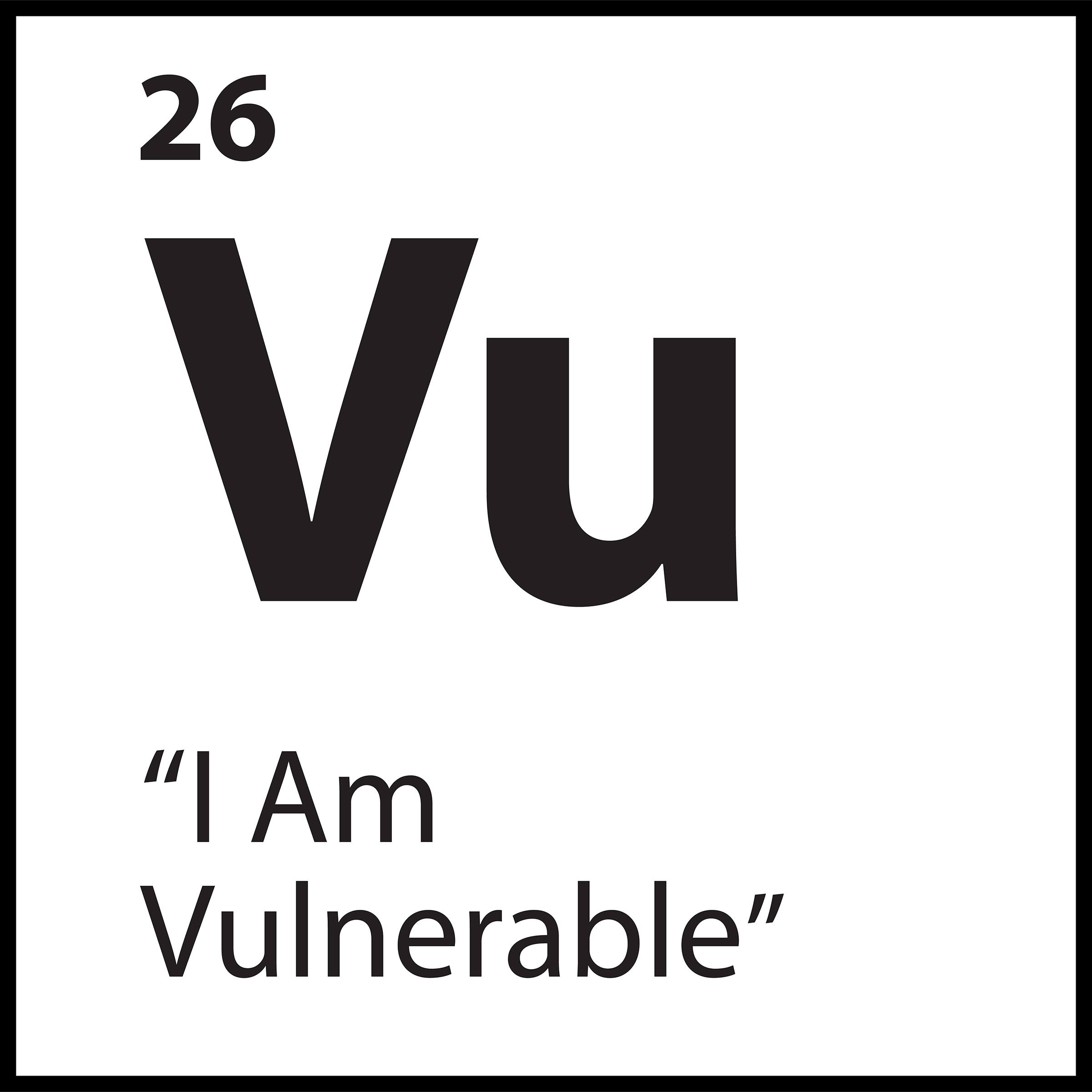
“I Am Vulnerable” creates a world where threats feel constant, even when none are present.
It tells your nervous system: stay small, stay alert, stay hidden.
What It Sounds Like Internally:
- “Something bad could happen at any time.”
- “I need to prepare for the worst.”
- “If I let go, I’ll lose control.”
Where It Shows Up:
- Chronic worry or catastrophizing
- Avoiding emotional intimacy or new experiences
- Scanning for signs of danger, even in safe environments
- Feeling exposed when others see the “real” you
Common Emotional Triggers:
This limiting belief doesn’t just make you cautious; it installs a nervous system that’s always scanning for danger, convinced that safety is temporary or conditional.
- Unexpected Change. Even minor disruptions, such as cancelled plans, new environments, or shifting roles, can feel deeply destabilizing.
- Criticism or Disagreement. Even neutral feedback can trigger a sense of exposure, as though someone has found your weak spot.
- Medical Appointments or Health Flares. These can reignite early helplessness or panic about the body, illness, or mortality.
- Large Crowds or Public Spaces. Environments you can’t control often provoke hypervigilance, anxiety, or the urge to escape.
- Opening Up Emotionally. Vulnerability in relationships, even healthy ones, may feel unsafe, like an open door for abandonment, betrayal, or harm.
- News or World Events. Stories about violence, illness, or tragedy can feel personal, as if they confirm a deep sense that the world isn’t safe.
- Authority Figures. Doctors, bosses, police, or therapists may unconsciously trigger old powerlessness or dependency fears.
- Childhood Experiences of Danger or Neglect. Environments where you had to fend for yourself, emotionally or physically, often plant this belief early.
This belief keeps your nervous system on high alert, not because you’re dramatic, but because some part of you never got to feel truly protected.
What It Can Lead To:
Over time, this belief often builds into:
- “It’s safer to be alone than hurt again.”
- “If I trust people, I’ll be blindsided.”
- “If I slow down, I’ll lose control.”
What Therapy Targets:
We don’t teach you to ignore risk.
We help you rewire your perception of it — so your nervous system stops responding to life like it’s an emergency.
Through Pattern Reconditioning, we help rebuild a baseline of safety and regulation, so you can take healthy risks and trust yourself again.
👉 Explore the Therapy Approach →
👉 See the Full Pattern Breakdown →