































































Where this belief fits
Schema Domain: Disconnection & Rejection
Lifetrap: Defectiveness / Shame
Non-Nurturing Elements™ (Precursors):
How this belief keeps repeating:
Evidence Pile
When this belief is active, the mind often points to mistakes, harm caused to others, or perceived moral failures as evidence that one’s character is fundamentally bad.
Show common “proof” items
- Remembering moments where someone was hurt, disappointed, or upset
- Past behaviours recalled without context or nuance
- Holding oneself to rigid moral standards
- Feeling intense guilt or shame after normal human errors
- Interpreting others’ boundaries or reactions as moral judgement
- Comparing oneself to an idealized version of “good people”
- Thoughts like “If they really knew me, they’d see how bad I am”
Constant self-surveillance and moral self-judgement can create intense emotional strain, often experienced as guilt, shame, or inner tension.
Show common signals
- Persistent guilt even when nothing is “wrong”
- Shame spirals after minor mistakes
- Anxiety about causing harm or offence
- Mental replaying of past actions
- Emotional exhaustion from self-policing
- Difficulty trusting one’s intentions
When the strain becomes too much, the system may release by withdrawing, self-punishing, or limiting engagement to reduce the risk of moral failure.
Show Opt-Out patterns
- Self-punishment (withholding rest, care, or pleasure)
- Pre-emptive withdrawal from closeness or responsibility
- Rigid over-compliance / moral over-correction leading to strain or rupture
- Self-silencing that erodes connection and authenticity
- Avoidance of visibility or responsibility
- Compulsive, self-punitive apologizing that creates discomfort or distance
- Confessional over-disclosure that overwhelms others
This belief isn’t loud.
It’s heavy.
It lives under moments of self-doubt, moral anxiety, and the fear that if people really knew you — they’d walk away.
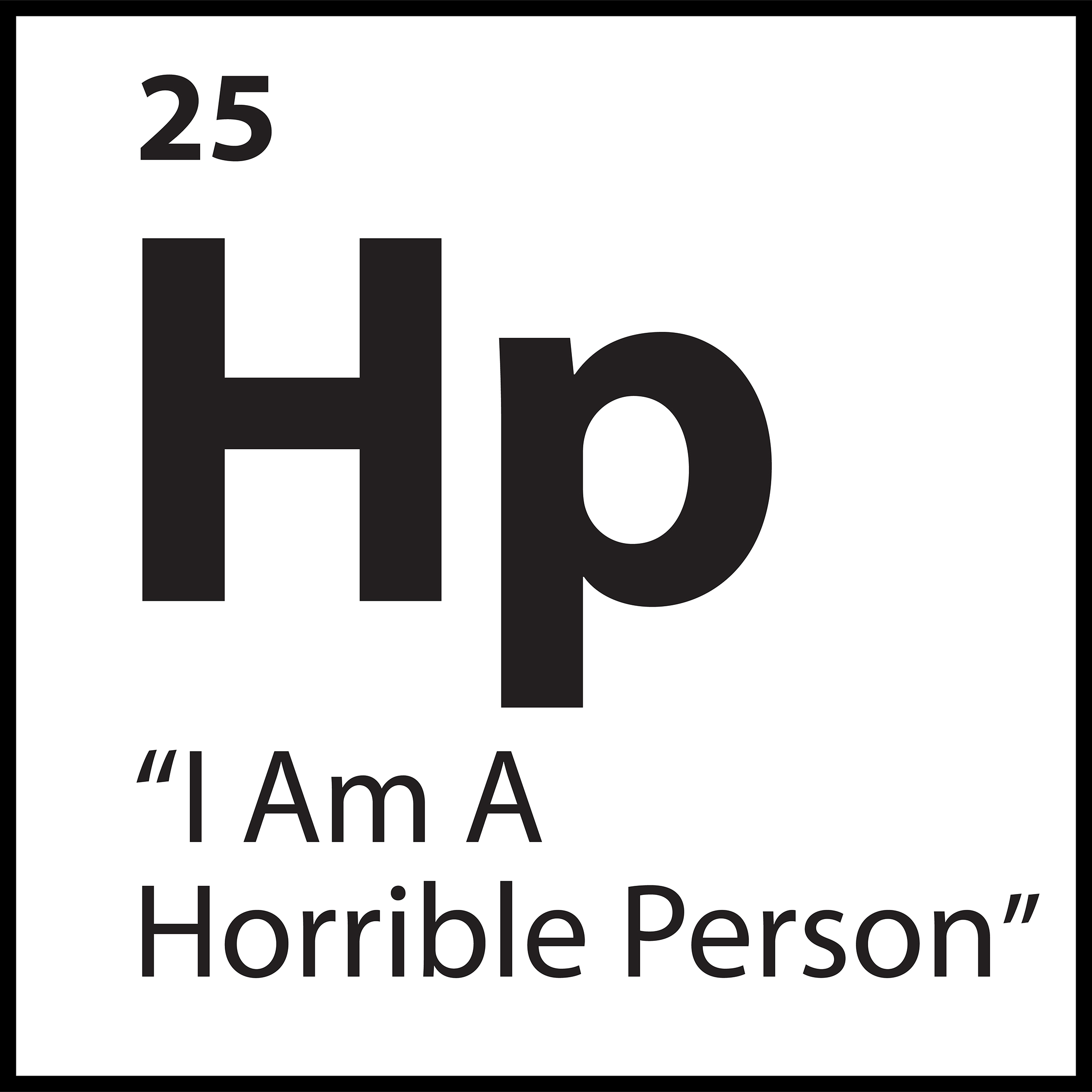
“I Am A Horrible Person” isn’t always based on what you’ve done.
It’s based on a deep fear of what you are.
What It Sounds Like Internally:
- “They’d hate me if they knew the truth.”
- “I always ruin things eventually.”
- “I can’t forgive myself — even if others can.”
Where It Shows Up:
- Chronic guilt that feels disproportionate to your actions
- Self-sabotage after success or connection
- Hypervigilance around how others perceive you
- Emotional shutdown when praised, loved, or trusted
Common Emotional Triggers:
This belief doesn’t just produce guilt; it shapes your identity through a lens of hidden wrongdoing, where you’re always one slip away from “being exposed.”
- Minor Social Missteps. A poorly worded message, a forgotten invite, or a missed cue can trigger a flood of shame that feels out of proportion.
- Past Mistakes (Even Small Ones). Regret loops replay old behaviour as damning evidence, even when others have long moved on.
- Being Called Out (Or Imagining It). The mere idea of someone being upset with you can spiral into emotional panic and internal accusations.
- Feeling Anger or Irritation. When you’re upset, the emotional response itself can feel dangerous, as though “good people don’t feel this way.”
- Trying to Set Boundaries. Asserting your needs may feel like you’re being selfish, cruel, or manipulative, reinforcing the belief that you’re bad deep down.
- Empathy Overload. Feeling others’ pain too intensely can morph into self-blame, even when the situation had nothing to do with you.
- Childhood Accusations or Punishments. If you were frequently blamed, harshly disciplined, or labelled as “bad,” this belief often calcifies early.
- Relational Conflict. Even healthy disagreements can feel intolerable, as though you’ve inflicted harm simply by being imperfect.
This belief can make apology compulsive, trust difficult, and self-compassion feel dishonest, as though you must atone endlessly just for being who you are.
What It Can Lead To:
Unchecked, this belief often evolves into:
- “Punishing myself is the only responsible thing to do.”
- “If I let people get close, I’ll hurt them.”
- “If I feel good, I must be ignoring something bad.”
What Therapy Targets:
This isn’t about convincing you you’re a “good person.”
It’s about helping your nervous system release the need for punishment, fear, and constant moral self-monitoring.
Through Pattern Reconditioning, we shift your internal response from shame to responsibility — and from fear of harm to capacity for care.
👉 Explore the Therapy Approach →
👉 See the Full Pattern Breakdown →