









































































Where this belief fits
Schema Domain: Disconnection & Rejection
Lifetrap: Defectiveness / Shame
Non-Nurturing Elements™ (Precursors):
How this belief keeps repeating:
Evidence Pile
When this belief is active, the mind points to mistakes, selfish thoughts, boundary-setting, or moments of impact on others as evidence that one’s character is fundamentally bad.
Show common “proof” items
- Remembering times one disappointed or upset someone
- Having negative thoughts, impulses, or emotions
- Setting boundaries and seeing others react poorly
- Not living up to internal standards of “goodness”
- Feeling relief, anger, or resentment and judging that as bad
- Comparing oneself to people who seem more generous or kind
- Interpreting conflict as evidence of character failure
Constantly monitoring one’s character and intentions creates internal strain, often experienced as guilt, tension, or self-criticism over time.
Show common signals
- Chronic self-judgement
- Tightness when asserting needs
- Mental replay of interactions
- Anxiety about causing harm
- Feeling morally “on edge”
Pressure is released through self-suppression and over-compensation, which creates relational strain that reinforces the belief of being a bad person.
Show Opt-Out patterns
- Chronic self-suppression
- Over-compensation through niceness or giving
- Avoidance of boundaries
- Compulsive emotional repairing
- Self-punishment
- Rumination followed by withdrawal
This belief doesn’t show up as villainy.
It shows up as over-apologizing.
As hiding your real opinions.
As assuming you’re the one in the wrong — even when you’re not.
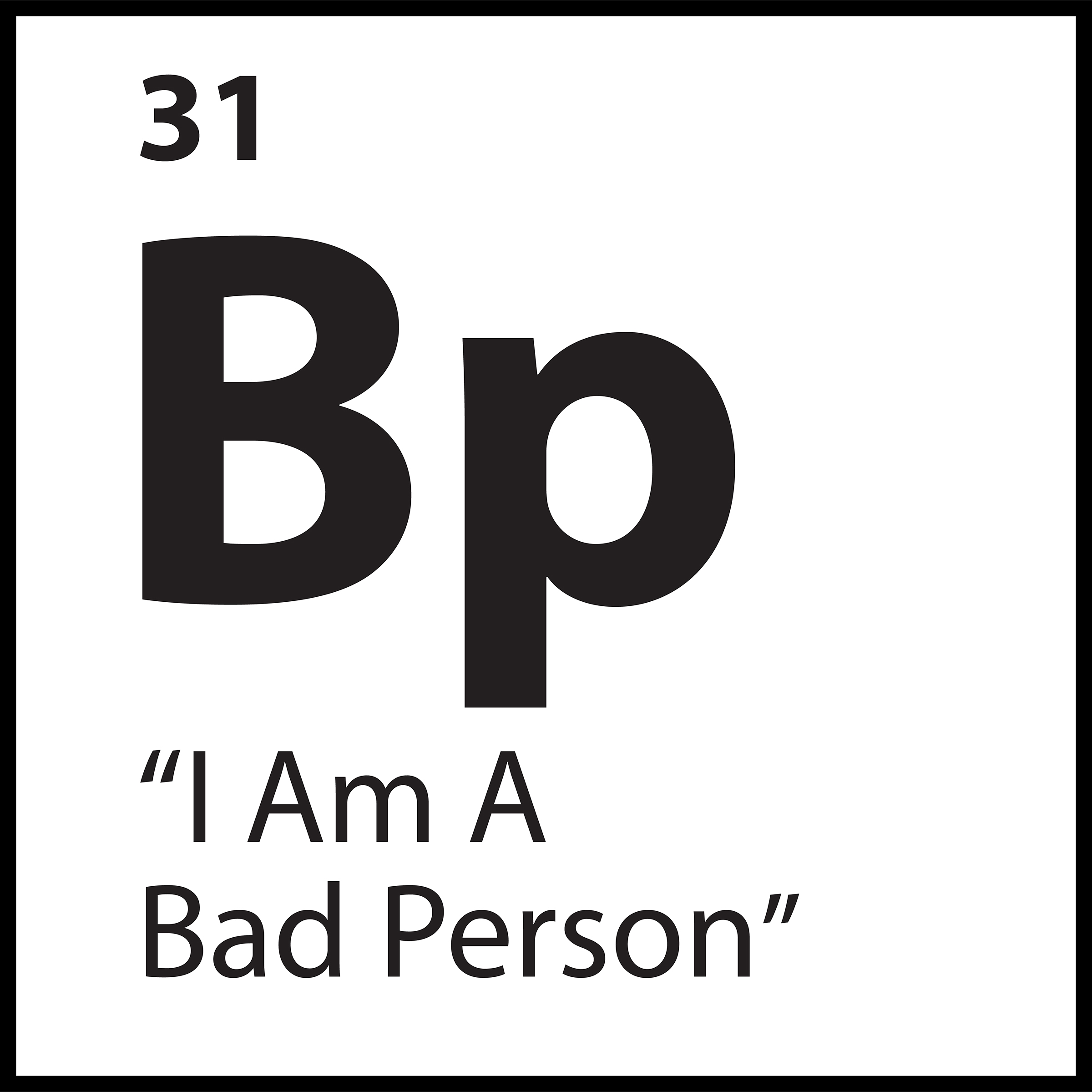
“I Am A Bad Person” isn’t about what you do.
It’s about who you believe you are underneath it all.
What It Sounds Like Internally:
- “I don’t deserve forgiveness.”
- “If they really knew me, they’d leave.”
- “I’m inherently flawed — I just hide it well.”
Where It Shows Up:
- Chronic guilt or over-responsibility
- Self-sabotage in relationships or success
- Avoiding vulnerability out of fear of being “exposed”
- Difficulty receiving praise or feeling truly seen
Common Emotional Triggers:
This belief doesn’t just create guilt; it plants the idea that at your core, you’re morally defective, dangerous, or corrupt.
- Causing Discomfort in Others. If someone seems hurt, annoyed, or disappointed, your first instinct might be to ask what you did wrong.
- Remembering Past Mistakes. Regret doesn’t feel like a moment; it feels like confirmation of a deeper flaw you’ll never escape.
- Being Confronted or Accused. Even minor feedback can unleash a wave of shame, as if your worst fear, that you’re fundamentally bad, is being exposed.
- Moral Discussions or Opinions. Hearing others talk about wrongdoing or integrity might trigger deep internal conflict or defensiveness.
- Moments of Anger or Selfishness. Reacting, even appropriately, can feel unsafe, as if any intensity is proof of your moral failure.
- Religious or Cultural Teachings About Sin or Purity. Early exposure to rigid morality can embed the belief that you’re inherently wrong or unclean.
- Parenting or Leadership Roles. Being responsible for others may activate hypervigilance about causing harm, or fear of being discovered as unworthy.
- Intrusive Thoughts. Unwanted mental images or impulses may not be seen as meaningless; they’re taken as evidence of inner depravity.
- Childhood Punishments That Shamed the Self, Not the Behaviour. Being told you were bad, rather than that something you did was harmful, wires the belief early and deeply.
This belief turns everyday moments into ethical minefields, where mistakes aren’t just mistakes, they’re evidence you don’t deserve connection or trust.
What It Can Lead To:
Unchecked, this belief often mutates into:
- “If I’m not perfect, I’m dangerous.”
- “If I succeed, I’ll hurt people.”
- “If I let them in, they’ll hate what they find.”
What Therapy Targets:
We don’t try to “justify” your goodness.
We recondition the part of your brain that sees connection, softness, or success as risky.
Pattern Reconditioning helps untangle shame from identity — and replaces fear with regulated confidence.
👉 Explore the Therapy Approach →
👉 See the Full Pattern Breakdown →