


























































Where this belief fits
Schema Domain: Disconnection & Rejection
Lifetrap: Defectiveness / Shame
Non-Nurturing Elements™ (Precursors):
How this belief keeps repeating:
Evidence Pile
When this belief is active, the mind often points to moments of rejection, regret, or suffering as evidence that one’s existence itself is flawed or unintended.
Show common “proof” items
- Being told (directly or indirectly) that one was a burden or problem
- Feeling like life would be easier for others without one’s presence
- Repeated experiences of rejection or conflict
- Being blamed for family stress or relational breakdowns
- Comparing oneself to an “ideal” version that never materialized
- Interpreting hardship as proof of personal defect
- Internal narratives like “I shouldn’t be here” or “I was never meant to exist”
Carrying the sense that one’s existence is fundamentally wrong can create deep emotional strain, often experienced as heaviness, shame, or quiet despair.
Show common signals
- Persistent shame or self-disgust
- Emotional numbness or collapse
- Feeling disconnected from identity or purpose
- Chronic guilt without clear cause
- Low vitality or sense of being “hollow”
- Difficulty imagining a future self
When the strain becomes overwhelming, the system may release by reducing presence, expression, or engagement with life.
Show Opt-Out patterns
- Emotional shutdown or dissociation
- Avoiding relationships or attachment
- Minimizing needs, wants, or preferences
- Withdrawing from responsibility or opportunity
- Passive disengagement from life goals
- Self-erasure through compliance or invisibility
This isn’t just a belief.
It’s a sentence.
A deep, quiet conclusion that says: “I shouldn’t be here.”
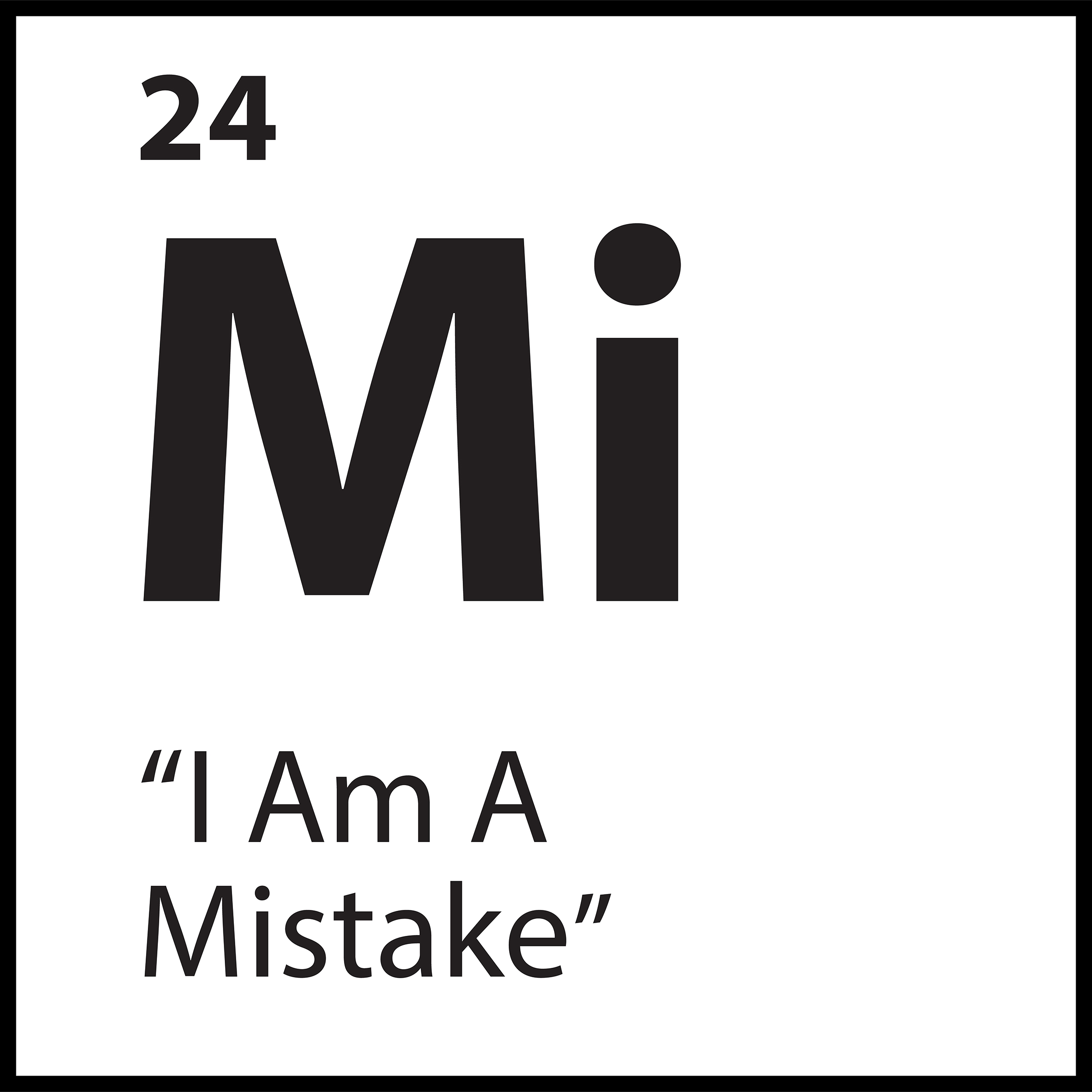
“I Am A Mistake” doesn’t stem from what you’ve done — it stems from who you think you are.
And it echoes through every moment of guilt, shame, and self-erasure.
What It Sounds Like Internally:
- “I ruin things just by being involved.”
- “They’d be better off without me.”
- “I was never supposed to exist.”
Where It Shows Up:
- Struggling to accept love or care without guilt
- Apologizing for simply existing or taking up space
- Intense shame after small missteps
- Feeling like you always overstay your welcome
Common Emotional Triggers:
This belief doesn’t just cause insecurity; it embeds a sense that your very existence is an error, creating chronic shame and disorientation in identity.
- Making Any Mistake (Big or Small). A typo, misstep, or awkward moment doesn’t just feel inconvenient; it feels existentially shameful.
- Asking for Reassurance. When you need confirmation or support, it may trigger fear that you’re a burden, or a reminder that you shouldn’t even be here.
- Conflict or Emotional Intensity. Strong emotions can make you feel “too much” or “out of control,” reinforcing a story that your wiring is broken.
- Childhood Echoes (“You Were an Accident”). Being told or subtly shown that you weren’t planned or weren’t wanted often seeds this belief early.
- Being Overlooked or Left Out. Not being chosen, included, or prioritised can feel like proof that your place in the world was never solid to begin with.
- Moments of Visibility. Praise, public speaking, or being “seen” can paradoxically trigger discomfort, as if attention might expose your underlying wrongness.
- Self-Sabotage or Withdrawal. When you isolate, give up, or push others away, it can feel internally aligned with the idea that you “shouldn’t be here anyway.”
- Survivor Guilt or Existential Grief. Feeling guilt for existing, especially when others didn’t get the same chances, often accompanies this belief.
This belief creates an invisible weight, a quiet emotional logic that says: “No matter what I do, I wasn’t supposed to be here in the first place.”
What It Can Lead To:
Unchecked, this belief often evolves into:
- “There’s something wrong with my existence.”
- “Needing support makes me a burden.”
- “If I disappear, things will be better.”
What Therapy Targets:
This isn’t about boosting self-esteem.
It’s about neutralizing existential shame — at the nervous system level.
Through Pattern Reconditioning, we work to change the deep associations your brain has formed between existence and guilt.
So you can stop surviving your own presence — and start living it.
👉 Explore the Therapy Approach →
👉 See the Full Pattern Breakdown →