










































































Where this belief fits
Schema Domain: Impaired Autonomy & Performance
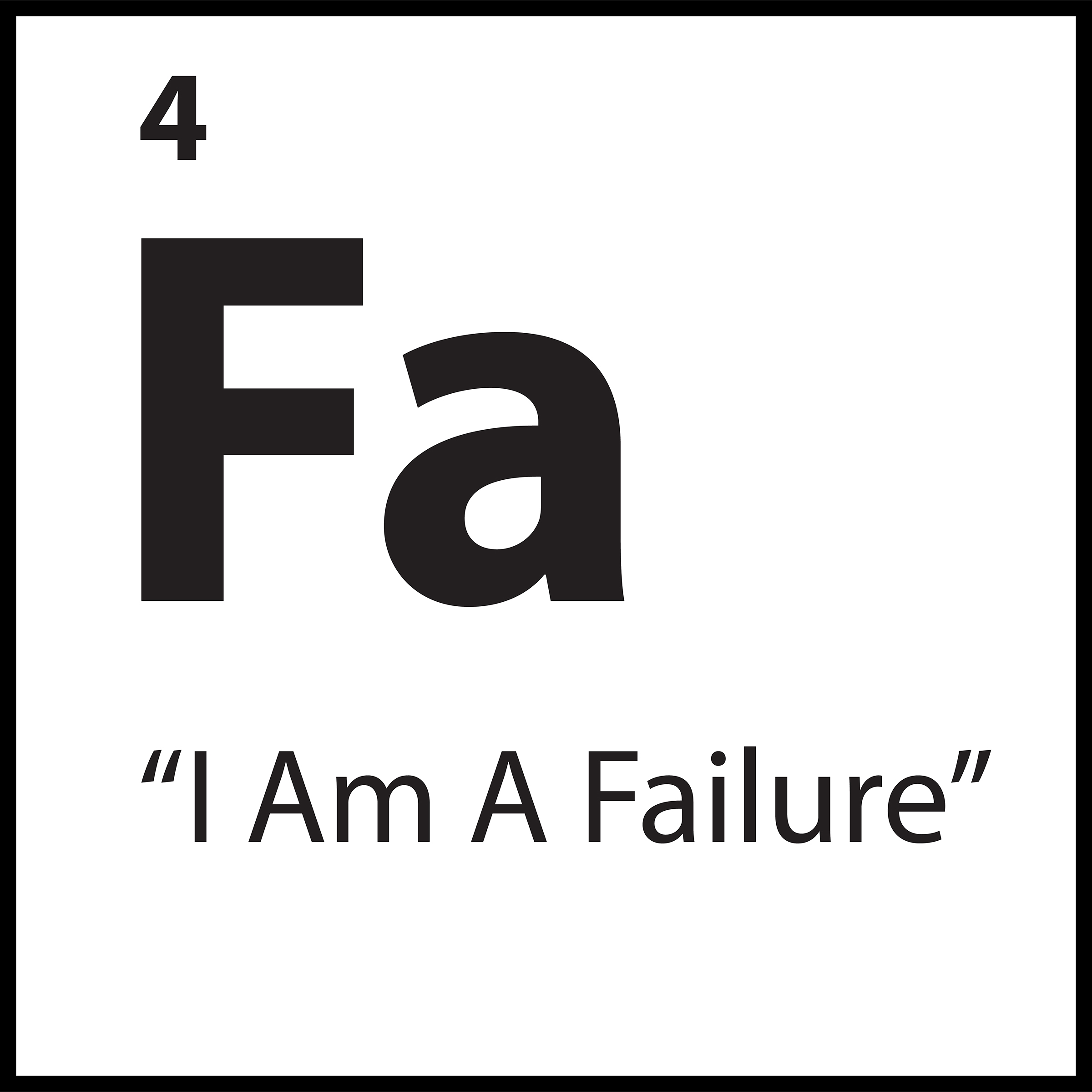
Lifetrap: Failure
Non-Nurturing Elements™ (Precursors):
How this belief keeps repeating:
Evidence Pile
When this belief is active, the mind reviews outcomes that fell short of expectations and interprets them as proof of personal failure rather than information, timing, or learning.
Show common “proof” items
- Goals that were not achieved or plans that did not work out as intended
- Setbacks, mistakes, or perceived underperformance in work, school, or relationships
- Comparing your progress to others who appear more successful or ahead
- Feedback, criticism, or consequences that feel like confirmation of inadequacy
- Repeated attempts that required adjustment, redirection, or starting over
The nervous system tracks outcomes and results, interpreting setbacks, slow progress, or unmet expectations as confirmation that efforts ultimately lead to failure.
Show common signals
- Intense reaction to mistakes, setbacks, or unmet goals
- Interpreting temporary difficulties as evidence of permanent failure
- All-or-nothing thinking around success (“If I didn’t succeed, I failed”)
- Difficulty acknowledging progress unless it ends in a clear win
- Shame or collapse after effort, even when effort was reasonable
Relief comes from reducing exposure to possible failure—either by avoiding risk altogether or disengaging before an outcome can define them.
Show Opt-Out patterns
- Procrastination or avoidance of tasks tied to identity or evaluation
- Quitting early or not fully committing to preserve self-image
- Downplaying goals or effort (“I didn’t really care anyway”)
- Self-sabotage that provides an explanation for failure
- Cycling between over-effort and total withdrawal
This belief doesn’t just sting — it settles in.
It’s not about failing at something. It’s about being a failure. Even when you succeed, it doesn’t feel like it counts. You’re waiting to be found out, waiting for it all to collapse.
This belief becomes the lens — and everything you do gets filtered through it.
What It Sounds Like Internally:
- “It’s only a matter of time before I mess it up.”
- “They overestimated me.”
- “Nothing I do really works out.”
Where It Shows Up:
- Procrastination from fear of doing it wrong
- Overcompensating by working harder, longer, or without breaks
- Downplaying success or brushing off praise
- Avoiding risks because the stakes feel too high
Common Emotional Triggers:
This belief doesn’t just surface after mistakes. It quietly reinterprets your entire identity through the lens of inadequacy and collapse.
- Making a Mistake (Big or Small). Even minor errors can feel like total defeat, triggering shame, rumination, or spirals of self-criticism.
- Not Meeting Goals or Deadlines. Missing a mark, even an internal one, may feel like evidence that you’re fundamentally incapable.
- Feedback or Evaluation. Performance reviews, report cards, or even a neutral “note” can trigger panic, embarrassment, or dread.
- Seeing Others Succeed. Achievement in others may feel like a mirror of your shortcomings, reinforcing the internal belief you’re behind.
- Trying Something New. Any risk of failure, starting a business, learning a skill, dating, can provoke avoidance or pre-emptive shutdown.
- Being Asked About Progress. Questions like “How’s it going?” or “What’s next?” may create defensiveness, guilt, or the urge to withdraw.
This belief turns effort into threat. Making progress feel dangerous, because any imperfection “proves” what you already fear: you’re not enough.
What It Can Lead To:
Unchecked, this belief often evolves into:
- “If I can’t do it perfectly, I shouldn’t do it at all.”
- “Other people are just more capable.”
- “I’ll never catch up.”
Instead of being a bump in the road, failure becomes an identity — something you carry, not something you learn from.
What Therapy Targets:
We don’t just help you cope with the fear of failure. We rewire the belief at the root of it.
With Pattern Reconditioning, therapy helps you respond to failure — and success — with self-trust instead of self-sabotage.
👉 Explore the Therapy Approach →
👉 See the Full Pattern Breakdown →