











































































Chronic Comparison & Status Sensitivity
A recurring pattern where you keep measuring yourself against other people and react strongly to cues about rank, approval, criticism, or falling behind. Over time, comparison stops feeling neutral and starts feeling like a test of worth, belonging, and adequacy.
Chronic comparison isn’t insecurity — it’s a recurring pattern where you measure yourself against other people and react strongly to cues about rank, approval, or falling behind. Status cues stop feeling neutral and start carrying emotional weight. Worth gets tied to performance, and proving yourself temporarily calms the tension without resolving it.
Chronic comparison means the mind keeps using other people as measuring sticks. Status sensitivity means cues about rank, approval, visibility, competence, and belonging land with extra weight. Together, they create a recurring pattern where everyday situations – performance reviews, social media, group conversations, milestones, or even silence – start to feel like evidence about whether you measure up. In the ShiftGrit framing, this is not only about confidence; it often reflects a deeper not-good-enough pattern. Comparison supplies the reference points, status sensitivity supplies the emotional charge, and the two together keep self-worth tied to performance, approval, or position. That is why someone can look capable from the outside while feeling internally preoccupied with where they stand.
Comparison becomes a measuring system
Chronic comparison turns other people into reference points for competence, attractiveness, success, confidence, or emotional resilience. Instead of noticing differences neutrally, you may start treating them as evidence about where you rank and whether you are enough.
Status cues carry emotional weight
Status sensitivity adds intensity to moments involving approval, criticism, visibility, rank, attention, or exclusion. Feedback, silence, promotions, social signals, or someone else's success can start to feel like loaded information about worth, belonging, and where you stand.
Mistakes land as identity statements
In this pattern, a small error or imperfect outcome can quickly turn into a larger conclusion about who you are. Rather than staying an event to learn from, it can feel like proof that you are inadequate, behind, or at risk of being judged.
Proving temporarily calms the tension
Overpreparing, overworking, self-improving, reassurance-seeking, or pushing yourself harder can bring short-term relief. The problem is that relief often comes from doing more, which quietly reinforces the sense that adequacy must be earned instead of already being secure.
High functioning can hide the struggle
Someone can look capable, driven, or accomplished while still feeling chronically preoccupied with whether they measure up. Because the coping often looks productive from the outside, the deeper self-worth pressure can be easy to miss.
Inner statements
If they are ahead, I must be falling behind.
People in competitive workplaces, achievement-focused friend groups, or milestone-heavy seasons of life.
That feedback probably means they can see I am not as capable as I look.
High-functioning people whose self-worth gets tied to performance, approval, or being seen as competent.
I should not need this much effort just to be enough.
People shaped by chronic criticism, high expectations, or environments where adequacy felt conditional.
Even after I do well, I cannot really relax because I might lose my place.
People who get brief relief from success or reassurance but quickly return to self-monitoring.
Common questions
Is this just low confidence, or is it a deeper self-worth pattern?
It can look like low confidence, but Chronic Comparison & Status Sensitivity often goes deeper. The issue is not only doubting your abilities; it is that comparison, feedback, or status cues can start to feel like verdicts on your worth. That is why the pattern can stay active even when you are capable or outwardly successful.
Why do small mistakes feel like proof that I am not good enough?
In this pattern, mistakes are often filtered through a not-good-enough meaning system rather than treated as one limited event. The mind starts gathering evidence from flaws, criticism, silence, or imperfect outcomes, so a small error can feel much larger than it objectively is. What happened gets fused with what it seems to say about you.
Why do I keep comparing myself to other people even when it makes me feel worse?
Comparison can act like a monitoring strategy. The mind is trying to figure out where you stand, whether you belong, and whether you are safe from falling behind or being judged. It may feel useful in the moment, but when self-worth gets tied to the result, comparison usually creates more pressure rather than clarity.
Can someone look high-functioning and still be stuck in this loop?
Yes. Many people manage the discomfort by becoming highly prepared, productive, helpful, polished, or driven. From the outside, that can read as competence or ambition. Internally, though, the effort may be fueled by vigilance and the fear that if you stop proving yourself, your value or status will drop.
From The Shift Show
This pattern often shows up in small ordinary moments rather than dramatic breakdowns. It can appear while scrolling social media, hearing a colleague’s update, getting feedback, entering a group conversation, noticing someone’s confidence, or thinking about milestones you believe you should have reached by now. Chronic comparison keeps scanning for where you stand. Status sensitivity makes those cues feel personally significant. The result can be a steady background of self-monitoring, pressure, and attempts to regain relief by improving, proving, checking, or avoiding exposure.
In your thoughts
- Mentally ranking yourself against people who seem more successful, attractive, capable, or confident.
- Fixating on who is ahead, behind, noticed, promoted, chosen, or admired.
- Using someone else's strengths as evidence that you are lacking.
- Replaying conversations, feedback, or outcomes to decide what they said about your standing.
- Feeling behind in competence, confidence, or life progress.
In your body and nervous system
- Feeling on guard before reviews, group settings, or situations where you may be evaluated.
- Difficulty feeling settled after praise, reassurance, or a good result.
- A sense of exposure even when you are doing well.
- Tension rising quickly after criticism, silence, or an imperfect result.
- Staying internally braced around performance, approval, or visibility.
In your behaviour
- Overpreparing, overworking, or polishing to reduce the risk of falling short.
- Seeking reassurance, validation, or signs that you are still accepted or respected.
- Pushing yourself with harsh self-criticism to stay motivated.
- Avoiding situations where your performance, confidence, or status might be judged.
- Holding back unless you think you can do something well enough.
In relationships and social spaces
- Reading other people's confidence, success, or attention as a reflection on your own worth.
- Interpreting silence, delayed replies, or lukewarm reactions as signs you do not measure up.
- Struggling to fully enjoy other people's wins without also feeling diminished.
- Becoming more self-conscious around people you perceive as high-status or highly competent.
- Getting pulled into online or offline comparison loops after seeing curated success or popularity.
At work or school
- Treating feedback, grades, performance reviews, or results like verdicts on who you are.
- Feeling that one mistake says more about you than a string of competent moments.
- Hesitating to speak, apply, submit, or try unless you feel exceptionally prepared.
- Chasing more achievement, discipline, or productivity to quiet self-doubt.
- Moving the standard upward quickly after success so adequacy never feels secure.
When it tends to show up
It often flares in performance and visibility situations: reviews, interviews, social media, group settings, achievement milestones, or any moment when someone else seems more confident, successful, attractive, or settled. It can also intensify after criticism, silence, disappointing results, or periods when identity feels uncertain and the question of where you stand feels especially loaded.
In the ShiftGrit frame, this concern is not explained only by insecurity or confidence problems. The displayed teaching belief is I Am Not Good Enough. When that belief gets activated, chronic comparison supplies constant reference points and status sensitivity gives those reference points emotional charge. Other people’s strengths, approval, attention, rank, or progress can start to feel like evidence about your own adequacy. The mind then scans for shortcomings, mistakes, and signs that you are behind, while the nervous system shifts into evaluation mode. That pressure creates an urge to fix the feeling quickly by proving, improving, checking, or avoiding judgment. Those strategies can reduce tension for a moment, but because relief comes from doing more, the deeper message stays intact: worth still feels conditional and earned.
A common loop
Triggering cue
A comparison moment, criticism, imperfect result, silence, or status-sensitive situation raises the question of whether you measure up.
Meaning through the belief
The moment is filtered through not-good-enough meaning, so it feels like more than one event. It starts to say something about your worth, belonging, or adequacy.
Evidence scanning
Attention narrows toward flaws, other people's advantages, missed standards, and past failures. The mind starts building a case that you are behind or lacking.
Pressure and self-monitoring
The body-mind system shifts into evaluation mode. You watch yourself more closely, become more sensitive to feedback, and feel urgency to repair or compensate.
Relief strategy
You try to get relief through overpreparing, overworking, self-improving, reassurance-seeking, harsh self-pushing, or avoiding situations where you might be judged.
Reinforcement
Because the distress dropped after proving or protecting yourself, the system learns that adequacy must be secured. The next comparison cue lands even harder.
This pattern often keeps the nervous system oriented toward evaluation. When performance, approval, and outcomes are treated like tests of worth, ordinary situations can feel higher stakes than they look from the outside. You may become vigilant for criticism, silence, mistakes, or signs that someone else is ahead. That can create a chronic sense of bracing: watching yourself, scanning others, and struggling to settle even after a success or reassurance. Short-term relief from striving, checking, or avoiding can reduce tension in the moment, but it does not teach the system that you are safe without constant proof. If chronic criticism or unrelenting standards shaped earlier learning, the body-mind may stay especially sensitive to judgment, exposure, and perceived failure.
For this concern, the mapped beliefs are meant to explain why comparison and status cues can feel so loaded, not to label you or reduce you to a single thought. When these beliefs are active, other people’s success, criticism, approval, or silence can land as information about your worth, belonging, or adequacy. That helps explain why the pattern can feel stronger than ordinary insecurity and why it often persists even when you are high-functioning. The belief content shown in this tab is pulled from the approved specialty mapping for this concern. Think of it as a structural teaching lens: it helps name the inner meaning system that chronic comparison and status sensitivity keep activating, so the pattern makes more sense and can be worked with more clearly.
Limiting Beliefs Commonly Linked with Self Esteem Therapy
These identity-level patterns frequently show up for clients seeking self esteem therapy. Explore the beliefs to learn the “why” and how therapy can help you recondition them.

“I Am Not Good Enough”
“I’m Not Good Enough” isn’t just a negative thought — it’s a pattern formed by early experiences like criticism, neglect, or impossible expectations. This belief fuels perfectionism, people-pleasing,…
Explore this belief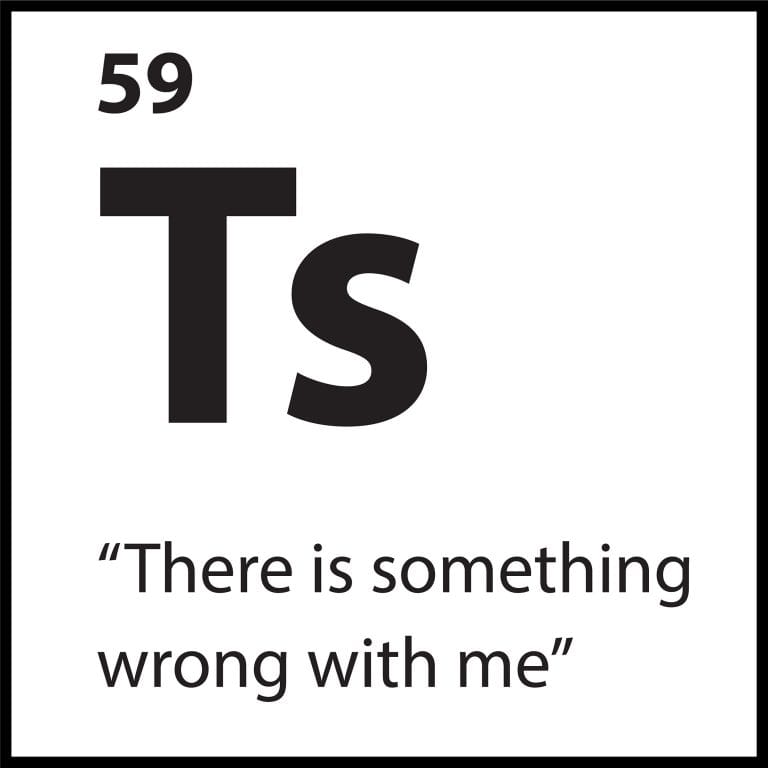
“There Is Something Wrong With Me”
A belief that quietly erodes self-trust. “There is something wrong with me” drives hypervigilance, shame, and the constant scanning for internal flaws. It’s not just insecurity — it’s…
Explore this belief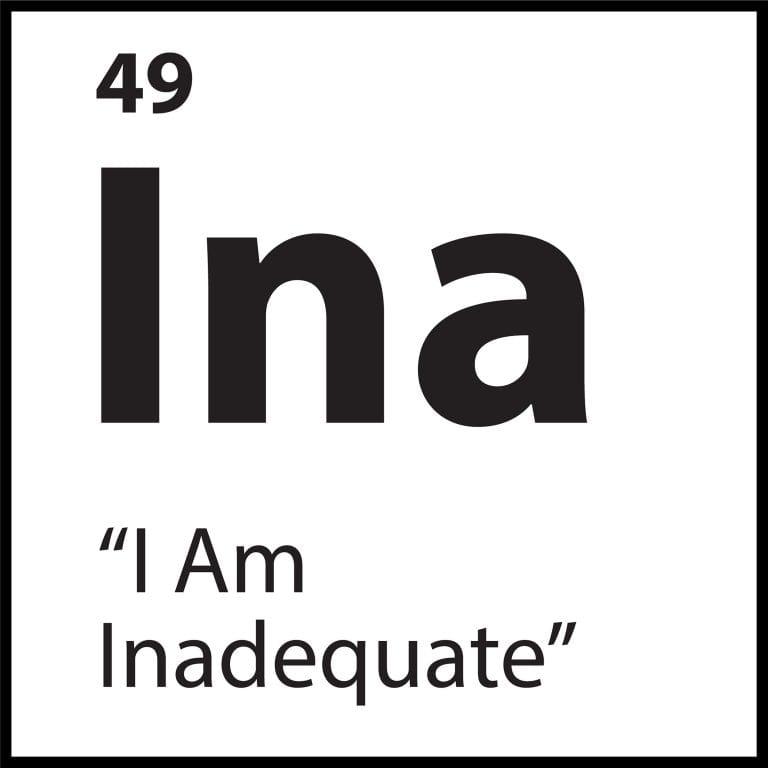
“I Am Inadequate”
Feeling like you're never enough? The belief “I Am Inadequate” often drives impostor syndrome, perfectionism, and chronic self-doubt. Learn how Identity-Level Therapy targets the root and rewires the…
Explore this beliefWant to see how these fit into the bigger pattern map? Explore our full Limiting Belief Library to browse all core beliefs by schema domain and Lifetrap.
Patterns like this usually do not appear out of nowhere. Chronic comparison and status sensitivity often take shape in environments where evaluation feels frequent, adequacy feels conditional, or status carries a lot of emotional weight. Over time, the system can learn to watch closely for how you are doing, how you are seen, and whether you are measuring up. That does not mean there is one single cause or that your story has to look a certain way. The purpose of this tab is to provide context for how self-worth patterns can be learned and reinforced across development, relationships, and culture. The origin material shown here comes from the approved specialty mapping rather than concern-specific invention.
“I Am Not Good Enough”
Schema Domain: Overvigilance & Inhibition
Lifetrap: Unrelenting Standards
Non-Nurturing Elements™ (Precursors)
“There Is Something Wrong With Me”
Schema Domain: Disconnection & Rejection
Lifetrap: Defectiveness / Shame
Non-Nurturing Elements™ (Precursors)
“I Am Inadequate”
Schema Domain: Impaired Autonomy & Performance
Lifetrap: Failure
Non-Nurturing Elements™ (Precursors)
This pattern tends to repeat because it can solve the immediate discomfort of not feeling good enough without resolving the deeper question underneath. Comparison can create tension, status cues can intensify it, and then proving, checking, self-improving, or pulling back can bring a short burst of relief. The nervous system learns that these moves help you get through the moment, so it keeps reaching for them. Unfortunately, that same relief can leave the original meaning intact: that worth, belonging, or adequacy still need to be secured. Over time, the pattern can become chronic and recurring, especially in work, relationships, and identity-heavy situations. The loop content shown in this tab is rendered from the approved specialty mapping.
“I Am Not Good Enough”
Evidence Pile
When this belief is active, the mind tends to scan for signs of inadequacy, mistakes, or perceived shortcomings, using them as evidence of personal deficiency.
Show common “proof” items
- Noticing mistakes, imperfections, or areas of struggle more than successes
- Interpreting criticism, feedback, or silence as confirmation of inadequacy
- Comparing abilities, confidence, or outcomes to others and coming up short
- Feeling behind others in competence, confidence, or emotional resilience
- Remembering past failures or embarrassing moments vividly
The nervous system stays oriented toward evaluation and self-monitoring, treating performance, approval, or outcomes as constant tests of worth.
Show common signals
- Persistent self-evaluation or internal comparison to standards or others
- Heightened sensitivity to feedback, mistakes, or perceived criticism
- Difficulty feeling settled after success or reassurance
- Interpreting effort or struggle as evidence of inadequacy
- Feeling exposed, fragile, or “found out” despite competence
Relief comes from striving, improving, or proving worth—temporarily easing discomfort while reinforcing the sense that adequacy must be earned.
Show Opt-Out patterns
- Overpreparing, overworking, or perfectionistic effort
- Seeking reassurance, validation, or external approval
- Avoiding situations where performance might be judged
- Self-criticism used as motivation ("pushing myself harder")
- Difficulty receiving praise without discounting it
“There Is Something Wrong With Me”
Evidence Pile
When this belief is active, the mind points to differences, difficulties, or repeated friction as evidence that something about oneself is fundamentally defective.
Show common “proof” items
- Feeling different without knowing why
- Struggling where others seem to cope more easily
- Repeated relational or work friction
- Strong emotions, needs, or reactions judged as abnormal
- Feedback that feels vague or confusing
- Comparing inner experience to others’ outer presentation
- Difficulty finding a single, clear explanation
Ongoing self-monitoring and searching for what is “wrong” can create internal strain, often experienced as anxiety, confusion, or chronic self-doubt.
Show common signals
- Persistent self-analysis
- Feeling fundamentally misaligned
- Mental looping without resolution
- Anxiety about being exposed
- Exhaustion from self-scrutiny
Pressure is released through self-scrutiny, fixing, masking, and withdrawal, which keeps attention on defect and reinforces the belief that something is wrong.
Show Opt-Out patterns
- Constant self-analysis or self-diagnosing
- Searching for labels or explanations
- Over-monitoring behaviour and reactions
- Trying to correct or fix the self
- Masking or performing normality
- Withdrawing to avoid being found out
- Avoiding situations that highlight difference
- Seeking reassurance about being okay
- Comparing oneself to “normal” others
- Attributing setbacks to personal defect
“I Am Inadequate”
Evidence Pile
When this belief is active, the mind scans for moments where demands feel higher than capacity and interprets struggle, learning curves, or effort as evidence of being fundamentally insufficient.
Show common “proof” items
- Tasks taking longer or requiring more effort than expected
- Needing guidance, clarification, or support
- Comparing one’s abilities to people who appear more competent or confident
- Feeling overwhelmed by expectations or responsibility
- Feedback that highlights gaps, growth areas, or missed details
As evidence of not measuring up accumulates, internal pressure builds around anxiety, self-doubt, and the fear of being exposed as incapable.
Show common signals
- Performance anxiety
- Persistent self-doubt
- Mental over-preparation or checking
- Fear of evaluation or feedback
- Shame about struggling
To reduce the risk of being revealed as inadequate, the system shifts toward avoidance, overcompensation, or self-limitation.
Show Opt-Out patterns
- Procrastination or avoidance of challenging tasks
- Overworking or perfectionism
- Staying in familiar roles or comfort zones
- Declining opportunities for growth
- Seeking excessive reassurance
Therapy for this concern usually focuses on the full pattern rather than only on confidence boosts. The goal is not to remove ambition or stop caring about your life; it is to reduce the way comparison, evaluation, and status cues keep getting translated into questions of worth.
What therapy often focuses on
Untangling worth from performance and status
Therapy may help identify the specific moments where competence, approval, achievement, appearance, or social standing get translated into worth. The aim is not to stop caring about your life, but to loosen the equation that says your value rises and falls with every comparison cue.
Mapping the evidence pile
A practical focus is noticing how the mind builds a case from mistakes, feedback, silence, and other people's strengths. Seeing that evidence-gathering process clearly can make it easier to separate an event from the sweeping conclusion it seems to prove.
Reducing chronic self-monitoring
Work may involve recognizing when you are constantly checking how you performed, how you came across, or where you rank. As that monitoring becomes more visible, there is more room to respond with flexibility instead of automatic pressure.
Loosening unrelenting standards
Many people with this concern live under internal rules about always being better, more disciplined, more impressive, or more in control. Therapy can explore how those standards keep adequacy feeling conditional and hard to rest in.
Interrupting prove-it and avoidance coping
Overworking, overpreparing, reassurance-seeking, harsh self-criticism, or avoiding exposure can all make sense as relief strategies. Therapy can help you notice the short-term payoff of these moves without automatically letting them run the whole pattern.
Linking present pain to earlier learning
When relevant, therapy may connect current comparison and status sensitivity to histories of chronic criticism or unrelenting standards. That context can help explain why present-day evaluation feels so loaded rather than making the pattern look like a personal flaw.
What to expect
Start with recent examples
A common starting point is to bring in specific moments from work, relationships, or daily life when comparison, criticism, or an imperfect outcome quickly became a worth reaction. Concrete examples usually reveal the pattern more clearly than speaking only in broad terms.
Map the full loop
Rather than focusing only on positive thinking, therapy may look at the whole sequence: trigger, interpretation, evidence scanning, pressure, relief strategy, and reinforcement. That broader map can show why the pattern keeps returning even when you know it is hard on you.
Practice different responses to pressure
Progress often involves catching the urge to prove, check, or withdraw earlier. The work is usually gradual and practical: noticing pressure in real time, understanding what it is trying to protect, and creating more flexible options in the moment.
Go carefully with deeper self-worth themes
Because the concern touches identity, belonging, and adequacy, the work can feel exposing. A realistic process often includes pacing, repetition, and making sense of older standards or criticism without forcing instant insight or immediate confidence.
Change in this area usually does not mean never noticing status again or never comparing yourself to anyone. A more realistic shift is that comparison stops carrying so much authority. You can notice differences, feedback, or disappointing outcomes without automatically turning them into verdicts on worth. The nervous system becomes less organized around constant evaluation, and the push to prove or protect yourself starts to loosen. Improvement often looks quieter than people expect: less urgency, less self-attack, more room to learn, and a steadier sense that your value does not have to be re-earned in every room.
Common markers of change
Self-talk
Before: I instantly turn other people's strengths into proof that I am lacking.
After: I can notice comparison without treating it as a final judgment about me.
Feedback and mistakes
Before: Criticism or a small error feels like evidence that something is wrong with me.
After: Feedback is easier to sort into what is useful, what stings, and what does not define me.
Work or school
Before: I overprepare or hold back because being seen while imperfect feels too risky.
After: I can participate, submit, or speak up without needing total certainty that I will look impressive.
Relationships
Before: Silence, other people's confidence, or their success quickly turns into self-doubt about where I stand.
After: I am less likely to read every social cue as a ranking of my worth or belonging.
Rest and recovery
Before: Even after doing well, I stay on alert and start chasing the next proof that I am enough.
After: Success or reassurance can land more fully, and I recover faster without immediately moving the standard again.
Skills therapy may support
Separating performance from identity
After a difficult review, you can evaluate what happened without concluding that you are inadequate as a person.
Recognizing comparison triggers earlier
You notice the moment a promotion, social post, or confident person turns into a ranking exercise in your mind.
Questioning evidence piles built from flaws and shortcomings
Instead of only counting flaws and who seems ahead, you pause to examine how selective the evidence has become.
Tolerating imperfection without immediate self-attack
You send the email, attend the event, or contribute the idea without waiting until you feel flawless.
Reducing compulsive self-monitoring
You spend less time replaying how you came across and more time returning to what actually matters in the situation.
Responding to feedback with more flexibility
You can take in critique, decide what is useful, and recover without turning the moment into an identity crisis.
Next steps
Capture a recent trigger
Write down one recent moment when comparison, criticism, or a disappointing result quickly turned into a judgment about your worth. Include what happened, who was involved, and what you immediately started telling yourself.
Notice the relief move
Pay attention to what you did next for relief. Did you overwork, rehearse, seek reassurance, check how others were doing, push yourself harder, or avoid being seen? That next step often reveals how the pattern keeps going.
Track the older pressure
If chronic criticism or very high standards were part of your background, note how similar pressure still shows up in your current self-talk. That link can help explain why present status cues feel so loaded.
Bring specifics into therapy
If you decide to seek therapy, bring a few concrete examples from work, relationships, or identity-heavy situations. Specific moments usually make it easier to map the loop clearly than speaking only in broad labels like low confidence.
Where to go from here
Not sure this is the whole pattern?
Start with what feels hardest. In a few simple steps, we’ll help surface the concerns that may fit best — and show you where to explore next.
The therapeutic approach behind this work
Identity-Level Therapy focuses on patterns shaped at the level of identity, self-perception, and deeply held beliefs — not just surface symptoms or coping strategies.
Integrated Modalities
ShiftGrit clinicians may draw on approaches like CBT, DBT, ACT, and Schema Therapy as integrated tools within the broader identity-level framework.
Questions
How do I know whether this is a self-esteem pattern and not just a rough season?
A rough season can make anyone more sensitive, but a pattern usually feels familiar and recurring. You may notice the same sequence repeating across work, relationships, or identity-heavy situations: comparison, a quick drop into not-good-enough meaning, then pressure to prove, check, or avoid. The question is less how intense one week feels and more whether the same loop keeps organizing your reactions over time.
Can therapy help if I seem successful on the outside but never feel good enough inside?
That outward success does not rule the pattern out. In fact, high functioning can sometimes be one of the ways people manage it. Therapy may help by looking at how achievement, competence, or being seen a certain way became tied to worth, and by mapping what keeps the pressure alive underneath the success.
What if social comparison is strongest at work, school, or online?
That is common. Workplaces, classrooms, and online spaces give constant cues about rank, visibility, feedback, progress, and performance, so they can easily intensify status sensitivity. Therapy does not require eliminating those environments. The focus is usually on understanding how they activate the loop and building a different response when comparison pressure spikes.
Do I have to give up ambition in order to stop tying worth to achievement?
Not necessarily. The issue is not ambition itself. The problem is when achievement becomes the main way you secure worth, belonging, or relief from self-doubt. Many people want to stay engaged, driven, and purposeful while reducing the internal rule that says they only matter when they are outperforming, impressing, or never falling behind.
What if criticism from my past still feels active now?
That can matter. If chronic criticism or unrelenting standards shaped earlier learning, present-day feedback may land with more intensity because it connects to an older template about adequacy. Therapy may help link current reactions to that history so the pattern makes more sense and does not keep looking like a personal weakness or overreaction.
What if talking about self-worth feels embarrassing or self-indulgent?
That hesitation is understandable, especially if you are used to minimizing your inner experience or measuring yourself through usefulness and performance. Talking about self-worth is not indulgent when the pattern is affecting work, relationships, identity, or your ability to rest. It is often a practical way to understand why certain triggers carry so much pressure.
Read more about Self Esteem
Continue reading our clinical overview of Self Esteem — what it is, common signs, contributing factors, treatment paths, and how therapy can help.

