

























































Where this belief fits
Schema Domain: Impaired Autonomy & Performance
Lifetrap: Failure
Non-Nurturing Elements™ (Precursors):
How this belief keeps repeating:
Evidence Pile
When this belief is active, the mind scans for low motivation, avoidance, fatigue, or inconsistency and interprets these states as evidence of a flawed work ethic or lack of discipline.
Show common “proof” items
- Difficulty starting or sustaining tasks
- Procrastination or avoidance of effortful activities
- Periods of low energy, burnout, or mental fatigue
- Comparing productivity to others who appear more driven
- Being labelled or criticised (directly or indirectly) as unmotivated
As evidence of being “lazy” accumulates, internal pressure builds around shame, self-criticism, and anxiety about being judged or left behind.
Show common signals
- Harsh inner critic
- Guilt during rest or downtime
- Anxiety about falling behind
- Shame around motivation or energy levels
- Oscillation between overdrive and collapse
To escape the pain of shame, the system swings between avoidance and overcompensation.
Show Opt-Out patterns
- Procrastination followed by panic-driven effort
- Overworking to “prove” worth
- Avoiding tasks tied to evaluation
- Hiding fatigue or burnout
- Giving up quickly once effort feels hard
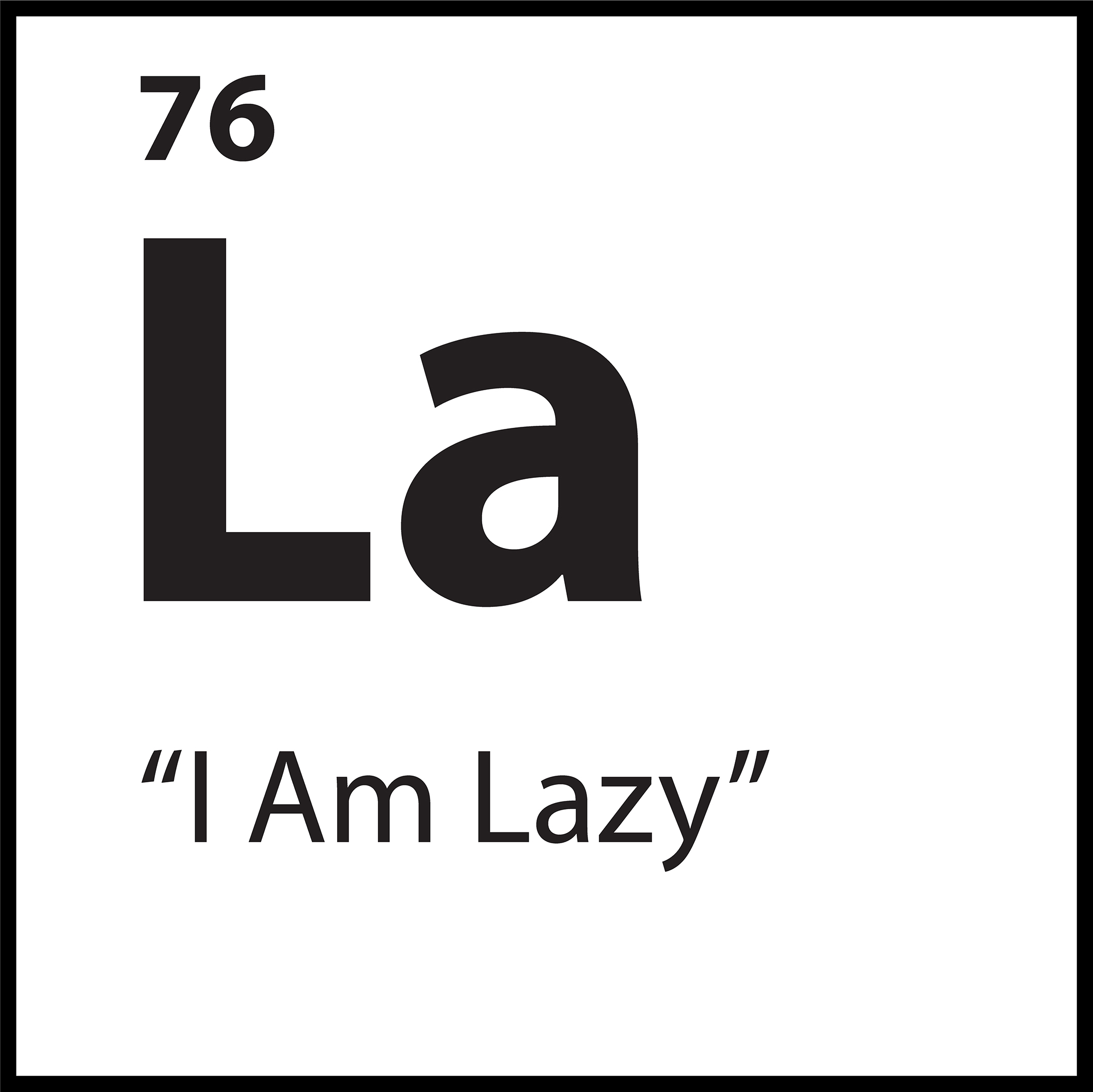
This belief doesn’t just describe what you do — it defines who you are. If you carry this internal label, it becomes the default explanation for anything left undone: the skipped workout, the unread email, the dreams on pause. Instead of seeing behaviour as a reflection of capacity, it gets framed as a flaw in character.
What’s especially tricky? Many people who carry this belief are actually high-functioning — they just struggle with activation. They may be burnt out, overwhelmed, or paralyzed by perfectionism, but none of that is visible underneath the self-condemnation of “I’m just lazy.”
This isn’t about laziness. It’s about a patterned block. One that therapy can actually rewire — without toxic productivity culture.
What It Sounds Like Internally:
- “I know what I need to do, I just don’t do it.”
- “I’m always procrastinating.”
- “Everyone else seems to get things done but me.”
- “I’m too lazy to change.”
- “If I had more discipline, I wouldn’t be like this.”
Where It Shows Up:
- Guilt-driven to-do lists that never get fully done.
- Constant comparing to others’ productivity or motivation.
- Starting strong and fizzling out — again and again.
- Cycles of hyper-focus followed by total shutdown.
- Shame spirals that block re-engagement.
Common Emotional Triggers:
This belief doesn’t just shame your behaviours; it rewrites your identity around output and effort.
- Resting. Any pause in productivity triggers guilt or a sense of failure.
- Fatigue. Feeling tired gets interpreted as proof of laziness.
- Tasks You Avoid. Delaying action, even for a valid reason, leads to self-attack.
- Praise for Others. Hearing someone else described as “hardworking” triggers internal comparisons.
- Being Asked for Results. Any question about what you’ve been doing evokes defensiveness or dread.
What It Can Lead To:
- Identity-based paralysis: “Why try? I’m just lazy anyway.”
- Disconnect between effort and results — nothing feels enough.
- Misdiagnosis of ADHD, depression, or executive dysfunction.
- Emotional avoidance masked as “just being unmotivated.”
- Learned helplessness and low self-trust.
What Therapy Targets:
We don’t try to make you more productive. We dismantle the story that productivity is proof of worth. Our identity-level approach works to:
- Separate situational inaction from global self-blame.
- Surface and shift the limiting belief behind the pattern.
- Reprocess earlier moments when inaction was shamed or punished.
- Help you re-engage without guilt, pressure, or panic.
When the belief changes, the activation often follows — not because you’ve finally fixed yourself, but because you’ve stopped calling yourself broken.
👉 Explore the Therapy Approach →
👉 See the Full Pattern Breakdown →