










































































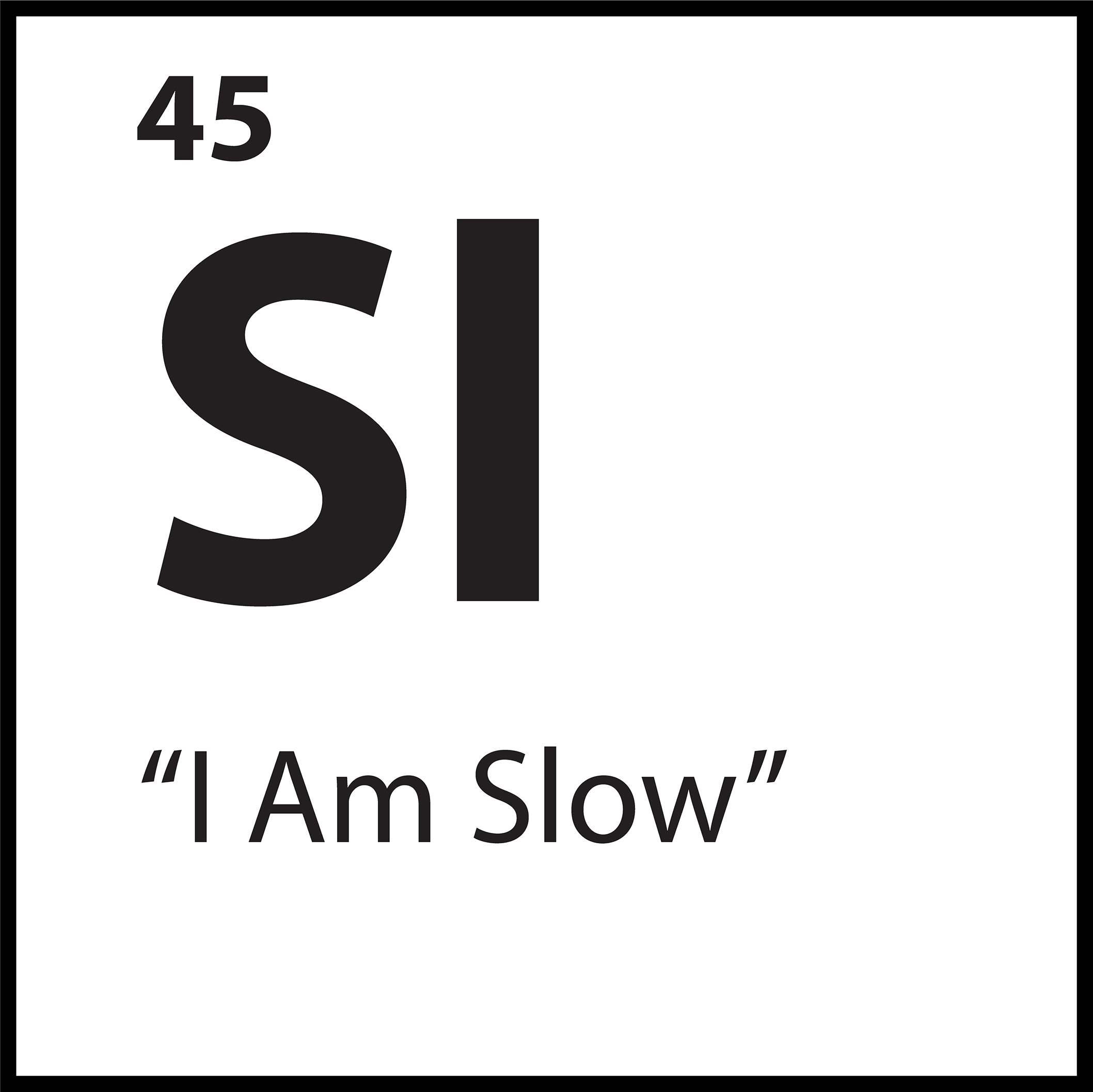
Where this belief fits
Schema Domain: Impaired Autonomy & Performance
Lifetrap: Dependence / Incompetence
Non-Nurturing Elements™ (Precursors):
How this belief keeps repeating:
Evidence Pile
When this belief is active, the mind scans for moments of taking longer to process, respond, decide, or act and interprets these delays as evidence of being behind, inefficient, or inferior.
Show common “proof” items
- Needing more time to think, decide, or understand
- Responding later than others in conversations, meetings, or tasks
- Being interrupted, spoken over, or rushed
- Feedback about needing to “speed up” or “be more decisive”
- Comparing one’s pace to faster-moving peers or environments
As evidence of being “slow” accumulates, internal pressure builds around anxiety, self-consciousness, and fear of being left behind or judged.
Show common signals
- Rushing thoughts or decisions
- Anxiety when put on the spot
- Difficulty concentrating under time pressure
- Shame about needing time
- Hyper-awareness of pacing
To reduce exposure or judgement, the system shifts toward rushing, withdrawal, or overcompensation.
Show Opt-Out patterns
- Speaking or acting before thinking
- Avoiding situations that require quick responses
- Staying quiet in fast-paced groups
- Over-preparing to compensate for pace
- Withdrawing when feeling rushed
This belief doesn’t always shout — sometimes it whispers: “I can’t keep up.”
But over time, it shapes how you show up in school, work, conversation — even how you feel about making decisions.
What It Sounds Like Internally:
- “I’m always behind.”
- “They must be so frustrated with me.”
- “Why does it take me so long to get things?”
- “I hate group settings — I can’t keep up.”
Where It Shows Up:
- Struggling to process under pressure or in conversations
- Avoiding situations where speed or performance is visible
- Anxiety around deadlines, meetings, or multitasking
- Constantly second-guessing or overexplaining yourself
Common Emotional Triggers:
This limiting belief isn’t just about speed; it creates a deep internal panic about being left behind, misunderstood, or judged as incapable.
- Processing Panic. Feeling anxious in conversations, meetings, or tasks where quick thinking is expected, even when you know the answer.
- Shame Around Learning. Embarrassment or shutdown when you don’t “get it” right away, especially if others seem faster.
- Avoidance of Group Settings. Fearing exposure in classrooms, work meetings, or collaborative projects where your pace might be seen.
- Overcompensating With Perfectionism. Spending excessive time trying to “prove” your competence or avoid being seen as slow.
- Freezing When Timed. A sense of pressure or cognitive blanking during timed tasks, tests, or performance reviews.
- Fear of Being a Burden. Worrying that asking questions, needing clarification, or taking time will inconvenience others.
These triggers reflect a nervous system that’s bracing against judgment, often rooted in early feedback that equated speed with intelligence and worth.
What It Can Lead To:
Unchecked, this belief often evolves into:
- “I’m Not Capable”
- “I’ll Just Hold Everyone Back”
- “Something’s Wrong With Me”
What Therapy Targets:
We don’t try to speed you up.
We help your nervous system stop flagging slowness or difference as a threat.
Through Pattern Reconditioning, we rewire the loop that connects pace with shame — and rebuild internal permission to move at your own rhythm.
👉 Explore the Therapy Approach →
👉 See the Full Pattern Breakdown →