







Identity-Level Therapy Guides

Pattern Library

Understanding the identity-level beliefs behind emotional and behavioural patterns.

Everyone runs patterns. These are the deep, identity-level loops between what you believe, what you need, and how you react—often without even realising it.

In this library, we’ve mapped those patterns back to their roots using Schema Therapy domains, core Lifetraps, and the ShiftGrit Limiting Belief Model. The goal is to make the “why” behind reactions more visible, so it becomes easier to understand what’s happening internally when you feel stuck, overwhelmed, or in overdrive.

This page is part of our Limiting Belief Library—a psychoeducational resource only. It’s not a diagnostic tool or a substitute for therapy, but it can give language to experiences many people don’t realise have a predictable internal structure.


Schema Domains

We’ve grouped identity-level patterns into five Schema Domains—each representing a core unmet need from early development. Click into each domain below to see the Lifetraps and some of the beliefs that tend to sit underneath them.


Disconnection & Rejection

The need to feel loved, safe, and accepted goes unmet—so the pattern becomes rejection-proofing.

Defectiveness / Shame

Shame-based beliefs about being fundamentally flawed, bad, or unlovable.

Examples include:

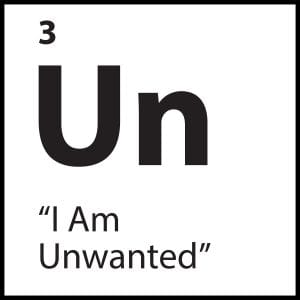
  • Identity-level belief visual with the label “I Am Unwanted” in a bold elemental format.
    3. “I Am Unwanted”

    This belief turns every task into a test.
    When “I Am Unwanted” is running the system, you stop being a person — and start being a product. You feel like your value is up for re-evaluation every single day, depending on what you did, achieved, or delivered.
    You’re not just trying to be your best. You’re trying to be enough to keep belonging.

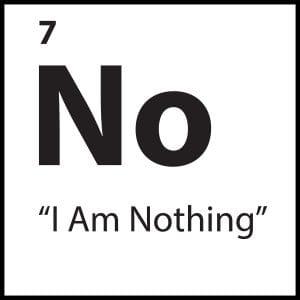
  • Minimalist identity card image labeled “I Am Nothing,” part of the ShiftGrit Limiting Belief visual series.
    7. “I Am Nothing”

    This belief doesn’t feel like sadness — it feels like emptiness.
    When “I Am Nothing” is active, you don’t just feel unimportant…
    You feel invisible.
    Unmoored. Like you never fully formed.

  • “I Am Wrong” — belief card used in ShiftGrit’s Core Belief therapy model
    10. “I Am Wrong”

    This belief doesn’t start as aggression — it starts as armour.
    When “I Am Wrong” runs your system, you live in a posture of protection.
    You’re bracing for challenge. Prepping for judgment.
    And when people misinterpret you? You shrink. You fawn. Or you snap.

  • Core Belief Cu – “I Am Cursed” – ShiftGrit Periodic Table of Limiting Beliefs
    14. “I Am Cursed”

    This belief isn’t just emotional — it’s existential.
    When “I Am Cursed” runs in the background, life doesn’t just feel hard — it feels doomed.
    You brace for loss. You expect betrayal. You carry a sense that something bad is bound to happen — especially if things are going well.

  • Core Belief Una – “I Am Unacceptable” – ShiftGrit Periodic Table of Limiting Beliefs
    15. “I Am Unacceptable”

    This belief doesn’t feel like rebellion — it feels like rejection before you’ve even shown up.
    You edit yourself in real time. You anticipate being judged. You’re constantly monitoring for what parts of you will get you pushed away.

  • Core Belief Dn – “I Do Not Deserve” – ShiftGrit Periodic Table of Limiting Beliefs
    19. “I Do Not Deserve”

    This belief doesn’t just block pleasure — it blocks reception.
    When “I Do Not Deserve” runs beneath your system, good things feel dangerous.
    Compliments make you uncomfortable.
    Help feels like a debt.
    And every time something kind enters your life… your nervous system flinches.

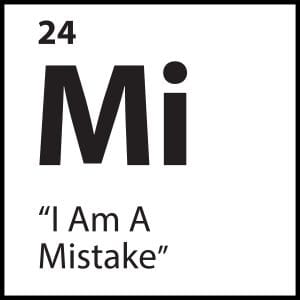
  • Core Belief Mi – “I Am A Mistake” – ShiftGrit Periodic Table of Limiting Beliefs
    24. “I Am a Mistake”

    When someone believes “I Am A Mistake,” it isn’t about something they did — it’s about who they are.
    Not broken. Not flawed. But fundamentally wrong.

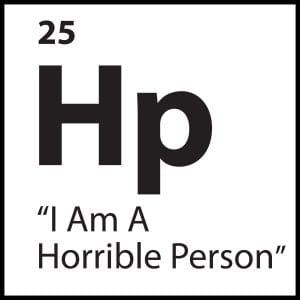
  • Core Belief Hp – “I Am A Horrible Person” – ShiftGrit Periodic Table of Limiting Beliefs
    25. “I Am A Horrible Person”

    This Belief Doesn’t Just Shame You — It Condemns You.
    The belief “I Am A Horrible Person” isn’t about something you did wrong.
    It’s the identity-level belief that you are wrong — that you cause harm, hurt others, and that your presence is inherently dangerous or toxic.

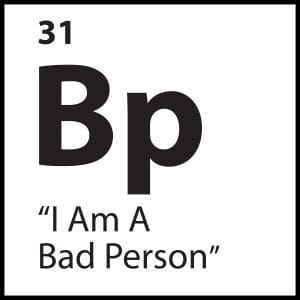
  • Abstract black and white image representing shame and self-condemnation for the belief “I Am A Bad Person.”
    31. “I Am a Bad Person”

    This Belief Doesn’t Just Shame You — It Judges You.
    The belief “I Am A Bad Person” doesn’t always feel dramatic.
    Sometimes, it sounds like:
    “I should’ve known better.”
    “I always mess things up.”
    “It’s my fault.”

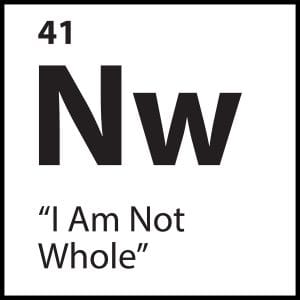
  • Periodic tile image with the phrase “I Am Not Whole” — a core belief explored in ShiftGrit’s Identity-Level Therapy.
    41. “I Am Not Whole”

    This Belief Doesn’t Whisper — It Dissolves.
    “I Am Not Whole” doesn’t show up as a shout. It’s the slow erosion of self-worth. A quiet sense that something essential is missing.

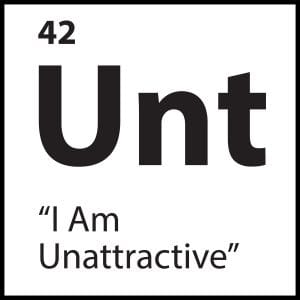
  • Core belief label reading “I Am Unattractive” styled as a periodic table element with symbol “Unt”
    42. “I Am Unattractive”

    This Belief Doesn’t Just Criticize — It Defines.
    “I Am Unattractive” doesn’t just mean you dislike your appearance. It means you’ve internalized the belief that you are less than in how you show up visually, sexually, socially, or energetically.

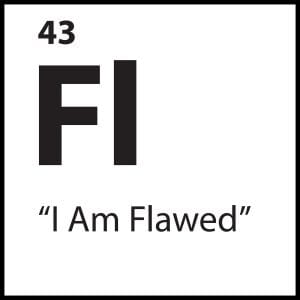
  • “I Am Flawed” belief tile designed in periodic table format with element abbreviation “Fl”
    43. “I Am Flawed”

    This Belief Doesn’t Just Hurt — It Hides.
    “I Am Flawed” doesn’t scream. It crouches. It scans. It edits. It teaches your nervous system to pre-empt rejection by never being fully seen.

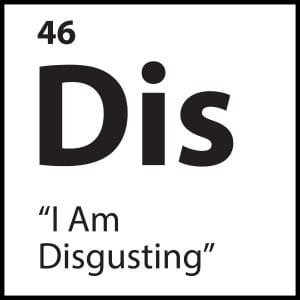
  • ShiftGrit belief tile for “I Am Disgusting” featuring Dis symbol on white background – part of the 77-pattern core belief identity library.
    46. “I Am Disgusting”

    You’ve probably heard the phrase “you’re your own worst critic.”
    But when this belief is active, the criticism runs much deeper.
    “I Am Disgusting” isn’t about appearance — it’s about identity.
    This belief says: “There’s something about me that’s inherently repulsive.”

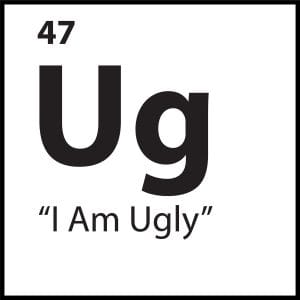
  • Belief tile for “I Am Ugly” from ShiftGrit’s core belief identity map — symbol Ug in bold black on white background.
    47. “I Am Ugly”

    You’ve probably heard “beauty is in the eye of the beholder.”
    But when this belief is active, no compliment can get through.
    “I Am Ugly” isn’t just a passing insecurity — it’s an identity.
    It says: “I’m flawed in a way that makes me unworthy of being seen or chosen.”
    And once this loop takes hold, it distorts how you show up, connect, and even care for yourself.

  • “I Am An Object” belief tile – Ob symbol on white background, from ShiftGrit’s core belief system
    52. “I Am An Object”

    You’ve probably heard “you’re a whole person, not a role.”
    But when this belief is active, it feels like you exist to serve a function — not to be understood.
    “I Am an Object” doesn’t just feel dehumanizing.
    It says: “My worth is tied to what I provide — not who I am.”
    When this loop is active, your identity flattens. Your preferences disappear. You become a tool, not a person.

  • I Am Shameful core belief tile from ShiftGrit’s Identity Pattern Library
    53. “I Am Shameful”

    You’ve probably heard “everyone makes mistakes.”
    But when this belief is active, it feels like you are the mistake.
    “I Am Shameful” isn’t just embarrassment about something you did.
    It says: “There’s something fundamentally wrong with who I am.”
    Once internalized, shame distorts everything from self-worth to intimacy — leaving you stuck in a constant apology for existing.

  • ShiftGrit belief tile reading “I Am Unclean” with element code Unc — from the core belief therapy pattern set
    54. “I Am Unclean”

    You’ve probably heard “no one’s perfect.”
    But when this belief is active, it doesn’t feel like perfection is the issue—it feels like contamination.
    “I Am Unclean” goes deeper than hygiene or appearance.
    It says: “There’s something inherently impure or spoiled about who I am.”
    When this loop runs unchecked, your entire identity can feel tainted, untouchable, or unsafe.

  • "I Am Crazy" belief icon with chemical element-style layout, used in ShiftGrit’s Core Belief system.
    55. “I Am Crazy”

    You’ve probably heard “everyone has their quirks.”
    But when this belief is active, it doesn’t feel quirky—it feels destabilizing.
    “I Am Crazy” isn’t about eccentricity.
    It says: “My mind can’t be trusted. My perceptions aren’t real. I’m out of control.”
    When this loop runs deep, even your own thoughts and feelings start to feel like threats.

  • ShiftGrit core belief tile — “I Am Boring” with Bo symbol in bold black letters on white.
    56. “I Am Boring”

    You’ve probably heard “everyone’s interesting in their own way.”
    But when this belief is active, it doesn’t feel that way—it feels like your personality is flatlining.
    “I Am Boring” isn’t about having a quiet personality or simple interests.
    It says: “Nothing about me is engaging or worth knowing. People won’t want to stay around.”

  • Belief tile reading “There Is Something Wrong With Me” with “Ts” symbol in black on white
    59. “There Is Something Wrong With Me”

    You’ve probably heard “nobody’s perfect.”
    But when this belief is active, it feels deeper than imperfection—it feels like an inherent flaw.
    “There Is Something Wrong With Me” isn’t about minor quirks or mistakes.
    It says: “Deep down, I’m fundamentally defective or damaged.”

  • Belief tile reading “I Am Defective” with the symbol Def – part of ShiftGrit’s 77-pattern core belief system.
    60. “I Am Defective”

    You’ve probably heard “everyone has their flaws.”
    But when this belief is active, your flaws don’t feel minor—they feel fundamental.
    “I Am Defective” goes beyond insecurities about personality or performance.
    It says: “There’s something inherently wrong or broken about me that makes me unworthy.”
    When this loop is active, every interaction feels risky, as if others might uncover your deepest, hidden flaw.

  • “I Am Permanently Damaged” core belief tile – Pd symbol on white background, part of ShiftGrit’s limiting belief identity framework.
    61. “I Am Permanently Damaged”

    You’ve probably heard “time heals all wounds.”
    But when this belief is active, it doesn’t feel that way—it feels like your wounds define you.
    “I Am Permanently Damaged” isn’t about having past trauma or struggles.
    It says: “My past has broken me beyond repair. I’m irreversibly harmed.”

  • ShiftGrit belief tile for “I Am Trash” with Tr symbol in black on white background
    70. “I Am Trash”

    You’ve probably heard “everyone has value.”
    But when this belief is active, you don’t feel valuable—you feel disposable.
    “I Am Trash” isn’t about occasional mistakes or self-doubt.
    It says: “I am fundamentally worthless and deserving of rejection or disposal.”
    When this belief defines your self-image, feelings of shame and worthlessness permeate your interactions and limit your potential for genuine connection.

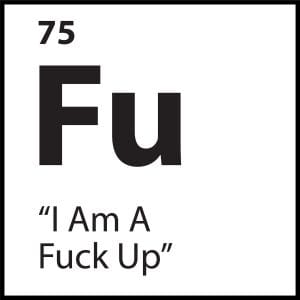
  • Belief icon with the text “I Am A F*ck Up” – Core Belief 75 from the Pattern Library
    75. “I Am A F*ck Up”

    You’ve probably heard “everyone makes mistakes.”
    But when this belief is active, your identity becomes fused with failure.
    “I Am A F*ck Up” isn’t about occasional slip-ups.
    It says: “No matter what I do, I’ll mess it up—I’m fundamentally broken, flawed, or destined to fail.”
    This belief doesn’t just lower confidence—it turns every setback into proof of your worthlessness.

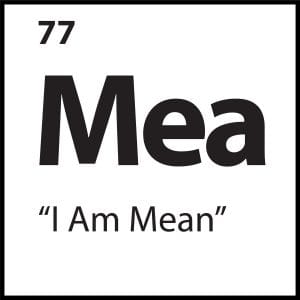
  • Black and white ShiftGrit tile for the belief “I Am Mean” with symbol Mea and label #77.
    77. “I Am Mean”

    You’ve probably heard “be kind.”
    But when this belief is active, kindness becomes a performance—and anger becomes evidence that you’re a bad person.
    “I Am Mean” doesn’t just suggest you’re harsh.
    It says: “My emotions, boundaries, or reactions hurt people—I’m inherently unkind.”
    This belief warps how you handle conflict, guilt, and even your own protection instincts.

Emotional Deprivation

The sense that your emotional needs will never really be seen, met, or understood.

Examples include:

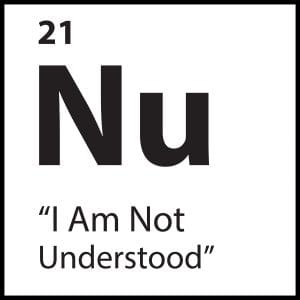
  • Core Belief Nu – “I Am Not Understood” – ShiftGrit Periodic Table of Limiting Beliefs
    21. “I Am Not Understood”

    This belief doesn’t scream for attention — it quietly resigns.
    “I Am Not Understood” doesn’t mean you’re silent.
    It means you’ve learned that saying it won’t matter.

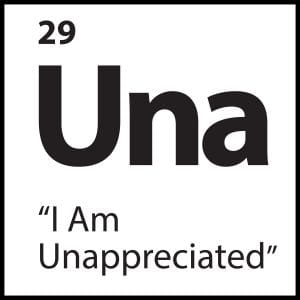
  • Core Belief Una – “I Am Unappreciated” – ShiftGrit Periodic Table of Limiting Beliefs
    29. “I Am Unappreciated”

    This Belief Doesn’t Just Frustrate You — It Empties You.
    The belief “I Am Unappreciated” doesn’t always sound dramatic.
    It builds slowly — through sighs, silences, and missed thank-yous.
    You show up. You give. You go the extra mile.
    And over time, it feels like no one even notices.

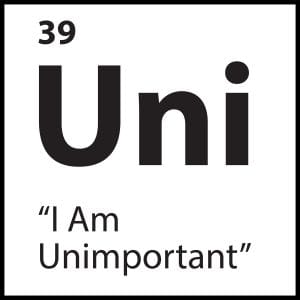
  • Visual tile for the belief “I Am Unimportant,” part of the ShiftGrit Identity-Level Therapy framework representing emotional neglect and minimized self-worth.
    39. “I Am Unimportant”

    This Belief Doesn’t Just Diminish You — It Shrinks Your Voice.
    The belief “I Am Unimportant” doesn’t mean you think you don’t exist.
    It means you’ve learned: your needs can wait. Your ideas don’t carry weight.
    You’re the support crew — not the story.

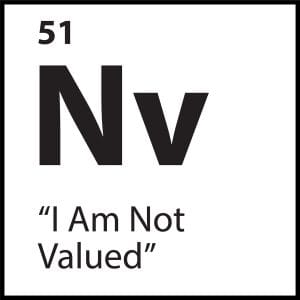
  • ShiftGrit Core Belief Tile — I Am Not Valued (Nv)
    51. “I Am Not Valued”

    You’ve probably heard “you matter.”
    But when this belief is active, it feels like everyone else does — except you.
    “I Am Not Valued” isn’t just about being under-appreciated.
    It’s about believing that your presence, perspective, or needs don’t carry weight.
    It says: “I’m replaceable. What I bring isn’t important.”

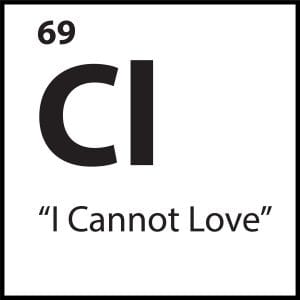
  • Belief tile showing “I Cannot Love” with Cl symbol – part of ShiftGrit’s core belief identity library
    69. “I Cannot Love”

    You’ve probably heard “everyone deserves love.”
    But when this belief is active, love feels unattainable—not because others don’t deserve it, but because you feel incapable of giving or receiving it.
    “I Cannot Love” isn’t about occasional struggles with intimacy.
    It says: “I am fundamentally unable to form or sustain loving connections.”

Social Isolation / Alienation

Feeling like an outsider—different, invisible, or like you never quite belong.

Examples include:

  • Illustration representing the belief “I Am Insignificant” — symbolizing emotional neglect and the fear of being seen
    6. “I Am Insignificant”

    This belief doesn’t just feel small — it makes you small.
    When “I Am Insignificant” drives your inner world, your nervous system treats attention as accidental and belonging as conditional.
    You don’t expect to be remembered, chosen, or prioritized — and when you are, it feels like a mistake.

  • Core Belief Inv – “I Am Invisible” – ShiftGrit Periodic Table of Limiting Beliefs
    13. “I Am Invisible”

    This belief doesn’t feel loud. It feels like silence.
    It’s the sense that no one really sees you — not fully. That you’re present, but unnoticed. Needed, but not known.
    You don’t just feel ignored. You feel like you don’t register.
    And when invisibility becomes identity, you stop expecting to matter.
    This isn’t about needing attention — it’s about learning, somewhere along the way, that you disappear easily.

  • Core Belief Iw – “I Am In The Wrong Place” – ShiftGrit Periodic Table of Limiting Beliefs
    22. “I Am In The Wrong Place”

    When “I Am In The Wrong Place” takes root, it doesn’t always shout.
    It shows up as an itch to escape.
    A restless scanning for exits.
    A life that looks fine on paper — but feels misaligned.

  • Minimalist black-and-white graphic symbolizing emotional disconnection and attachment wounds, titled “I Am Alone.”
    34. “I Am Alone”

    This Belief Doesn’t Just Isolate You — It Follows You.
    “I Am Alone” isn’t always literal.
    It’s the belief that no one will really show up.
    That you’re on your own — emotionally, logistically, relationally.

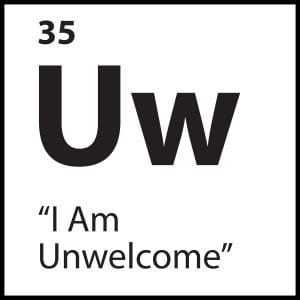
  • Minimalist black-and-white graphic for the belief “I Am Unwelcome,” representing social exclusion and masked disconnection.
    35. “I Am Unwelcome”

    This Belief Doesn’t Just Reject You — It Erases You.
    The belief “I Am Unwelcome” doesn’t always feel like a door slammed shut.
    It often feels like one that was never opened.
    Like walking into a room and instantly questioning whether you should’ve come at all.

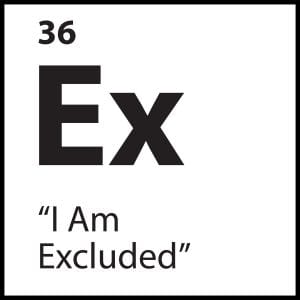
  • Minimalist graphic representation of the belief “I Am Excluded,” symbolizing emotional distance and group disconnection.
    36. “I Am Excluded”

    This Belief Doesn’t Just Isolate You — It Silences You.
    “I Am Excluded” isn’t always loud.
    It’s the quiet feeling of not being part of things — without anyone ever saying it out loud.

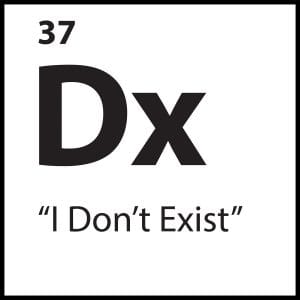
  • Black-and-white graphic representing the core belief “I Don’t Exist,” symbolizing emotional numbness and dissociation.
    37. “I Don’t Exist”

    This Belief Doesn’t Just Hide You — It Erases You.
    The belief “I Don’t Exist” isn’t about death — it’s about erasure.
    It’s the deep nervous system conviction that you are not seen, not felt, and not real to others.

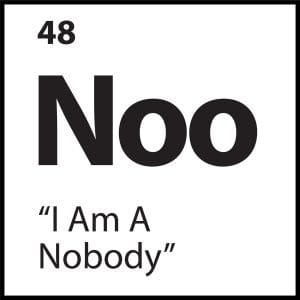
  • Belief tile for “I Am A Nobody” — Noo symbol on white background, part of ShiftGrit’s identity-pattern system.
    48. “I Am A Nobody”

    You’ve probably heard “everyone matters.”
    But when this belief is active, that feels like it applies to everyone except you.
    “I Am a Nobody” isn’t just about being overlooked — it’s about feeling invisible at your core.
    It says: “No one sees me. I don’t count. I’m nothing special.”

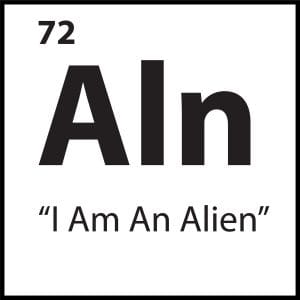
  • ShiftGrit Core Belief tile reading “I Am An Alien” with symbol AIn on white background.
    72. “I Am An Alien”

    You’ve probably heard “everyone feels out of place sometimes.”
    But when this belief is active, you don’t just feel occasionally misplaced—you feel fundamentally different, isolated, and misunderstood.
    “I Am An Alien” isn’t about temporary loneliness or discomfort.
    It says: “I’m inherently unlike everyone else. I don’t belong anywhere.”
    When this belief shapes your reality, social connections feel distant and unreachable, leaving you feeling perpetually isolated.

Abandonment / Instability

Chronic fear that people will leave, change, or become unavailable without warning.

Examples include:

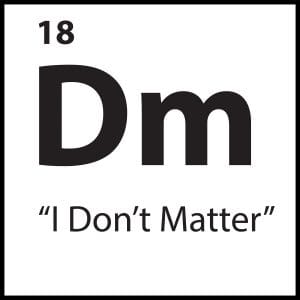
  • Core Belief Dm – “I Don’t Matter” – ShiftGrit Periodic Table of Limiting Beliefs
    18. “I Don’t Matter”

    This belief doesn’t scream. It erodes.
    When “I Don’t Matter” runs in your system, your presence starts to feel optional — even to you. You don’t speak up because you don’t expect to be heard. You don’t ask for more because you’ve already decided you don’t deserve it.

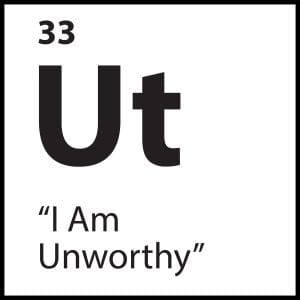
  • Black and white minimalist graphic representing emotional burnout and performance-driven worth, titled “I Am Unworthy.”
    33. “I Am Unworthy”

    The belief “I Am Unworthy” isn’t about what you’ve done.
    It’s about who you think you are — deep down.
    It tells you love must be earned.
    That praise is a mistake.
    That if people knew the truth, they’d take it all back.

Mistrust / Abuse

Expecting others to hurt, exploit, or blame you—and bracing for impact.

Examples include:

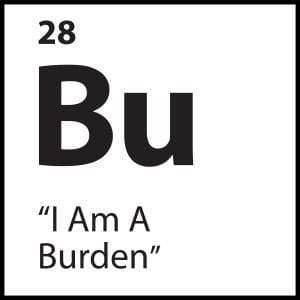
  • Core Belief Bu – “I Am A Burden” – ShiftGrit Periodic Table of Limiting Beliefs
    28. “I Am a Burden”

    This Belief Doesn’t Just Weigh You Down — It Shrinks You.
    The belief “I Am A Burden” doesn’t show up as selfishness — it shows up as silence.
    You don’t ask for help.
    You downplay what you need.
    You feel guilt just for needing support.

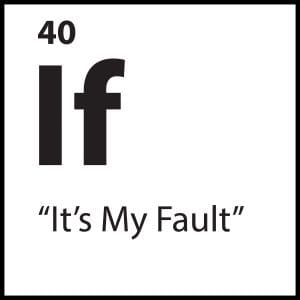
  • Black and white graphic tile showing the words “It’s My Fault” with the periodic-style element symbol “If” — representing the core belief of internalized guilt.
    40. “It’s My Fault”

    This Belief Doesn’t Just Blame You — It Condemns You.
    “It’s My Fault” is more than guilt.
    It’s a reflex. A full-body default.
    The nervous system assumes: If something went wrong, I must’ve caused it.

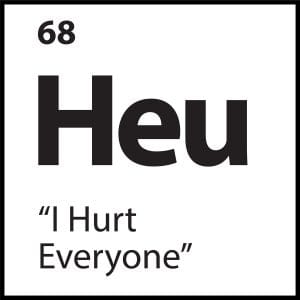
  • Black and white identity belief tile with “Heu” and the phrase “I Hurt Everyone” – part of ShiftGrit’s core belief visual library.
    68. “I Hurt Everyone”

    You’ve probably heard “no one’s perfect in relationships.”
    But when this belief is active, imperfection feels devastating—it feels like you're harmful.
    “I Hurt Everyone” isn’t just about occasionally letting people down.
    It says: “I’m inherently harmful; people are better off without me.”
    When this belief shapes your interactions, relationships become minefields, leaving you isolated and fearful of causing harm.

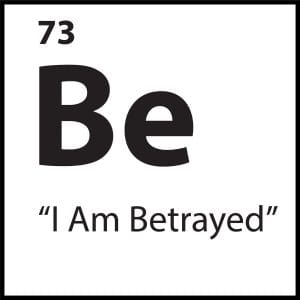
  • ShiftGrit belief tile for “I Am Betrayed” with Be symbol on white background
    73. “I Am Betrayed”

    You’ve probably heard “trust takes time.”
    But when this belief is active, trust doesn’t just feel slow—it feels impossible.
    “I Am Betrayed” isn’t simply about occasional disappointments.
    It says: “People will inevitably deceive or hurt me; betrayal is always just around the corner.”
    When this belief governs your interactions, relationships become cautious, distant, and marked by persistent distrust.


Impaired Autonomy & Performance

When the world feels unsafe, overwhelming, or unpredictable—you stop trusting your own capacity.

Failure

Beliefs about being destined to fail, disappoint, or never quite measure up.

Examples include:

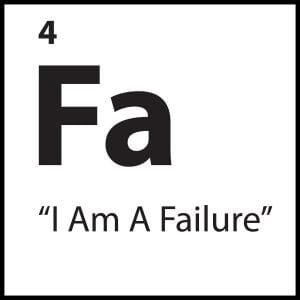
  • Periodic table-style icon for the limiting belief “I Am A Failure”
    4. “I Am A Failure”

    You don’t just fear failure — you expect it.
    This belief doesn’t whisper; it narrates everything.
    It tells you not to try because it “won’t work anyway.”
    It tells you effort is dangerous — because failure isn’t just a result, it’s an identity.

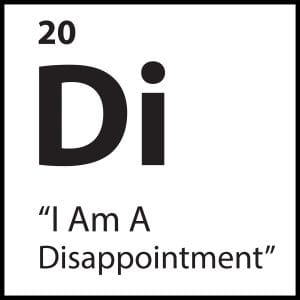
  • Core Belief Di – “I Am A Disappointment” – ShiftGrit Periodic Table of Limiting Beliefs
    20. “I Am A Disappointment”

    This belief doesn’t just weigh on you — it shapes how you move through every interaction.
    You don’t want to let people down.
    But underneath that?
    You already believe you will.

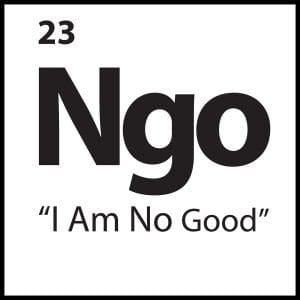
  • Core Belief Ngo – “I Am No Good” – ShiftGrit Periodic Table of Limiting Beliefs
    23. “I Am No Good”

    This Belief Doesn’t Just Hurt — It Condemns You.
    “I Am No Good” is different from feeling guilty for what you’ve done.
    It’s the belief that who you are — at the core — is wrong, bad, or harmful.

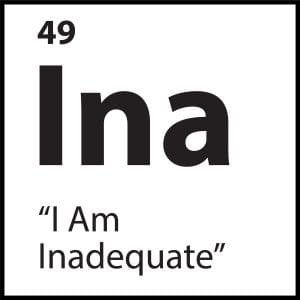
  • ShiftGrit belief tile for “I Am Inadequate” featuring Ina symbol on white background
    49. “I Am Inadequate”

    You’ve probably heard “do your best — that’s enough.”
    But when this belief is active, enough is never actually enough.
    “I Am Inadequate” isn’t about effort. It’s about identity.
    It says: “No matter what I do, I’ll never measure up.”

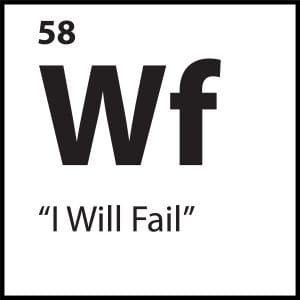
  • "I Will Fail" belief tile – ShiftGrit Core Belief #58 (Wf symbol) on white background.
    58. “I Will Fail”

    You’ve probably heard “failure is part of success.”
    But when this belief is active, failure doesn’t feel temporary—it feels inevitable.
    “I Will Fail” isn’t just doubt about a specific goal or task.
    It says: “No matter what I try, ultimately, it’s going to collapse.”
    When this loop becomes your internal script, the fear of failing can paralyze you before you even begin.

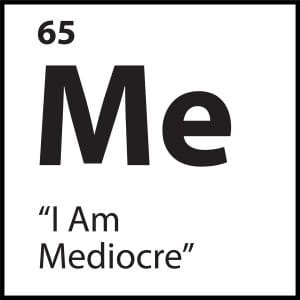
  • ShiftGrit Core Belief icon reading “I Am Mediocre” with symbol Me in bold text on white background.
    65. “I Am Mediocre”

    You’ve probably heard “average isn’t a bad thing.”
    But when this belief is active, average doesn’t feel acceptable—it feels shameful.
    “I Am Mediocre” isn’t about lacking extraordinary talent.
    It says: “I’m not good enough at anything to be special or truly valued.”
    When this belief defines your self-perception, even your genuine achievements feel diminished, reinforcing your internal sense of never being enough.

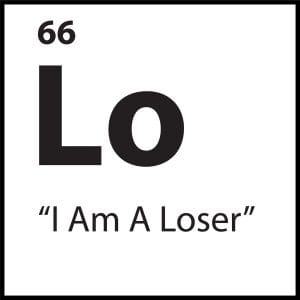
  • Core belief tile reading “I Am A Loser” with symbol “Lo” from ShiftGrit’s identity-level therapy belief system
    66. “I Am A Loser”

    You’ve probably heard “everyone wins and loses sometimes.”
    But when this belief is active, you don’t just experience losses—you feel defined by them.
    “I Am a Loser” isn’t about occasionally coming up short.
    It says: “Failure is who I am, not something I experience.”
    When this belief shapes your self-image, every challenge feels overwhelming, reinforcing your internal identity as incapable and defeated.

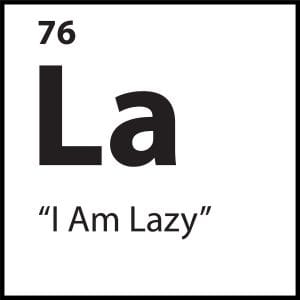
  • Black and white minimalist tile featuring the words “I Am Lazy” and the symbol “La” representing core belief #76
    76. “I Am Lazy”

    You’ve probably heard “you just need more discipline.”
    But when this belief is active, effort doesn’t feel motivating—it feels humiliating.
    “I Am Lazy” isn’t just about not doing enough.
    It says: “There’s something inherently wrong with me. I lack the drive, willpower, or worthiness to try.”
    This belief makes rest feel undeserved, effort feel futile, and self-respect nearly impossible.

Dependence / Incompetence

Feeling incapable, slow, or unable to cope without someone else to lean on.

Examples include:

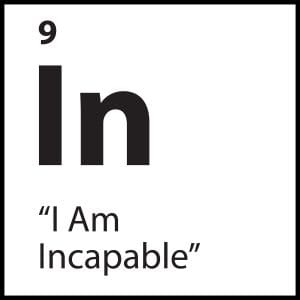
  • “I Am Incapable” — belief card used in ShiftGrit’s Core Belief therapy model
    9. “I Am Incapable”

    This belief doesn’t sound loud — it settles in like fog.
    When “I Am Incapable” is running the system, tasks feel heavier, decisions feel harder, and even small actions trigger internal shutdown. You don’t just feel overwhelmed — you feel like you were never built to handle life the way others can.

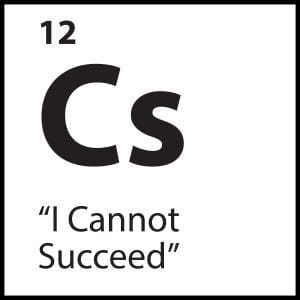
  • Core Belief Cs – “I Cannot Succeed” – ShiftGrit Periodic Table of Limiting Beliefs
    12. “I Cannot Succeed”

    This belief doesn’t whisper doubt — it declares defeat.
    When “I Cannot Succeed” is running the show, effort feels pointless.
    You might start strong, but the deeper pattern says:
    “No matter what I do, it won’t work.”

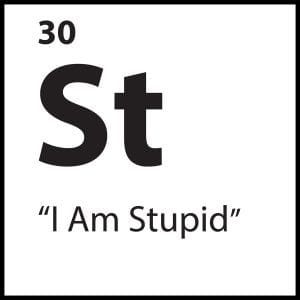
  • Core Belief St – “I Am Stupid” – ShiftGrit Periodic Table of Limiting Beliefs
    30. “I Am Stupid”

    This Belief Doesn’t Just Humiliate You — It Silences You.
    “I Am Stupid” doesn’t always show up as insecurity.
    It shows up as silence, hesitation, and avoidance.

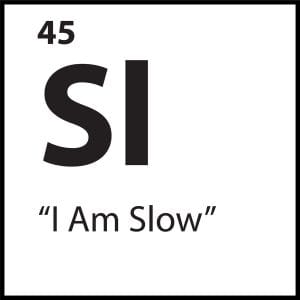
  • "Sl — I Am Slow" belief tile from the ShiftGrit Pattern Library. A performance-based identity distortion addressed in identity-level therapy.
    45. “I Am Slow”

    You’ve probably heard the phrase “everyone moves at their own pace.”
    But when this belief is active, it doesn’t feel that way.
    “I Am Slow” isn’t about patience — it’s about identity.
    This belief says: “I’m behind... I can’t keep up.”

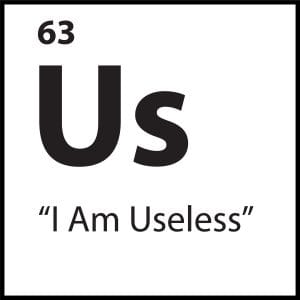
  • ShiftGrit Core Belief visual tile: “I Am Useless” with bold Us symbol and tile number 63
    63. “I Am Useless”

    You’ve probably heard “everyone has something to offer.”
    But when this belief is active, you don’t see your own contributions—you see yourself as inherently without value.
    “I Am Useless” isn’t about lacking a specific skill or talent.
    It says: “I don’t have anything meaningful to offer; I bring nothing to the table.”
    When this belief defines you, you shrink away from opportunities, convinced your presence adds no value.

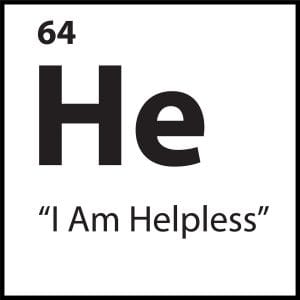
  • Belief tile reading “I Am Helpless” with the symbol He and number 64 from ShiftGrit’s Core Belief Identity Library.
    64. “I Am Helpless”

    You’ve probably heard “you’re stronger than you think.”
    But when this belief is active, you don’t see your own strength—you feel fundamentally powerless.
    “I Am Helpless” isn’t about occasionally needing support or guidance.
    It says: “I have no control over my life or outcomes; I can’t effectively influence anything.”
    When this belief shapes your reality, your sense of agency diminishes, leaving you feeling trapped and powerless.

Vulnerability to Harm

Living as though danger is just around the corner—always scanning for the next bad thing.

Examples include:

  • Core Belief Vu – “I Am Vulnerable” – ShiftGrit Periodic Table of Limiting Beliefs
    26. “I Am Vulnerable”

    This Belief Doesn’t Just Scare You — It Keeps You Braced.
    When “I Am Vulnerable” takes root, it doesn’t show up as fear — it shows up as control.
    Hyper-planning. Over-researching. Constant scanning.
    Not because you’re weak, but because your nervous system doesn’t believe the world is safe.

  • Core Belief Id – “I Am In Danger” – ShiftGrit Periodic Table of Limiting Beliefs
    27. “I Am In Danger”

    This Belief Doesn’t Just Alarm You — It Hijacks You.
    “I Am In Danger” isn’t just about panic attacks or fear.
    It’s about the feeling that at any moment, something terrible could happen — and you won’t be able to stop it.

  • Minimalist black-and-white image representing hypervigilance and anticipatory fear for the belief “Bad Things Are Going To Happen.”
    32. “Bad Things Are Going To Happen”

    This Belief Doesn’t Just Worry You — It Haunts You.
    The belief “Bad Things Are Going To Happen” isn’t about logic — it’s about felt threat.
    Even when things are good, part of you is bracing for the drop.

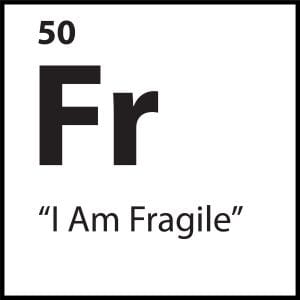
  • ShiftGrit belief tile reading “I Am Fragile” with Fr identity symbol on white background
    50. “I Am Fragile”

    You’ve probably heard “what doesn’t kill you makes you stronger.”
    But when this belief is active, it feels like even small things might kill you.
    “I Am Fragile” doesn’t mean you’re weak — it means your system is constantly bracing for collapse.
    It says: “I can’t handle pressure, intensity, or difficulty without breaking down.”

Enmeshment / Undeveloped Self

Losing track of your own needs, preferences, or identity because they’ve been fused with someone else’s.

Examples include:

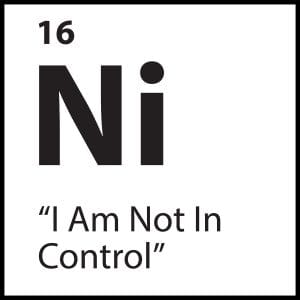
  • Core Belief Ni – “I Am Not In Control” – ShiftGrit Periodic Table of Limiting Beliefs
    16. “I Am Not in Control”

    This belief doesn’t just create stress — it creates collapse.
    You don’t just feel like things are out of your hands. You believe they always have been.
    So you disengage. You tolerate. You wait for impact.
    Because if you’re not in control, why try? Why speak? Why fight back?
    This isn’t surrender — it’s learned futility, and it can shape your whole identity.

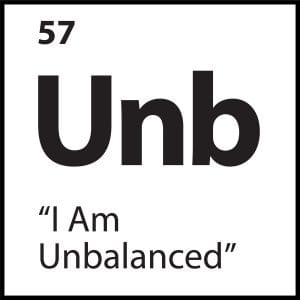
  • Core belief tile “I Am Unbalanced” with Unb symbol in bold
    57. “I Am Unbalanced”

    You’ve probably heard “everyone has their ups and downs.”
    But when this belief is active, it doesn’t feel like normal fluctuation—it feels like instability.
    “I Am Unbalanced” isn’t about having emotional days or tough phases.
    It says: “I can’t trust myself to stay steady. I’m always on the edge of losing control.”

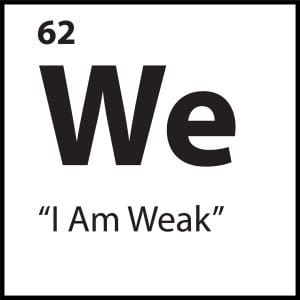
  • Core belief tile for “I Am Weak” with symbol We in black on white background.
    62. “I Am Weak”

    You’ve probably heard “everyone has strengths and weaknesses.”
    But when this belief is active, you don’t see yourself as having weaknesses—you see yourself as fundamentally weak.
    “I Am Weak” isn’t about occasional vulnerability or struggle.
    It says: “I don’t have the strength or capability to handle life’s challenges.”


Impaired Limits

When boundaries, self-control, or reality-checks are inconsistent—we either overstep or implode.

Entitlement / Grandiosity

Beliefs that rules, limits, or consequences shouldn’t really apply to you.

Examples include:

  • Visual belief card labelled “I Am Powerless” — part of ShiftGrit’s limiting belief schema.
    8. “I Am Powerless”

    When the belief “I Am Powerless” takes root, action doesn’t feel difficult — it feels pointless.
    You want to change. You want to move forward.
    But your system says, “What’s the use?”

  • Black and white tile with the elemental symbol “En” and the belief label “I Am Entitled” — part of ShiftGrit’s 77 core belief system.
    71. “I Am Entitled”

    You’ve probably heard “everyone deserves respect and fairness.”
    But when this belief is active, fairness feels skewed—you feel inherently owed more.
    “I Am Entitled” isn’t about healthy self-respect or ambition.
    It says: “The world owes me special treatment, privileges, or recognition, regardless of my actions.”
    When this belief guides your interactions, relationships become transactional, often leading to frustration, disappointment, and social disconnection.

  • Belief tile for “I Am Privileged” from the ShiftGrit core belief identity system
    74. “I Am Privileged”

    You’ve probably heard “gratitude is important.”
    But when this belief is active, gratitude turns into guilt—and receiving support feels undeserved.
    “I Am Privileged” doesn’t just recognize advantage.
    It says: “I’m not allowed to struggle, complain, or take up space—because I’ve had it easier than others.”


Other-Directedness

When you learn that your needs come second—you contort to keep others close, even at your own expense.

Self-Sacrifice

When love and safety become linked with self-erasure—overgiving, guilt, and emotional caretaking take over.

Examples include:

  • “Core Belief Re – I Am Responsible – from the ShiftGrit belief system periodic table”
    11. “I Am Responsible”

    This belief isn’t about kindness.
    It’s about survival.
    When “I Am Responsible” takes root, caring becomes compulsive.
    You jump into every problem, anticipate every need, and absorb every emotion — not just because you want to, but because you think you have to.

Approval-Seeking / Recognition-Seeking

Basing your worth on how others respond—chasing validation instead of your genuine preferences.

Examples include:

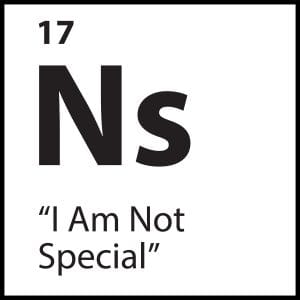
  • Core Belief Ns – “I Am Not Special” – ShiftGrit Periodic Table of Limiting Beliefs
    17. “I Am Not Special”

    This belief doesn’t always feel sad — it often feels quietly hollow.
    You go through the motions, succeed in the external world… but deep down, it never quite lands.
    You learned that you were just another face in the crowd — that nothing about you stood out, lit up the room, or made people stay.

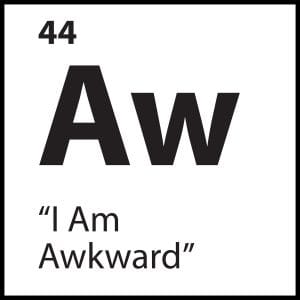
  • Belief tile for “I Am Awkward” with black lettering in periodic table format, abbreviation “Aw”
    44. “I Am Awkward”

    This Belief Doesn’t Just Embarrass — It Isolates.
    “I Am Awkward” isn’t just a social quirk. It’s a patterned response rooted in the fear of being judged, rejected, or misunderstood.


Overvigilance & Inhibition

When safety depends on control—emotion, spontaneity, and rest can start to feel like threats instead of relief.

Unrelenting Standards

Perfectionistic rules that say “never enough,” turning rest and compassion into risks.

Examples include:

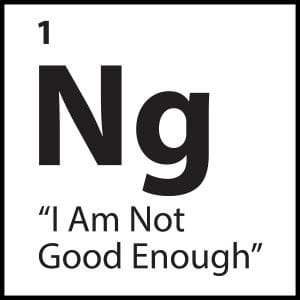
  • Visual representation of the belief ‘I’m Not Good Enough’ from the ShiftGrit Pattern Library, used in Identity-Level Therapy to help individuals recondition emotional patterns.
    1. “I Am Not Good Enough”

    You’ve probably heard the phrase “fail forward” or “mistakes are how we learn.”
    But when this belief is active, it doesn’t feel that way.
    “I Am a Failure” isn’t about outcomes — it’s about identity.

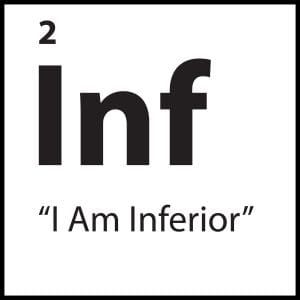
  • Black and white element graphic with the belief label “I Am Inferior.”
    2. “I Am Inferior”

    This Belief Doesn’t Just Hurt — It Shrinks You.
    When “I Am Inferior” takes root, it doesn’t scream — it whispers:
    “Stay small. Don’t stand out. You’re not enough to lead, love, or be seen.”

Negativity / Pessimism

A threat-filtered lens that spots what could go wrong before what might go right.

Examples include:

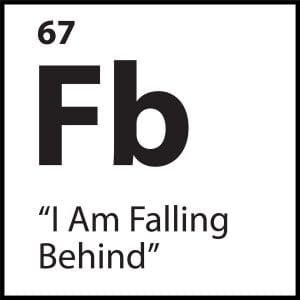
  • Black and white tile reading “67 Fb – I Am Falling Behind,” representing the core belief of falling behind in life, progress, or success.
    67. “I Am Falling Behind”

    You’ve probably heard “everyone has their own pace.”
    But when this belief is active, it doesn’t feel like your own pace—it feels like perpetual lag.
    “I Am Falling Behind” isn’t about temporary setbacks.
    It says: “No matter how hard I try, I’ll never catch up.”

Punitiveness

Harsh internal rules about mistakes—where the “solution” is criticism, not repair.

Examples include:

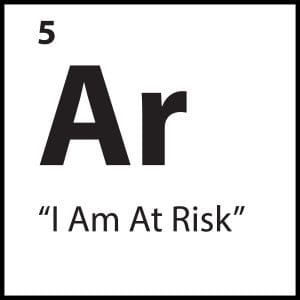
  • Limiting belief tile for “I Am At Risk” with an orange background, representing anxiety, vigilance, and safety-seeking behaviours.
    5. “I Am At Risk”

    This belief doesn’t whisper—it alarms.
    When "I Am At Risk" runs your system, the world feels like it's always one step away from disaster. You scan for threats, overprepare, or avoid altogether. And the kicker? You're not dramatic. Your system genuinely believes danger is everywhere.

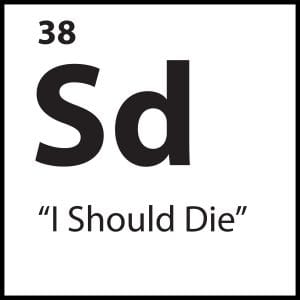
  • Graphic element from the ShiftGrit belief system illustrating “I Should Die,” a core belief rooted in shame and internalized self-rejection.
    38. “I Should Die”

    This Belief Doesn’t Whisper — It Condemns.
    “I Should Die” isn’t just a suicidal thought.
    It’s a core-level rejection of self — the belief that you are fundamentally wrong, and that your existence is the problem.

Important: This library is intended for education and self-reflection only. It does not provide a diagnosis, and it’s not a substitute for working with a qualified mental health professional.


How Identity-Level Therapy Works with Limiting Beliefs

Mapping beliefs is the first step. In therapy, we don’t just name the pattern—we focus on identity-level loops using structured exercises that are intended to help your system respond from a more grounded, flexible place rather than from automatic threat responses.

1. Map the Pattern

We trace how a belief—like “I Am Not Good Enough” or “I Am A Failure”—links to specific triggers, emotions, body responses, and coping moves such as overworking, avoidance, or shutdown. This creates a shared map of what’s happening rather than a vague sense of “I’m just like this.”

2. Work at the Identity Level

Within Identity-Level Therapy, we use targeted imaginal and experiential exercises aimed at updating the belief at the schema level. Many people report that, over time, this makes it easier to feel less hijacked by old rules about safety, worth, or control.

3. Practise New Responses

We then practise new responses in-session and between sessions, so any shifts in belief have the best possible chance to show up in daily life—at work, in relationships, and under pressure. The emphasis is on sustainable change in how you respond, rather than “fixing” who you are.

Want to see how this looks across the whole ShiftGrit Therapy Program?
Explore Identity-Level Therapy to see how we organise sessions around clear patterns, education, and a structured change plan.


Identity-Level Therapy in Alberta

Identity-Level Therapy targets the belief patterns and emotional loops driving automatic reactions—not just the surface symptoms. By working at the identity layer, clients shift how they interpret safety, regulate threat, and relate to themselves and others. The result: reconditioning at the root of shame, self-sabotage, reactivity, and overwhelm.

It’s organized around three pillars:

📘 Access the complete Pattern Theory™ Limiting Belief Library (free PDF)
This downloadable PDF includes all 77+ limiting beliefs, schema connections, and Identity-Level Therapy patterns in one place.