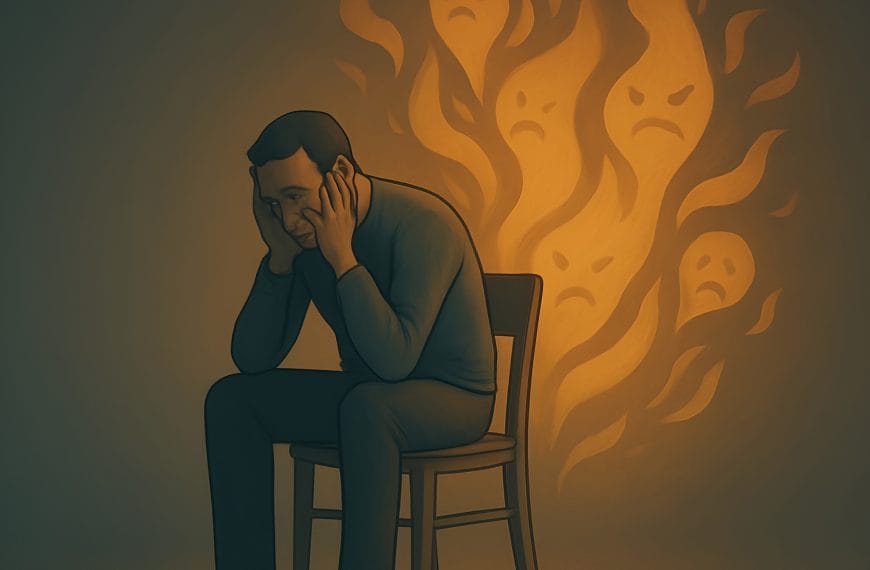
Emotional Eating Patterns
Emotional eating patterns are not about food choices or willpower—they are about how the nervous system learns to manage emotional pressure, distress, and unmet needs. Within Identity-Level Therapy (ILT), emotional eating is understood as a relief-based pattern that develops when eating becomes a reliable way to regulate overwhelming internal states.
This collection of articles explores emotional eating and binge patterns through a pattern-based lens. Rather than focusing on behaviour control or surface-level strategies, these posts examine the beliefs, emotional pressures, and learned regulation loops that keep eating behaviours repeating—even when insight and intention are strong.
Topics in this category may include how emotional eating patterns form, why they become automatic, how shame and self-criticism reinforce the cycle, and what it means to work with the pattern at an identity and nervous-system level. The goal is to provide clarity, reduce self-blame, and offer a deeper understanding of why these patterns make sense in context.

ADHD
ADHD isn’t just about focus — it’s about the internal rulebook that says you’re always falling behind. At…
 By

Depression
Depression is more than low mood — it’s a signal from an outdated internal system. At ShiftGrit, we…
Bipolar Patterns & Mood Instability
Bipolar disorder is characterized by periods of fluctuations in mood that range from depression to periods of mania…

Anxiety
Anxiety doesn’t just live in your thoughts—it’s embedded in the deeper patterns that shape your sense of safety…

Trauma
Trauma isn’t just about what you went through—it’s about what your nervous system learned to expect. At ShiftGrit,…

OCD
OCD isn’t just about rituals—it’s about the internal rules you feel trapped by. At ShiftGrit, we don’t just…

PTSD
PTSD isn’t just about the past—it’s a pattern your nervous system keeps repeating. At ShiftGrit, we target the…

Compulsive Sexual Behaviour & Pornography Use
Porn addiction, which is a subset of sex addiction, can refer to a range of behaviors that are…