
Financial anxiety hits differently in Calgary.
It shows up in the pressure to “keep up,” the comparison to neighbours and colleagues, the cyclical boom-and-bust psychology we’ve absorbed from living in an energy-driven economy, and the achievement culture baked into every corner of this city. You can be earning well, budgeting well, doing everything right—and still feel behind.
At ShiftGrit, what we see over and over is this:
Money stress isn’t really about money.
It’s about the identity-level beliefs sitting underneath your decisions.
In Calgary, especially, those beliefs get activated fast.
This blog breaks down why financial anxiety is so common here, why budgeting and discipline don’t stick when you’re in a threat response, and how identity-level beliefs like “I Am Falling Behind” quietly drive the cycle.
Want the full breakdown on the identity patterns behind financial anxiety?
👉 🎙️ Explore the Shift Show episode here.
Table of Contents
Why Calgarians Feel Financial Anxiety Even When They’re “Doing Well”
Calgary has a unique stress profile:
- High-performing professional culture
- Boom-bust economic history
- Strong achievement identity (engineering, oil & gas, finance)
- Pressure to upgrade homes, vehicles, schools, lifestyles
- Comparison culture amplified by corporate compensation structures
- Entrepreneur-heavy city with unpredictable income cycles
Even when numbers look fine on paper, people here describe:
- “I should be further ahead.”
- “Everyone else seems more established.”
- “I feel behind for my age.”
- “I don’t know why money stresses me out so much.”
This emotional pressure doesn’t come from spreadsheets.
It comes from identity-level beliefs getting activated.
Beliefs like:
- “I am falling behind.”
- “I am not in control.”
- “I am at risk.”
- “I do not deserve stability or success.”
When those beliefs flare up, your nervous system mislabels money as danger—and the whole pattern starts.
Why Budgeting Tips Don’t Work When Your Threat System Is Activated
This is why so many Calgarians describe frustration like:
“I know the plan. I understand the strategy. But I still avoid my statements.”
“I get overwhelmed and shut down.”
“I overspend when I’m stressed, then feel guilty.”
“I freeze when I have to make decisions.”
This is not a discipline issue.
This is not an intelligence issue.
This is not a financial literacy issue.
This is a threat system issue.
When a limiting belief activates, the walnut brain (your threat responder) takes over.
The cognitive brain—the part that handles planning, sticking to budgets, and long-term thinking—gets sidelined.
You can’t “logic” your way through a threat response.
That’s why smart, capable Calgarians still end up in loops like:
- overspending for relief
- financial avoidance
- perfectionistic over-saving
- shutting down during planning
- guilt-driven money decisions
- panic during income changes
- emotional responses to bills or statements
Until the identity layer is regulated, the behaviours don’t shift.
The Role of Identity-Level Beliefs in Money Stress
The limiting belief we see most often in Calgary?
“I Am Falling Behind.”
This belief gets reinforced by:
- social comparison
- competitive industries
- aggressive timelines
- pressure to achieve early
- inconsistent income cycles
- lifestyle expectations
- real estate market swings
When “I Am Falling Behind” is activated, the body goes into:
- urgency
- pressure
- catastrophizing
- shame
- over-functioning or shutdown
- impulsive decisions
- avoidance “relief” behaviours
Your money reactions become emotional, not strategic.
Limiting Beliefs Commonly Linked with Anxiety Therapy
These identity-level patterns frequently show up for clients seeking anxiety therapy. Explore the beliefs to learn the “why” and how therapy can help you recondition them.

“I Am At Risk”
“I Am At Risk” is a core belief rooted in environments where safety felt unpredictable. It often drives patterns of anxiety, catastrophic thinking, and compulsive control.
Explore this belief
“I Am Not in Control”
When “I Am Not In Control” is running the show, everything feels like too much. You either grip harder—rigid routines, hypervigilance—or give up entirely. Underneath it all is…
Explore this belief
“I Am Falling Behind”
The belief “I Am Falling Behind” shows up as anxiety around progress, panic over timelines, and shame when comparing yourself to others. Therapy addresses the internal pressure and…
Explore this beliefWant to see how these fit into the bigger pattern map? Explore our full Limiting Belief Library to browse all core beliefs by schema domain and Lifetrap.
How Identity-Level Therapy Helps Calgarians Understand the ‘Why’
At ShiftGrit, we don’t treat “money problems.”
We work with the belief patterns driving the emotional reactions.
Identity-Level Therapy helps clients:
- regulate the nervous system before decisions
- understand where the belief came from
- recondition the belief so it stops hijacking the moment
- reduce avoidance and panic
- access the cognitive brain consistently
- make grounded, aligned choices
When the identity belief quiets down, the money decisions become calmer, clearer, and more intentional.
Budgeting becomes possible.
Long-term planning stops feeling overwhelming.
Avoidance loosens.
It’s not about forcing discipline.
It’s about removing the patterns fighting against it.
Why Financial Anxiety Is So Common Among Calgary’s Professionals & Entrepreneurs
Calgary has the highest concentration of:
- engineers
- finance professionals
- oil & gas specialists
- independent contractors
- small-business owners
- sales-based earners
- entrepreneurial families
in Western Canada.
These groups share characteristics:
- pressure to perform
- unstable or cyclical income
- high expectations
- strong identity tied to career
- comparison within high-earning peers
- fear of “falling behind”
For entrepreneurs in particular, money is not just money—it’s identity, safety, freedom, family security, and personal worth tangled together.
That’s why financial anxiety doesn’t show up quietly here.
It shows up loudly.
Watch the Full Mind Over Money Episode
To understand the identity layer behind financial anxiety, and why Calgary’s achievement culture intensifies it, watch the full conversation with:
- Andrea McTague (ShiftGrit Founder)
- Jenae White (ShiftGrit Calgary)
- Crystal Taylor (Financial Planner, Calgary)
If You’re in Calgary and This Resonates
Explore how structured, transparent therapy works at the identity level:
👉 Calgary Therapy: What Most People Don’t Know When Choosing a Psychologist
Get clarity on the “why,” the “how,” and the “what to expect” behind a structured, map-based approach.
Identity-Level Therapy for Anxiety in Calgary
Identity-Level Therapy targets the belief patterns and emotional loops driving automatic reactions—not just the surface symptoms. By working at the identity layer, clients shift how they interpret safety, regulate threat, and relate to themselves and others. The result: reconditioning at the root of shame, self-sabotage, reactivity, and overwhelm.
It’s organized around three pillars:

ShiftGrit Core Method™
Our structured framework for breaking outdated identity patterns.
Learn More
The Pattern Library
Real-world examples of loops like perfectionism, procrastination, and shutdown.
Learn More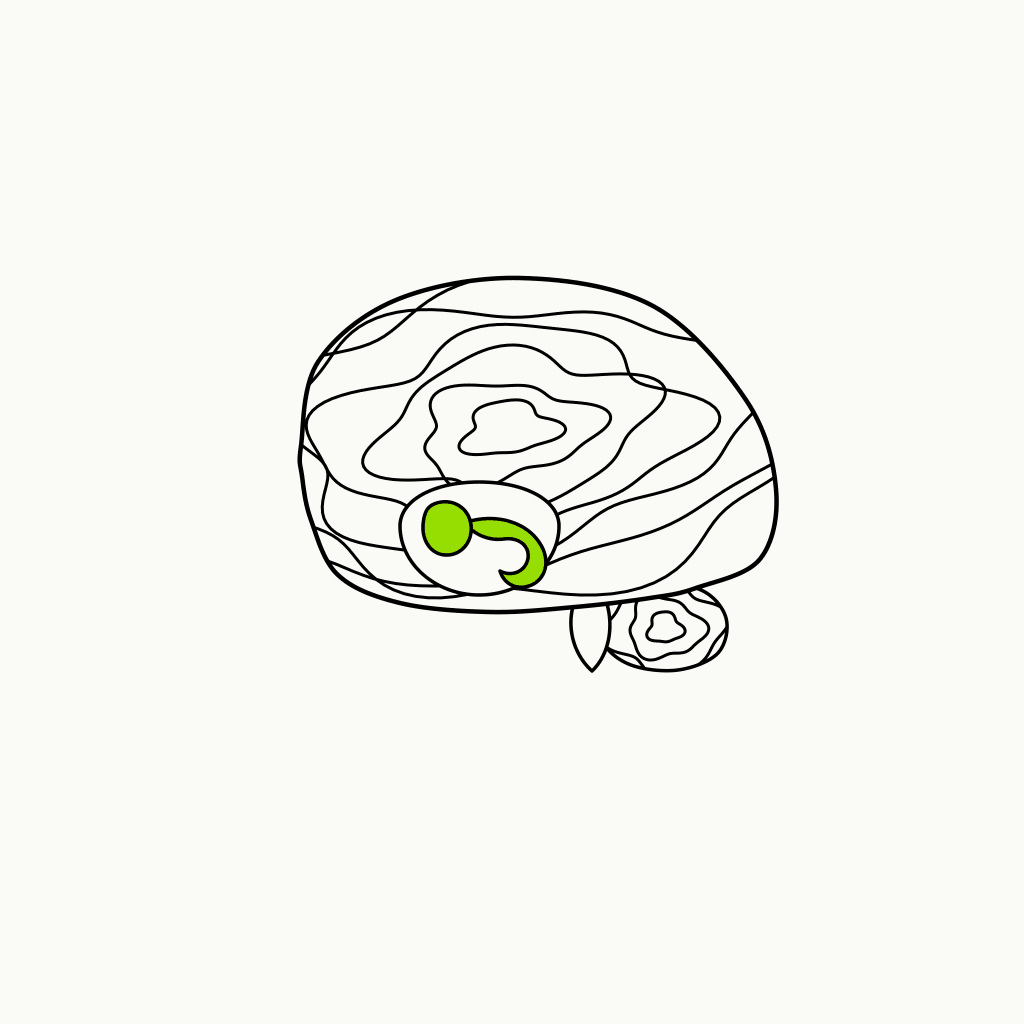
The Glossary
Clear definitions that keep the language sharp and the process transparent.
Learn More