































Where this belief fits
Schema Domain: Other-Directedness
Lifetrap: Approval-Seeking / Recognition-Seeking
Non-Nurturing Elements™ (Precursors):
How this belief keeps repeating:
Evidence Pile
When this belief is active, the mind scans for moments of social mis-timing, uncertainty, or mismatch and interprets them as proof of being socially out of sync.
Show common “proof” items
- Remembering pauses, missteps, or things said that didn’t land as intended
- Noticing uncertainty about when to speak, act, or respond
- Interpreting neutral or ambiguous reactions as discomfort
- Comparing one’s social style to people who appear smoother or more confident
- Replaying interactions for signs of having “missed something”
As perceived misalignment accumulates, internal pressure builds through self-consciousness, monitoring, and anticipatory tension.
Show common signals
- Heightened self-awareness in social settings
- Muscle tension or shallow breathing
- Mental rehearsal before speaking
- Difficulty staying present in conversation
- Sensitivity to tone, pauses, or facial expressions
To reduce the risk of further missteps, the system limits expression or participation in ways that feel safer in the moment.
Show Opt-Out patterns
- Staying quiet or letting others lead
- Over-preparing what to say
- Using humour or self-deprecation to deflect attention
- Withdrawing early from interactions
- Avoiding unfamiliar or unstructured social situations
This belief doesn’t always scream — sometimes it winces. It’s that quiet discomfort in your own skin, the second-guessing after social moments, the sense that you missed some secret script everyone else got.
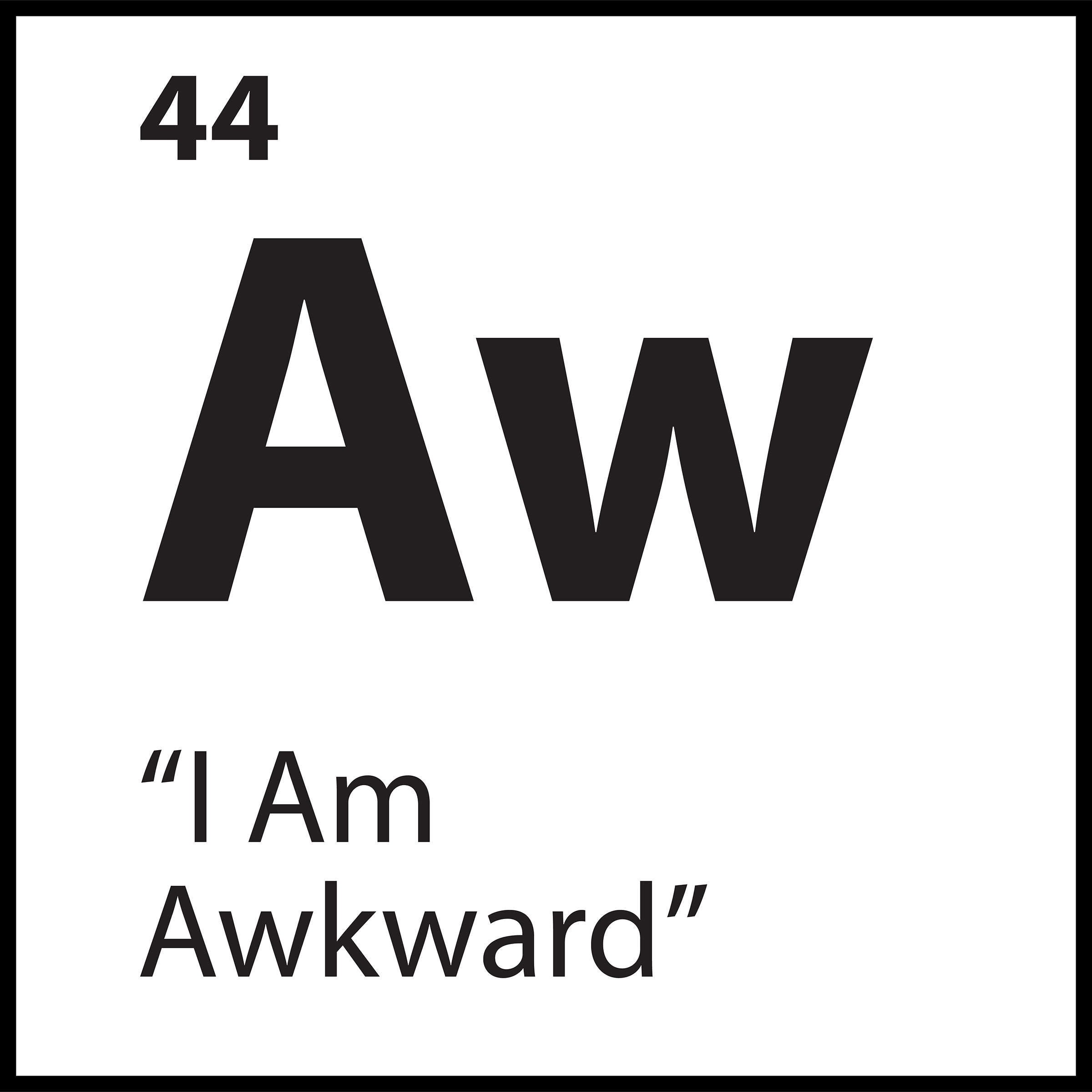
“I Am Awkward” isn’t just about social skills — it’s about internalised shame around visibility, difference, or emotional expression.
What It Sounds Like Internally:
- “Why did I say that?”
- “They must think I’m weird.”
- “I never know how to act in these situations.”
Where It Shows Up:
- Social anxiety or over-analysis after conversations
- Withholding true thoughts or personality to avoid embarrassment
- Fixating on tone, body language, or timing
- Feeling “off” in groups — even when people are kind
What It Can Lead To:
Unchecked, this belief often evolves into:
- “If I’m too much, I’ll push people away.”
- “If I’m quiet, at least I won’t say the wrong thing.”
- “If I stay invisible, I won’t be judged.”
Want to Dive Deeper into the “I Am Awkward” Pattern?
Discover related beliefs, emotional triggers, and how therapy can help you recondition this deep-rooted belief for real change.
What Therapy Targets:
We don’t force confidence — we recondition the root of self-censorship.
Through Pattern Reconditioning, we help the nervous system stop associating visibility with risk. When “being seen” no longer feels threatening, your presence naturally steadies — and what felt like awkwardness becomes genuine connection.
👉 Explore the Therapy Approach →
👉 See the Full Pattern Breakdown →