Introduction: ADHD Doesn’t Just Struggle in Calgary Workplaces — It Reacts to Them
If you live in Calgary long enough, you start to feel it — the pace, the comparison, the pressure to “keep up.”
Our city runs hot. Fast timelines. High expectations. A quiet competitiveness woven into the skyline.
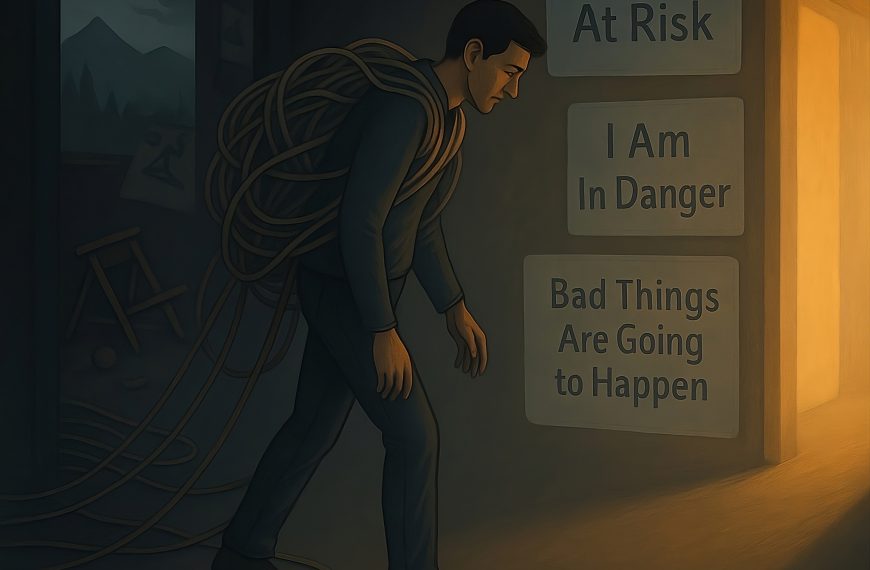
For many Calgarians with ADHD, the struggle at work isn’t about laziness, poor time management, or “not trying hard enough.” It’s the predictable outcome of underlying identity-level patterns that flare under pressure — which is exactly what ADHD Therapy Calgary is designed to address.
Calgary’s performance culture directly activates the identity-level beliefs that sit underneath ADHD loops.
Beliefs like:
- “I Am Not In Control”
- “I Am A Failure”
- “I Am Not Good Enough”
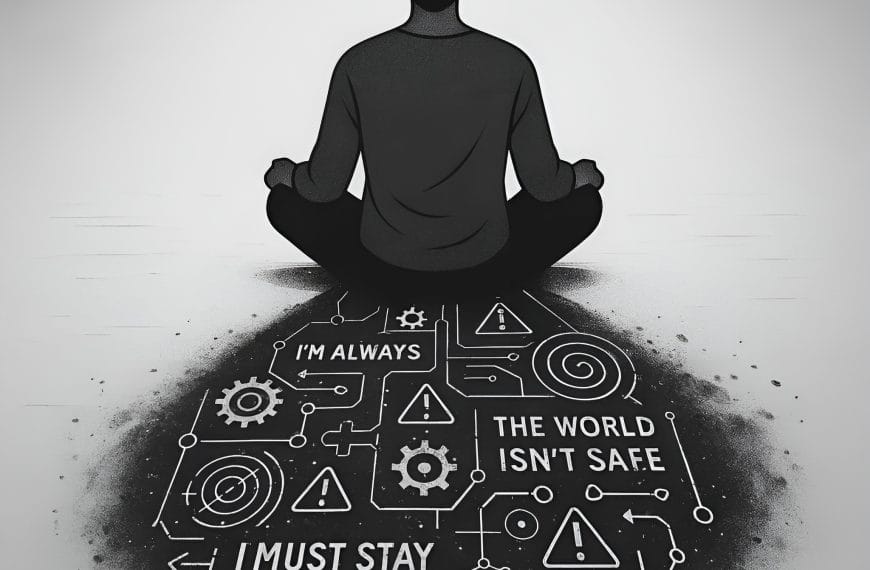
When pressure spikes, these beliefs don’t whisper — they take over the internal operating system.
And once they’re running the show, the ADHD brain isn’t choosing overwhelm, shutdown, procrastination, or emotional spikes…
…it’s protecting you.
This article breaks down why ADHD reactions intensify in Calgary’s high-demand workplaces, what actually drives the loops, and how Identity-Level Therapy shifts the brain out of the threat-based patterns that keep people stuck.
1. Calgary’s Work Culture Isn’t Neutral — It’s an Accelerator
Different cities carry different psychological “weather systems.”
Calgary’s forecast?
Achievement with a high chance of urgency.
Ask almost anyone working here, and you’ll hear the same themes:
- “We’re short-staffed right now.”
- “Deadlines are tight.”
- “Everything feels urgent.”
- “There’s always more to do.”
- “We’re moving fast — just keep up as best you can.”
In many industries (energy, engineering, tech, finance, healthcare, trades), chaos is normal — shifting timelines, reactive decision-making, rapid pivots, overloaded inboxes, unclear expectations.
For the ADHD brain, this environment doesn’t just create stress.
It activates the nervous system’s threat machinery.
And once the threat system is online, executive function goes offline:
- working memory drops
- emotional regulation collapses
- decision-making gets muddy
- prioritizing becomes impossible
- task initiation stalls
- overwhelm spikes
- shame hits hard
This isn’t because ADHD brains are “more sensitive.”
It’s because Calgary’s pressure culture directly intersects with ADHD’s most vulnerable points.
2. The Hidden Engine of ADHD Reactions at Work: Identity-Level Beliefs
Most people think ADHD workplace struggles are caused by:
- distraction
- forgetfulness
- disorganization
But beneath the surface, the real engine is interpretation — how the brain makes meaning of pressure, expectations, and uncertainty.
ADHD brains often carry identity-level beliefs formed long before adulthood, beliefs that decide:
- whether a task feels safe
- whether a deadline feels threatening
- whether a mistake feels recoverable
- whether feedback feels like failure
And in Calgary workplaces, three core beliefs show up more than any others:
2.1 “I Am Not In Control” — The Chaos Trigger
This belief activates when:
- priorities shift suddenly
- workload increases without warning
- tasks pile up faster than they can be cleared
- someone else’s urgency becomes your problem
Once activated, it spikes:
- overwhelm
- panic
- shutdown
- frantic scrambling
- perfectionistic planning
- procrastination
It’s not “losing focus.”
It’s losing internal safety.
2.2 “I Am A Failure” — The Shame Loop
This belief wakes up when:
- an email is missed
- a deadline slips
- a task is forgotten
- someone else seems more organized
- performance is compared
Instead of interpreting these moments as normal workplace imperfections, the brain interprets them as proof of defectiveness.
Cue:
- self-criticism
- emotional spiralling
- hiding mistakes
- working longer hours to compensate
- people-pleasing
- overcommitting
- burnout
This is not a motivation problem.
It’s a shame-protection problem.
2.3 “I Am Not Good Enough” — The Comparison Cycle
Calgary’s work culture is full of people who look like they’re thriving:
- colour-coded calendars
- inbox-zero habits
- steady productivity
- emotional neutrality
- fast follow-through
ADHD individuals often describe feeling like they’re “watching the same job through a different window.”
This belief doesn’t cause insecurity — it causes identity-level threat.
Which means the brain shifts into:
- hypervigilance
- masking
- overpreparing
- working harder for the same outcome
- fixing other people’s expectations
- hiding symptoms
- withdrawing
It’s exhausting — not because the job is too much, but because the belief makes every moment feel like a test you weren’t prepared for.
3. Calgary Workplaces Create Three Predictable ADHD Loops
These loops aren’t personality traits.
They’re identity-belief-driven protective mechanisms.
Loop 1: The Overwhelm → Avoidance → Panic Cycle
Belief driving it: “I Am Not In Control.”
A common Calgary version:
- The workload spikes.
- The nervous system interprets it as danger.
- Executive function collapses.
- Tasks feel impossible.
- Avoidance kicks in for protection.
- Deadlines approach.
- Panic takes over.
- A frantic productivity sprint begins.
On paper, it looks like an inconsistency.
In reality, it’s threat physiology.
Loop 2: The Perfectionism → Shutdown Loop
Belief driving it: “I Am A Failure.”
Calgary breeds perfectionism.
And ADHD perfectionism is a completely different creature.
It sounds like:
- “If I can’t do it exactly right, I shouldn’t start.”
- “If I miss something, everything falls apart.”
- “If I fail here, this confirms everything I fear about myself.”
Perfectionism isn’t about high standards — it’s about trying to outrun shame.
When the pressure gets too high, the brain shuts down, not from laziness but from protection from perceived failure.
Loop 3: The Comparison → Overcompensation Loop
Belief driving it: “I Am Not Good Enough.”
Calgarians already compare themselves constantly — income, home buying, productivity, fitness, lifestyle.
Layer ADHD into that, and the internal script becomes:
- “Everyone else seems to be handling life better.”
- “Why is this harder for me?”
- “Why can they manage stress while I spiral?”
Comparison pain turns into:
- overworking
- volunteering for extra tasks
- masking ADHD entirely
- hiding mistakes
- apologizing constantly
- burning out quietly
This loop burns a shocking amount of emotional fuel.
4. Why Typical ADHD Coping Tools Stop Working in High-Pressure Work Environments
You can have:
- planners
- timers
- medication
- colour-coded systems
- accountability partners
- organizational tools
…and still cycle through:
- overwhelm
- shutdown
- spiralling
- procrastination
- poor follow-through
- self-blame
Why?
Because tools don’t rewrite identity-level beliefs.
You can’t out-plan:
- “I Am Not In Control.”
- “I Am A Failure.”
- “I Am Not Good Enough.”
This is why so many high-functioning adults with ADHD say:
“I know exactly what I should be doing — I just can’t make myself do it.”
It’s not a behaviour problem.
It’s a threat-system interpretation problem.
Identity-Level Therapy for ADHD in Calgary
Identity-Level Therapy targets the belief patterns that fuel ADHD reactions under pressure — not just symptoms. By reconditioning beliefs around capability and control, clients shift from panic and shame to clarity and grounded performance.
It’s organized around three pillars:

ShiftGrit Core Method™
Our structured framework for breaking outdated identity patterns.
Learn more
The Pattern Library
Real-world examples of loops like perfectionism, procrastination, and shutdown.
Learn more
The Glossary
Clear definitions that keep the language sharp and the process transparent.
Learn moreLimiting Beliefs Commonly Linked with ADHD Therapy
These identity-level patterns frequently show up for clients seeking adhd therapy. Explore the beliefs to learn the “why” and how therapy can help you recondition them.

“I Am Not in Control”
When “I Am Not In Control” is running the show, everything feels like too much. You either grip harder—rigid routines, hypervigilance—or give up entirely. Underneath it all is…
Explore this belief
“I Am A Failure”
“I Am A Failure” isn’t about isolated mistakes — it’s a deeply patterned belief that tells you nothing you do is good enough. It drives procrastination, perfectionism, and…
Explore this belief
“I Am Not Good Enough”
“I’m Not Good Enough” isn’t just a negative thought — it’s a pattern formed by early experiences like criticism, neglect, or impossible expectations. This belief fuels perfectionism, people-pleasing,…
Explore this beliefWant to see how these fit into the bigger pattern map? Explore our full Limiting Belief Library to browse all core beliefs by schema domain and Lifetrap.
5. How Identity-Level Therapy Supports ADHD in Calgary Workplaces
Identity-Level Therapy isn’t about motivation or skill-building.
It’s about:
- reconditioning limiting beliefs
- shifting how the brain interprets pressure
- removing identity-level threats
- regulating the Walnut Brain (survival system)
- creating automatic emotional change
When the belief changes, the reaction changes.
With ILT, ADHD clients often report:
- fewer shutdowns
- reduced emotional spiralling
- less overstimulation during pressure
- more stable follow-through
- healthier boundaries
- less catastrophic thinking
- more clarity under stress
- decreased perfectionism
- an ability to recover faster from overwhelm
They don’t become “different people.”
They become people no longer driven by shame and threat.
6. What Transformation Actually Looks Like
Here’s the shift we see repeatedly:
Before ILT
- constantly behind
- working from urgency
- fighting their brain
- hiding symptoms
- feeling defective
- reactive to chaos
- emotionally tired
After ILT (across sessions, gradually, then consistently)
- calmer internal world
- reduced pressure sensitivity
- fewer spirals after mistakes
- improved focus without forcing it
- realistic self-assessment
- the ability to pause instead of panic
- work feels doable
- identity feels intact even under stress
This is the difference between managing ADHD and changing the layer that drives the reactivity.
7. Calgary Isn’t the Problem — the Interpretation Is
Calgary didn’t create ADHD.
But Calgary does activate beliefs already living inside the pattern system.
Change the belief → change the loop → change the experience of the same job.
That’s the ShiftGrit approach.
Conclusion
Calgary’s pace isn’t slowing down.
But your internal pace can.
When the brain no longer interprets pressure as danger, ADHD isn’t a liability — it becomes a system you can work with instead of against.