














































Where this belief fits
Schema Domain: Impaired Autonomy & Performance
Lifetrap: Dependence / Incompetence
Non-Nurturing Elements™ (Precursors):
How this belief keeps repeating:
Evidence Pile
When active, the mind interprets obstacles as permanent confinement.
Show common “proof” items
- Staying in difficult situations longer than desired
- Financial or relational constraints
- Feeling obligated despite resentment
- Perceived lack of options
- Remembering times of powerlessness
- Authority figures limiting choice
Perceived lack of autonomy builds internal urgency and frustration.
Show common signals
- Restlessness
- Irritability
- Mental escape fantasies
- Hopeless rumination
- Physical tension
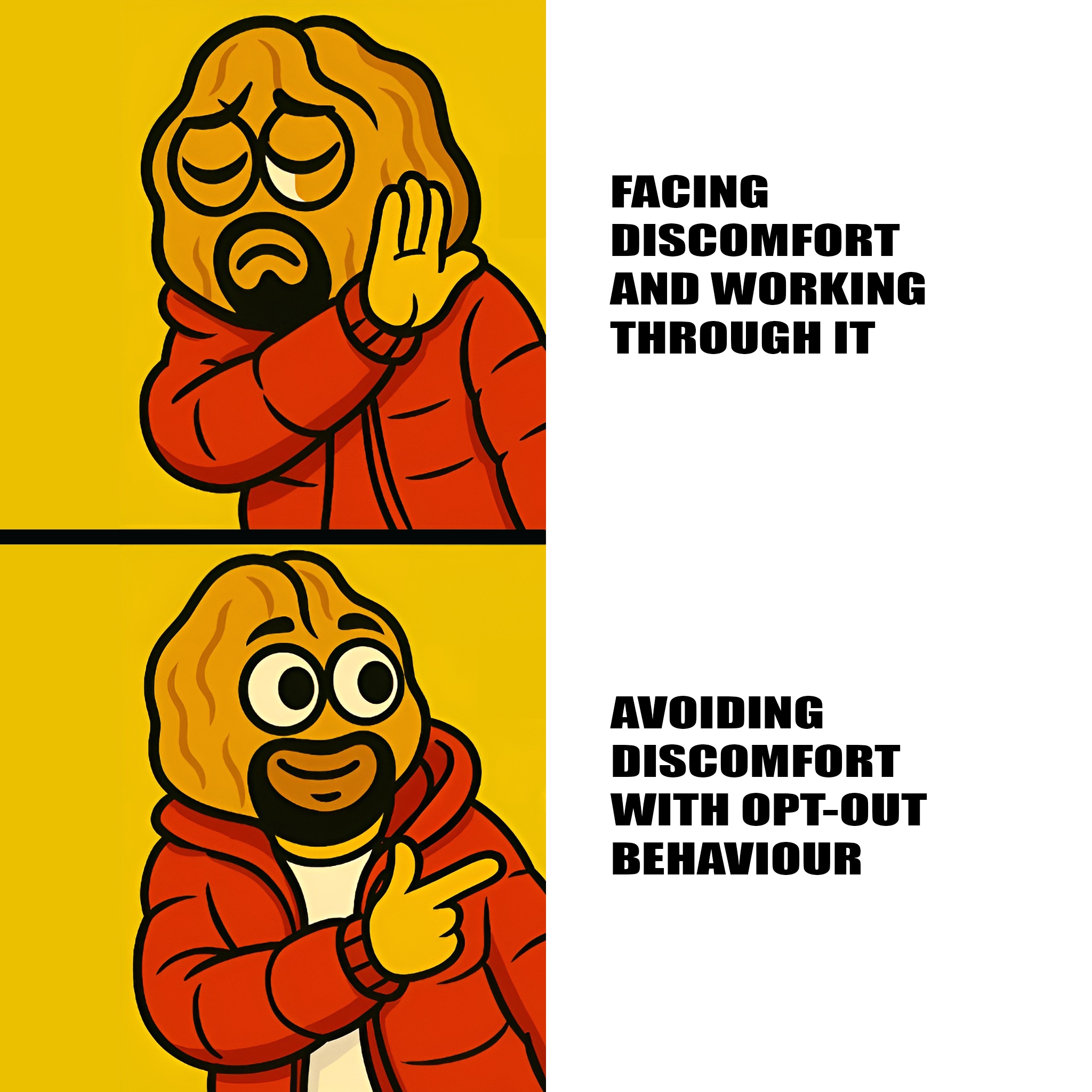
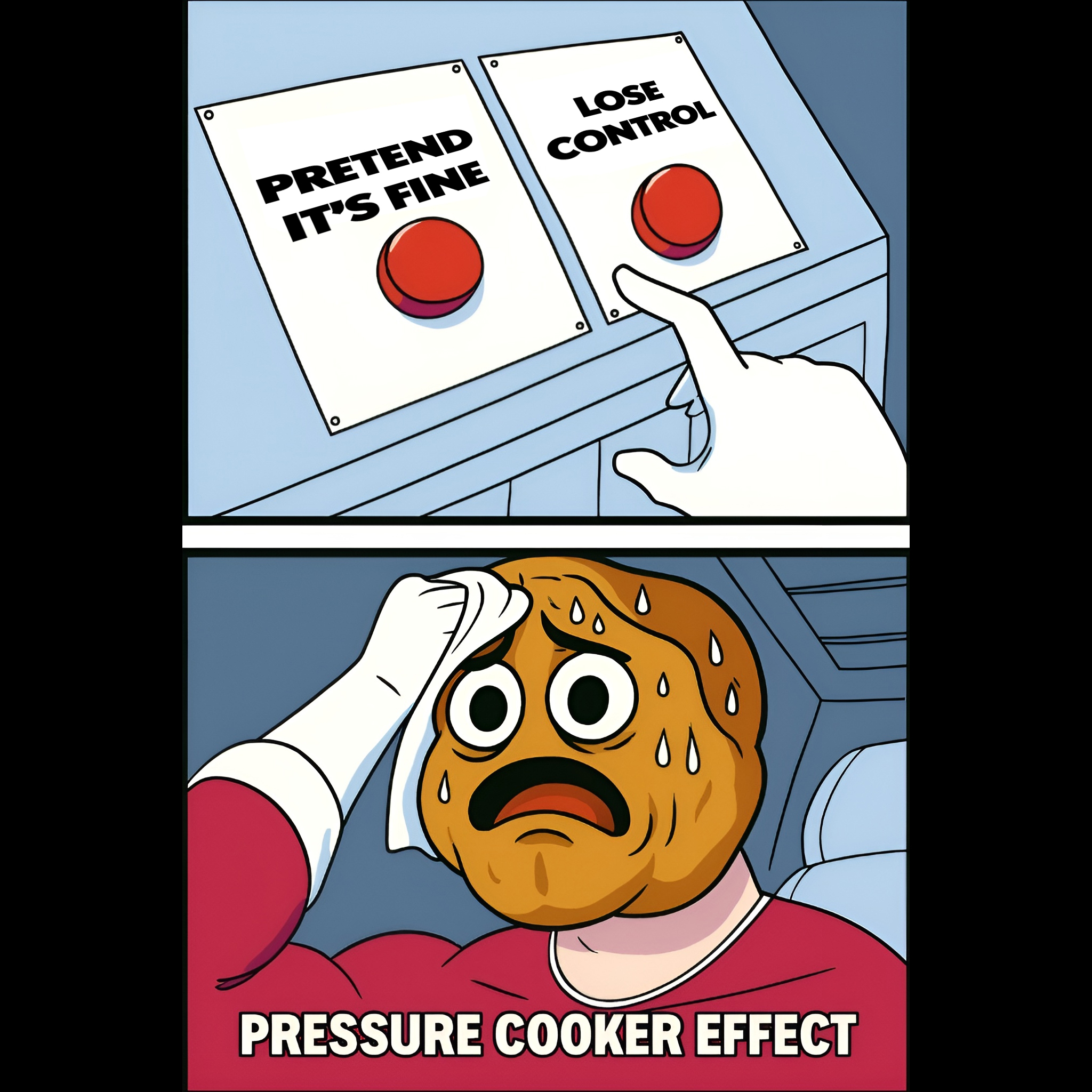
Pressure releases through avoidance, shutdown, or impulsive escape — reinforcing the sense of being stuck.
Show Opt-Out patterns
- Freezing on decisions
- Avoiding change conversations
- Staying passive
- Sudden impulsive exits
- Emotional numbing
- Blaming circumstances without action
- Resentment without boundary-setting
This belief tends to form in environments where escape wasn’t possible—emotionally, relationally, or physically. The person learned that discomfort had to be endured because leaving, resisting, or asserting autonomy wasn’t an option.
Over time, the nervous system wires constraints into identity. Uncomfortable situations—or even just uncertain—begin to feel permanent.
It’s not that they have no choices.
It’s that their system expects there aren’t any.
What It Sounds Like Internally:
- “There’s no way out of this.”
- “I’m stuck.”
- “I don’t have a real choice.”
- “If I try to leave, it’ll get worse.”
- “This is just how it is.”
- “I can’t change this.”
Where It Shows Up:
- Staying in draining jobs or relationships
- Avoiding difficult conversations because “what’s the point?”
- Freezing when big decisions arise
- Feeling overwhelmed by responsibility
- Procrastinating change
- Fantasizing about escape without taking steps
- Difficulty asserting boundaries
- Resentment toward obligations
What It Can Lead To:
- Chronic resentment
- Passive coping
- Emotional shutdown
- Sudden impulsive exits
- Burnout from enduring too long
- Learned helplessness
- Fear of making irreversible decisions
Want to Dive Deeper into the “I Am Trapped” Pattern?
Explore related beliefs like “I Am Powerless,” “I Am Helpless,” “I Am Not in Control,” and “I Am Incapable,” and understand how threat-based identity patterns shape avoidance and endurance cycles.
What Therapy Targets:
Identity-Level Therapy helps uncover when and where autonomy felt blocked or unsafe. Often this belief formed in situations where resistance led to punishment, escalation, or emotional withdrawal.
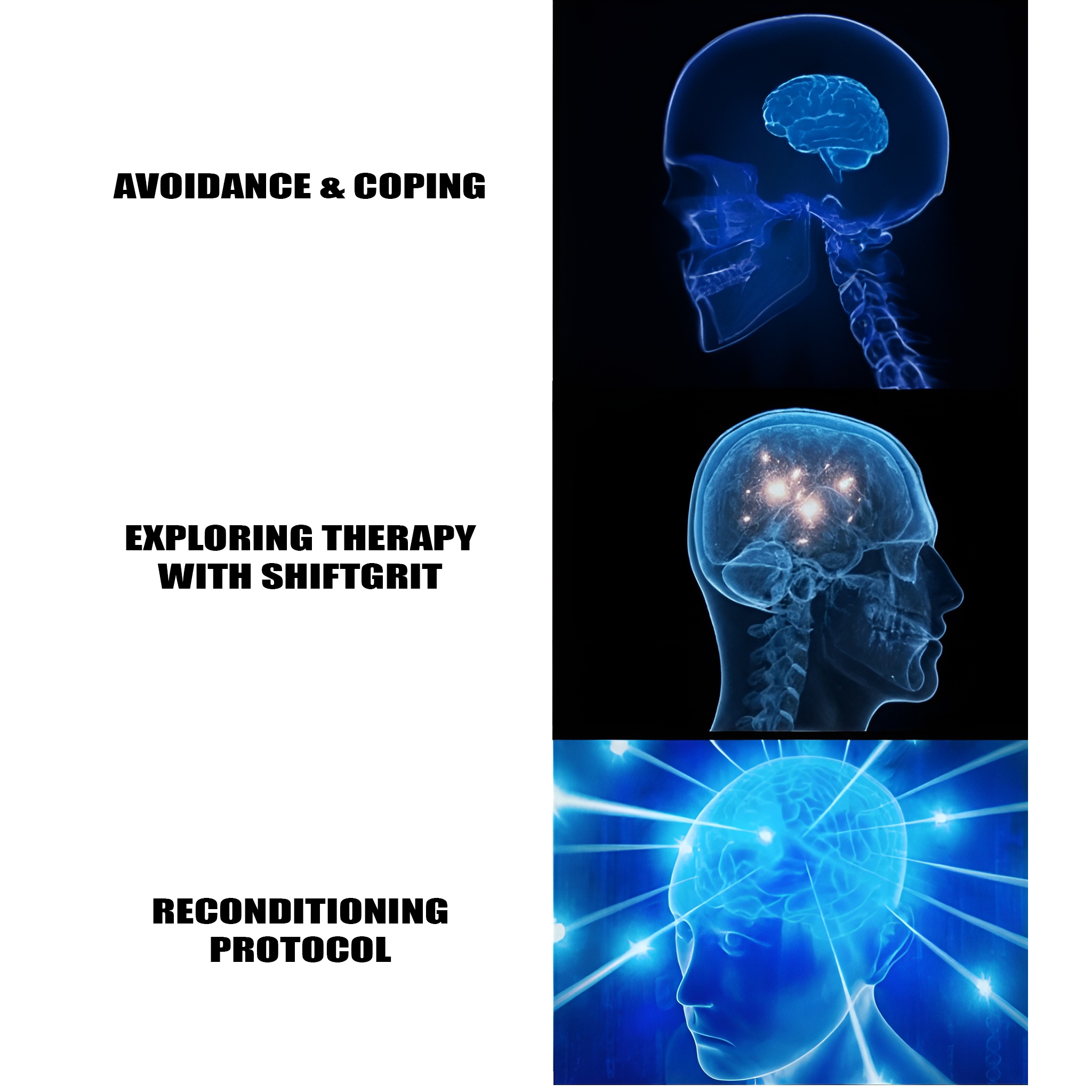
Through Pattern Reconditioning, we reduce the automatic association between discomfort and confinement. Instead of freezing or enduring indefinitely, clients begin distinguishing between actual constraints and perceived ones.
The goal isn’t reckless escape.
It’s restoring the sense that options exist.
👉 Explore the Therapy Approach →
👉 See the Full Pattern Breakdown →