Imposter Syndrome at Work
High-performing professionals who feel like frauds despite a track record of real results. The mind reframes every win as luck, timing, or a mistake the room has not yet noticed. Promotions and praise often intensify the feeling rather than ease it, because the gap between external evidence and internal self-reading widens. The pattern runs on a belief like "I am incapable," and the achievements never reach the layer where that belief lives.
People-Pleasing and the Lost Self
Chronic accommodation of other people's preferences, moods, and expectations to the point of losing track of your own. Saying no produces guilt that feels physical. Conflict triggers a freeze, then a collapse into agreement. Over years the self that was being protected by the pleasing gets harder to locate, and clients often describe not knowing what they actually want anymore. The driver is usually a belief that being liked is the condition for being safe.
Perfectionism-Driven Self-Worth
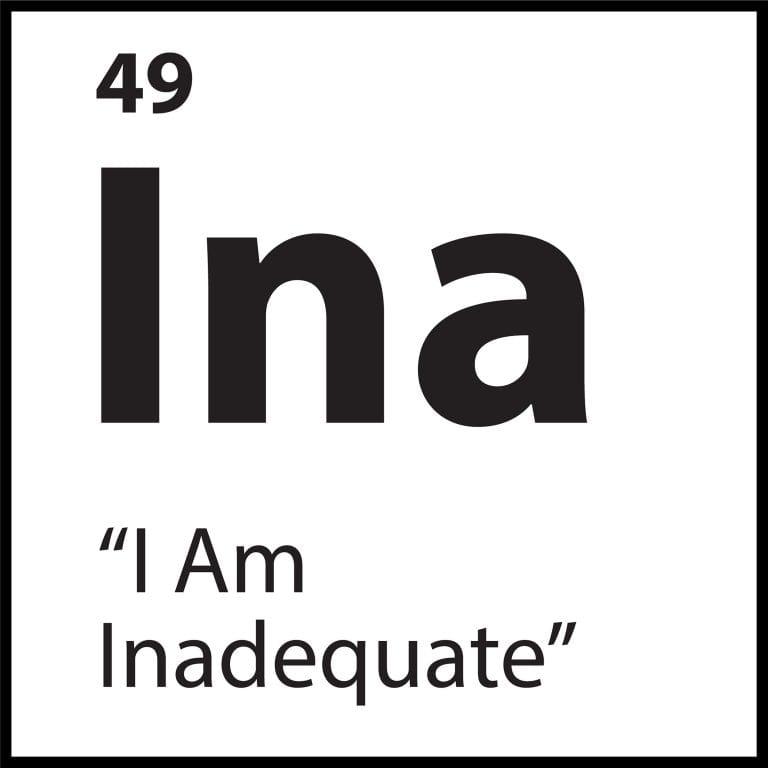
Worth and output have fused. The work is never finished, the standard keeps moving, and rest feels dangerous. A 95 percent performance is read by the mind as a 5 percent failure. Mistakes do not register as data, they register as evidence about who you are. The pattern protects against an underlying belief about inadequacy, and the cost is exhaustion, procrastination on the things that matter most, and a brittle relationship with feedback.
Body Image and Appearance-Linked Self-Esteem
Self-worth that tracks the mirror, the scale, or a specific feature. Good days hinge on how the body reads back, bad days collapse the whole self-concept. The pattern often coexists with disordered eating, gym-anxiety, or appearance-checking rituals. The deeper layer is rarely about the body itself; it is about a belief that being acceptable as a person depends on being acceptable as a body, and that belief was usually installed long before adulthood.
Post-Relationship Self-Esteem Collapse
A breakup, divorce, or long-term relationship ending that has left the self-concept in pieces. The story the mind is running is some version of "if I was enough, this would not have happened," and that story attaches to every prior doubt the person already carried. Common features include rumination on the ex, hyper-analysis of one's own faults, and a felt sense of being unlovable that operates independent of evidence to the contrary.
Childhood-Rooted Core Unworthiness
A baseline sense of "I am not good enough" or "I am unwanted" that traces back to early life rather than to a recent event. Often there is no single big trauma to point at, just a long pattern of conditional regard, emotional neglect, or being valued for performance. The belief was reasonable at the time and has long since outlived its usefulness. It runs underneath adult life as a kind of background hum, colouring relationships, work, and self-talk.
Achievement Burnout and Identity Hollowing
The achievement treadmill has finally outpaced the person on it. Years of using output as the source of worth have produced a successful life and a hollowed-out interior. Slowing down feels intolerable because the identity is structured around the next thing. The pattern often surfaces in mid-career, after a major milestone, or following a health event that forces a pause. The work is to separate worth from output without dismantling the parts of the drive that are healthy.