In-Person & Virtual Therapy

Anger Management Therapy in Edmonton

Published Updated
Book Online

Does any of this sound like you?

  • You can keep it together through a full Henday commute and an AHS shift and then snap at the first thing that goes wrong at home.
  • You have already taken an anger course or read the books and the skills do not hold once the provocation actually lands.
  • After an outburst you spend the next day running shame loops, apologizing, and promising yourself the next one will be different.
  • Your body knows the eruption is coming before your mind does. Jaw, chest, hands, breath, and by then the choice is already gone.
  • The people who get the calm version of you are colleagues and acquaintances. The people who get the reactive version are your partner and your kids.
  • A specific kind of moment sets you off the same way every time. Being talked over, being blamed unfairly, being treated as if you do not matter.

About this service

If anger keeps showing up the same way, it is running on a pattern. The drive home from a long AHS shift where the Henday slows and the dashboard takes the hit. The team meeting that ends fine and the email that lands an hour later and ruins the night. The kid who asks the same question twice and the voice that comes out louder than you meant. By the time you are searching for an anger therapist in Edmonton, the cycle is usually older than the trigger.

Most clients arriving at our 124 Street studios have already tried the easy fixes. Counting down. Walking out. The breathing app a benefits rep at work recommended. Some have done a court-ordered course. The skills helped for a week and then the next provocation hit and the body went exactly where it goes. That is not a willpower problem. That is a belief running underneath behaviour that has not been touched yet.

ShiftGrit Edmonton works the layer the courses skip. We see clients from AHS frontline and shift work, U of A and NAIT staff, government employees downtown, trades crews, and parents who are calm everywhere except at home. In-person at 10445 124 Street in Westmount or Oliver, or virtual across Alberta.

Types of anger management we treat

Workplace and Career-Triggered Anger

Edmonton runs on AHS, the University of Alberta, NAIT, government, and trades. Long shifts, hierarchical reporting, performance reviews, and HR processes generate steady provocation. When anger starts costing you reputation, peer relationships, or formal warnings, the cost stops being internal.

Relationship and Partner Anger

The version of you your partner sees is harsher than the version your colleagues see. Recurring fights about the same handful of issues. Walking-on-eggshells dynamics on both sides. A partner who has said in plain language that something needs to change or the relationship will not last.

Parental Anger

You react harder than your kids deserve and then sit with the guilt afterward. Bedtime routines, homework, screen-time negotiations, and sibling conflicts turn into eruptions you replay for hours. You do not want your kids learning anger from watching you regulate poorly.

Road Rage and Commute Anger

The Henday, the Yellowhead, construction season, and a dark icy commute into work in January. Tailgaters, merge cutoffs, and slow left lanes pull a reaction that scares passengers or follows you into the office. Driving has become a daily provocation rather than transit time.

Suppression Then Eruption

You absorb provocations all week, hold tone with managers, hold tone with family, hold tone in public, and then one small Saturday-morning thing detonates everything. The outburst feels disproportionate because it is paying for a backlog you stopped feeling in real time.

Court-Mandated or Employer-Required Work

A judge, a probation officer, a workplace policy, or AHS conduct review has required documented work on anger. We provide therapy and attendance letters for sessions completed. We do not run a fixed-curriculum certified anger management course. Confirm with the requiring body that therapy with a registered provider satisfies the condition.

Anger With Co-occurring Anxiety or Depression

Anger rarely shows up alone. Anxious clients often present with irritable activation rather than panic. Depressed clients often present with shortened fuse rather than sadness. When mood symptoms and anger are tangled together, the assessment maps both layers and the work targets the belief patterns feeding the whole system.

Deep dive

Chronic Anger & Emotional Outbursts


Identity-Level Therapy for Anger Management in Edmonton

Identity-Level Therapy works on the belief patterns sitting underneath reactive anger. The rules about safety, fairness, worth, and being heard that make activation feel automatic, not the outburst on the surface.

It’s organized around three pillars:


Limiting Beliefs Commonly Linked with Anger Management Therapy

These identity-level patterns frequently show up for clients seeking anger management therapy. Explore the beliefs to learn the “why” and how therapy can help you recondition them.

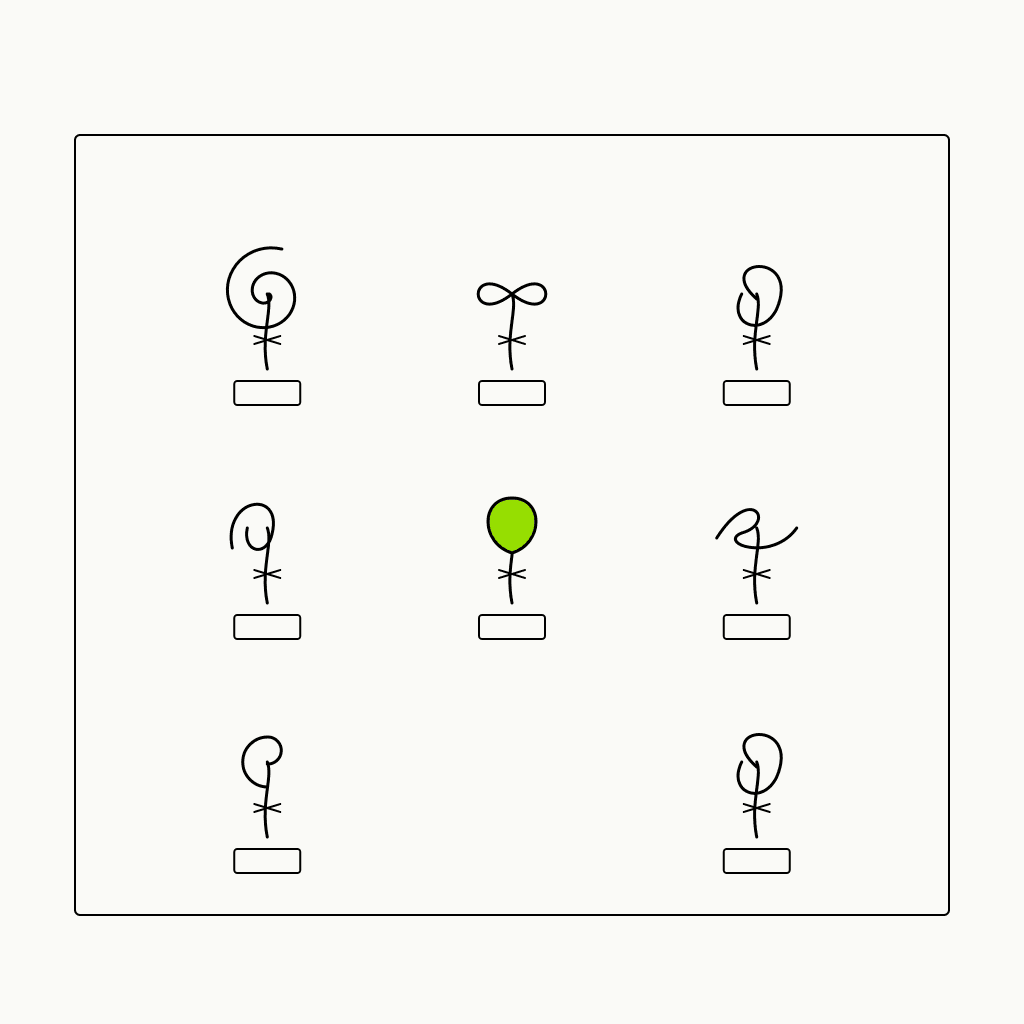
Core Belief Inv – “I Am Invisible” – ShiftGrit Periodic Table of Limiting Beliefs

“I Am Invisible”

You’re in the room—but it’s like no one sees you. The belief “I Am Invisible” shapes how you show up—or don’t—in relationships, work, and life. You might fade…

Explore this belief

Want to see how these fit into the bigger pattern map? Explore our full Limiting Belief Library to browse all core beliefs by schema domain and Lifetrap.


Program Overview

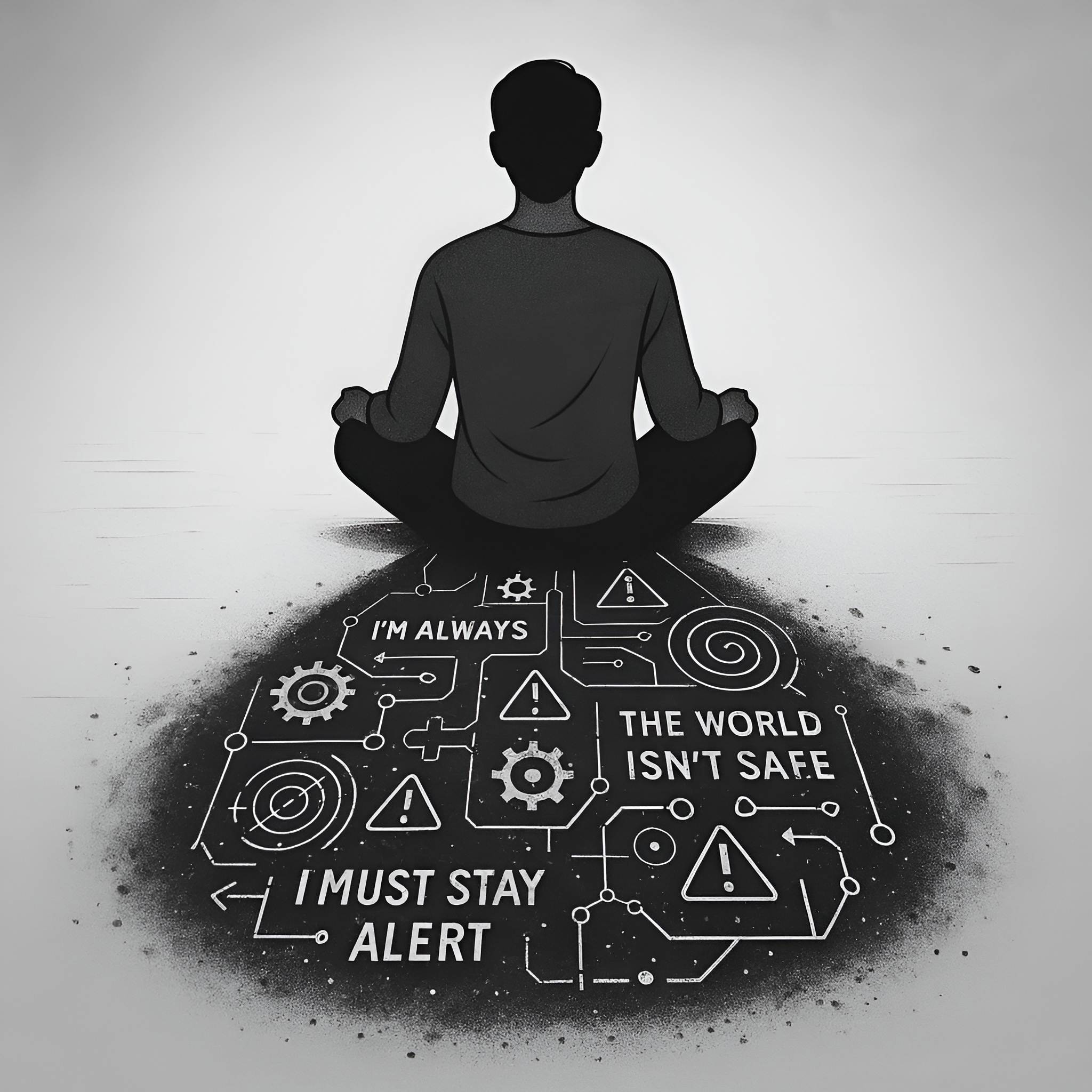
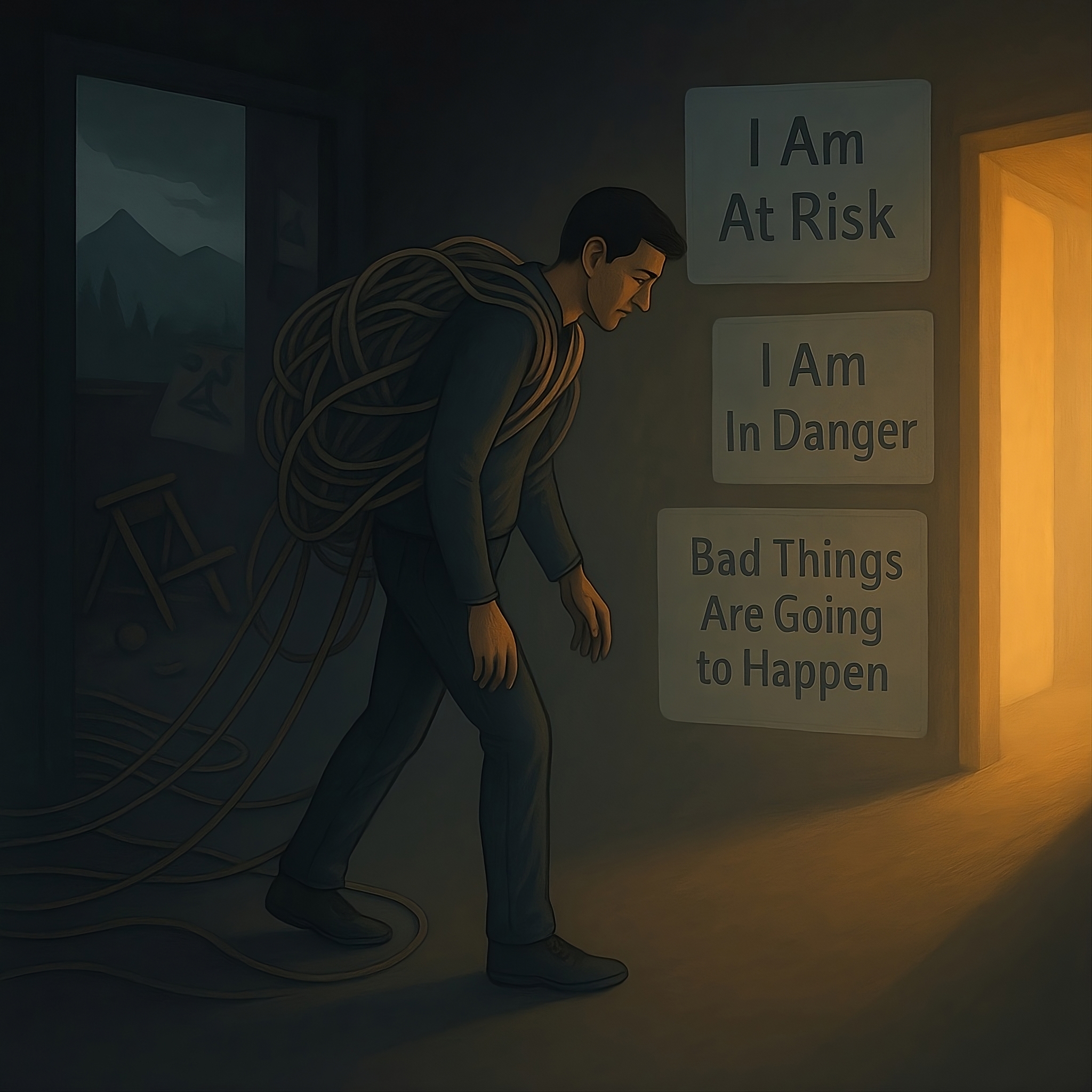
Reactive anger is a survival circuit firing on outdated information. Somewhere in your history a brain learned that a specific kind of provocation, being talked over, being blamed, being treated as small, being told to calm down, was not safe to feel without responding hard. That learning got stored as a belief. Years later the belief still runs even though the original threat is gone, and the body keeps obeying it. That is why courses and worksheets often stall. They train new behaviour on top of an unchanged operating rule.

Our Core Method™ runs a structured assessment first. We map the specific belief patterns driving your activation. For most anger clients these cluster around “I Am Not Understood,” “I Am Less Than,” and “I Am Responsible.” Then we use Reconditioning, our protocol from the Identity-Level Therapy category, to weaken the emotional charge those beliefs carry. When the belief stops firing at the old intensity, the reactive sequence loses its fuel before it reaches behaviour.

This is therapy, not a fixed-curriculum certified program. If you need an attendance letter for court, an employer, or AHS, we can provide one for sessions completed. What you should expect is a different relationship with the trigger itself, not a better technique for surviving it.

Meet Some of Our Edmonton Therapists

Many of our Edmonton clinicians work with anger management. Browse profiles, watch introduction videos, and book online when you're ready.


Trusted by Leading Psychology and Mental Health Organizations Serving Edmonton

Our clinicians hold credentials recognized by the major licensing and professional bodies serving Edmonton and across Canada.


Trusted By Alberta’s Leading Psychology & Mental Health Organizations

ShiftGrit Psychology & Counselling is professionally regulated, certified, and recognized by leading psychology and mental-health organizations across Alberta and Canada. These associations reflect our commitment to ethical practice, clinical standards, and evidence-informed therapy through Identity-Level Therapy and Reconditioning.

Regulated and affiliated across Alberta’s leading psychology, counselling, and mental-health organizations.


Regulated and affiliated across Canada's leading psychology, counselling, and mental-health organizations.

Book a session

Ready to start Anger Management Therapy in Edmonton?

Connect with one of our Edmonton therapists. Online booking available — same-week appointments are usually possible.

FAQ

I have a court-mandated anger management requirement. Does ShiftGrit count?

It depends on what your order or condition specifies. ShiftGrit Edmonton provides individual psychological therapy for anger with a registered provider, and we issue attendance letters for sessions completed and dates of service. What we do not run is a fixed-curriculum certified anger management program, the kind some Alberta court orders, probation conditions, or employer requirements name explicitly.

Before booking, take the wording of your requirement to your lawyer, probation officer, HR contact, or AHS reviewer. Ask whether one-on-one therapy with a registered psychologist or therapist satisfies the condition, or whether a specific program format is required. If individual therapy is accepted, we can proceed. If a structured group course is required, we will tell you that directly so you do not waste sessions on the wrong format.

How is this different from an anger management course?

Most anger management courses in Edmonton are group-based, time-limited, and skills-focused. You learn to identify warning signs, slow your breathing, use a timeout, communicate assertively, and reframe hot thoughts. For some clients those skills are enough.

For the clients who end up at our 124 Street studios, the skills have usually already been tried. They worked in the parking lot after class and held for a few weeks and then collapsed under a real provocation. That pattern is a signal that the belief underneath the anger has not been touched. Our work uses the Core Method™ to map those belief patterns and Reconditioning, our Identity-Level Therapy protocol, to reduce the emotional charge they carry. It is one-on-one, not a group. It targets the operating rule, not the behaviour on top of it.

Are you going to judge me for the things I have done when angry?

No. Your therapist has heard the things you are nervous to say out loud. The yelling, the wall, the door, the words you cannot take back, the moment in front of your kids you replay in the shower. Therapy does not work if you are managing your therapist instead of telling the truth.

What we are doing in the room is forensic, not moral. We are looking at when the anger fires, what pattern it follows, and what belief got installed underneath it. That work needs the unedited version. You set the pace on what you share and when. We have one statutory limit on confidentiality, which is imminent risk of harm to a specific person or to you, and your therapist will walk you through that on day one.

Should my partner come to sessions?

Usually not at the start. Anger work begins as individual therapy because the belief patterns we are targeting are yours, and the Reconditioning protocol runs cleaner when the room is yours. Pulling a partner in too early can shift the session into couples conflict mediation, which is a different scope of work.

What we sometimes do, once individual work is underway and the activation has come down, is bring a partner in for a focused session or two so they understand what changed, what to expect during a difficult moment, and how to respond in a way that does not re-trigger the old pattern. If the relationship itself is in active crisis, we may refer to a couples therapist to run alongside the individual anger work.

How quickly can I start, and how do sessions get scheduled?

Most Edmonton clients book online and start within one to two weeks. Booking runs through our online system. You pick a therapist, pick a time, and confirm. No phone-tag, no intake call before booking.

Sessions are standard fifty-minute hours. Frequency depends on stage of work. Assessment and early Reconditioning typically run weekly or every other week so the protocol stays in working memory. Once activation has come down and patterns are settling, sessions space out. Court-ordered or employer-mandated clients with a deadline should flag that when booking so we can pace the work appropriately and document attendance from session one.

How is Identity-Level Therapy different from CBT for anger?

CBT for anger works the thought-feeling-behaviour loop. You learn to catch the activating thought, test it against evidence, and substitute a more accurate or less inflammatory version. It is well-researched and many clients get real benefit from it.

Identity-Level Therapy is a category of approaches that works one layer underneath the thought. The premise is that thoughts in the moment are downstream of stored beliefs about who you are and how the world treats you. If the belief is “I Am Not Understood,” your brain will keep manufacturing thoughts and emotional charges consistent with that belief no matter how many times you challenge any single thought. Our Core Method™ assesses those underlying beliefs, and Reconditioning works to weaken their charge so the loop stops being fed from below. The two approaches are not enemies. They work at different layers.

Does Alberta insurance or my employer benefits cover this?

Sessions with a registered psychologist are eligible for reimbursement under most Alberta extended health benefit plans, including the plans common at AHS, U of A, the City of Edmonton, the Government of Alberta, NAIT, and most large private employers. Coverage amounts and per-session caps vary by plan and by provider designation. Some plans require a specific credential, most commonly Registered Psychologist, to reimburse.

What we recommend before your first session: check your plan booklet or call your benefits provider for the per-session cap, the annual maximum for psychology or counselling, and which credentials qualify. We invoice you directly and you submit for reimbursement, or use direct billing where supported. We do not bill Alberta Health for therapy. Court-mandated session fees are usually paid out of pocket unless your employer is funding the work.

How long does anger work usually take?

Most Edmonton anger clients see meaningful change within eight to fifteen sessions. The range is wide because the work depends on how many belief patterns are involved, how charged each one is, how long the pattern has been running, and what else is in the system. A client whose anger sits on one main belief and started in their twenties usually moves faster than a client carrying three belief patterns rooted in childhood plus current relationship strain.

What clients tend to notice first is not zero anger. It is a longer gap between trigger and reaction, a smaller body response to provocations that used to detonate them, and the ability to choose a response instead of watching one happen. The eruptions get rarer and lower-amplitude before they disappear.

Can I do this online if I am outside Edmonton or working shift work?

Yes. We see clients virtually anywhere a ShiftGrit therapist is registered to practise, which for Alberta-registered providers means anywhere in Alberta. Virtual sessions work well for anger therapy because the Reconditioning protocol does not require in-person presence to run effectively.

Virtual is the right call when you are outside Edmonton proper, when AHS shift rotations or trades schedules make weekday in-person bookings impossible, or when winter conditions on the Henday or the Yellowhead make a 5 p.m. drive into Westmount unreliable. If you prefer in-person, our 124 Street Downstairs and Upstairs studios at 10445 124 Street are walkable from Westmount, Oliver, and Glenora and a short drive from Garneau, Belgravia, downtown, and the west end.

What if my anger comes with anxiety or depression?

Co-occurring anxiety or depression is closer to the norm than the exception with anger clients. The assessment in the first one or two sessions explicitly maps what else is in the system. If anxiety is feeding the anger, for example a “I Am Responsible” pattern producing both worry and irritable overload, the work targets that shared belief and both presentations tend to move together.

If depression is the primary driver and anger is the surface symptom, for example a “I Am Less Than” pattern producing both flat mood and shortened fuse, we will name that and adjust the sequencing. We do not treat anger as a behaviour problem when it is actually a downstream signal of something else. We treat the layer that is actually running the show.


More Edmonton Therapy Guides

Living and working in Edmonton often means navigating responsibility, resilience, and long winters. These guides examine how emotional patterns develop in demanding environments, how identity-level beliefs shape reactions, and how structured therapeutic work supports meaningful change over time.

Not in Edmonton? See Calgary options.

Authored by

ShiftGrit Clinical Editorial Team

The ShiftGrit Clinical Editorial Team combines the insight of registered psychologists, provisional psychologists, and trained writers to create accessible, evidence-informed therapy resources. All content is clinically reviewed by a Registered Psychologist.

Reviewed by registered psychologists at ShiftGrit, regulated by the College of Alberta Psychologists.