Most people think trauma is about the event. The crash. The breakup. The childhood environment.
But in Calgary, trauma responses are often kept alive not because of what happened, but because of what’s happening every day around you.
High-stress workplaces, unpredictable schedules, industry volatility, and a culture of “push harder” create a perfect storm for keeping trauma loops active long after the original threat is gone.
Calgary isn’t uniquely traumatizing.
But it is uniquely activating.
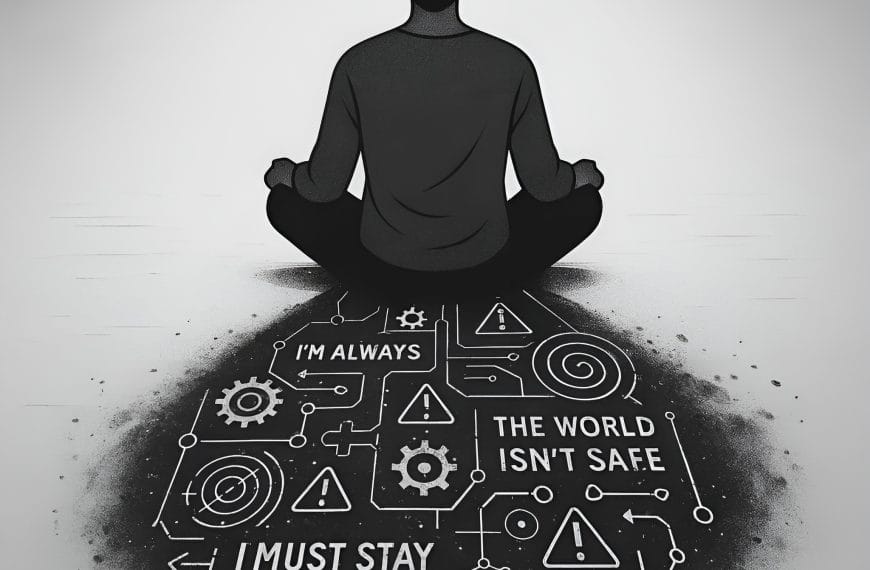
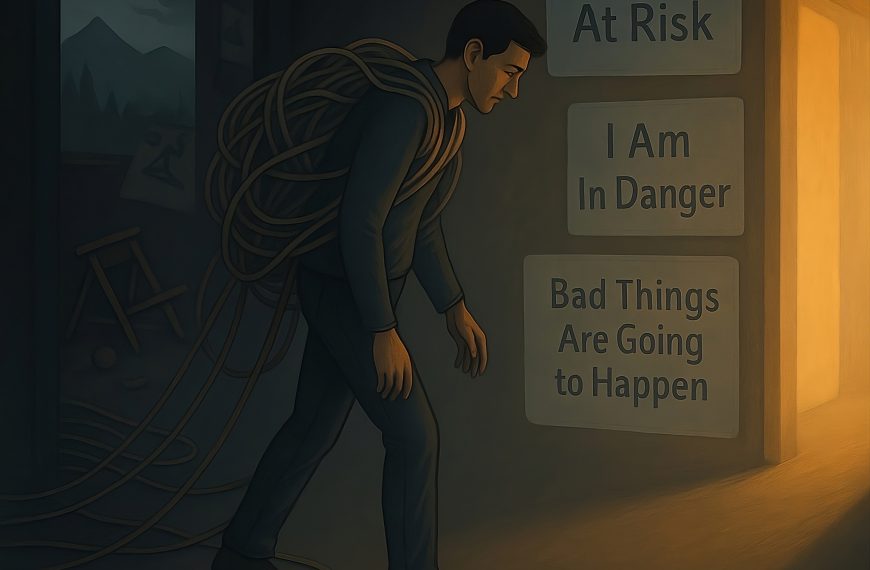
If you already carry an identity-level belief like “I’m at risk,” “I’m not safe,” or “I’m not in control,” Calgary’s environment gives those beliefs plenty of fuel.
This article breaks down why trauma responses persist in high-pressure cities like Calgary—and how therapy that targets the identity layer (not just coping) helps you recondition the loop for good.
1. Trauma Responses Aren’t About the Event — They’re About the Loop
A trauma “response” is usually a combination of:
- A belief your nervous system installed early (e.g., “I’m not safe”)
- A trigger that activates it
- A behaviour meant to protect you from the belief being true
This becomes a loop:
Trigger → Identity Belief → Anxiety Spike → Automatic Behaviour → Temporary Relief → Reinforcement of the Belief.
In a low-pressure environment, these loops might flare occasionally.
In Calgary? They run constantly.
2. Calgary’s High-Stress Landscape Keeps the Loop Primed
Some cities activate trauma—Calgary tends to sustain it.
A. Boom-Bust Economic Pressure
Calgary has a distinct psychological rhythm: long stretches of uncertainty punctuated by spikes of intensity.
If your trauma pattern revolves around:
- fear of losing control
- fear of instability
- hypervigilance
…this environment keeps that belief activated.
B. Performance-Heavy Work Culture
Energy, tech, engineering, finance—most major Calgary industries reward:
- self-sacrifice
- long hours
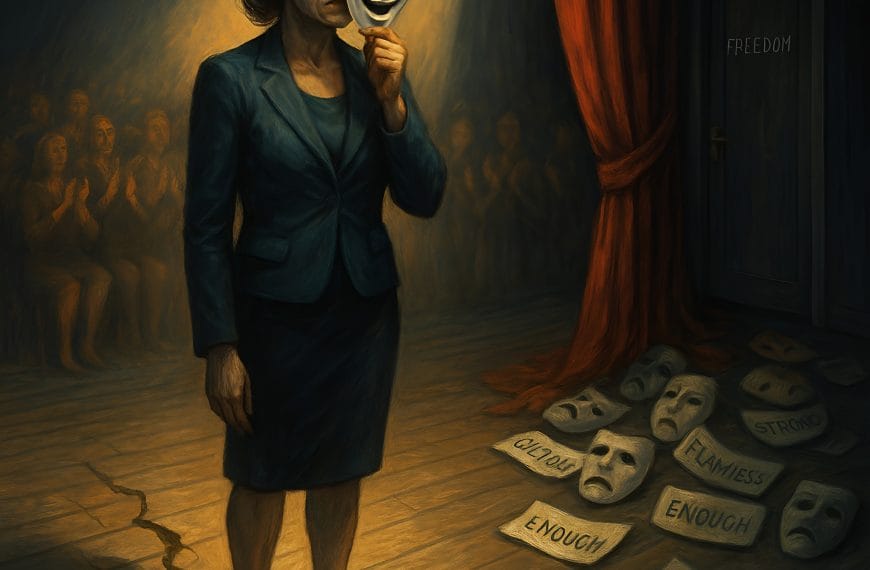
- emotional suppression
- constant output
If your early pattern includes “I’m only valuable when I perform,” Calgary will echo it back to you.
C. Weather + Isolation Factors
Calgary winters intensify:
- nervous system dysregulation
- withdrawal
- catastrophizing
- pressure cooker thinking
A trauma loop fueled by threat detection becomes even more reactive when winter stress loads stack on top.
D. High-Responsibility Roles
Many Calgarians carry big responsibilities—teams, families, mortgages, timelines.
Responsibility itself isn’t trauma.
But if your identity belief is “If I don’t hold everything together, everything will fall apart,” responsibility becomes an activation.
3. Common Calgary Trauma Responses (That People Think Are Just “Stress”)
1. Hyper-Functioning
Looks like:
- running at 120%
- filling every minute
- “thriving” under pressure (but not really)
- emotional shutdown
This is actually a self-protection pattern:
“If I slow down, the bad thing catches me.”
2. Over-Control
Common in engineering, operations, management, and medical professions.
Looks like:
- rigid schedules
- controlling outcomes
- re-checking
- perfectionism
It’s an attempt to reassure the identity belief, “I Am Not in Control”
3. Freeze/Shutdown
Looks like:
- procrastinating
- intellectualizing
- emotional numbing
- decision paralysis
Calgary’s high-stakes environments demand constant output—but your nervous system demands withdrawal.
4. People-Pleasing in Professional Clothing
Looks like:
- saying yes
- avoiding conflict
- carrying too much responsibility
Underneath:
“If people are unhappy with me, I’m unsafe.”
5. Acute Startle / Hypervigilance
Triggered by:
- deadlines
- last-minute requests
- unpredictable workloads
- weather disruptions
- industry instability
This isn’t personality.
It’s an identity-level alarm system.
4. Why Standard Coping Doesn’t Work in Calgary
Breathing exercises, mindfulness, grounding—these aren’t bad.
They just don’t recondition the belief driving the loop.
Coping works by managing symptoms, not changing the identity pattern that fuels them.
But if you live in a high-stress environment that keeps activating the same belief?
Coping becomes a treadmill.
In Calgary, people often say:
- “My coping tools work until work gets busy.”
- “I’m fine until winter hits.”
- “Everything collapses when there’s uncertainty.”
That’s because the belief is still running—your environment is simply giving it plenty to work with.
5. Why Trauma Loops Persist: The Identity Layer
Trauma persists when the belief instilled during the event (or childhood environment) remains active.
Examples:
Calgary’s stressors (pace, pressure, unpredictability) constantly confirm these beliefs—so the loop never shuts off.
Until you recondition the belief, the loop continues no matter how good the coping tools are.
6. What Actually Breaks the Loop: Identity-Level Therapy
ShiftGrit’s Identity-Level Therapy works at the root layer:
1. Identify the belief pattern driving the trauma loop
Not just symptoms—what your nervous system believes will happen.
2. Recondition the belief using imaginal exposure + counter-conditioning
This is Pattern Reconditioning:
You activate the belief on purpose, then pair it with a corrective response.
3. Reduce the nervous system’s false alarm
With repetition, the trigger stops activating the trauma pattern.
4. Replace threat responses with automatic calm responses
Not coping.
Not forcing.
Not white-knuckling.
7. Calgary-Specific Benefits of Identity-Level Trauma Therapy
A. You stop getting triggered by workplace pressure
Deadlines no longer activate “I’m failing.”
B. You stop collapsing during the winter months
Episodes of shutdown decrease because your nervous system stops seeing winter as a “threat amplifier.”
C. You break the high-functioning burnout cycle
You can perform without your nervous system treating work like danger.
D. You stop personalizing workplace conflict
You separate other people’s stress from your identity.
E. You respond to uncertainty without spiralling
Volatility stops feeling like danger.
8. When Trauma Responses in Calgary Mean You Need More Than Coping
You don’t need to hit rock bottom to benefit from reconditioning.
Consider deeper work if you notice:
- You get activated quickly and don’t know why
- You keep repeating the same “shutdown → bounce-back → burnout” cycle
- Small stressors hit you like big ones
- You dissociate or emotionally detach under pressure
- You can’t relax unless everything is controlled
- You’re chronically exhausted from hypervigilance
- Work feels like a minefield
- Conflict feels dangerous
These are identity-level patterns—not personality traits.
9. Final Thought: Calgary Doesn’t Cause Trauma. It Exposes It.
Trauma loops stick around when your environment keeps feeding the belief.
Calgary’s pace, pressure, and unpredictability create the perfect conditions for identity-level patterns to flare.
But the same environment that activates your trauma loops can also be the one in which you finally break them—because you’re forced to confront the pattern directly.
Identity-level therapy doesn’t just help you cope with Calgary.
It helps you become the version of yourself who can thrive in it—not in survival mode, but in true regulation.