Identity-Level Therapy for Lasting Change
ADHD doesn’t happen in a vacuum — it happens in an environment.
And Calgary’s environment is intense.
High-pressure workplaces, tight deadlines, rapid growth industries, boom-and-bust cycles, and a culture of performance can make ADHD patterns feel louder here than in other cities. Many Calgarians describe ADHD not simply as distractibility or restlessness, but as a loop they can’t seem to get ahead of — even when they understand exactly what they “should” be doing.
From a Pattern Theory™ perspective, this isn’t about effort or willpower.
It’s about how the brain interprets demands, pressure, and perceived expectations.
And in Calgary, those factors are turned up high.
Why ADHD Often Feels Amplified in Calgary
Across oil and gas, engineering, tech, trades, healthcare, aviation, and corporate roles, the same theme emerges: Calgary requires a high level of executive functioning — planning, sequencing, task initiation, organization, emotional regulation, and rapid shifting.
For many people seeking support, ADHD Therapy Calgary provides a structured way to understand why these patterns hit harder here — and how identity-level beliefs escalate the overwhelm loop.
- deadlines move faster than your brain processes
- expectations outpace capacity
- “simple tasks” take more activation energy than they should
- downtime is guilt-laden instead of restorative
Clients often share that their symptoms aren’t necessarily worse here — they’re just triggered more frequently by the environment itself.
That’s where Pattern Theory™ helps us understand what’s actually going on beneath the surface.
ADHD Through the Lens of Pattern Theory™
ADHD involves neurological factors, but the emotional experience surrounding ADHD is heavily shaped by the patterns that activate under stress.
When people repeatedly struggle to keep up, start tasks, follow through, or regulate overwhelm, deeper identity-level beliefs can get triggered — creating a loop that feels personal, even though it isn’t.
For clients seeking ADHD support, the most commonly activated beliefs include:
1. “I Am Not In Control”
When focus fluctuates or tasks feel impossible to start, this belief can activate quickly.
It often shows up as:
- rigid routines to regain stability
- hypervigilance around mistakes
- compulsive over-planning
- emotional intensity when things go off track
Underneath it is a threat system trying to prevent chaos.
2. “I Am A Failure”
Not because the person is failing — but because the impact of ADHD symptoms often gets misinterpreted as personal incompetence.
This belief can drive:
- perfectionistic prepping (so failure can’t happen)
- avoidance when something feels too high-stakes
- shame after missed tasks
- pushing harder until burnout
In Calgary’s performance-driven environment, this belief is particularly loud.
3. “I Am Not Good Enough”
When someone is surrounded by high achievers, rapid growth, and constant comparison, ADHD challenges can feel like proof that they’re falling behind.
This belief often fuels:
- self-criticism and mental replay
- hiding struggles so others won’t “find out”
- overworking to compensate
- trouble celebrating accomplishments
It’s not about ability — it’s about interpretation.
The Loop: How These Beliefs Interact With ADHD Symptoms
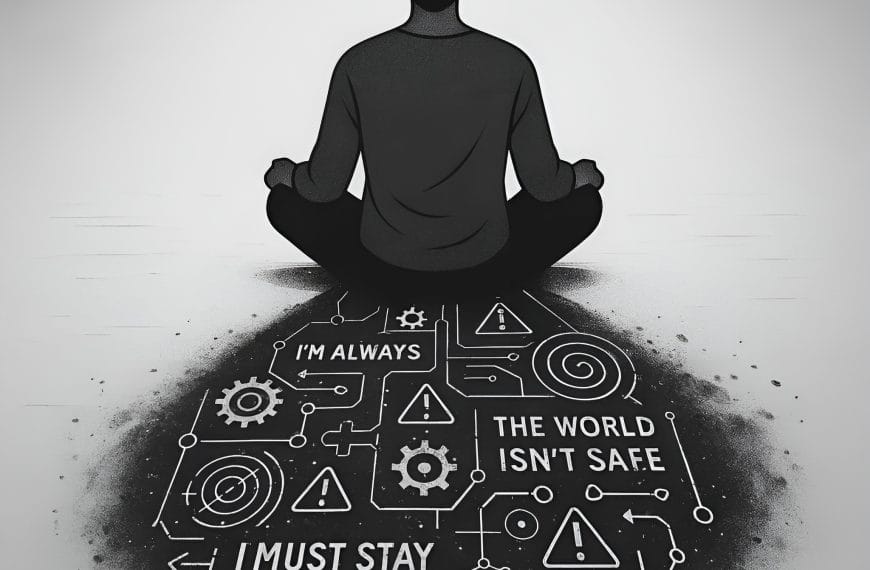
When “I Am Not In Control,” “I Am A Failure,” or “I Am Not Good Enough” activate, the nervous system shifts into threat mode — even if there’s no danger present.
That shift creates patterns such as:
Pressure Responses
- overworking
- micromanaging details
- overcommitting
- attempting to “fix” symptoms through effort
Freeze/Shutdown Responses
- procrastination
- task paralysis
- emotional overwhelm
- avoiding communication
- ghosting or withdrawing
Oscillation Cycles
Most people experience a mix:
push → burnout → shutdown → panic → push harder.
In Calgary’s work culture, this cycle repeats fast — and often.

Why This Isn’t About Motivation or Trying Harder
One of the biggest misconceptions people have about ADHD is that they “should” be able to manage symptoms through discipline or effort.
Pattern Theory™ reframes this:
When the threat system is activated by beliefs like “I Am Not In Control” or “I Am A Failure,” executive functioning becomes harder, not easier. The brain prioritizes protection rather than performance.
This is not laziness.
It is not a lack of care.
It is not a character flaw.
It is a protective mechanism.
And protective mechanisms can be understood and reconditioned.
Identity-Level Therapy for ADHD
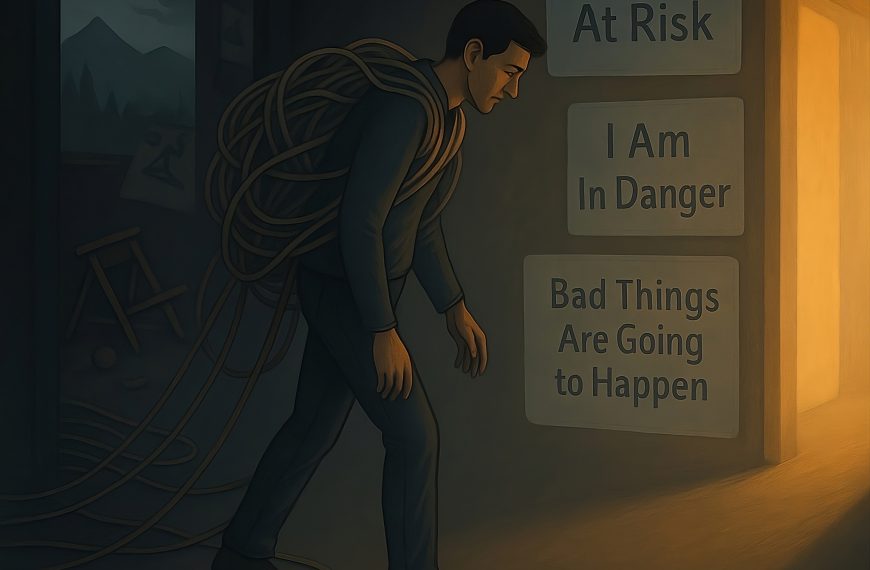
Behind ADHD overwhelm is often a pattern of interpreting everyday demands through beliefs like “I Am Falling Behind,” “I Am Not Understood,” or “I Am a Failure.” These beliefs magnify stress, intensify shutdowns, and turn simple tasks into emotionally loaded decisions. Identity-Level Therapy reconditions the belief patterns driving these reactions. By shifting the identity layer, clients no longer react from shame or urgency — they respond from clarity, competence, and internal safety.
It’s organized around three pillars:

ShiftGrit Core Method™
Our structured framework for breaking outdated identity patterns.
Learn more
The Pattern Library
Real-world examples of loops like perfectionism, procrastination, and shutdown.
Learn more
The Glossary
Clear definitions that keep the language sharp and the process transparent.
Learn moreLimiting Beliefs Commonly Linked with ADHD Therapy
These identity-level patterns frequently show up for clients seeking adhd therapy. Explore the beliefs to learn the “why” and how therapy can help you recondition them.

“I Am Not in Control”
When “I Am Not In Control” is running the show, everything feels like too much. You either grip harder—rigid routines, hypervigilance—or give up entirely. Underneath it all is…
Explore this belief
“I Am A Failure”
“I Am A Failure” isn’t about isolated mistakes — it’s a deeply patterned belief that tells you nothing you do is good enough. It drives procrastination, perfectionism, and…
Explore this belief
“I Am Not Good Enough”
“I’m Not Good Enough” isn’t just a negative thought — it’s a pattern formed by early experiences like criticism, neglect, or impossible expectations. This belief fuels perfectionism, people-pleasing,…
Explore this beliefWant to see how these fit into the bigger pattern map? Explore our full Limiting Belief Library to browse all core beliefs by schema domain and Lifetrap.
Calgary’s Environment Makes These Loops Fire Faster
Through discussions with clients, several Calgary-specific triggers consistently show up:
- competing with exceptionally high performers
- industries where mistakes have serious consequences
- non-stop productivity expectations
- boom-and-bust uncertainty
- comparison culture (income, titles, milestones)
- fast-paced career ladders
These conditions don’t cause ADHD.
But they can activate ADHD loops more frequently — and more intensely.
How Structured Therapy Helps Clients Understand ADHD Patterns
Clients often share that structured therapy helps them:
- understand why patterns form and repeat
- map their triggers with clarity
- recognize which belief activates during stress
- see the difference between ADHD symptoms and threat system responses
- make decisions from a regulated place rather than a reactive one
Identity-level work helps clients make sense of the emotional intensity behind everyday tasks and develop strategies that feel more aligned with how their brain actually works.
It’s not about “fixing” ADHD — it’s about changing the relationship to the loops that make ADHD feel overwhelming.
When ADHD Overlaps With Anxiety, Burnout, or Shutdown
Many Calgarians experience ADHD alongside:
- anxiety spirals
- high-performer burnout
- emotional exhaustion
- perfectionism
- shutdown/avoidance cycles
- intense self-criticism
From a Pattern Theory™ perspective, these aren’t separate issues — they are often the downstream effect of identity-level beliefs interacting with stress.
This is why Calgary ADHD patterns can feel so complex:
The environment turns the volume up on the identity layer.
What to Do When Calgary’s Pace Keeps Triggering ADHD Loops
If ADHD feels harder here, you’re not imagining it.
Understanding the “why” behind shutdown, overwhelm, procrastination, emotional swings, or pressure responses can help clients move from confusion to clarity.
Structured therapy provides:
- a map of your emotional and behavioural loops
- language to understand what’s happening internally
- insight into the beliefs that influence reactions
- strategies to create more space between stress and response
If you’re noticing patterns — not just symptoms — exploring them with a therapist can make the process feel less chaotic and more grounded.