OCD Therapy in Edmonton — That Goes Deeper

Identity-Level Therapy for Lasting Change

We don’t treat what’s showing—we treat what’s driving it.
Using the ShiftGrit Core Method™, we identify and rewire the identity-level patterns that drive your actions—so you can experience real freedom.

ShiftGrit Psychology & Counselling - Edmonton
10445 124 St, Edmonton, AB, Canada

Phone: +1 (780) 705.6463

ShiftGrit Psychology & Counselling - ocd therapy edmonton

OCD Therapy in Edmonton: Breaking the Cycle of Obsessions and Compulsions

Obsessive-compulsive disorder (OCD) is more than just “being detail-oriented” or “liking things neat.” It’s living in a cycle where unwanted, intrusive thoughts trigger anxiety, and compulsive rituals become the only way to quiet the noise temporarily. Over time, this cycle can take over daily life — stealing time, energy, and peace of mind.

At ShiftGrit, we approach OCD therapy in Edmonton using the ShiftGrit Core Method™ — a structured process that helps you understand the “why” behind your OCD patterns and then rewires how your brain responds to triggers. This way, treatment isn’t just about resisting compulsions; it’s about dissolving the underlying belief system that fuels them.


Identity-Level Therapy for Obsessive- Compulsive (OCD) in Edmonton

Identity-Level Therapy targets the belief patterns and emotional loops driving automatic reactions—not just the surface symptoms. By working at the identity layer, clients shift how they interpret safety, regulate threat, and relate to themselves and others. The result: reconditioning at the root of shame, self-sabotage, reactivity, and overwhelm.

It’s organized around three pillars:


Limiting Beliefs Commonly Linked with Obsessive- Compulsive (OCD) Therapy

These identity-level patterns frequently show up for clients seeking obsessive- compulsive (ocd) therapy. Explore the beliefs to learn the “why” and how therapy can help you recondition them.

Visual belief card labelled “I Am Powerless” — part of ShiftGrit’s limiting belief schema.

“I Am Powerless”

The belief “I Am Powerless” often forms in environments where autonomy was suppressed and safety depended on submission. It creates chronic helplessness, low agency, and difficulty asserting needs…

Explore this belief
“Core Belief Re – I Am Responsible – from the ShiftGrit belief system periodic table”

“I Am Responsible”

When you believe you're responsible for everyone, you don’t just lend a hand—you take on the full weight of others’ wellbeing. You anticipate needs before they’re spoken, fix…

Explore this belief

Want to see how these fit into the bigger pattern map? Explore our full Limiting Belief Library to browse all core beliefs by schema domain and Lifetrap.


OCD Treatment Edmonton Trusts

“They helped me break patterns I didn’t even know I had.”

“Professional, skilled, and genuinely invested in helping me change.”

“Hands down the best therapy experience I’ve had in Edmonton.”

OCD therapy in Edmonton is rated 4.3/5

Based on 40 Google reviews for ShiftGrit Psychology & Counselling in Edmonton.

Meet Our Edmonton OCD Therapists

Not all OCD looks the same. Our therapists are trained to identify and rewire the identity-level belief loops that drive compulsions, intrusive doubt, and beliefs like I Am Not in Control.

More Edmonton OCD Pattern Therapists →


Trusted By Alberta’s Leading Psychology & Mental Health Organizations

ShiftGrit Psychology & Counselling is professionally regulated, certified, and recognized by leading psychology and mental-health organizations across Alberta and Canada. These associations reflect our commitment to ethical practice, clinical standards, and evidence-informed therapy through Identity-Level Therapy and Reconditioning.

Regulated and affiliated across Alberta’s leading psychology, counselling, and mental-health organizations.


Why OCD Feels Uncontrollable

OCD loops usually start with a limiting belief — a deep, identity-level thought such as I am at risk,” I am powerless,” or Bad things are going to happen.

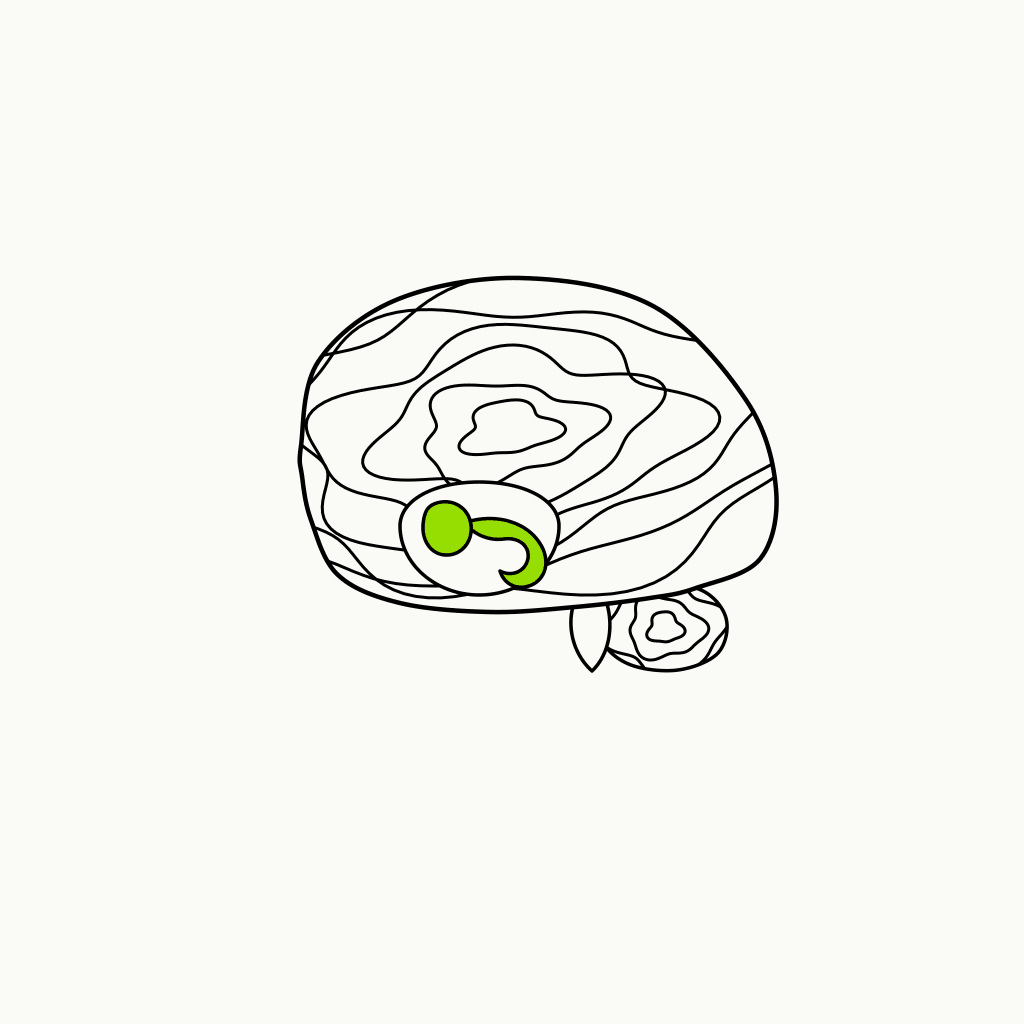
When an intrusive thought activates that belief, the walnut brain (your threat brain) takes over, categorizing the thought as a real danger. To escape the discomfort, the brain demands a compulsive ritual — checking, cleaning, counting, or repeating — which briefly relieves the anxiety but reinforces the cycle.

That’s why OCD often feels impossible to logic your way out of: your cognitive mind knows the ritual isn’t necessary, but your walnut brain is running the show.


ShiftGrit Psychology & Counselling - ocd therapy edmonton

The ShiftGrit Core Method™: Structured Therapy for OCD in Edmonton

Our approach combines education, exposure, and reconditioning into a step-by-step program:

  1. Pattern Theory™ – Mapping the OCD Loop
    Together, we identify the limiting beliefs and dysfunctional needs™ driving your OCD. Instead of just talking about surface behaviours, we chart the underlying cycle so you know exactly what you’re up against.
  2. Reconditioning – Rewiring the Threat Response
    Using structured imaginal exposure, we help your brain unlink intrusive thoughts from the limiting beliefs that make them feel dangerous. This allows you to experience the thought without the overwhelming compulsion to act. Over time, the walnut brain learns: “This isn’t a real threat.”
  3. Integration – Building Lasting Change
    As the walnut brain quiets, you regain access to your logical, cognitive mind. This opens space for healthy strategies, mindful awareness, and purposeful choices — instead of automatic compulsions.

What OCD Therapy Looks Like at ShiftGrit


Signs OCD Therapy May Help

  • Recurring, intrusive thoughts you can’t “turn off.”
  • Repetitive behaviours or rituals you feel driven to perform.
  • Anxiety when you try to resist compulsions.
  • Feeling trapped in cycles of checking, cleaning, or repeating.
  • OCD symptoms interfere with relationships, work, or daily living.

Moving Forward

OCD therapy isn’t about “white-knuckling it” through compulsions. It’s about retraining your brain so intrusive thoughts lose their grip and compulsions lose their power. At ShiftGrit, our Edmonton OCD therapy program combines structure, strategy, and reconditioning to help you reclaim your time, energy, and peace of mind.

With the right framework — and a little grit — it is possible to step out of the OCD cycle and live with more calm, clarity, and choice.


124 Street Location

ShiftGrit Psychology & Counselling
Address:
10445 124 Street, Edmonton, AB,T5N 1R7, Canada

Phone: (780) 705-6463
Email: 124street@shiftgrit.shop


Common Questions About OCD Therapy Edmonton

What is obsessive-compulsive disorder (OCD)?

OCD is a mental health disorder characterized by repetitive, unwanted thoughts (obsessions) and behaviors (compulsions) that a person feels driven to perform. These obsessions and compulsions can interfere with daily activities and can cause significant distress.

What are common obsessions and compulsions in OCD?

Common obsessions in OCD include fears about contamination, harm to oneself or others, order and symmetry, and inappropriate sexual or religious thoughts. Common compulsions include hand washing, cleaning, checking, and arranging.

What causes OCD?

The exact cause of OCD is not fully understood, but it is believed to be a combination of genetic, environmental, and neurological factors.

How is OCD diagnosed?

OCD is typically diagnosed by a mental health professional, such as a psychologist or psychiatrist, based on the presence of specific symptoms and the severity of their impact on daily life.

Can OCD be treated?

Yes, OCD is a treatable disorder. The most effective treatment for OCD is a type of therapy called cognitive-behavioral therapy (CBT), which helps a person identify and change negative thought patterns and behaviors. Medications, such as selective serotonin reuptake inhibitors (SSRIs), can also be helpful in managing OCD symptoms.

How long does OCD treatment take?

The length of OCD treatment varies from person to person and can depend on the severity of the symptoms, the type of treatment being used, and the individual's response to treatment. Some people may see significant improvement in their symptoms in just a few weeks of treatment, while others may require longer periods of treatment.

Are there any self-help strategies for managing OCD?

Yes, there are several self-help strategies that can be helpful for managing OCD, including: Practicing relaxation techniques, such as deep breathing or progressive muscle relaxation. Engaging in regular physical activity. Getting enough sleep. Eating a healthy diet. Seeking support from friends and family. Seeking professional help when needed.

What should I do if I think I have OCD?

If you think you may have OCD, it is important to seek help from a mental health professional. They can help you determine if you have OCD and provide you with treatment options.

Is it normal to have obsessive thoughts or engage in compulsive behaviors sometimes?

It is normal for everyone to have occasional obsessive thoughts or engage in compulsive behaviors from time to time. However, when these thoughts and behaviors become excessive and interfere with daily life, it may be a sign of OCD.

Can children have OCD?

Yes, children can have OCD. In fact, OCD often first appears in childhood or adolescence. If you are concerned about your child's obsessive thoughts or compulsive behaviors, it is important to seek help from a mental health professional.