Depression Therapy in Edmonton: A Clearer Path Forward
Depression isn’t just about “feeling sad.” For many, it feels like being stuck in a heavy fog — every action takes more effort, every thought feels weighed down, and joy seems distant. It can interfere with sleep, work, relationships, and your sense of self.
At ShiftGrit, we know that while depression shows up differently for everyone, the loops that sustain it are predictable. Our Edmonton depression therapy is built on the ShiftGrit Core Method™, a structured approach that helps you understand the “why” behind your struggles and then retrain your brain to shift out of those patterns.
Identity-Level Therapy for Depression in Edmonton
Identity-Level Therapy helps Edmonton clients interrupt the belief-driven loops that fuel depressive shutdown — patterns like “I Am Not Good Enough,” “I Am A Failure,” “I Am A Burden,” or “I Am Powerless.” These identity-level interpretations shape how the nervous system responds to stress, effort, relationships, and even basic daily tasks.Rather than only reducing symptoms, ILT works at the layer where these beliefs are stored and re-triggered. By updating the emotional associations attached to “I Am Nothing,” “I Am Unimportant,” or “There Is Something Wrong With Me,” clients experience more energy, confidence, and internal stability. The result is change that sticks — not a temporary lift, but a shift in how the brain appraises challenge, worth, and possibility.
It’s organized around three pillars:


ShiftGrit Core Method™
Our structured framework for breaking outdated identity patterns.
Learn more

The Pattern Library
Real-world examples of loops like perfectionism, procrastination, and shutdown.
Learn more

The Glossary
Clear definitions that keep the language sharp and the process transparent.
Learn moreLimiting Beliefs Commonly Linked with Depression Therapy
These identity-level patterns frequently show up for clients seeking depression therapy. Explore the beliefs to learn the “why” and how therapy can help you recondition them.


“I Am Not Good Enough”
“I’m Not Good Enough” isn’t just a negative thought — it’s a pattern formed by early experiences like criticism, neglect, or impossible expectations. This belief fuels perfectionism, people-pleasing,…
Explore this belief

“I Don’t Matter”
You show up for everyone—but no one really sees you. The belief “I Don’t Matter” is what takes root when your needs, voice, or presence were chronically dismissed.…
Explore this belief

“I Am Permanently Damaged”
“I Am Permanently Damaged” is a core belief that often emerges after traumatic or deeply invalidating experiences. It leaves people feeling broken beyond repair — like something inside…
Explore this beliefWant to see how these fit into the bigger pattern map? Explore our full Limiting Belief Library to browse all core beliefs by schema domain and Lifetrap.
Depression Treatment Edmonton Trusts
“They helped me break patterns I didn’t even know I had.”
“Professional, skilled, and genuinely invested in helping me change.”
“Hands down the best therapy experience I’ve had in Edmonton.”
Meet Our Edmonton Depression Therapists
Not all depression looks the same. Our therapists are trained to identify and rewire the identity-level belief loops that drive hopelessness, withdrawal, and self-criticism.
More Edmonton Depression Pattern Therapists →
Trusted By Alberta’s Leading Psychology & Mental Health Organizations
ShiftGrit Psychology & Counselling is professionally regulated, certified, and recognized by leading psychology and mental-health organizations across Alberta and Canada. These associations reflect our commitment to ethical practice, clinical standards, and evidence-informed therapy through Identity-Level Therapy and Reconditioning.


Regulated and affiliated across Alberta’s leading psychology, counselling, and mental-health organizations.
Why Depression Feels So Heavy
Depression often begins with a limiting belief — an unconscious story about yourself or the world such as “I am not good enough,” “I am powerless,” or “I don’t matter.” These beliefs usually take root early in life when non-nurturing elements (stress, loss, or unmet needs) distort how we see ourselves.
Over time, the belief fuels a cycle:
- The belief triggers feelings of hopelessness or worthlessness.
- To avoid the pain of those feelings, the brain creates a dysfunctional need (for example, “I need to be perfect”).
- Meeting that need takes endless energy — and when it fails (as it inevitably does), the limiting belief is reinforced, deepening the depressive loop.
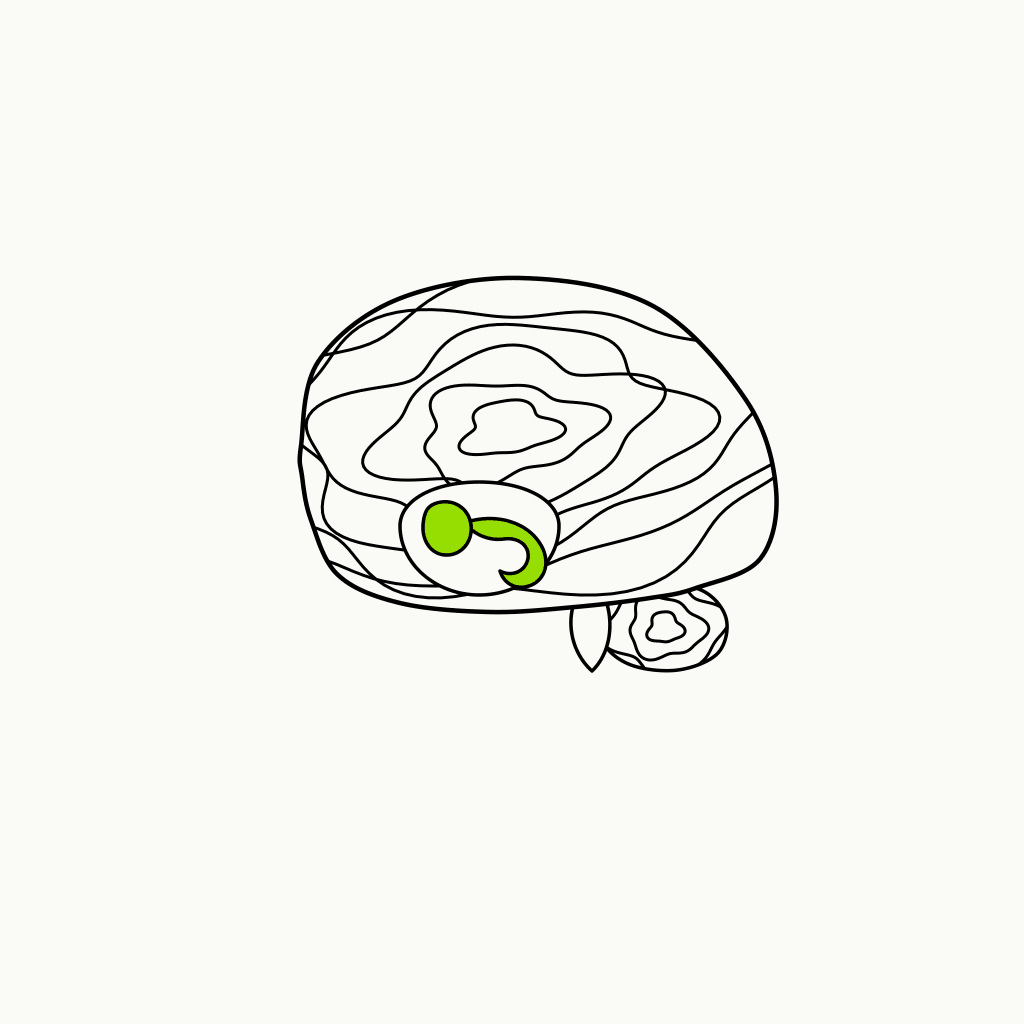
This is why depression can feel both exhausting and unshakeable: your walnut brain (the threat brain) is running the show, and no amount of “logic” can seem to shift it.
The ShiftGrit Core Method™: Depression Therapy with Structure and Strategy
Our therapy for depression in Edmonton is built around two key components:
- Pattern Theory™ – Mapping the Cycle
In the early sessions, we help you see the specific patterns behind your depression — the limiting beliefs, the dysfunctional needs, and the opt-out behaviours that are keeping you stuck. This isn’t vague talk therapy; it’s detective work that makes your inner world make sense. - Reconditioning – Breaking the Loop
Once the pattern is clear, we guide you through structured reconditioning. Using safe imaginal exposure, we help your brain “unlink” old triggers from the limiting beliefs that make them feel true. This counter-conditioning process rewires how your walnut brain reacts, so you can respond from your logical, strategic mind instead.
The result isn’t about coping harder — it’s about removing the blocks that fuel depression so you can show up with more clarity, energy, and choice in your life.
What to Expect in Depression Therapy at ShiftGrit
- Clear structure – Every session has an agenda. You’ll always know what we’re working on and why.
- Root-focused – Instead of only managing symptoms, we address the underlying beliefs driving them.
- Tailored approach – While our Core Method is structured, we integrate tools from CBT, DBT, ACT, and Schema Therapy as needed to support your unique experience.
- Outcome-oriented – Progress isn’t just “feeling heard.” It’s measured by changes in daily life: more energy, less overwhelm, and renewed motivation.
From the Blog: Depression Patterns & Insights
Signs Depression Therapy May Help
- Persistent feelings of sadness, hopelessness, or worthlessness.
- Loss of interest or pleasure in activities once enjoyed.
- Changes in appetite, sleep, or energy levels.
- Difficulty focusing, remembering, or making decisions.
- Feeling stuck in cycles of low motivation and fatigue.
Moving Toward Relief and Renew
Therapy won’t erase life’s challenges, but it can reframe how your mind responds to them. At ShiftGrit, depression therapy in Edmonton isn’t about endless conversations — it’s about a structured, step-by-step process to help you reclaim motivation, build resilience, and reconnect with what makes life meaningful.
With the right framework and some grit, many of our clients find that what once felt like an endless fog becomes manageable — and eventually, clears enough to move toward the life they want to create.


124 Street Location
Address:10445 124 Street, Edmonton, AB,T5N 1R7, Canada
Phone: (780) 705-6463
Email: 124street@shiftgrit.shop
FAQ
What is depression?
What is a depressive disorder?
What are the symptoms of depression?
What are the different types of depressive disorders?
How is a depressive disorder diagnosed?
What are the treatment options for depression?
Is therapy for depression effective?
How long does therapy for depression typically take?
Is medication necessary for treating depression?
Is it possible to overcome depression?
Factors that contribute to Depression
Depression is a common mental health condition that can affect people of all ages and backgrounds. In Edmonton, there are a number of factors that can contribute to the development of depression. These include:
- Stressful life events, such as job loss or a breakup
- Chronic medical conditions
- Substance abuse
- Family history of mental health issues
- Lack of social support
It’s important to be aware of these risk factors and seek help if you are struggling with depression. A mental health professional can help you manage your symptoms and improve your overall quality of life.