



























Where this belief fits
Schema Domain: Disconnection & Rejection
Lifetrap: Defectiveness / Shame
Non-Nurturing Elements™ (Precursors):
How this belief keeps repeating:
Evidence Pile
When this belief is active, the mind points to differences, difficulties, or repeated friction as evidence that something about oneself is fundamentally defective.
Show common “proof” items
- Feeling different without knowing why
- Struggling where others seem to cope more easily
- Repeated relational or work friction
- Strong emotions, needs, or reactions judged as abnormal
- Feedback that feels vague or confusing
- Comparing inner experience to others’ outer presentation
- Difficulty finding a single, clear explanation
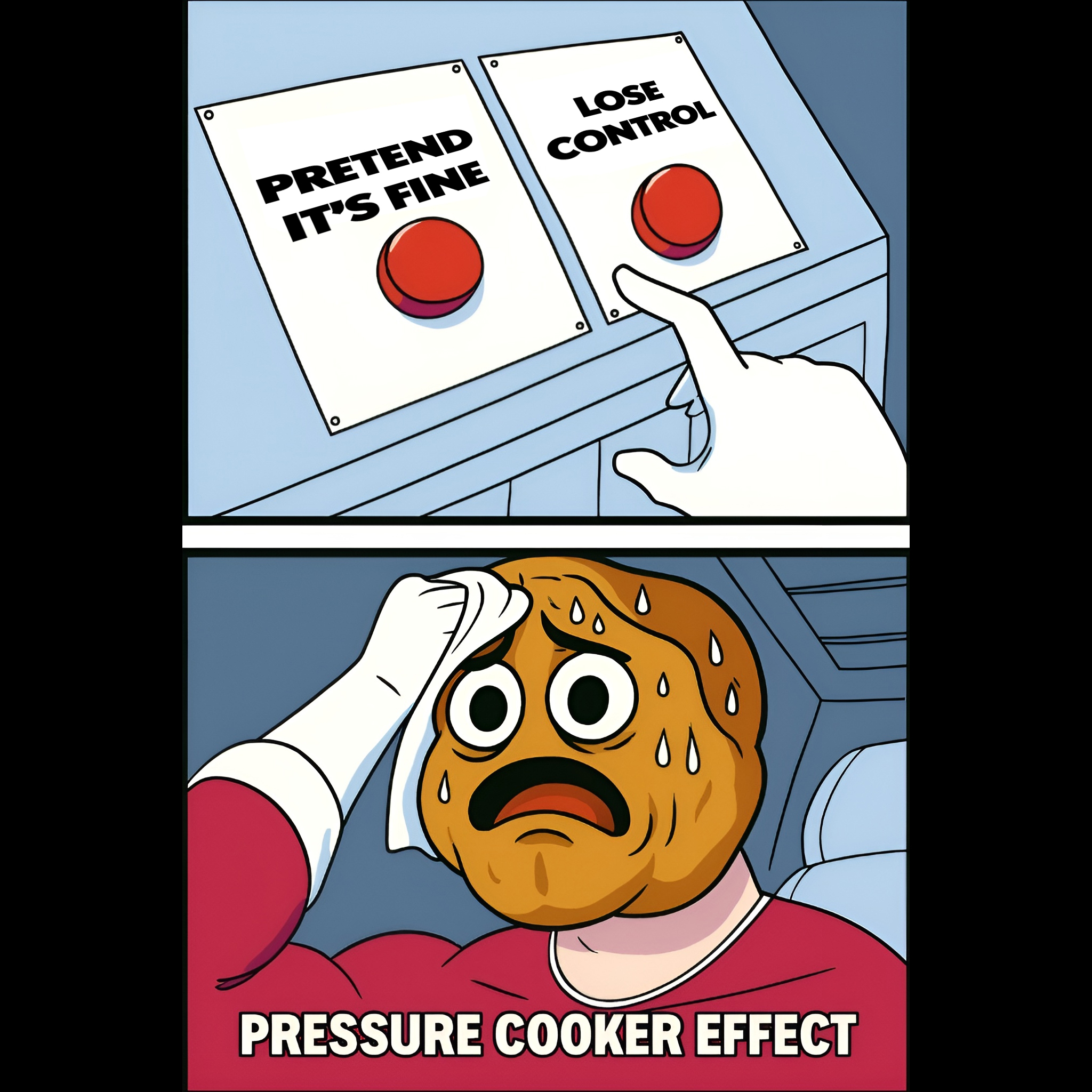
Ongoing self-monitoring and searching for what is “wrong” can create internal strain, often experienced as anxiety, confusion, or chronic self-doubt.
Show common signals
- Persistent self-analysis
- Feeling fundamentally misaligned
- Mental looping without resolution
- Anxiety about being exposed
- Exhaustion from self-scrutiny
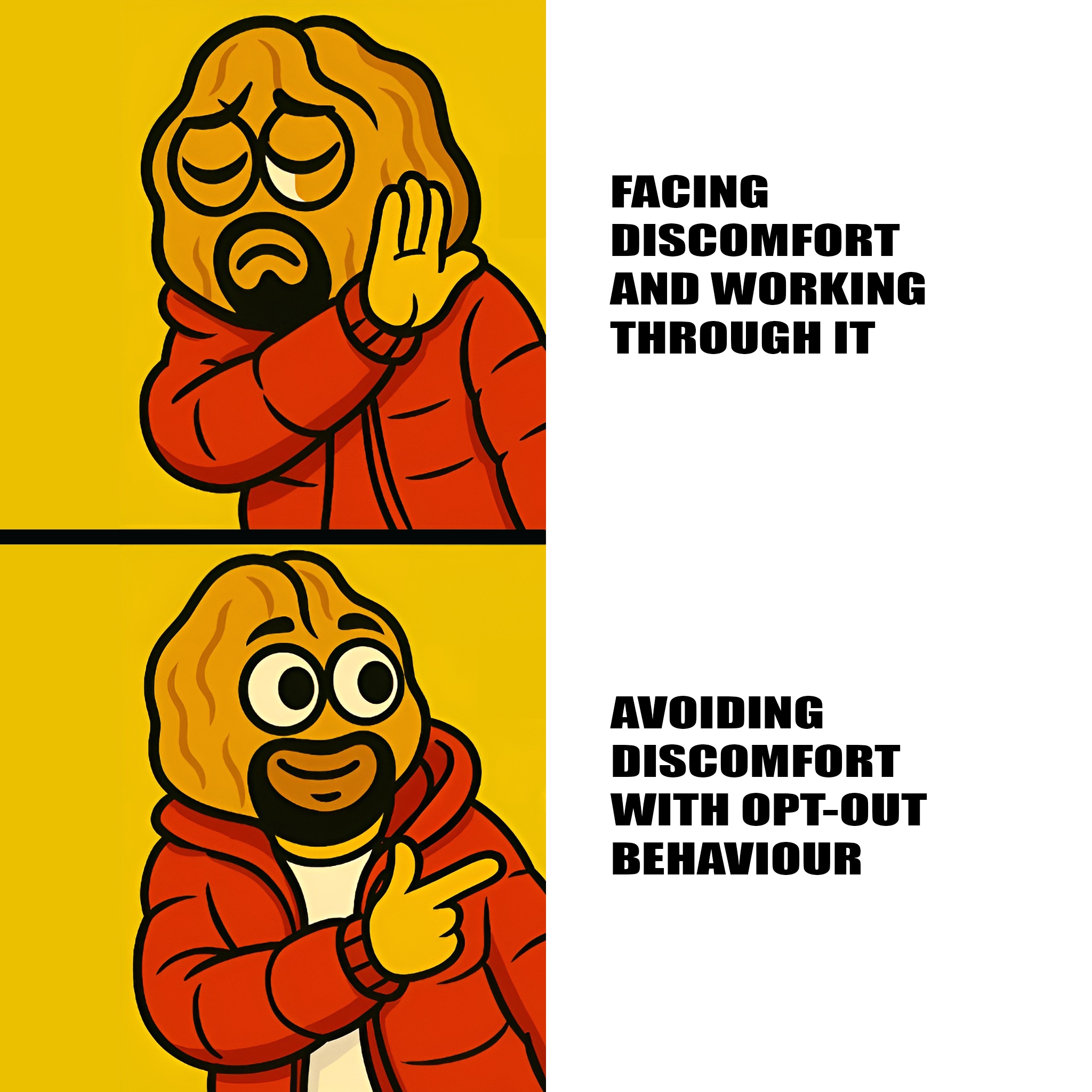
Pressure is released through self-scrutiny, fixing, masking, and withdrawal, which keeps attention on defect and reinforces the belief that something is wrong.
Show Opt-Out patterns
- Constant self-analysis or self-diagnosing
- Searching for labels or explanations
- Over-monitoring behaviour and reactions
- Trying to correct or fix the self
- Masking or performing normality
- Withdrawing to avoid being found out
- Avoiding situations that highlight difference
- Seeking reassurance about being okay
- Comparing oneself to “normal” others
- Attributing setbacks to personal defect
This belief doesn’t always sound loud or dramatic — it often shows up as a quiet, persistent hum of unease. The sense that something inside you is off. That you’re somehow different in a way that others won’t understand — or worse, will reject. It creates a gap between you and the world that’s hard to close, because it’s not about what you’ve done… it’s about who you think you are.
What It Sounds Like Internally:
- “Something is wrong with me, I just don’t know what.”
- “Why am I like this?”
- “I can’t let anyone see the real me.”
- “Everyone else seems to handle things better.”
- “What if I lose it and can’t come back?”
Where It Shows Up:
- Feeling like your emotions or thoughts are too much, too weird, or not normal
- Constant scanning for signs that you’re broken, unstable, or unsafe
- Over-managing your expression to avoid being “found out”
- Avoidance of vulnerability — even with people you trust
- Shame or panic around therapy, mental health labels, or emotional dysregulation
- Chronic overfunctioning to compensate for perceived internal defectiveness
What It Can Lead To:
Unchecked, this belief often evolves into:
- “I Can’t Be Trusted With My Own Mind”
- “If People Knew Who I Really Am, They’d Leave”
- “I’m a Danger to Myself or Others”
- “I’m Broken and Can’t Be Fixed”
Want to Dive Deeper into the “There Is Something Wrong With Me” Pattern?
Discover related beliefs, emotional triggers, and how therapy can help you recondition this deep-rooted belief for real change.
What Therapy Targets:
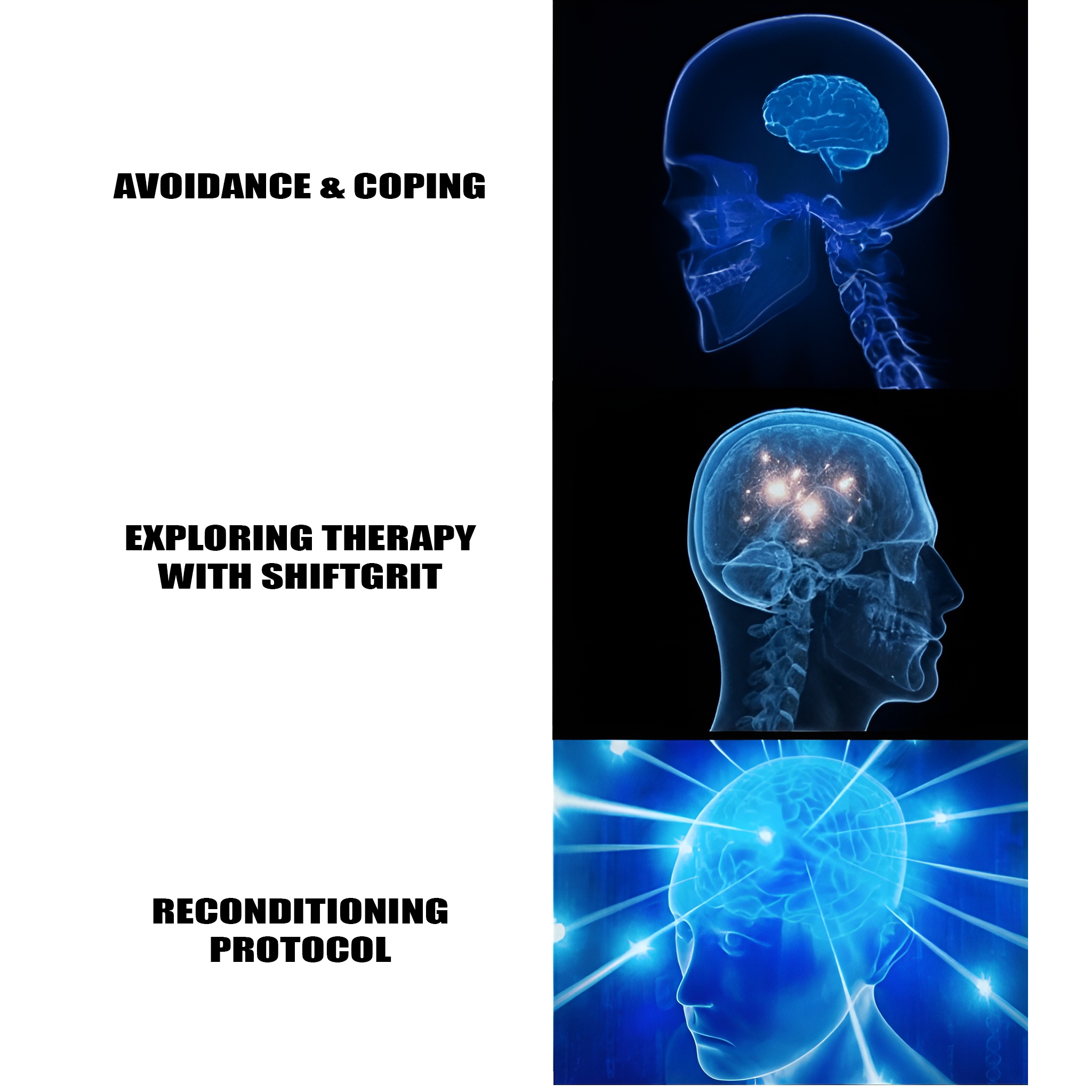
We don’t challenge this belief with logic — we change the nervous system’s response to self-perception.
Through Pattern Reconditioning, we interrupt the loop that equates internal experience with danger.
You don’t need to feel perfect. But you do deserve to feel safe — even when overwhelmed, uncertain, or fully human.
👉 Explore the Therapy Approach →
👉 See the Full Pattern Breakdown →