








































Where this belief fits
Schema Domain: Disconnection & Rejection
Lifetrap: Defectiveness / Shame
Non-Nurturing Elements™ (Precursors):
How this belief keeps repeating:
Evidence Pile
When this belief is active, the mind often points to mistakes, disagreement, or uncertainty as evidence that one’s judgement or perspective cannot be trusted.
Show common “proof” items
- Being corrected or disagreed with
- Making decisions that don’t turn out as hoped
- Needing reassurance before acting
- Others appearing more confident or decisive
- Hesitation or uncertainty interpreted as incompetence
- Past errors recalled as defining moments
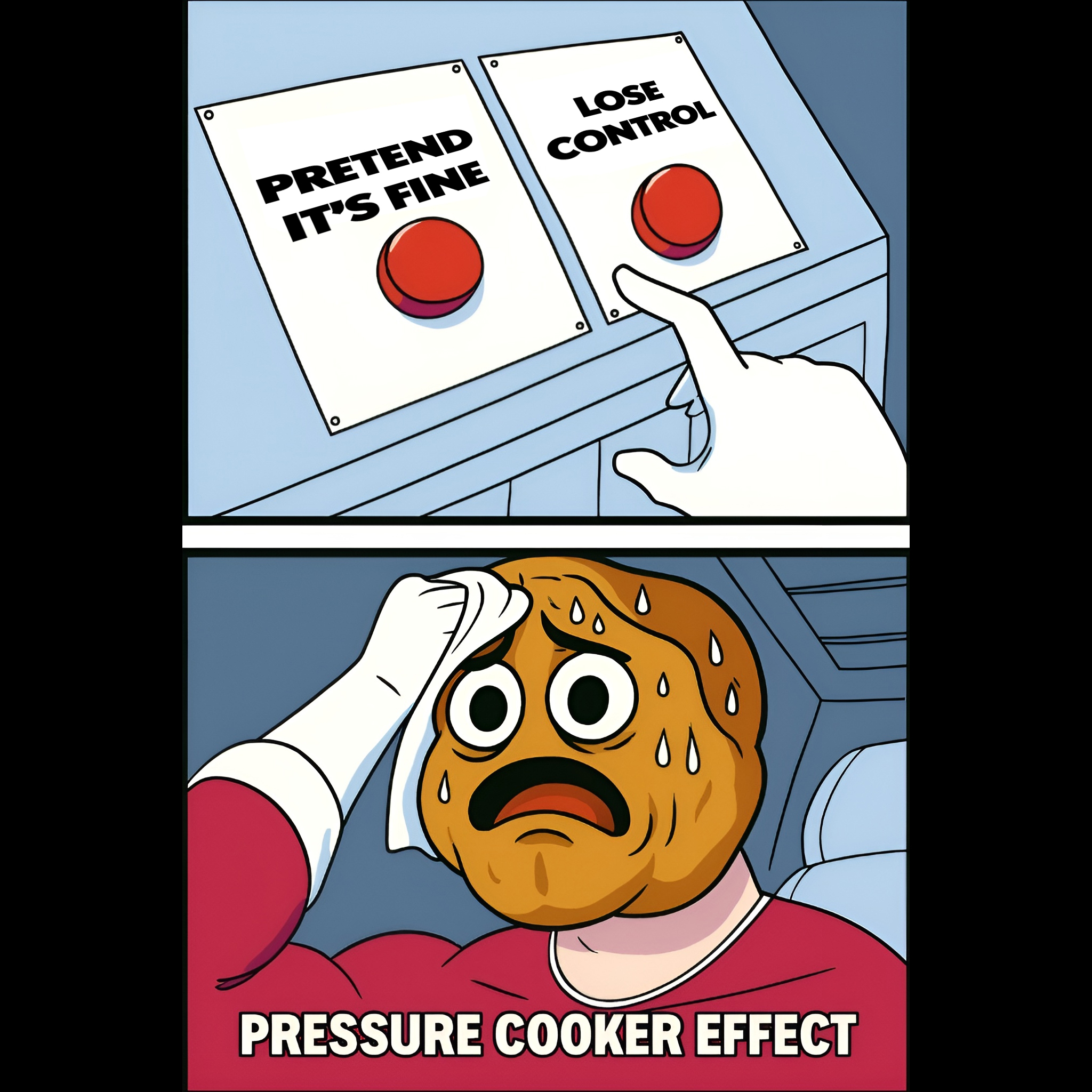
Constantly monitoring for errors or second-guessing oneself can build internal tension, leading to mental fatigue and hesitation over time.
Show common signals
- Mental looping or overthinking
- Difficulty committing to decisions
- Anxiety around being evaluated or questioned
- Feeling mentally “stuck” or overwhelmed
- Delayed action despite effort
- Loss of confidence under pressure
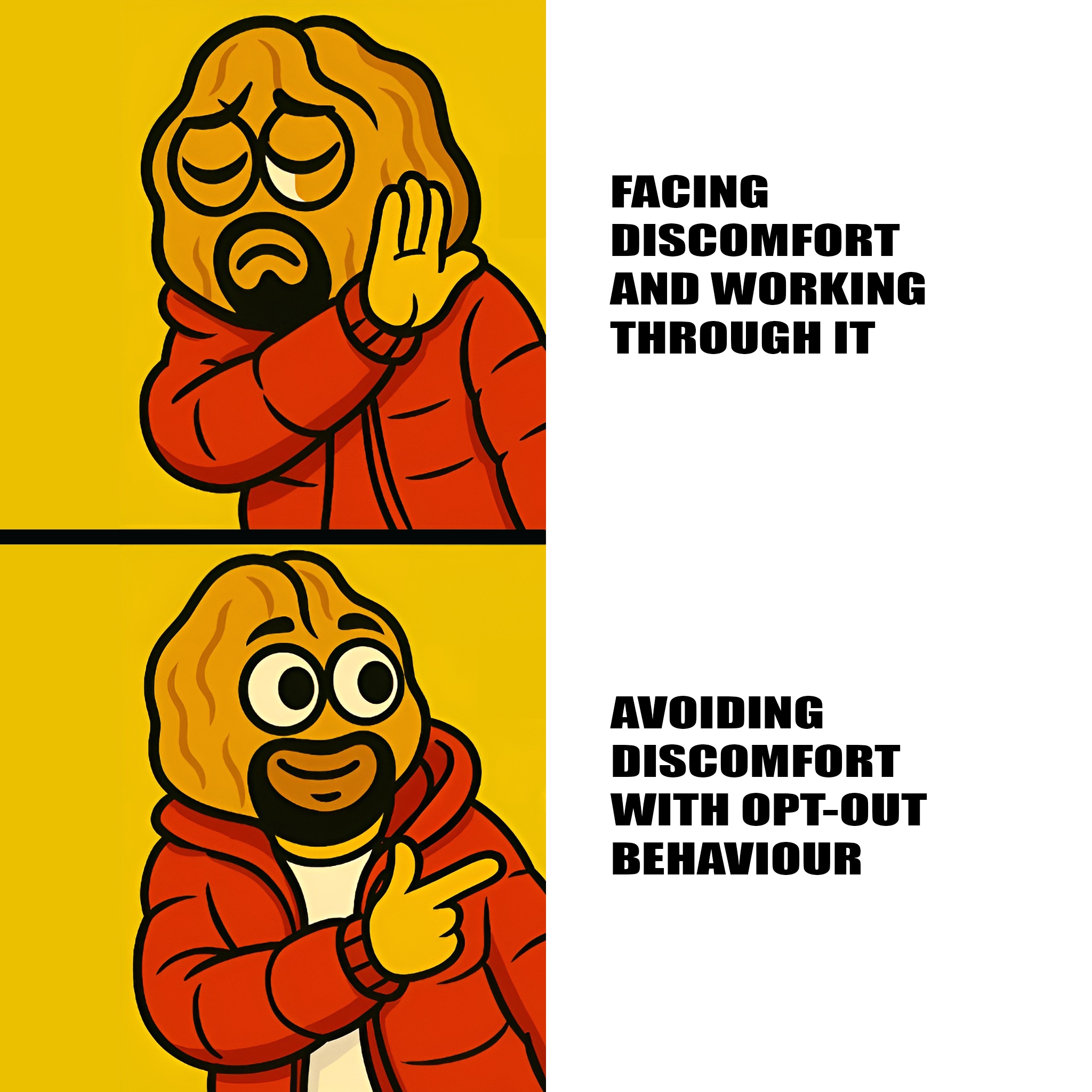
When the strain becomes too much, the system may release by avoiding decision-making or outsourcing responsibility for choices.
Show Opt-Out patterns
- Deferring decisions to others
- Avoiding leadership or visibility
- Excessive checking or reassurance-seeking
- Procrastination framed as “waiting for clarity”
- Staying silent rather than expressing views
- Rigid rule-following to avoid error
This belief doesn’t shout — it whispers.
Every time you second-guess yourself.
Every time you default to “they must be right.”
Every time you apologize for just… existing.
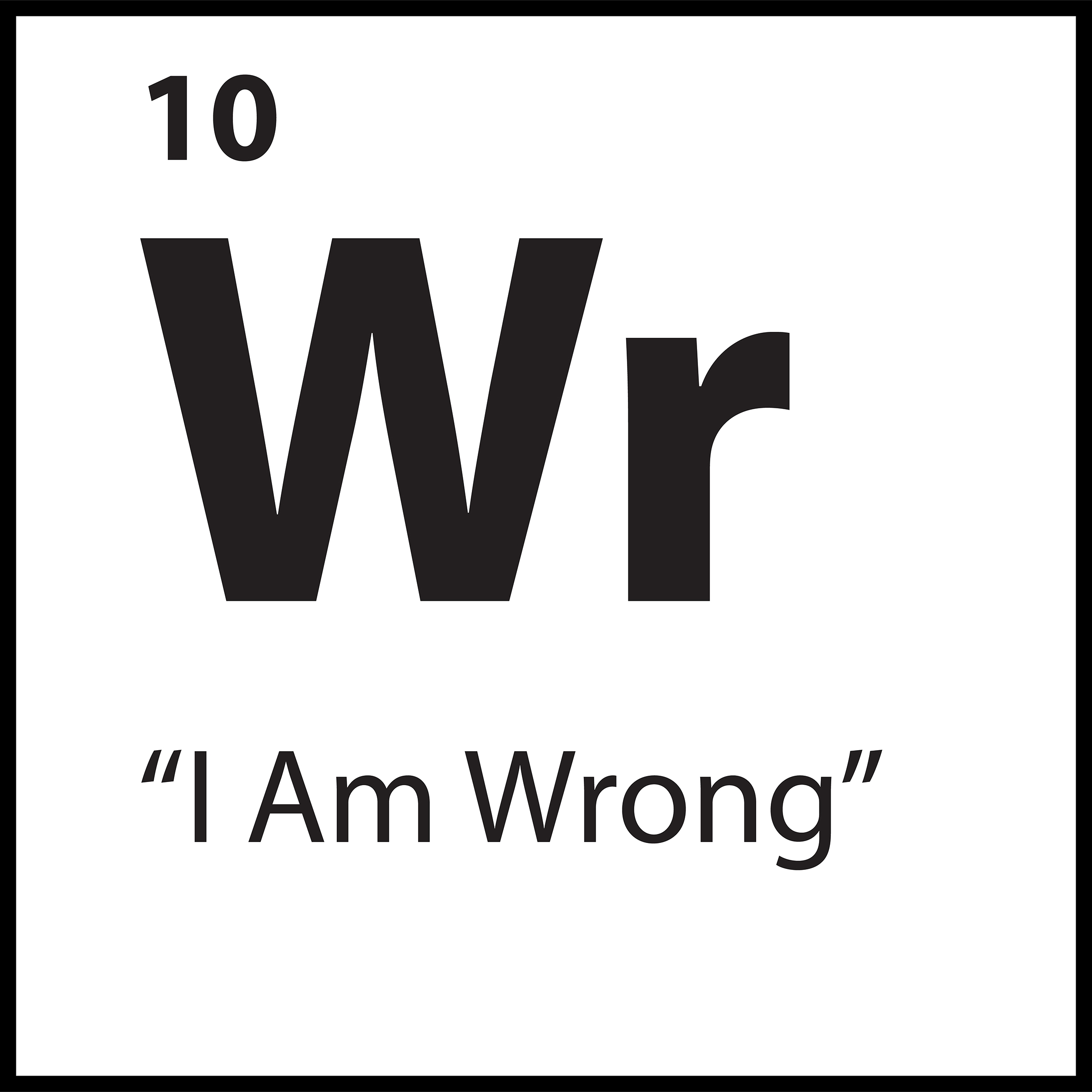
“I Am Wrong” isn’t about being incorrect — it’s about identity.
It’s the quiet, chronic sense that something about you is flawed — not just what you do, but who you are.
What It Sounds Like Internally:
- “Why can’t I just get it right?”
- “I must have misunderstood.”
- “There’s something off about me.”
Where It Shows Up:
- Constantly second-guessing your opinions or actions
- Apologizing even when you haven’t done anything wrong
- Avoiding conflict because you assume you’ll be invalidated
- Feeling like you’re always the one who has to adjust
What It Can Lead To:
Unchecked, this belief often evolves into:
- “If I speak up, I’ll be exposed.”
- “They’ll see I’m not actually who they think I am.”
- “My feelings aren’t valid.”
Want to Dive Deeper into the “I Am Wrong” Pattern?
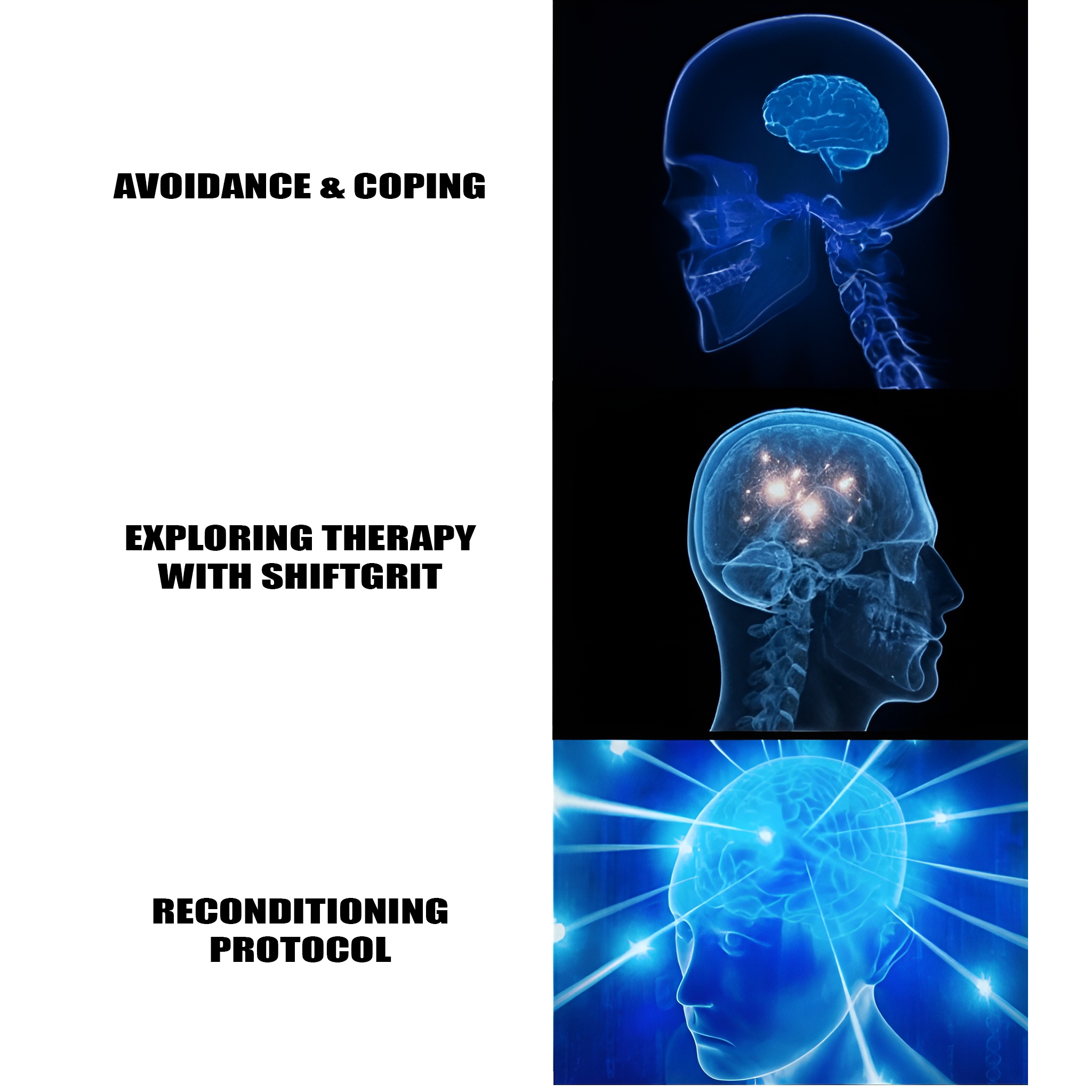
Discover related beliefs, emotional triggers, and how therapy can help you recondition this deep-rooted belief for real change.
What Therapy Targets:
We don’t just help you “believe in yourself.”
We rewire the survival loop that flags self-expression as a threat.
Through Pattern Reconditioning, we help you trust your own voice — even when it’s different from the room you’re in.
👉 Explore the Therapy Approach →
👉 See the Full Pattern Breakdown →