















Where this belief fits
Schema Domain: Impaired Autonomy & Performance
Lifetrap: Enmeshment / Undeveloped Self
Non-Nurturing Elements™ (Precursors):
How this belief keeps repeating:
Evidence Pile
When this belief is active, the mind tracks emotional shifts, stress responses, or changes in functioning and interprets variability as evidence of instability or lack of internal control.
Show common “proof” items
- Strong or rapidly changing emotions that feel hard to predict or regulate
- Periods of high functioning followed by dips in energy, motivation, or clarity
- Feeling different from others in emotional intensity, sensitivity, or reactivity
- Past feedback suggesting you are "too emotional," "overreacting," or inconsistent
- Situations where stress temporarily disrupts focus, mood, or decision-making
The nervous system stays alert for internal shifts—emotions, energy, thoughts—monitoring for signs of overwhelm, dysregulation, or "losing it."
Show common signals
- Hyper-monitoring mood, energy, or emotional intensity
- Fear of emotional overwhelm, collapse, or spiraling
- Interpreting stress or feelings as signs something is "wrong"
- Self-restraint around joy, anger, or sadness
- Shame about needing regulation, rest, or support
- Anxiety about being "too much" or not together enough
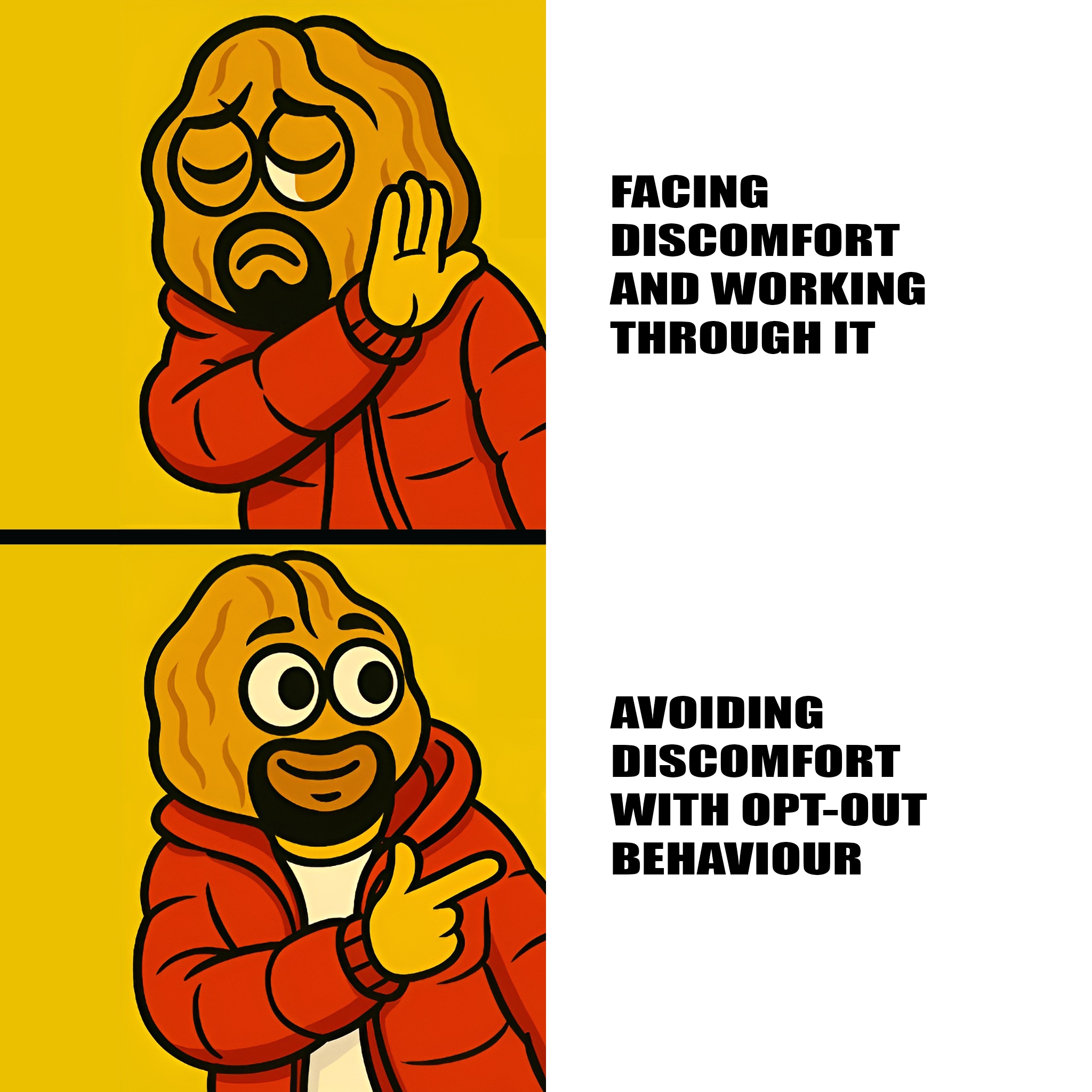
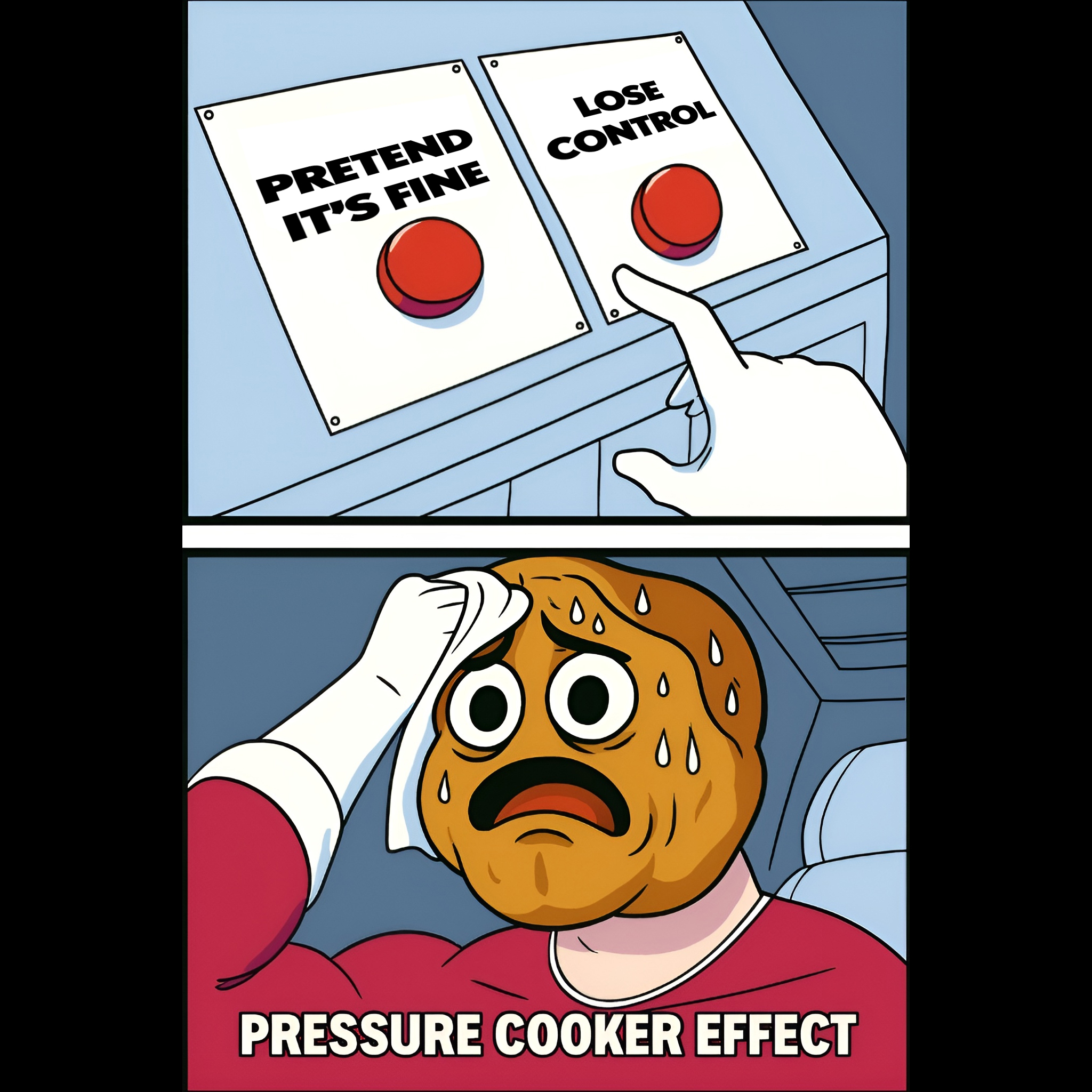
Relief comes from tightening control around internal experience—suppressing, stabilizing, or dampening emotions to avoid tipping out of balance.
Show Opt-Out patterns
- Emotional suppression or numbing
- Over-regulating through routines, rules, or self-discipline
- Intellectualizing feelings instead of experiencing them
- Avoiding situations that could evoke strong emotion
- Seeking external structure to compensate for internal mistrust
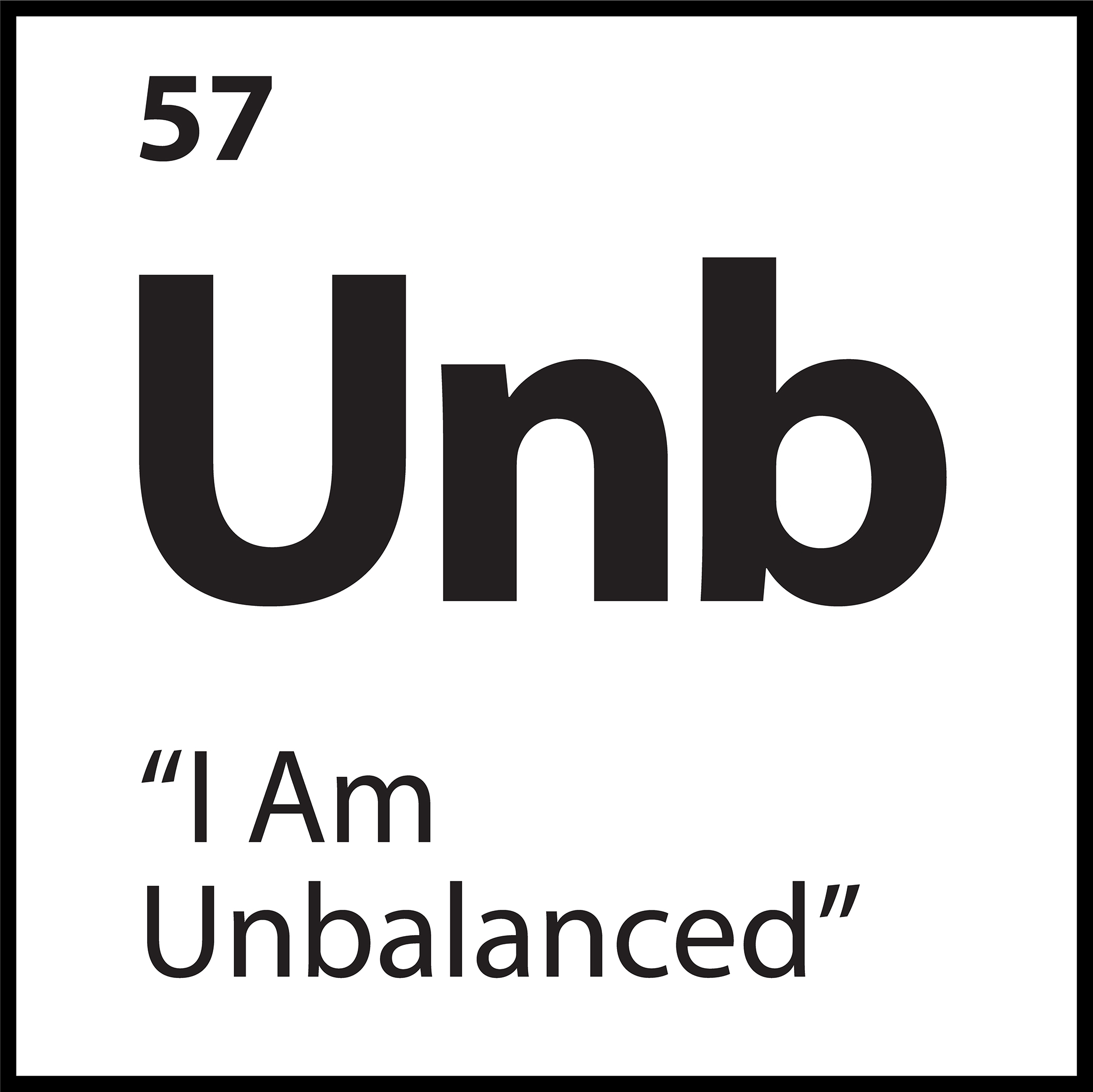
The belief “I Am Unbalanced” often forms when emotional reactions were dismissed, ridiculed, or punished—especially in environments that lacked emotional safety. Over time, emotional intensity or mood shifts are internalized as signs of danger. This belief leads people to fear their own responses, question their sanity, and attempt to control or suppress what they feel. The result is often emotional shutdown, self-monitoring, or cycles of explosive expression followed by shame.
What It Sounds Like Internally:
- “Why do I feel like this? What’s wrong with me?”
- “I can’t trust how I’m going to react.”
- “I’m too much for other people.”
- “I feel like I’m falling apart inside.”
Where It Shows Up:
- Struggling to regulate emotional states, swinging between numbness and overwhelm
- Avoiding high-stakes situations out of fear of emotional collapse
- Obsessive self-monitoring or perfectionism as a way to feel “stable”
- Feeling shame after emotional expression, even if it was valid
What It Can Lead To:
Unchecked, this belief often evolves into:
- Emotional dysregulation
- Panic attacks or mood instability
- Avoidant attachment and withdrawal in relationships
- Internalized shame or a fragmented sense of self
- Misdiagnoses related to mood or personality due to misinterpreted emotional responses
Want to Dive Deeper into the “I Am Unbalanced” Pattern?
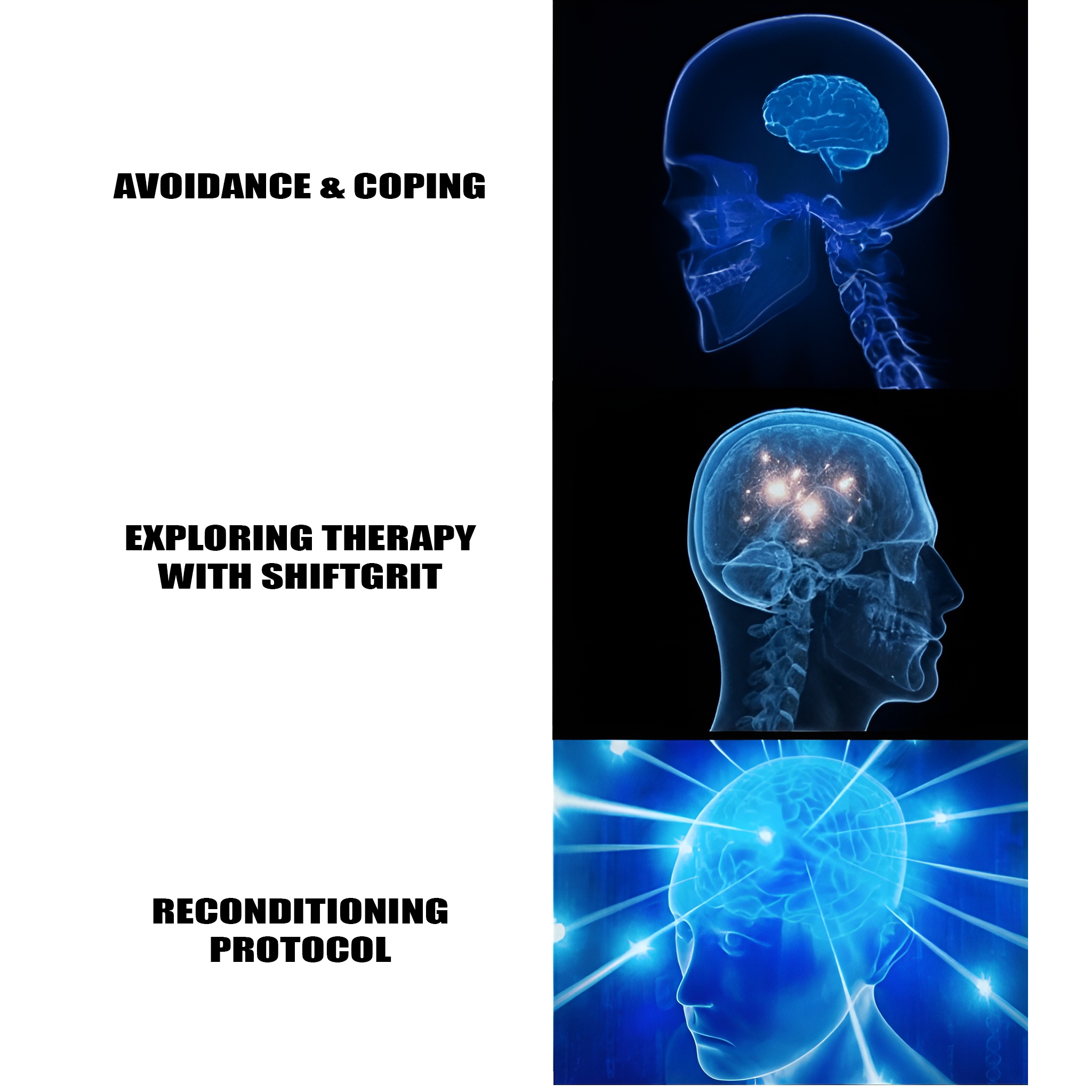
Discover related beliefs, emotional triggers, and how therapy can help you recondition this deep-rooted belief for real change.
What Therapy Targets:
Therapy doesn’t pathologize intensity — it explores why the fear of being too much got internalized. At ShiftGrit, we work to:
- Normalize the full range of emotions, rather than framing them as evidence of instability
- Rewire the emotional threat loop that drives shutdown or overcontrol
- Help clients develop trust in their capacity to feel without losing control
- Reprocess formative experiences where emotional expression was punished
👉 Explore the Therapy Approach →
👉 See the Full Pattern Breakdown →