













































Where this belief fits
Schema Domain: Disconnection & Rejection
Lifetrap: Defectiveness / Shame
Non-Nurturing Elements™ (Precursors):
How this belief keeps repeating:
Evidence Pile
When active, the mind automatically assigns blame inward.
Show common “proof” items
- Conflict in relationships
- Someone else’s bad mood
- Criticism, even mild
- Miscommunication
- Tension in a room
- Past mistakes replayed repeatedly
- Taking responsibility for group outcomes
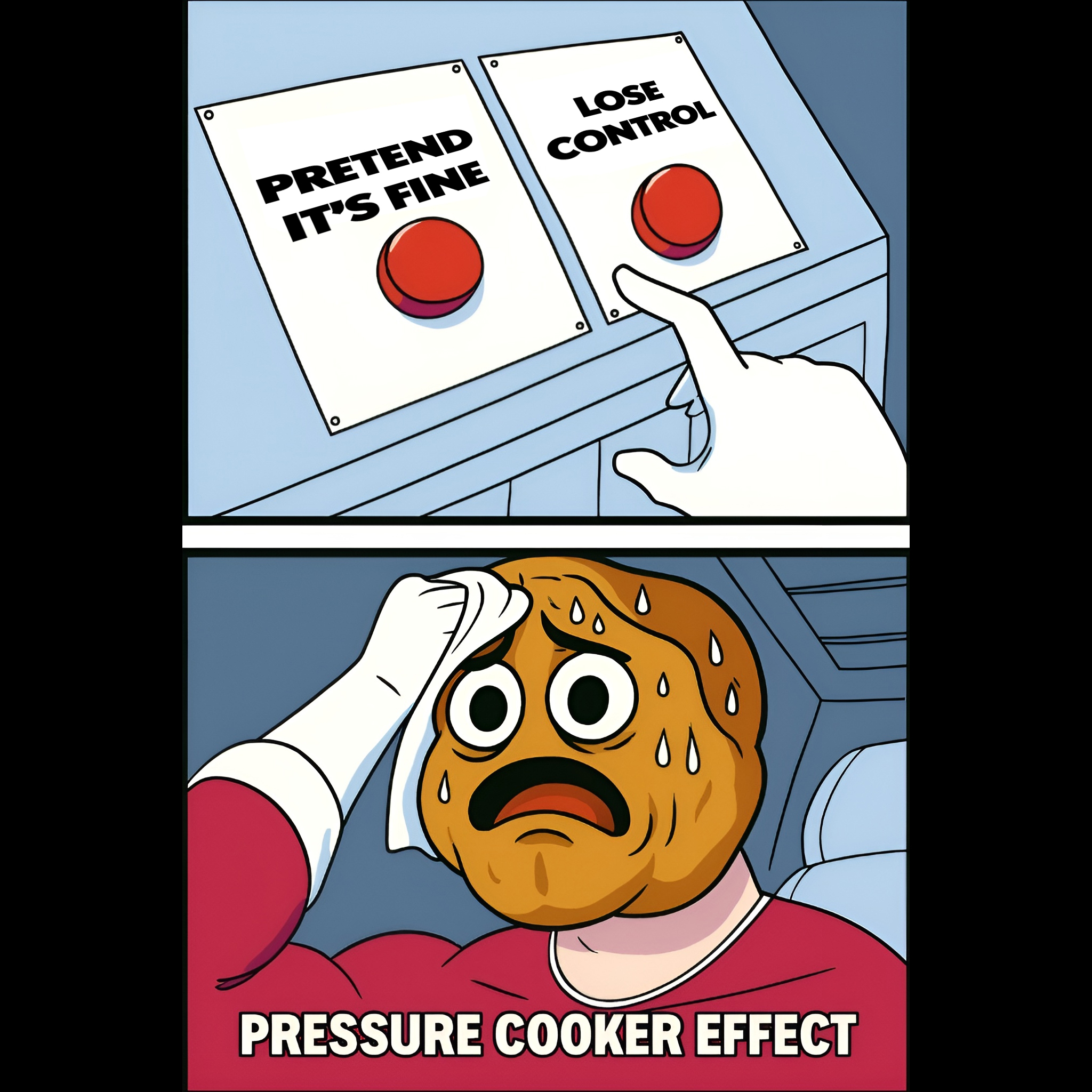
Chronic self-blame creates internal strain and hyper-responsibility.
Show common signals
- Anxiety about making mistakes
- Over-monitoring behaviour
- Guilt without clear cause
- Fear of upsetting others
- Difficulty relaxing in groups
Pressure releases through over-correction or self-sacrifice — reinforcing the belief of being the root issue.
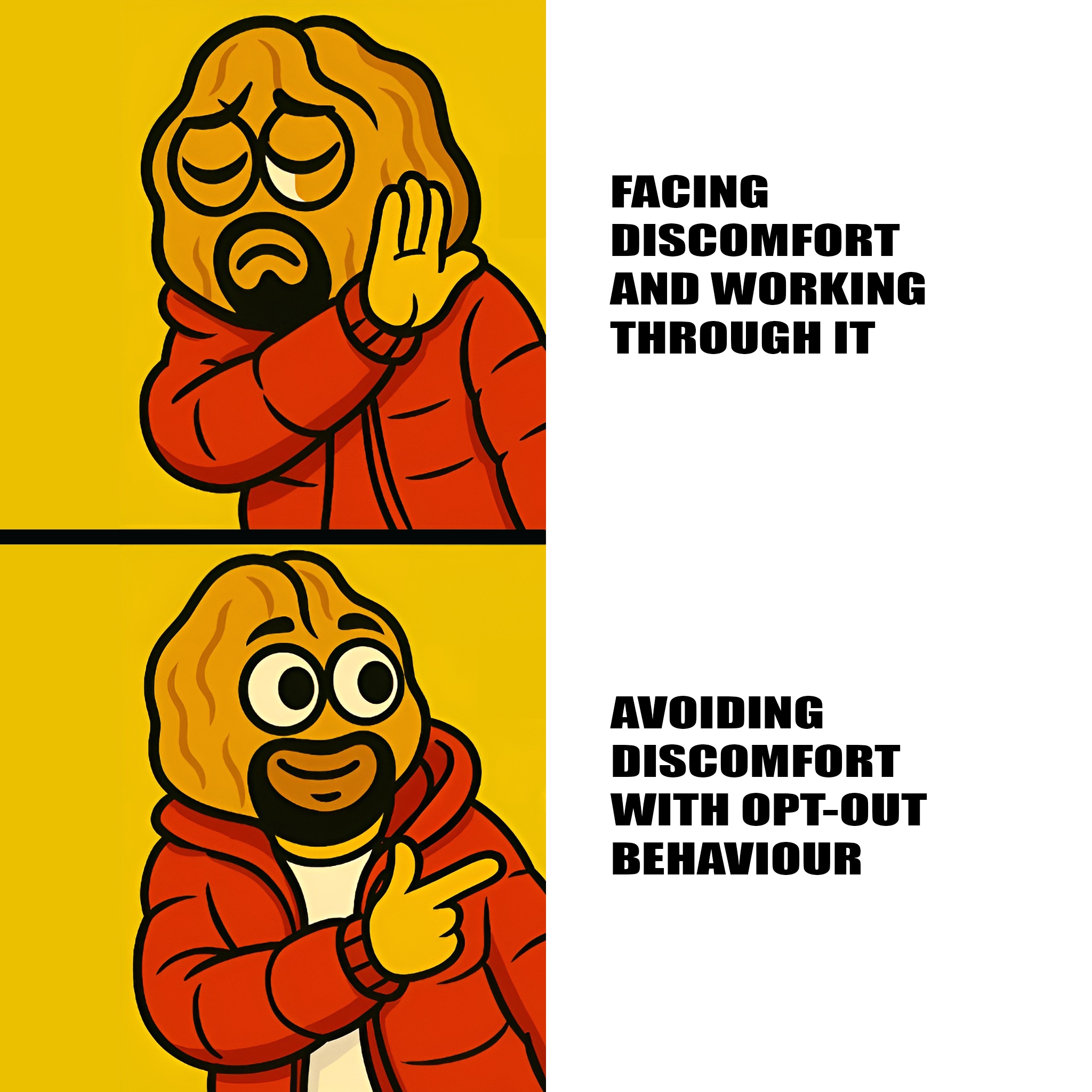
Show Opt-Out patterns
- Over-apologizing
- Fixing problems that aren’t yours
- Silencing needs
- Accepting blame quickly
- Over-functioning in relationships
- Avoiding conflict entirely
- Resentment building silently
This belief tends to form in environments where tension, conflict, or instability was subtly—or directly—attributed to the child. Whether through guilt, shaming, emotional volatility, or misplaced responsibility, the person learned that when something goes wrong, they are the common denominator.
Over time, accountability becomes identity. Instead of evaluating situations objectively, the nervous system tends to default inward.
It’s not just that they made a mistake.
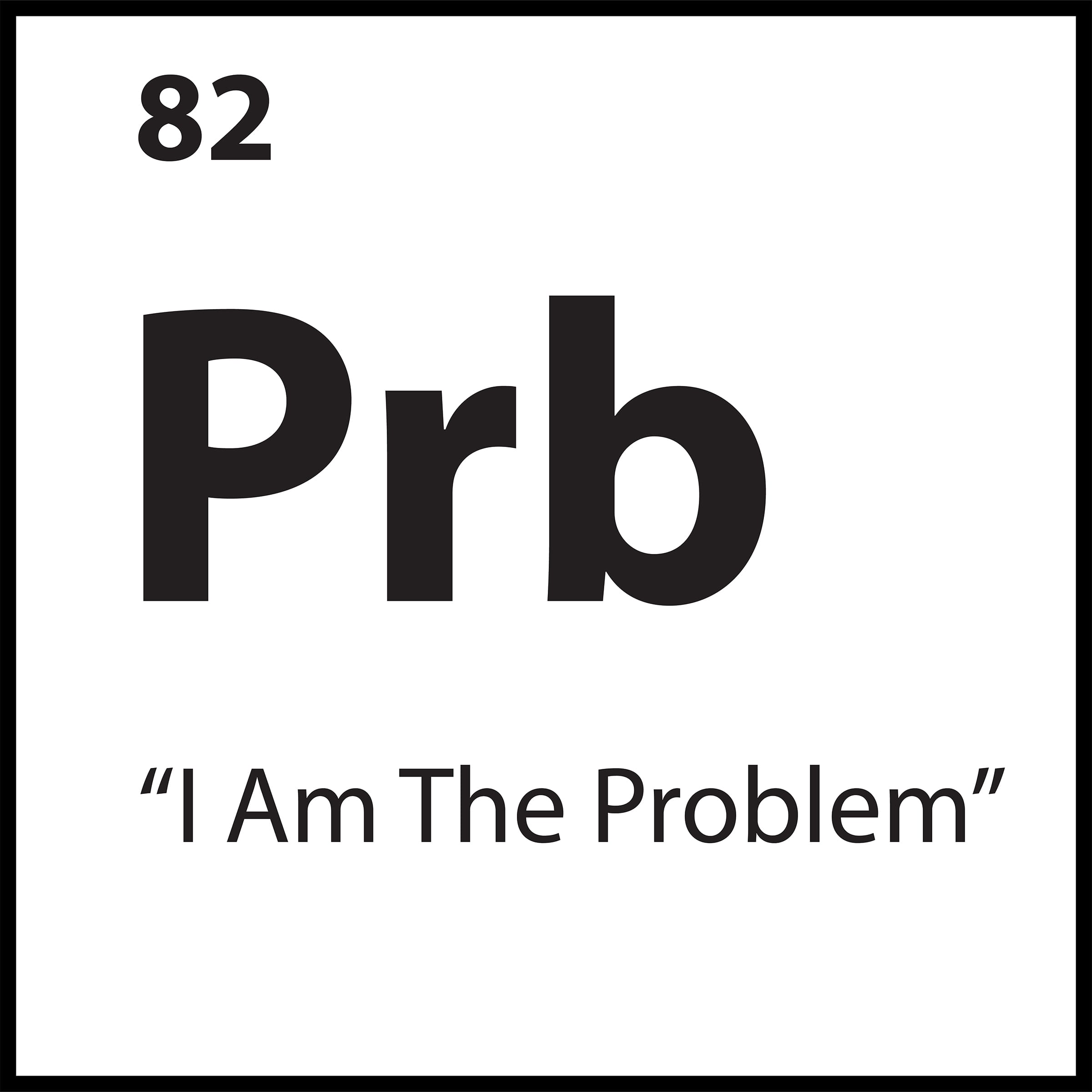
It’s that they believe they are the mistake.
What It Sounds Like Internally:
- “This is my fault.”
- “I ruined it.”
- “I always mess things up.”
- “They’re upset because of me.”
- “If I were different, this wouldn’t be happening.”
- “I’m the reason things go wrong.”
Where It Shows Up:
- Quickly accepting blame in a conflict
- Over-apologizing
- Fixing problems before being asked
- Over-functioning in relationships or teams
- Feeling responsible for others’ moods
- Difficulty tolerating someone being disappointed
- Staying silent to prevent tension
- Internalizing criticism deeply
What It Can Lead To:
- Chronic guilt
- Over-responsibility
- Burnout from emotional labour
- Resentment hidden under compliance
- Self-silencing
- Avoidance of leadership or visibility
- Difficulty setting boundaries
Want to Dive Deeper into the “I Am The Problem” Pattern?
Explore related beliefs like “It’s My Fault,” “I Am Responsible,” “I Am a Bad Person,” and “I Hurt Everyone,” and understand how identity-level therapy addresses chronic self-blame patterns at their source.
What Therapy Targets:
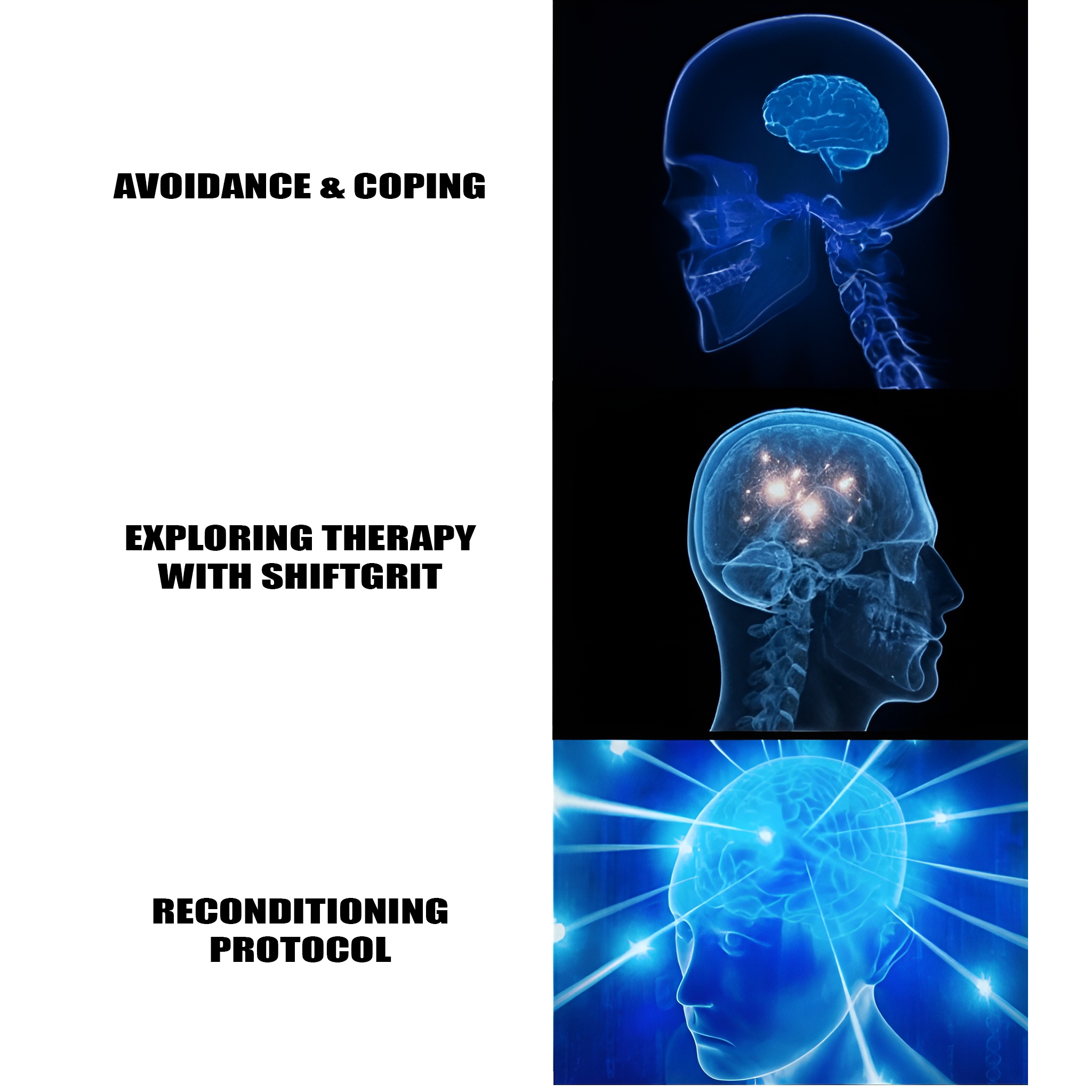
Identity-Level Therapy helps identify when responsibility became fused with identity. Often this belief formed in systems where emotional stability depended on the child absorbing blame or regulating others.
Through Pattern Reconditioning, we reduce the automatic link between tension and self-condemnation. Instead of defaulting to self-blame, clients begin evaluating situations proportionally.
The goal isn’t to remove accountability.
It’s to remove identity from it.
👉 Explore the Therapy Approach →
👉 See the Full Pattern Breakdown →