









































Where this belief fits
Schema Domain: Other-Directedness
Lifetrap: Self-Sacrifice
Non-Nurturing Elements™ (Precursors):
How this belief keeps repeating:
Evidence Pile
When this belief is active, the mind scans for ways outcomes, emotions, or situations could have been prevented or managed and interprets their occurrence as personal responsibility.
Show common “proof” items
- Others becoming upset, distressed, or dissatisfied in situations you were involved in
- Being the one who notices problems first or steps in to fix them
- Past experiences where you were expected to manage, stabilise, or compensate for others
- Situations where inaction feels as consequential as action
- Feeling relief only after taking control, intervening, or preventing potential issues
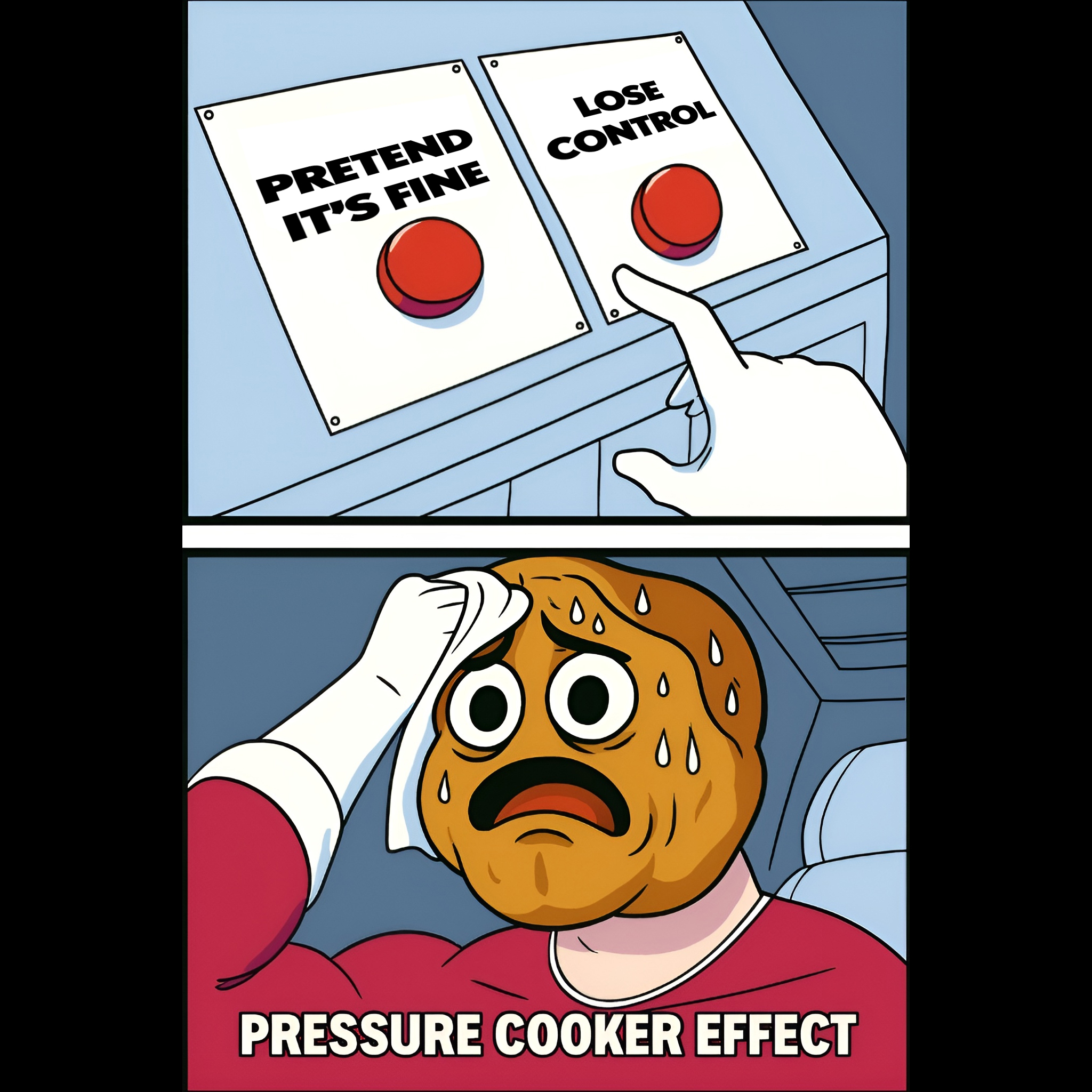
The nervous system stays on alert for potential problems, emotional shifts, or instability, assuming it must intervene to prevent harm, conflict, or failure.
Show common signals
- Chronic sense of being “on duty” or unable to fully relax
- Feeling responsible for others’ emotions, outcomes, or reactions
- Difficulty letting go, delegating, or trusting things to unfold
- Immediate self-blame when something goes wrong
- Guilt or anxiety when resting, enjoying oneself, or saying no
- Hyper-attunement to early signs of conflict or disappointment
Relief comes from over-functioning—anticipating needs, managing outcomes, and absorbing responsibility before others can be hurt or things fall apart.
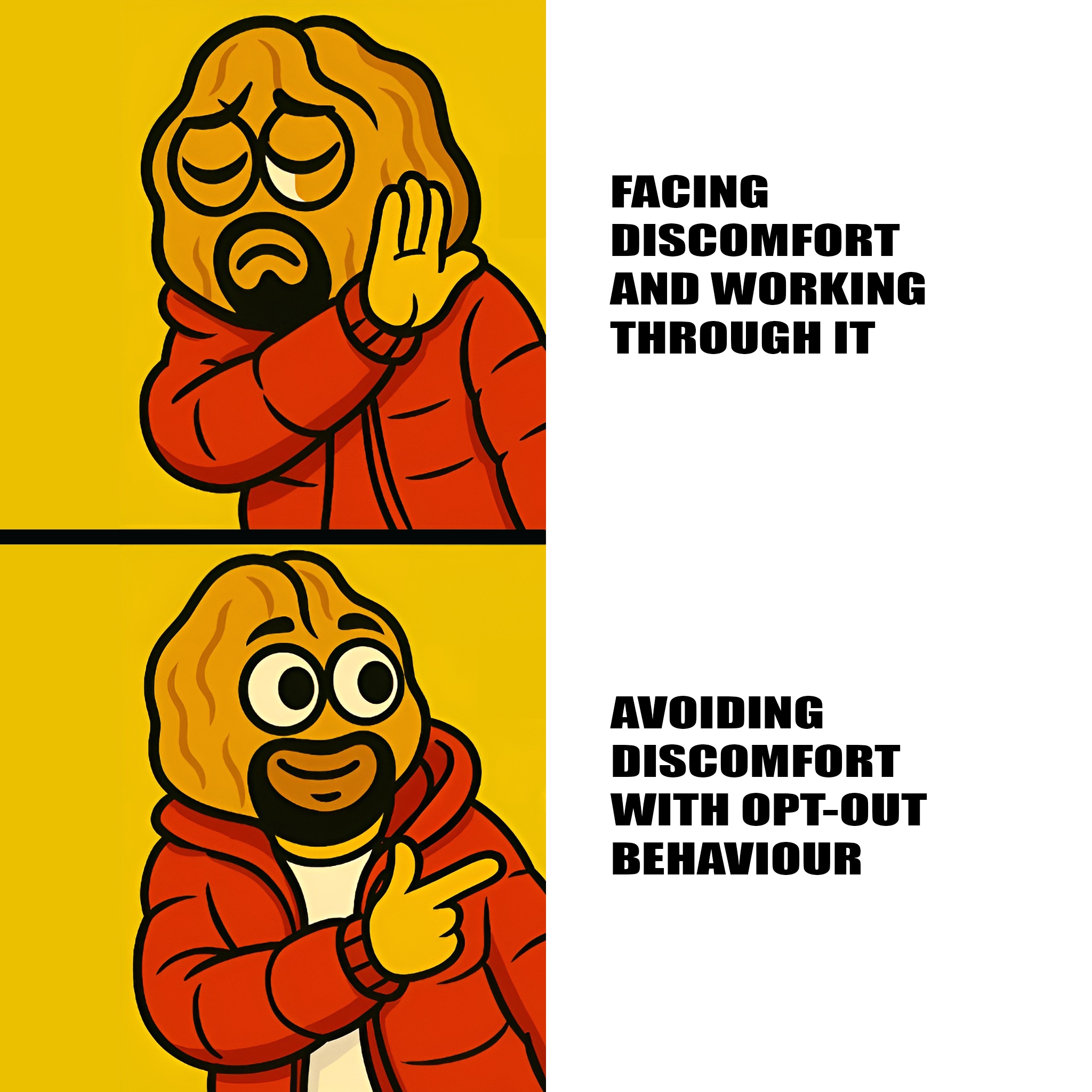
Show Opt-Out patterns
- Over-helping, fixing, or taking charge without being asked
- Emotional caretaking or mediating between people
- Perfectionism framed as "being reliable"
- Avoiding rest, play, or dependency on others
- Taking blame quickly to stabilize situations or reduce tension
This belief doesn’t announce itself — it disguises as care.
You anticipate needs, clean up messes, smooth things over.
Not because you want to — because you have to.
The guilt hits fast when you don’t.
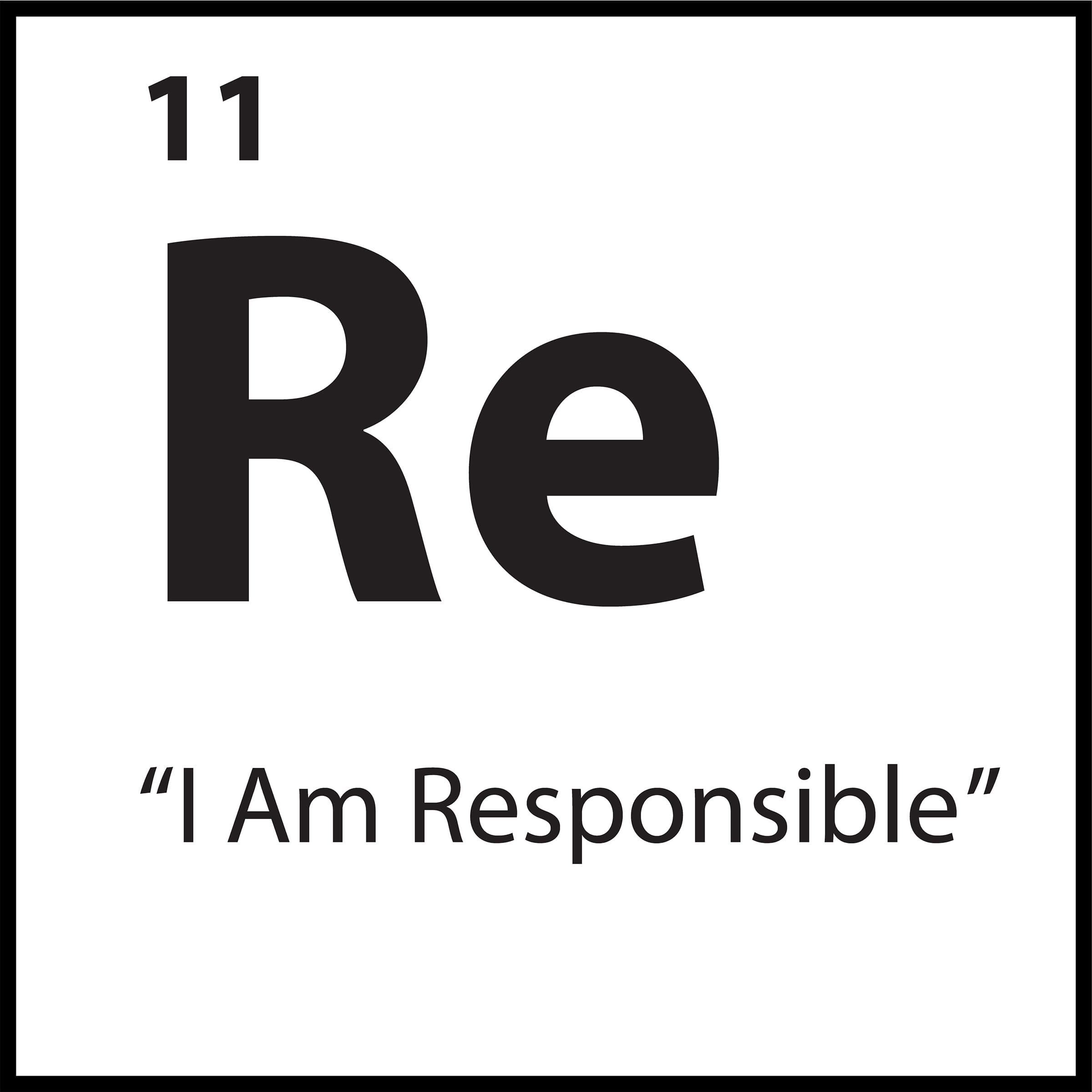
“I Am Responsible” turns love into obligation.
And your nervous system into a full-time lookout for other people’s stress, moods, and disappointments.
What It Sounds Like Internally:
- “If I don’t handle this, who will?”
- “Their emotions are my responsibility.”
- “It’s selfish to put myself first.”
Where It Shows Up:
- Feeling guilty for saying no or setting boundaries
- Playing peacemaker in every conflict
- Constant emotional labour in relationships
- Burnout from carrying what isn’t yours to hold
What It Can Lead To:
Unchecked, this belief often evolves into:
- “My worth is in what I do for others.”
- “If I don’t fix it, I’ve failed them.”
- “It’s my fault if they’re upset.”
Want to Dive Deeper into the “I Am Responsible” Pattern?
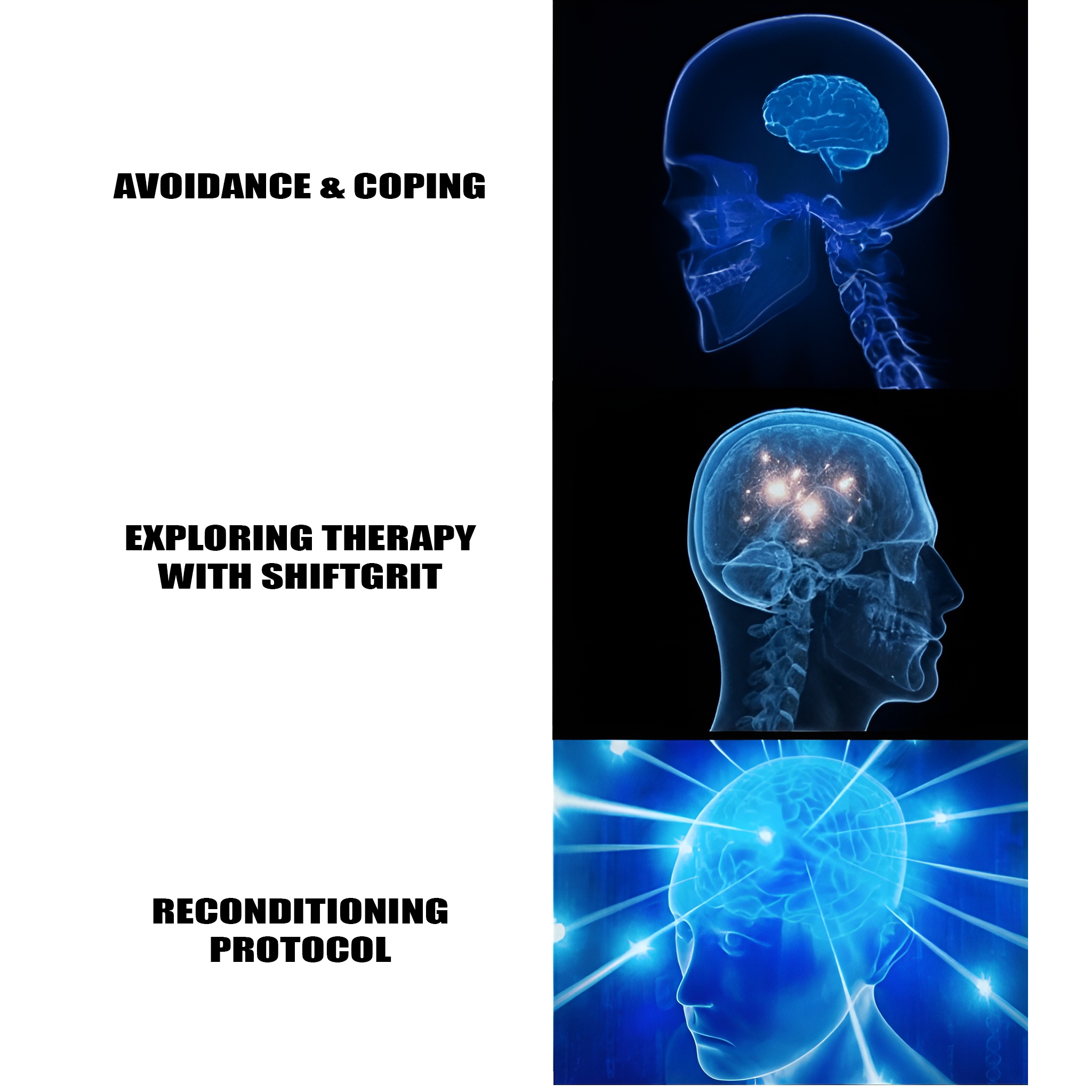
Discover related beliefs, emotional triggers, and how therapy can help you recondition this deep-rooted belief for real change.
What Therapy Targets:
We don’t teach you to care less.
We help your system learn that you can care without collapse.
Through Pattern Reconditioning, we untangle guilt from love — so support becomes a choice, not a survival strategy.
👉 Explore the Therapy Approach →
👉 See the Full Pattern Breakdown →