














































Where this belief fits
Schema Domain: Disconnection & Rejection
Lifetrap: Abandonment / Instability
Non-Nurturing Elements™ (Precursors):
How this belief keeps repeating:
Evidence Pile
When active, the mind scans for signs of distancing or instability.
Show common “proof” items
- Delayed responses to messages
- Changes in tone or availability
- Cancelled plans
- Conflict interpreted as rejection
- Partners needing space
- Memories of past losses
- Neutral distance seen as threat
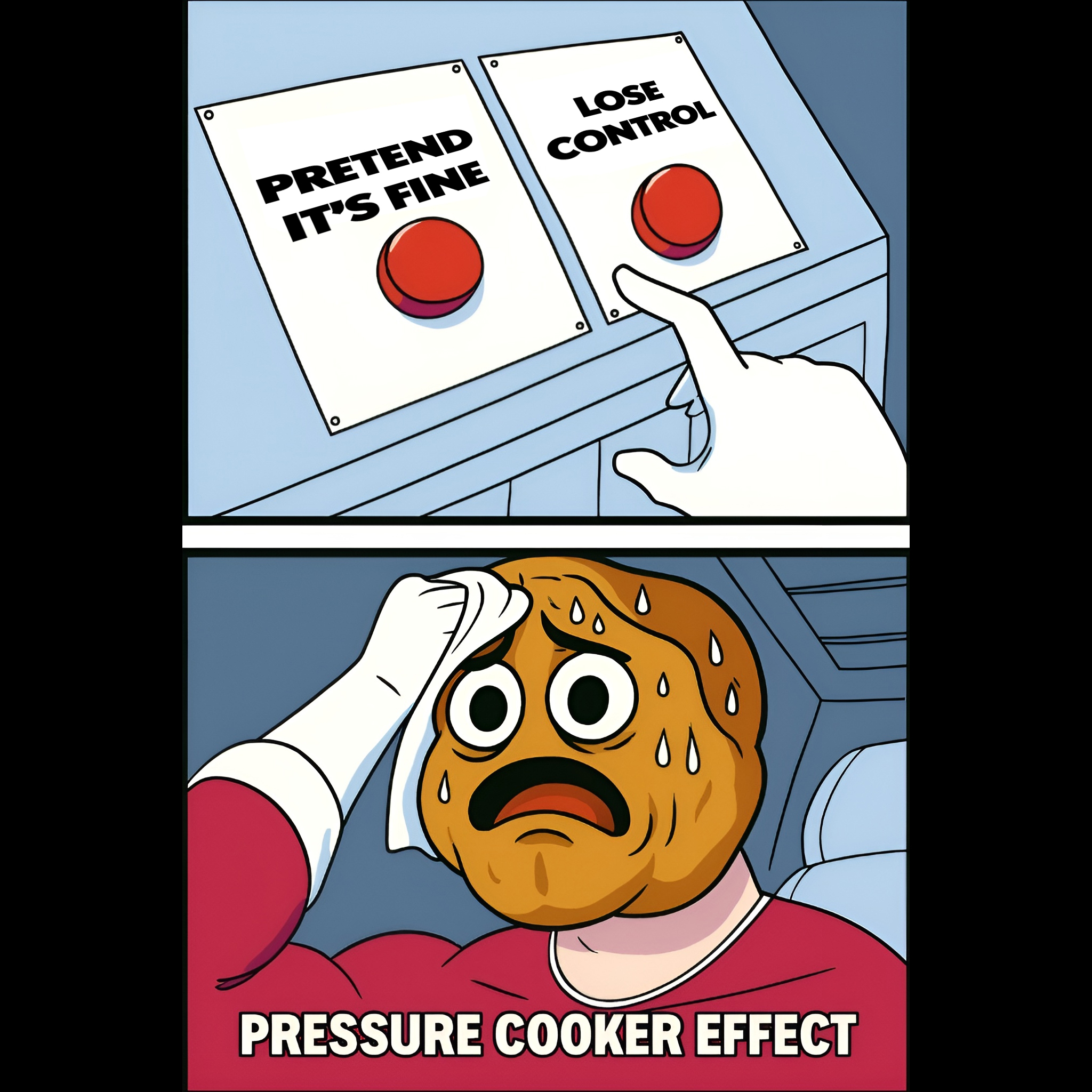
Fear of loss builds internal urgency.
Show common signals
- Hypervigilance in relationships
- Anxiety about being replaced
- Emotional intensity spikes
- Need for reassurance
- Difficulty tolerating ambiguity
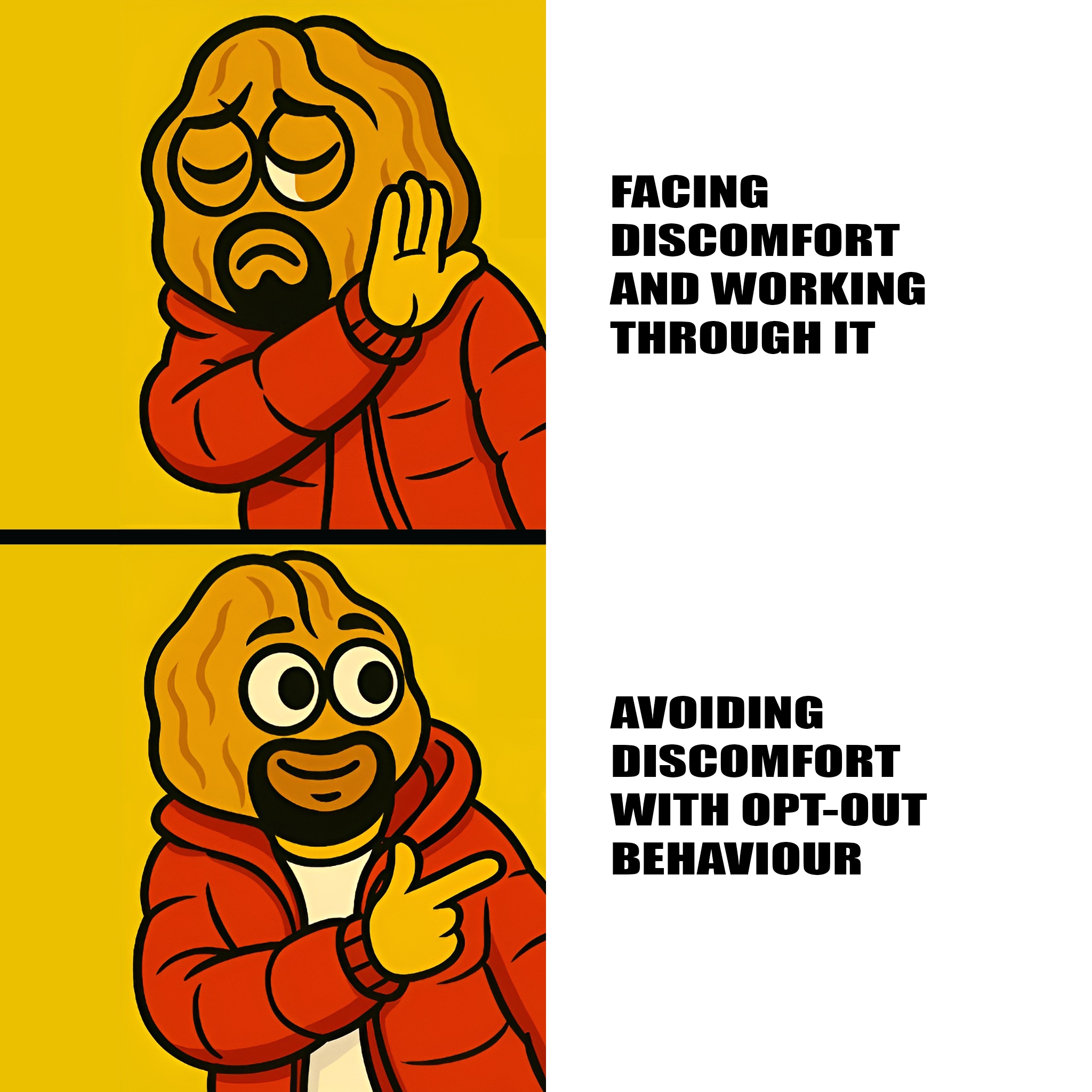
Pressure releases through clinging or pre-emptive withdrawal — reinforcing relational instability.
Show Opt-Out patterns
- Seeking excessive reassurance
- Testing loyalty
- Over-texting
- Pulling away to avoid being left
- Ending relationships prematurely
- Becoming overly accommodating
- Interpreting neutrality as abandonment
This belief tends to form in environments where connection felt inconsistent, unstable, or unpredictable. Caregivers may have been physically present but emotionally unavailable—or available one moment and distant the next.
Over time, the nervous system learns that closeness isn’t secure. It can disappear without warning. Even when relationships are stable in adulthood, the body remains braced for withdrawal.
It’s not that people always leave.
It’s that the system expects they will.
What It Sounds Like Internally:
- “They’re pulling away.”
- “I knew this wouldn’t last.”
- “I care more than they do.”
- “They’re going to lose interest.”
- “I shouldn’t get too comfortable.”
- “It’s only a matter of time.”
Where It Shows Up:
- Overanalyzing tone shifts or delayed replies
- Needing reassurance but feeling embarrassed to ask
- Becoming anxious when someone needs space
- Clinging harder when sensing distance
- Ending relationships prematurely to avoid being left
- Testing loyalty
- Difficulty trusting stability
- Emotional spikes during minor conflict
What It Can Lead To:
- Relationship anxiety
- Fear of intimacy and fear of loss simultaneously
- Push–pull dynamics
- Over-accommodation
- Emotional dependency
- Pre-emptive withdrawal
- Chronic hypervigilance in close relationships
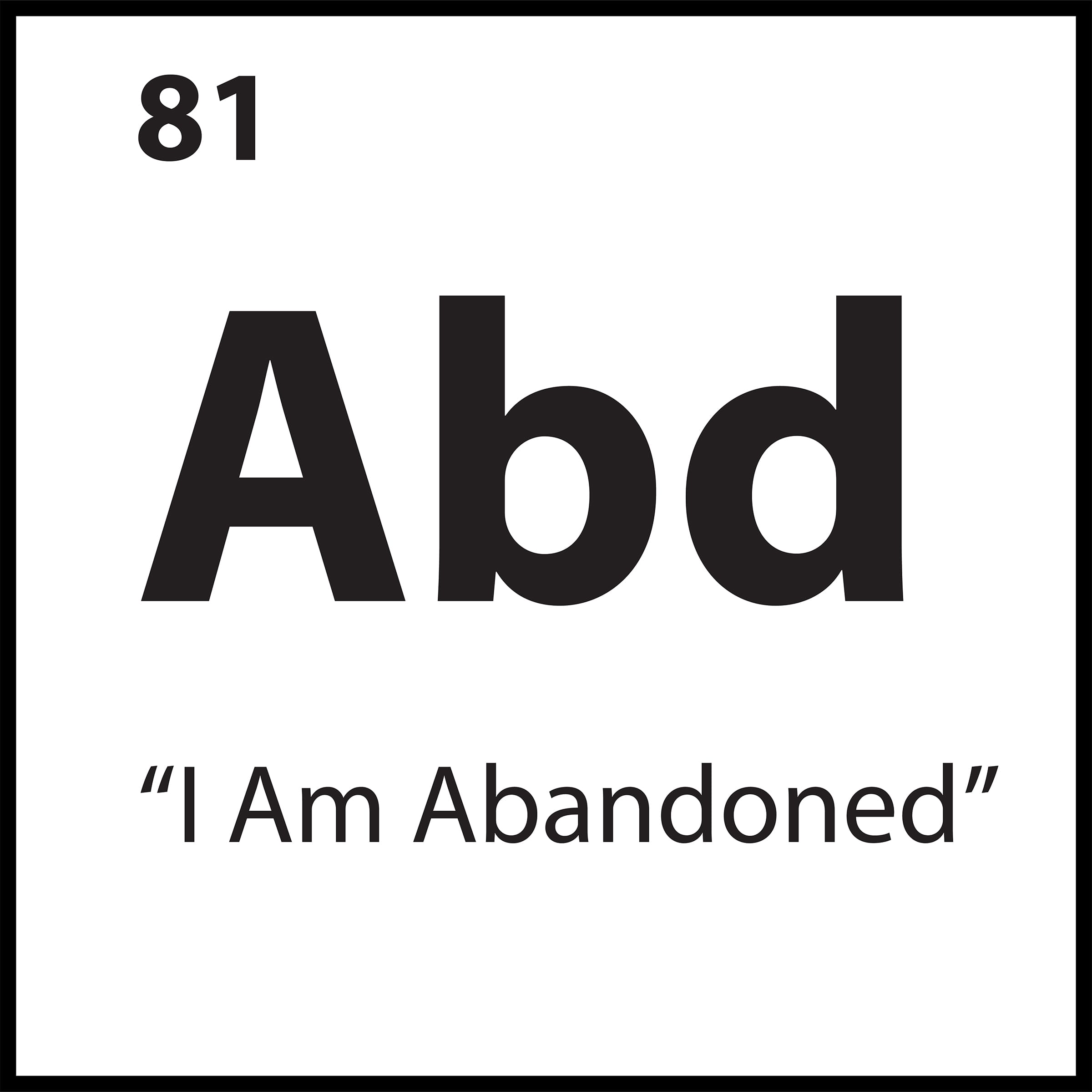
Want to Dive Deeper into the “I Am Abandoned” Pattern?
Explore related beliefs like “I Am Unwanted,” “I Am Alone,” “I Am Excluded,” and “I Don’t Matter,” and understand how attachment-based identity patterns influence adult relationships.
What Therapy Targets:
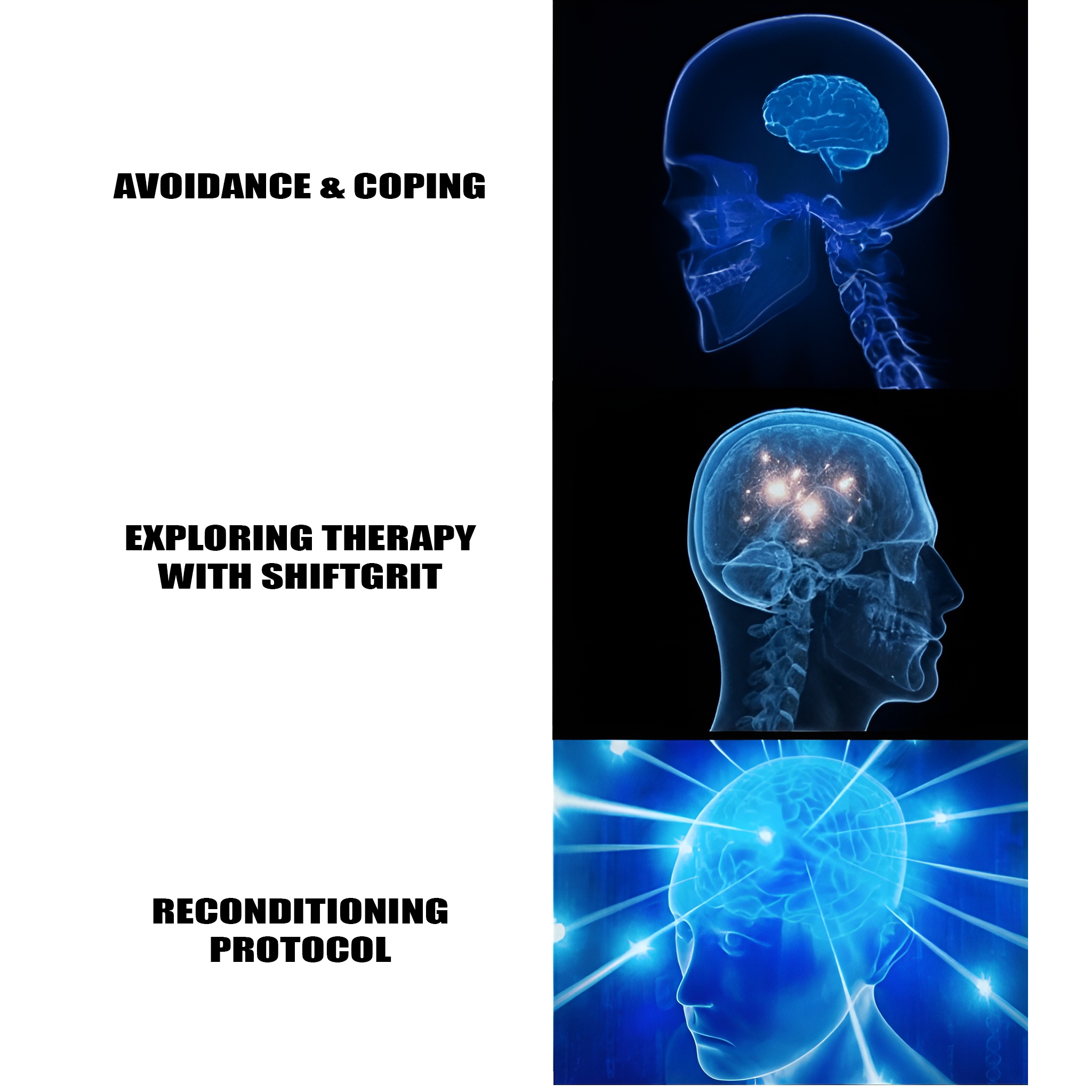
Identity-Level Therapy helps uncover when unpredictability in connection became wired into the nervous system. Often this belief formed through repeated experiences of emotional withdrawal, absence, or inconsistency.
Through Pattern Reconditioning, we reduce the automatic association between distance and threat. Instead of bracing for loss, clients learn to tolerate relational space without interpreting it as impending abandonment.
The goal isn’t to eliminate attachment.
It’s to remove panic from it.
👉 Explore the Therapy Approach →
👉 See the Full Pattern Breakdown →