
Binge Eating Disorder Treatment Edmonton: Providing Support and Hope for Those Struggling with Binge Eating
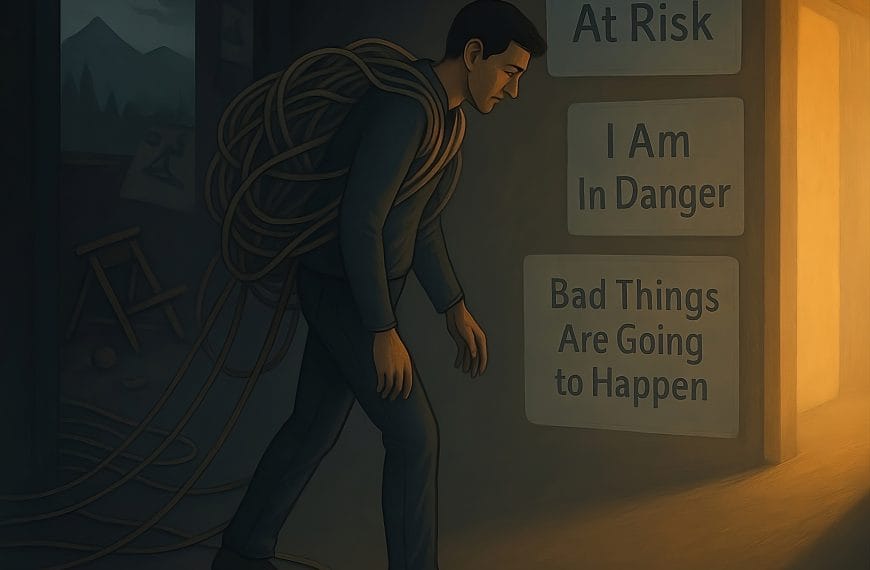
Therapy for binge eating disorder treatment Edmonton often involves addressing limiting beliefs, exposure therapy, and reconditioning to help individuals develop a healthier relationship with food and manage their binge-eating disorder. Limiting beliefs are negative thoughts about oneself that can contribute to unhealthy behaviours, such as binge eating.
In addressing binge-eating disorders, the ShiftGrit Core Method™ and reconditioning techniques present promising paths to recovery. These disorders often involve repetitive cycles of overeating triggered by emotions, resulting in guilt, shame, and a sense of loss of control. the ShiftGrit Core Method™ offers a structured approach to delve into the psychological factors underlying binge eating. Therapists guide clients in developing new perspectives on food, emotions, and self-image, fostering healthier coping mechanisms and self-regulation strategies.
Reconditioning techniques play a vital role in disrupting automatic binge-eating patterns by gradually exposing individuals to triggers while encouraging alternative, adaptive responses. By addressing emotional or traumatic experiences associated with binge eating through Reconditioning, therapists assist clients in managing triggers effectively and reducing the frequency and severity of binge episodes. Therapy rooted in the ShiftGrit Core Method™ enables individuals to establish a more balanced relationship with food, enhance emotional regulation, and progress toward sustained recovery from binge-eating disorders.
Identity-Level Therapy for Binge eating disorder in Edmonton
Identity-Level Therapy targets the belief patterns and emotional loops driving automatic reactions—not just the surface symptoms. By working at the identity layer, clients shift how they interpret safety, regulate threat, and relate to themselves and others. The result: reconditioning at the root of shame, self-sabotage, reactivity, and overwhelm.
It’s organized around three pillars:

ShiftGrit Core Method™
Our structured framework for breaking outdated identity patterns.
Learn more
The Pattern Library
Real-world examples of loops like perfectionism, procrastination, and shutdown.
Learn more
The Glossary
Clear definitions that keep the language sharp and the process transparent.
Learn moreLimiting Beliefs Commonly Linked with Binge eating disorder Therapy
These identity-level patterns frequently show up for clients seeking binge eating disorder therapy. Explore the beliefs to learn the “why” and how therapy can help you recondition them.

“I Am Not Good Enough”
“I’m Not Good Enough” isn’t just a negative thought — it’s a pattern formed by early experiences like criticism, neglect, or impossible expectations. This belief fuels perfectionism, people-pleasing,…
Explore this belief
“I Am Unworthy”
When you feel unworthy, nothing ever feels earned. This belief fuels overfunctioning, self-neglect, and guilt around rest, care, or success. It can be rewired.
Explore this belief
“I Am Powerless”
The belief “I Am Powerless” often forms in environments where autonomy was suppressed and safety depended on submission. It creates chronic helplessness, low agency, and difficulty asserting needs…
Explore this beliefWant to see how these fit into the bigger pattern map? Explore our full Limiting Belief Library to browse all core beliefs by schema domain and Lifetrap.

Edmonton Therapy for Binge-Eating: Identifying and Overcoming the Signs and Symptoms
Edmonton therapy for binge eating can be an effective way to help individuals identify and overcome the signs and symptoms of binge-eating disorder. Some common signs and symptoms of binge-eating disorder include regularly eating large amounts of food in a short period of time, feeling a lack of control over eating during binge episodes, and feeling distressed, guilty, or ashamed after binge eating. Therapy can help individuals understand the underlying causes of their binge-eating behaviour and develop healthy coping skills and behaviours to manage the disorder. By addressing the signs and symptoms of binge-eating disorder, individuals can take control of their eating habits and improve their overall well-being.
Interweaving Threads: The Unexpected Connection Between ADHD and Binge Eating
Attention Deficit Hyperactivity Disorder (ADHD) and Binge Eating Disorder (BED) may appear distinct, but a compelling body of research suggests an intricate connection between the two. ADHD, characterized by inattention, hyperactivity, and impulsivity, often coexists with emotional dysregulation and a propensity for risky behaviours. Binge Eating Disorder, marked by consuming large amounts of food in a short period and feelings of loss of control, can be one manifestation of this impulsivity and emotional dysregulation. Many individuals with ADHD struggle with self-regulation and impulse control, making them vulnerable to binge eating patterns. Furthermore, the immediate reward of eating can serve as a temporary distraction from the restlessness and inner turmoil experienced by those with ADHD. As such, understanding this interplay between ADHD and BED is critical in developing holistic and effective therapeutic interventions.
The Benefits of Binge Eating Therapy in Edmonton: Take Control of Your Life and Find Relief
- Binge-eating therapy in Edmonton can help individuals identify and address the underlying causes of their binge-eating behaviour.
- Therapy can provide a safe and supportive space to explore and process difficult emotions and experiences that may be contributing to binge eating.
- Through therapy, individuals can learn healthy coping skills and behaviours to manage the binge-eating disorder and improve their overall well-being.
- Binge-eating therapy can help individuals take control of their eating habits and improve their relationship with food.
- Therapy can provide relief from the distress and shame often associated with binge-eating disorder, leading to increased self-esteem and confidence.
124 Street Location
Address:10445 124 Street, Edmonton, AB,T5N 1R7, Canada
Phone: (780) 705-6463
Email: 124street@shiftgrit.shop
Common Questions About Binge-Eating Disorder Therapy Edmonton
Exploring the Multifaceted Nature of Binge-Eating Disorder: Key Influential Factors
Binge-eating disorder (BED) is a complex and often misunderstood eating disorder, characterized by recurrent episodes of consuming large quantities of food in a short period of time, accompanied by feelings of loss of control and intense shame. While the exact cause of BED remains unknown, researchers have identified several contributing factors that can play a significant role in the development and maintenance of this disorder. By gaining a better understanding of these complexities, mental health professionals can develop more targeted and effective interventions for individuals struggling with BED.