















Where this belief fits
Schema Domain: Overvigilance & Inhibition
Lifetrap: Punitiveness
Non-Nurturing Elements™ (Precursors):
How this belief keeps repeating:
Evidence Pile
When this belief is active, the mind gathers evidence that the self is harmful, irredeemable, or dangerous to others, and interprets continued existence as morally wrong or unacceptable.
Show common “proof” items
- Remembering past mistakes, harm caused, or moments of perceived failure
- Interpreting others’ pain, distance, or disappointment as one’s fault
- Feeling like a burden, threat, or drain on people or systems
- Noticing repeated emotional pain and concluding it will never resolve
- Interpreting shame or guilt as evidence of fundamental wrongdoing
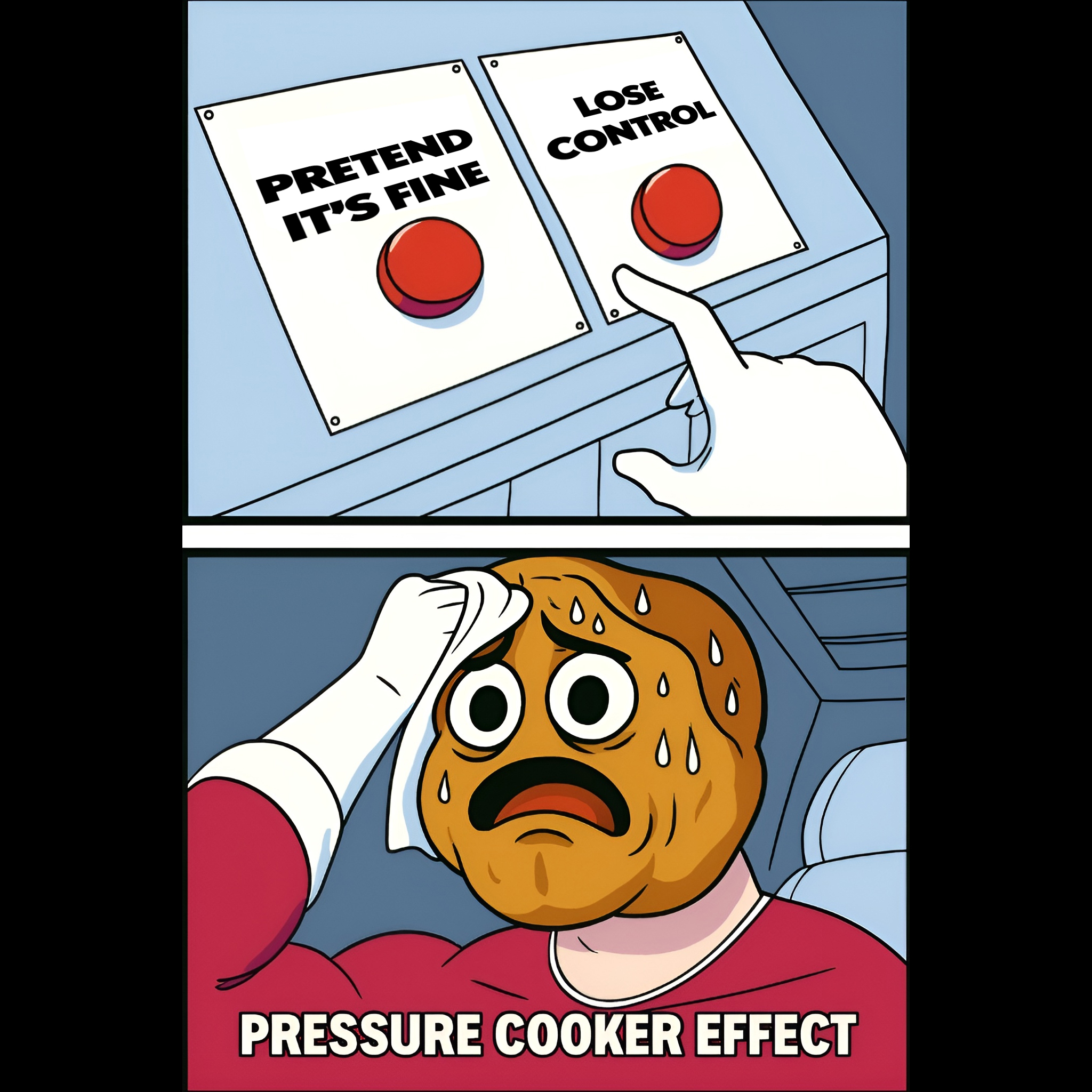
As guilt, shame, and perceived danger accumulate, internal pressure builds through emotional overwhelm and a felt need to prevent further harm at any cost.
Show common signals
- Intense shame or self-hatred
- Emotional numbness or collapse
- Rumination about past actions
- Feeling morally contaminated or unsafe to exist
- Urges toward disappearance rather than relief
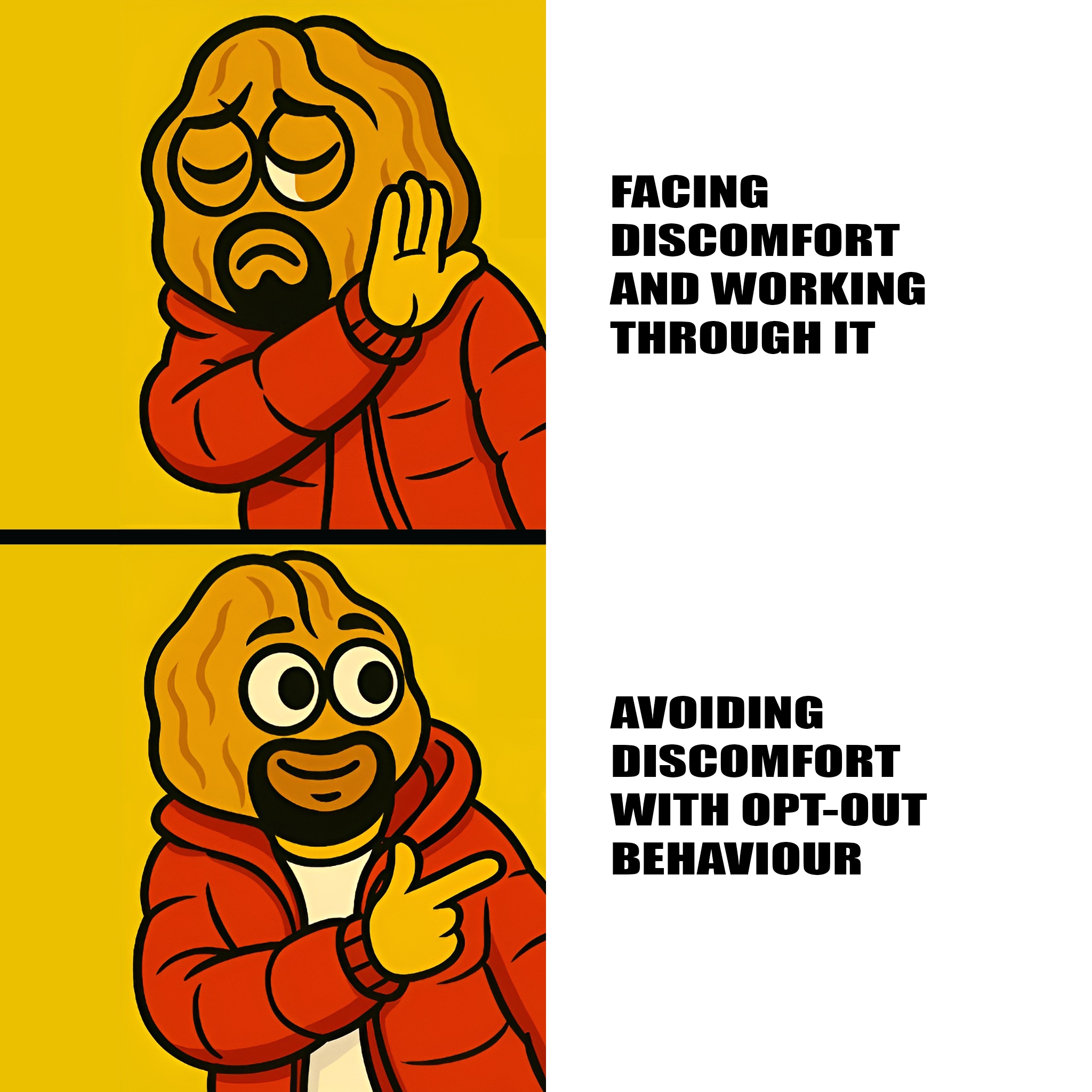
To stop the perceived harm, the system attempts total self-removal—psychologically or imaginatively—as the ultimate form of control and protection.
Show Opt-Out patterns
- Fantasizing about not existing or “being gone”
- Emotional shutdown or dissociation
- Withdrawing completely from relationships or roles
- Self-punitive thinking or harsh moral judgment
- Relinquishing agency (“nothing I do matters anymore”)
This belief is not always shouted — often, it whispers.
It’s the internalized message that your very existence is a problem.
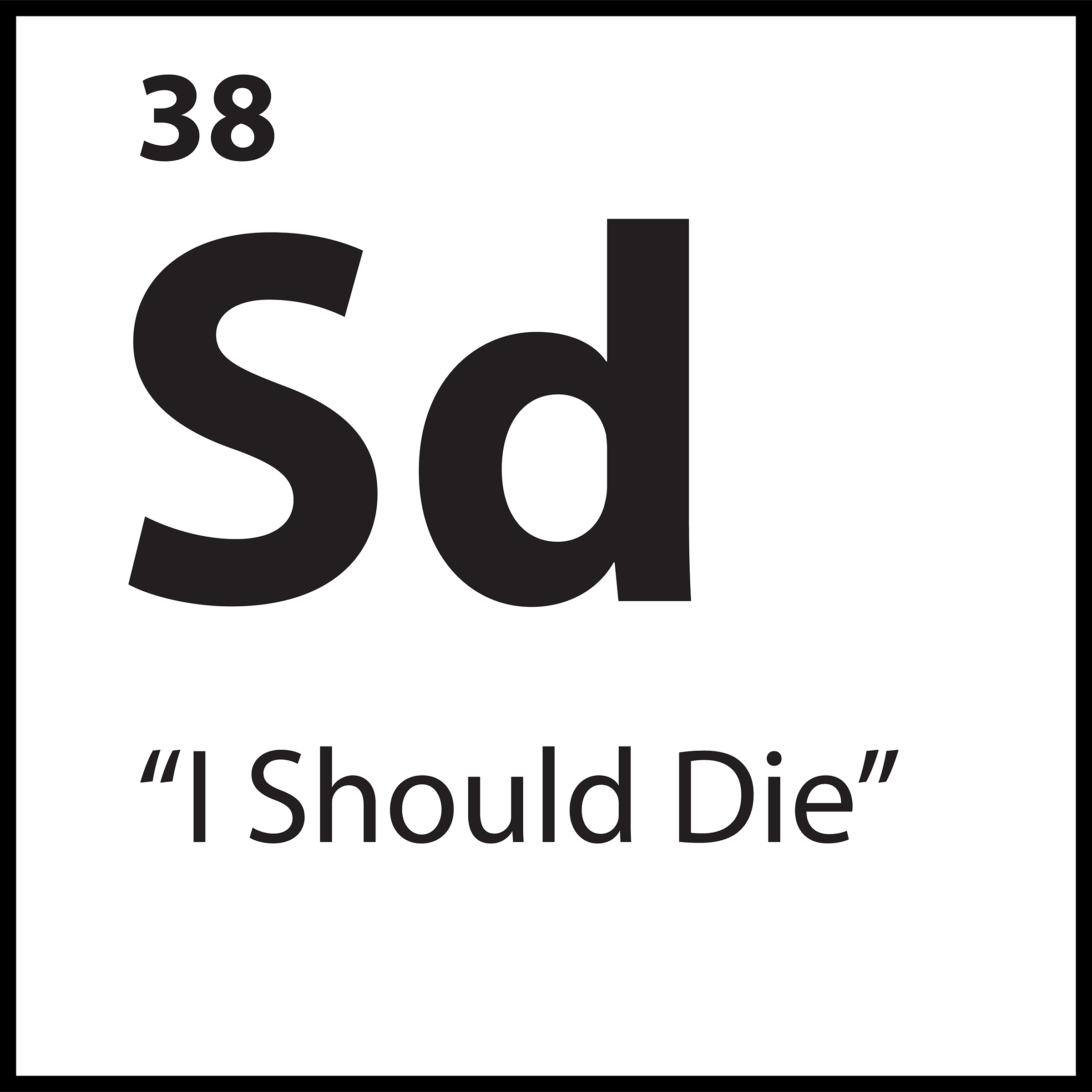
“I Should Die” emerges in environments of chronic punishment, shame, or invalidation. It doesn’t necessarily mean active suicidality — though it can. More often, it shows up as a deep, unresolved sense that being here is a mistake.
What It Sounds Like Internally:
- “Everyone would be better off without me.”
- “I ruin everything — I don’t deserve to exist.”
- “I can’t fix it. I shouldn’t be here.”
Where It Shows Up:
- Passive self-neglect or chronic risk-taking
- Feeling like a burden in close relationships
- Withdrawing from opportunities, connection, or help
- Intense shame after any perceived mistake or failure
What It Can Lead To:
If unaddressed, this belief can evolve into:
- “My existence only causes pain.”
- “The only way to stop the damage is to remove myself.”
- “I’m the problem — not just my actions, but me.”
Want to Dive Deeper into the “I Should Die” Pattern?
Discover related beliefs, emotional triggers, and how therapy can help you recondition this deep-rooted belief for real change.
What Therapy Targets:
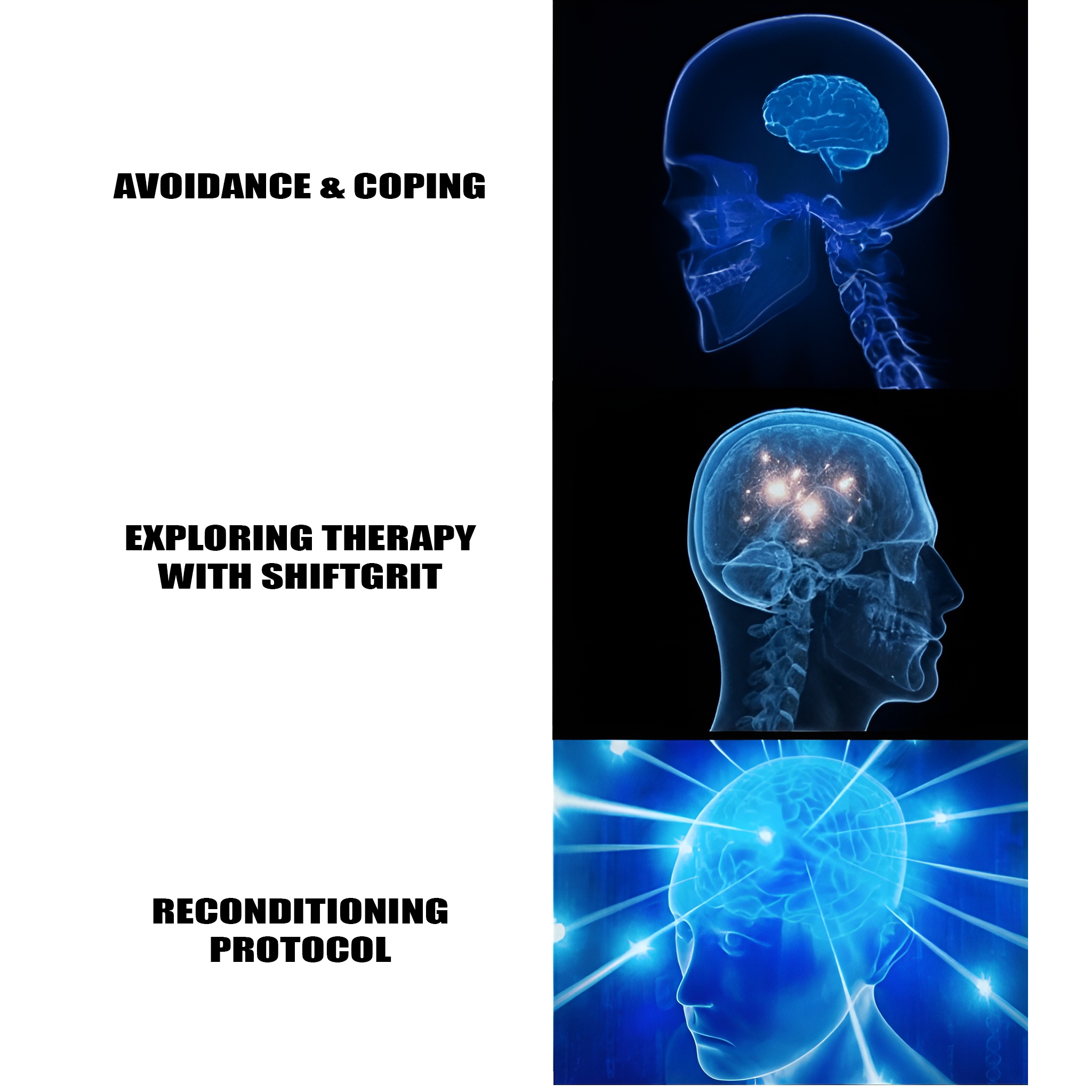
At ShiftGrit, we don’t simply talk you out of this belief — we help your nervous system unlearn it.
Through Pattern Reconditioning, therapy targets the emotional evidence pile keeping this belief alive. We untangle the shame loops, reframe the early rules, and replace them with the deeper truth: your presence is not a mistake.
👉 Explore the Therapy Approach →
👉 See the Full Pattern Breakdown →