






























Where this belief fits
Schema Domain: Disconnection & Rejection
Lifetrap: Mistrust / Abuse
Non-Nurturing Elements™ (Precursors):
How this belief keeps repeating:
Evidence Pile
When this belief is active, the mind scans for moments where others were upset, disappointed, or affected and interprets those reactions as evidence that one is inherently harmful to people around them.
Show common “proof” items
- Seeing others become emotional, withdrawn, or distressed after interactions
- Past conflicts, breakups, or ruptures in close relationships
- Being told one’s words, needs, or actions caused pain
- Remembering moments of anger, reactivity, or emotional overwhelm
- Others setting boundaries, needing space, or pulling away
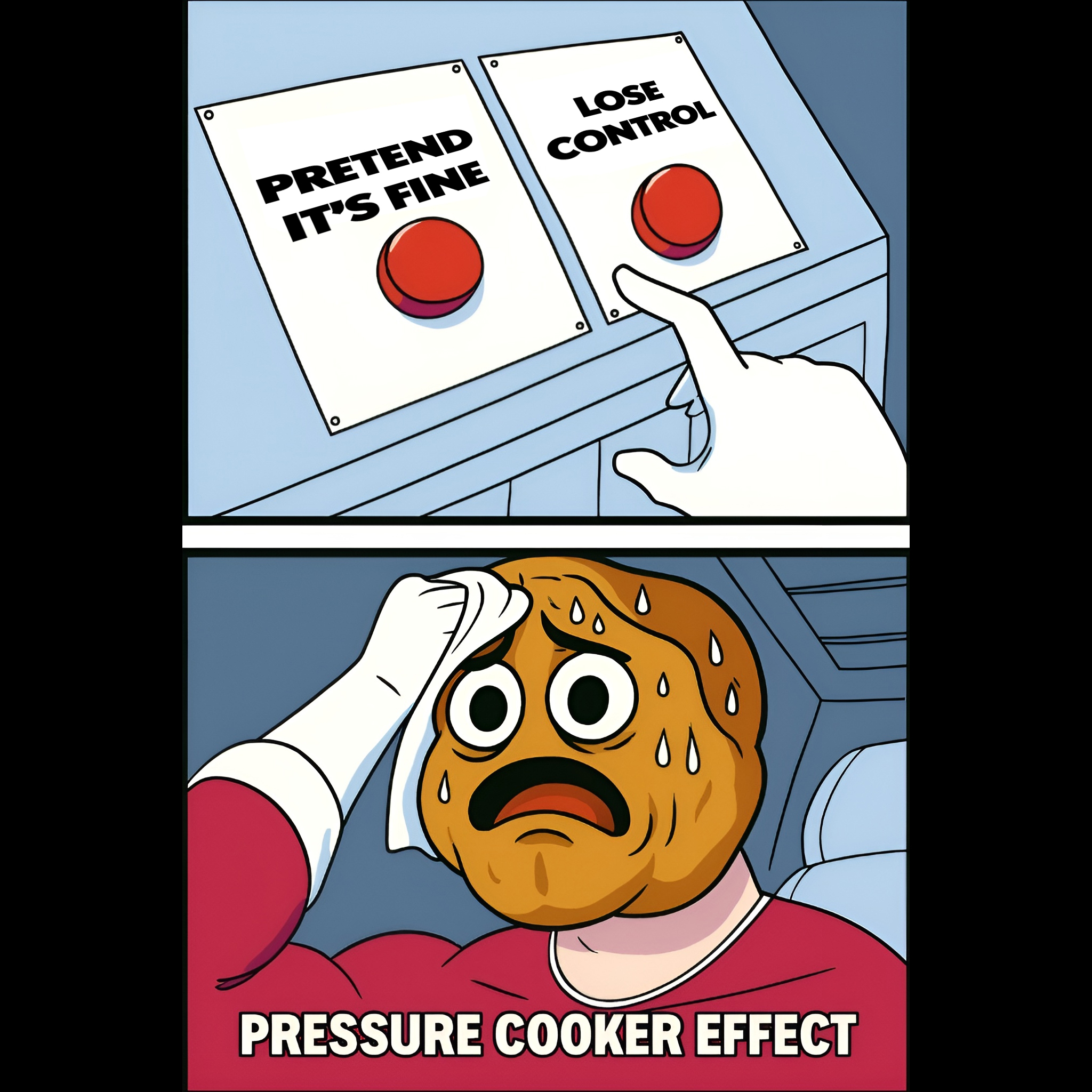
As evidence of being harmful accumulates, internal pressure builds around fear, guilt, and the belief that closeness inevitably causes damage.
Show common signals
- Chronic guilt or remorse
- Anxiety before or after interactions
- Fear of emotional expression
- Hyper-monitoring of tone, words, or reactions
- Shame linked to one’s presence or influence
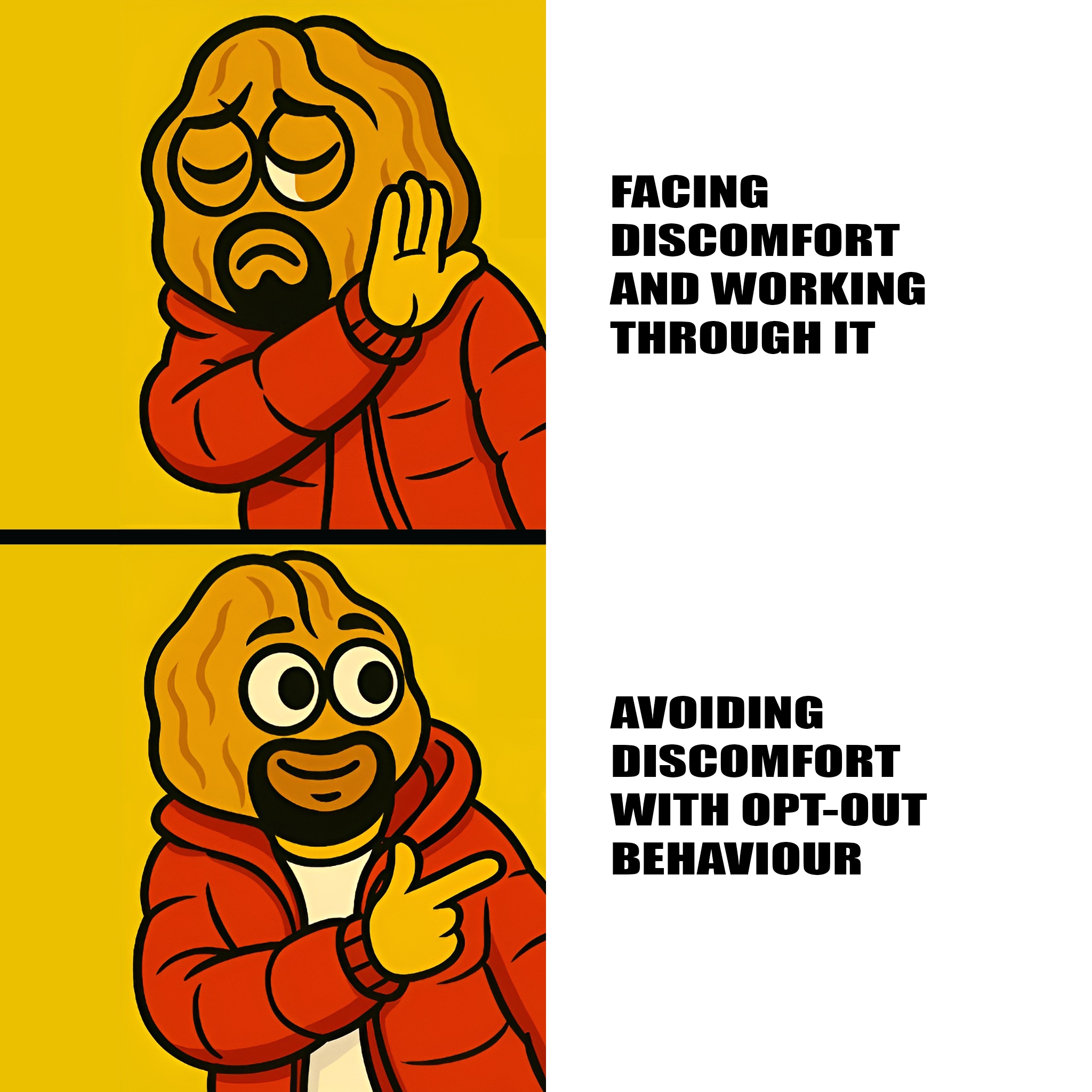
To reduce the risk of hurting others, the system moves toward self-suppression, distance, or emotional containment.
Show Opt-Out patterns
- Withdrawing from closeness or intimacy
- Avoiding difficult conversations
- Silencing needs, feelings, or boundaries
- Over-accommodating others
- Ending relationships pre-emptively
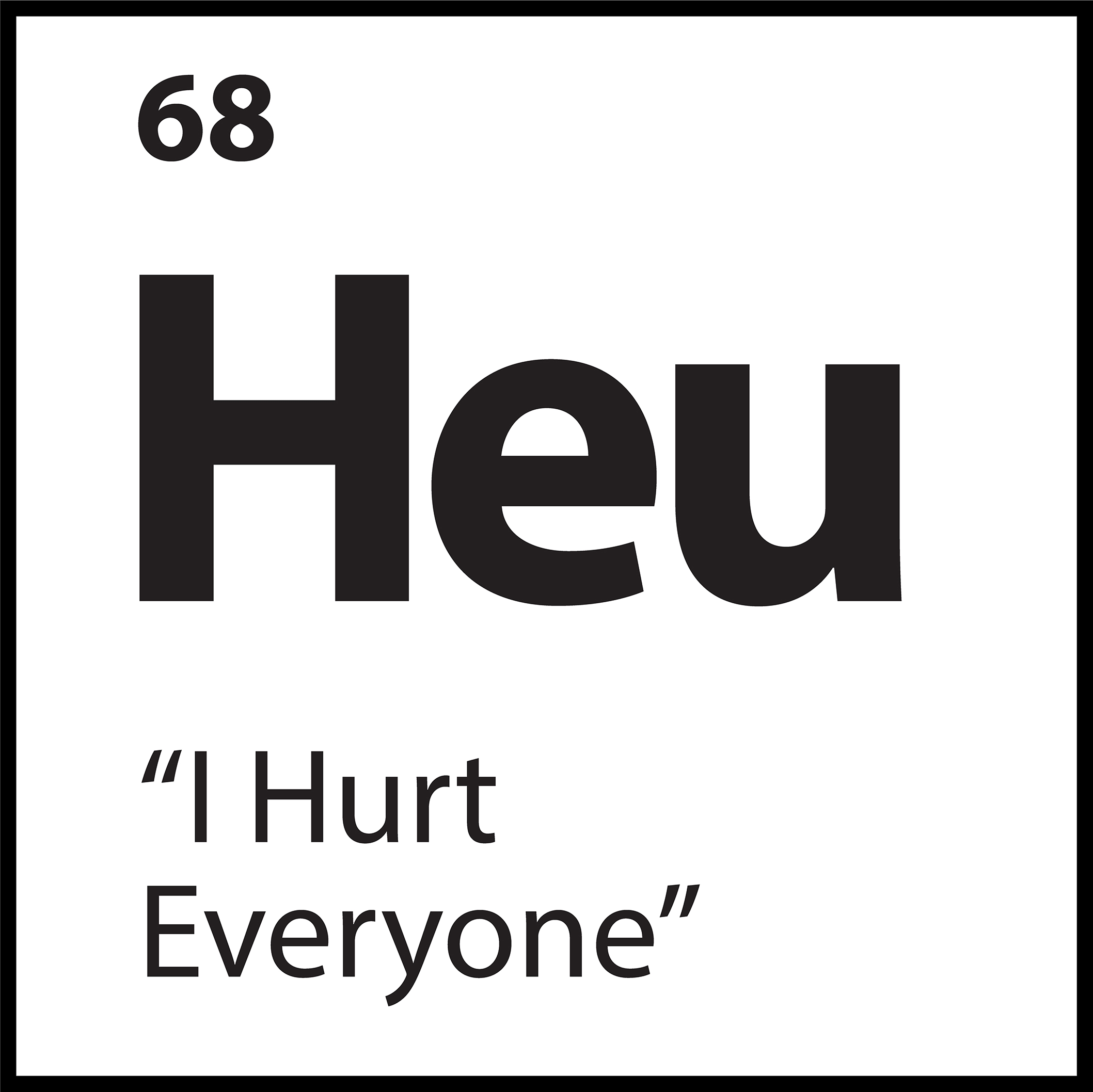
This belief doesn’t whisper — it echoes. When someone carries the internal narrative “I Hurt Everyone,” it can quietly distort every relationship, every close moment, every choice to connect. Even when nothing has gone wrong, there’s a haunting sense that it will. That just by being yourself — saying too much, feeling too deeply, reacting too strongly — you’ll inevitably cause harm. This belief isn’t always loud, but it’s always present. And it keeps you stuck in guilt, distance, and self-silencing.
What It Sounds Like Internally:
- “I always ruin good things.”
- “I make people uncomfortable.”
- “They’d be better off without me.”
- “I don’t mean to, but I always cause pain.”
- “Even when I try to help, I just make it worse.”
Where It Shows Up:
- Avoiding vulnerability for fear it will backfire.
- Constant guilt after expressing needs or emotions.
- Pulling away from people when things get too close.
- Feeling responsible for others’ emotional reactions.
- Over-apologizing or over-explaining during conflict.
- Chronic self-blame even when there’s no clear wrongdoing.
What It Can Lead To:
- Emotional withdrawal or hyper-independence.
- Sabotaging relationships before they deepen.
- Shame-based identity development.
- Difficulty accepting love or forgiveness.
- Chronic overthinking and people-pleasing as damage control.
- Developing anxiety or depressive patterns linked to perceived harm.
Want to Dive Deeper into the “I Hurt Everyone” Pattern?
Discover related beliefs, emotional triggers, and how therapy can help you recondition this deep-rooted belief for real change.
What Therapy Targets:
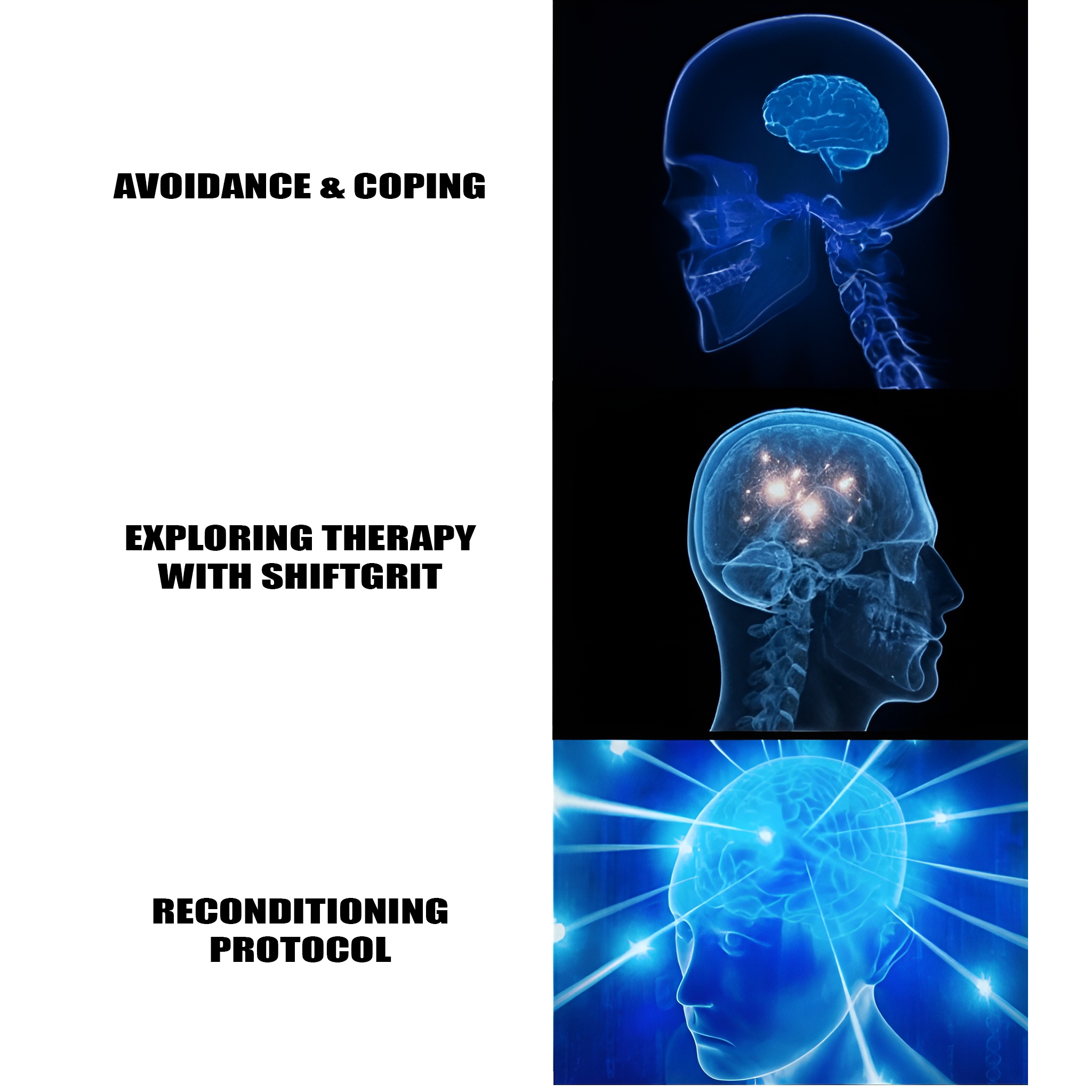
In Identity-Level Therapy, we don’t just address the guilt — we unravel the origin of the belief that guilt is deserved. We help you trace the emotional evidence pile: where this belief first formed, how it reinforced itself over time, and what internal rules you began to live by. Using Pattern Reconditioning, we target the underlying association: that connection equals harm. And we replace it with new neural pathways grounded in safety, self-trust, and attunement. So that closeness doesn’t feel dangerous — and your presence no longer feels like a threat.
👉 Explore the Therapy Approach →
👉 See the Full Pattern Breakdown →