









































Where this belief fits
Schema Domain: Disconnection & Rejection
Lifetrap: Emotional Deprivation
Non-Nurturing Elements™ (Precursors):
How this belief keeps repeating:
Evidence Pile
When this belief is active, the mind tracks difficulty feeling closeness, warmth, or sustained emotional openness and interprets these experiences as evidence of an inability to love rather than a protective or context-dependent response.
Show common “proof” items
- Feeling emotionally numb, distant, or disconnected in relationships
- Struggling to sustain romantic feelings or attachment over time
- Pulling away when closeness, dependency, or vulnerability increases
- Comparing your emotional responses to others who appear more expressive or bonded
- Past relationships where love felt unsafe, overwhelming, or short-lived
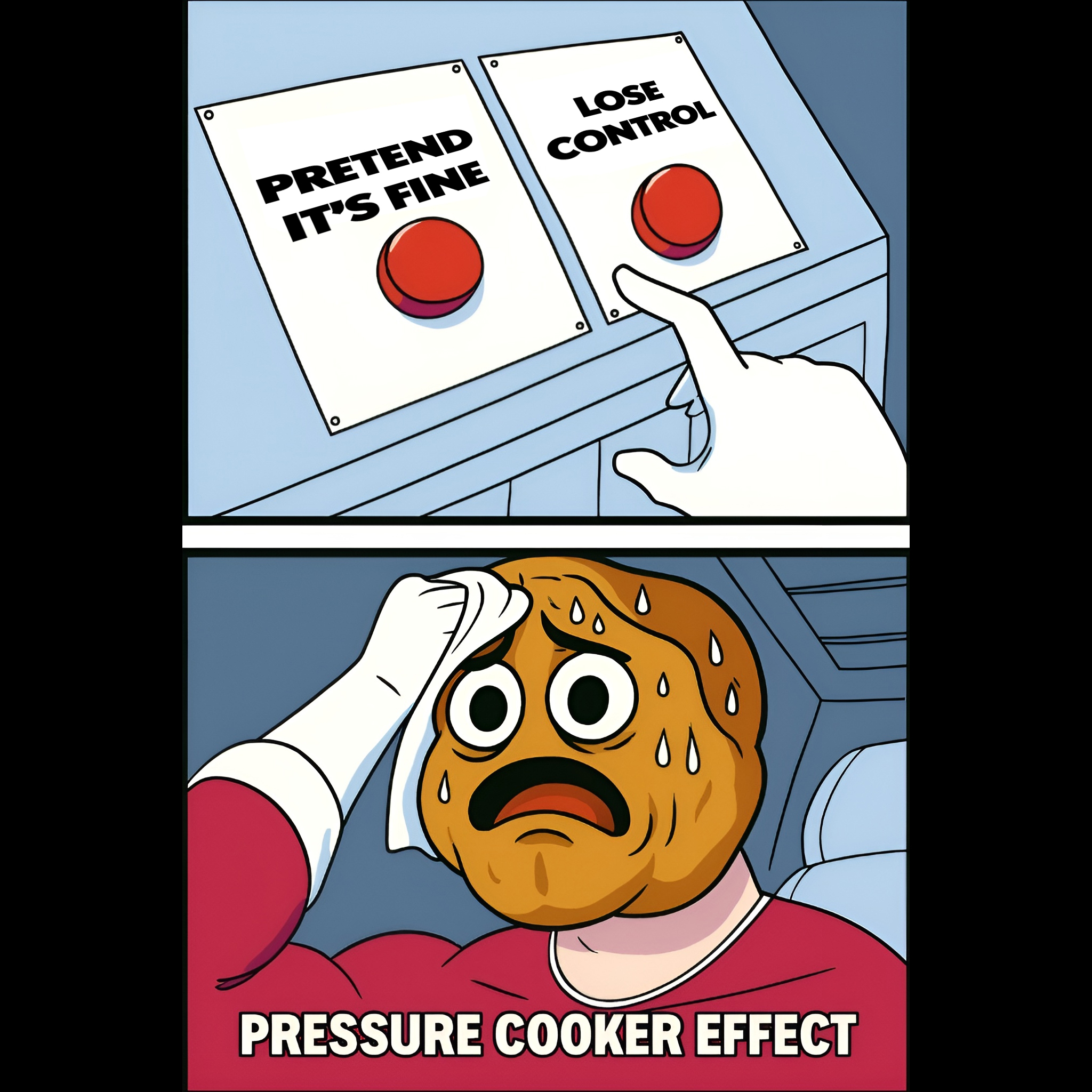
As connection attempts feel limited or unsafe, internal strain builds around fear, guilt, and relational adequacy.
Show common signals
- Anxiety or tension when intimacy increases
- Guilt or shame about not feeling “enough” love
- Confusion about whether closeness is desired or threatening
- Emotional shutdown following moments of vulnerability
- Doubt about suitability for relationships
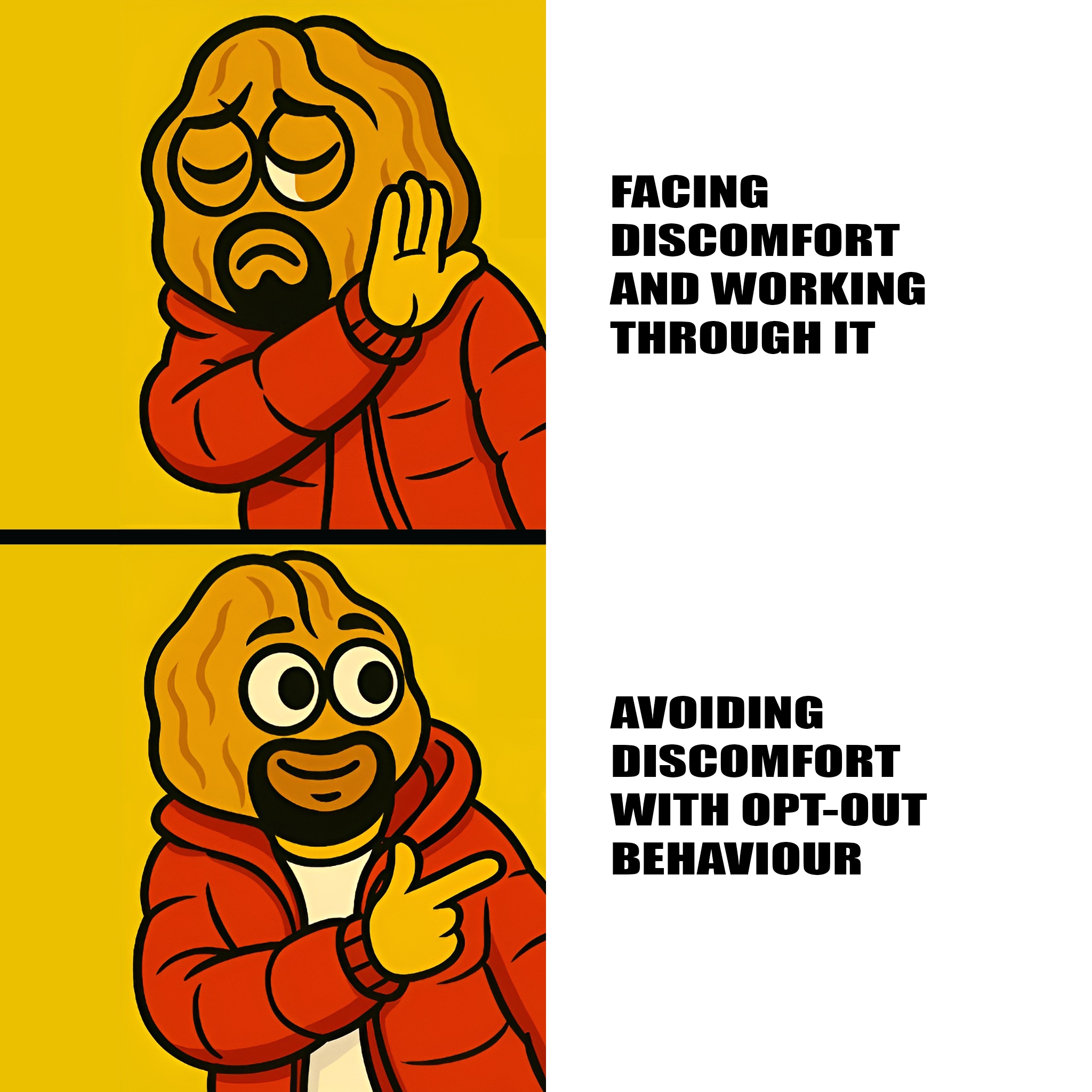
To reduce the strain of relational pressure, the system shifts toward patterns that limit emotional exposure or relational risk.
Show Opt-Out patterns
- Emotional withdrawal or distancing
- Avoiding committed or vulnerable relationships
- Intellectualizing or redefining love to reduce pressure
- Ending relationships when intimacy deepens
- Choosing independence over emotional reliance
Somewhere along the way, love started to feel like a threat. Not because of apathy — but because of guilt, fear, or past pain tied to closeness. People with this belief may deeply want to connect… but feel haunted by the idea that their love causes damage. That opening up might hurt others. That caring too much means losing control, repeating old harm, or being punished for being vulnerable again.
This belief forms in environments where attempts to love — or be loved — were met with rejection, emotional chaos, guilt trips, or trauma. The result? A belief that says: “Even if I want to love, it’s not safe for them if I do.”
Over time, it becomes easier to suppress, to disengage, to keep people at arm’s length. Emotional distance becomes protection — not because love isn’t present, but because it feels dangerous to let it out.
What It Sounds Like Internally:
- “I ruin people when I get close.”
- “I’m too cold to love properly.”
- “I don’t know how to love without hurting people.”
- “People would be better off without my affection.”
Where It Shows Up:
- Chronic avoidance of romantic or emotional closeness
- Sabotaging connections as soon as they deepen
- Feelings of guilt when loved or cared for
- Emotional detachment in friendships and family relationships
- Fear of having children or being responsible for others’ well-being
What It Can Lead To:
- Isolation despite strong desire for connection
- Identity confusion around love, empathy, and care
- Difficulty trusting one’s own emotions
- Shut-down intimacy or over-intellectualized relationships
- Longstanding guilt, shame, or grief
- Misinterpreting love as control or danger
Want to Dive Deeper into the “I Cannot Love” Pattern?
Discover related beliefs, emotional triggers, and how therapy can help you recondition this deep-rooted belief for real change.
What Therapy Targets:
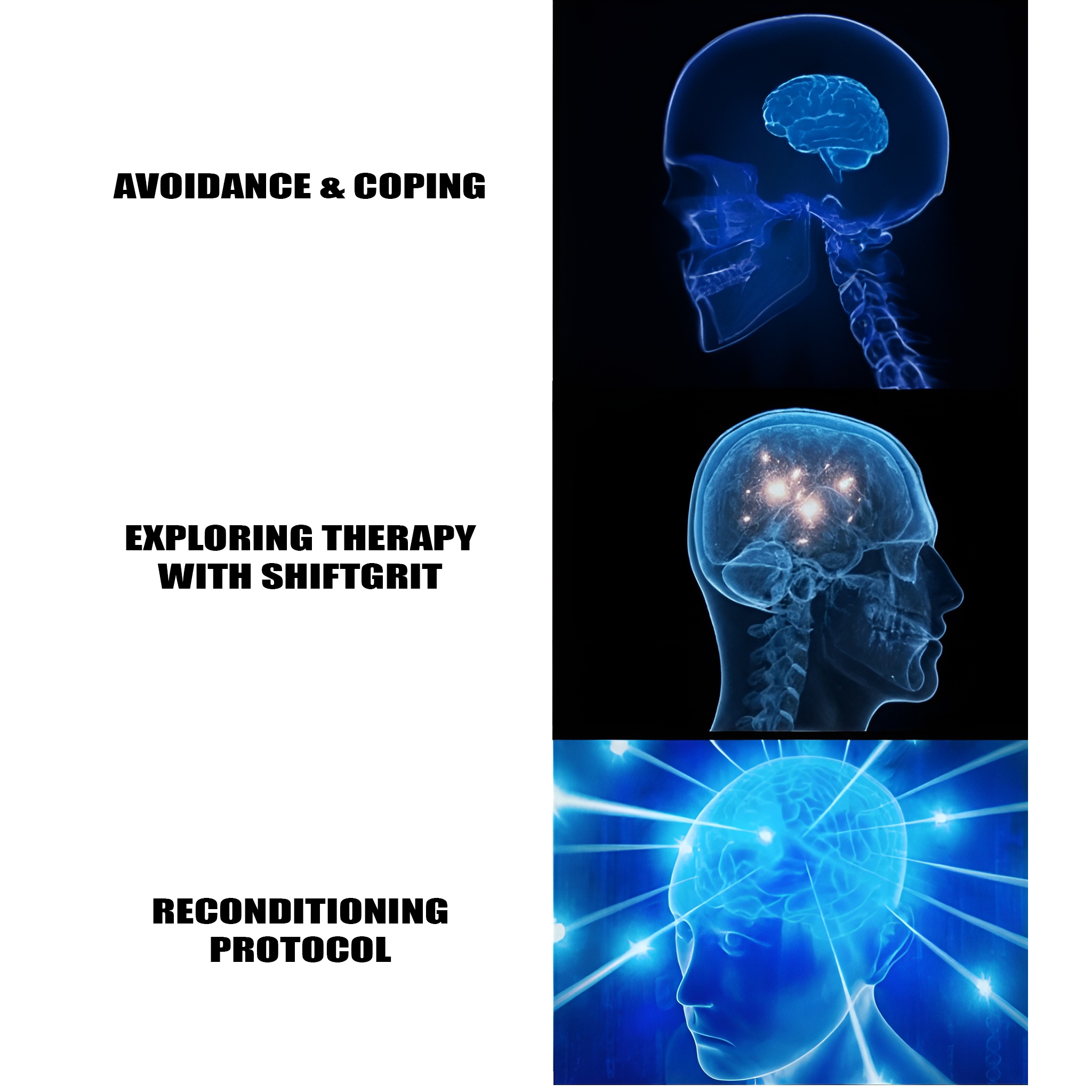
At ShiftGrit, we help clients dismantle the false narrative that their love is inherently harmful. This belief usually isn’t about an actual lack of love — it’s about a learned fear that love causes damage. Through Identity-Level Therapy, we explore where this association was formed, reprocess the emotional memories underneath it, and allow for new, safe expressions of connection.
Our process doesn’t just offer insight — it retrains the deeper emotional brain to separate care from danger. Clients learn to trust their own capacity to love, to receive love without guilt, and to show up in relationships without fear of causing harm. When the internal threat signal is removed, love becomes an expression of wholeness rather than a trigger for shame.
👉 Explore the Therapy Approach →
👉 See the Full Pattern Breakdown →