














Where this belief fits
Schema Domain: Disconnection & Rejection
Lifetrap: Defectiveness / Shame
Non-Nurturing Elements™ (Precursors):
How this belief keeps repeating:
Evidence Pile
When this belief is active, the mind points to specific physical features, comparisons, or visual feedback as evidence that one’s appearance is fundamentally flawed.
Show common “proof” items
- Focusing on specific facial or bodily features
- Mirrors, photos, or video calls triggering self-criticism
- Comparing oneself to cultural beauty standards
- Past teasing, comments, or subtle feedback about appearance
- Interpreting lack of compliments as confirmation
- Feeling “wrong-looking” rather than merely unnoticed
- Associating appearance with shame rather than preference
Persistent visual self-monitoring can create emotional strain, often experienced as shame, self-consciousness, or desire to disappear.
Show common signals
- Mirror checking or mirror avoidance
- Somatic shame responses (heat, collapse, tightness)
- Rumination about how one looks to others
- Avoidance of situations where appearance is noticed
- Emotional exhaustion from constant self-surveillance
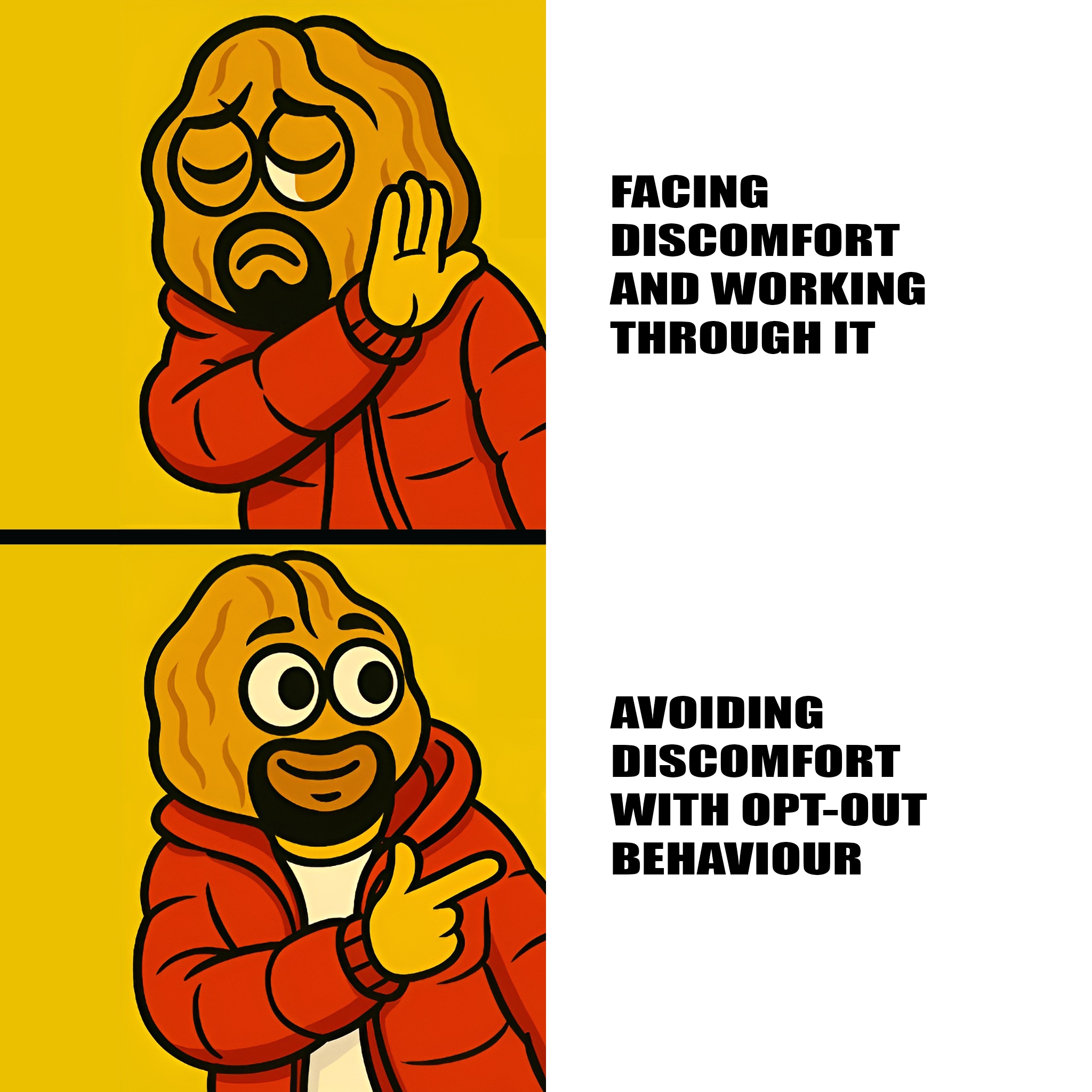
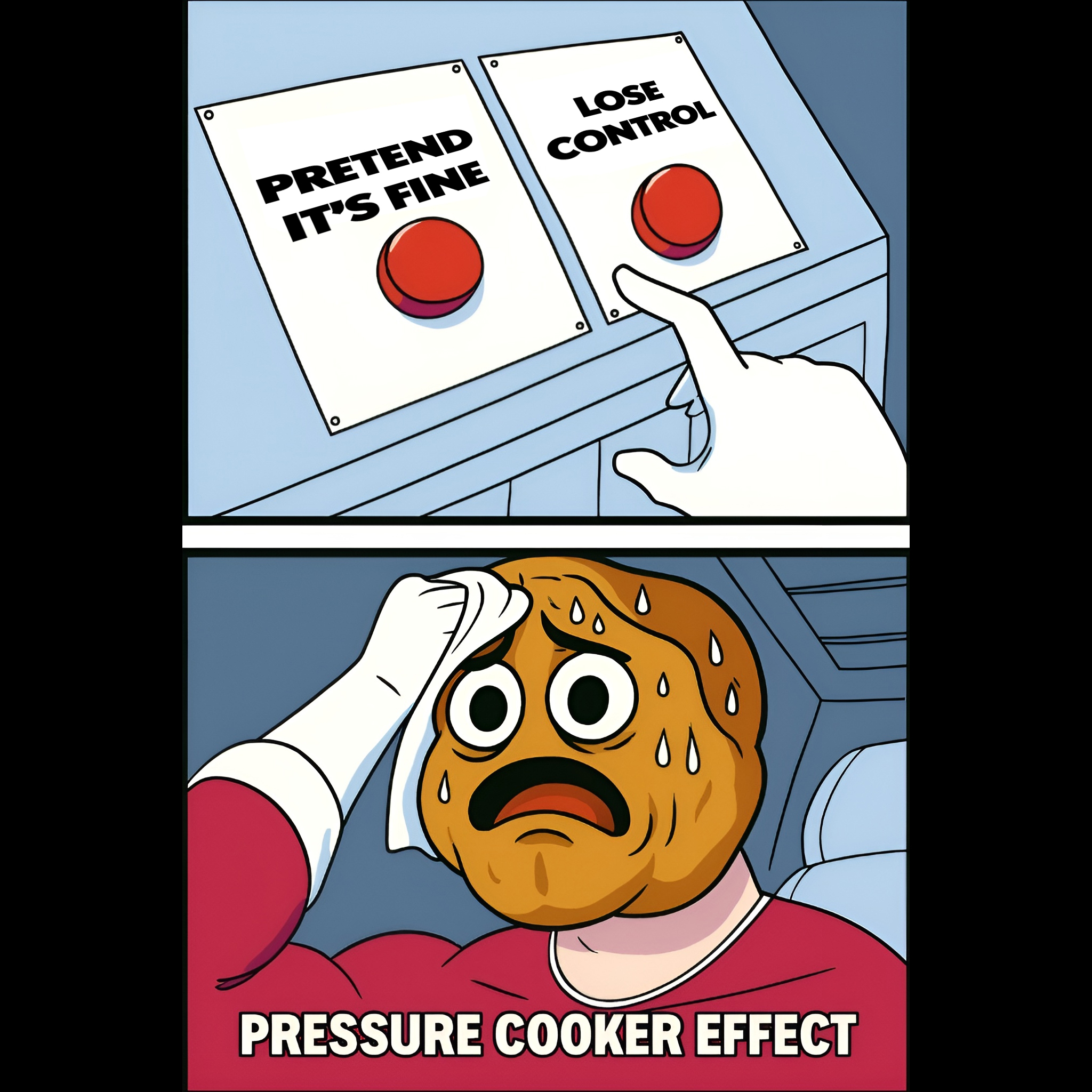
Pressure is released through hiding, visual avoidance, and self-criticism, which prevents corrective exposure and reinforces the belief of being ugly.
Show Opt-Out patterns
- Avoiding mirrors, photos, or reflective surfaces
- Hiding the body, face, or specific features
- Reducing visibility in social or public settings
- Avoiding eye contact or camera presence
- Over-controlling appearance to prevent exposure
- Withdrawing from situations where looks may be noticed
- Pre-emptive self-criticism before others can react
- Comparing appearance relentlessly to others
- Assuming negative judgement without testing it
- Avoiding self-expression tied to appearance
This belief isn’t always loud — but it’s always limiting.
It can show up as constant comparison, discomfort with your own reflection, or the nagging sense that how you look disqualifies you from love, success, or attention.
What It Sounds Like Internally:
- “I hate how I look in photos.”
- “No one’s ever going to want this.”
- “If I were better looking, I’d be treated differently.”
Where It Shows Up:
- Avoiding photos, mirrors, or certain social situations
- Fixating on appearance flaws others don’t notice
- Internalizing rejection as proof of being unattractive
- Believing you need to ‘earn’ value by looking a certain way
What It Can Lead To:
Unchecked, this belief often evolves into:
- “If They See Me, They’ll Leave”
- “I’m Not Desirable”
- “Looks Are Everything, and I Lose”
Want to Dive Deeper into the “I Am Ugly” Pattern?
Discover related beliefs, emotional triggers, and how therapy can recondition this deep-rooted distortion.
What Therapy Targets:
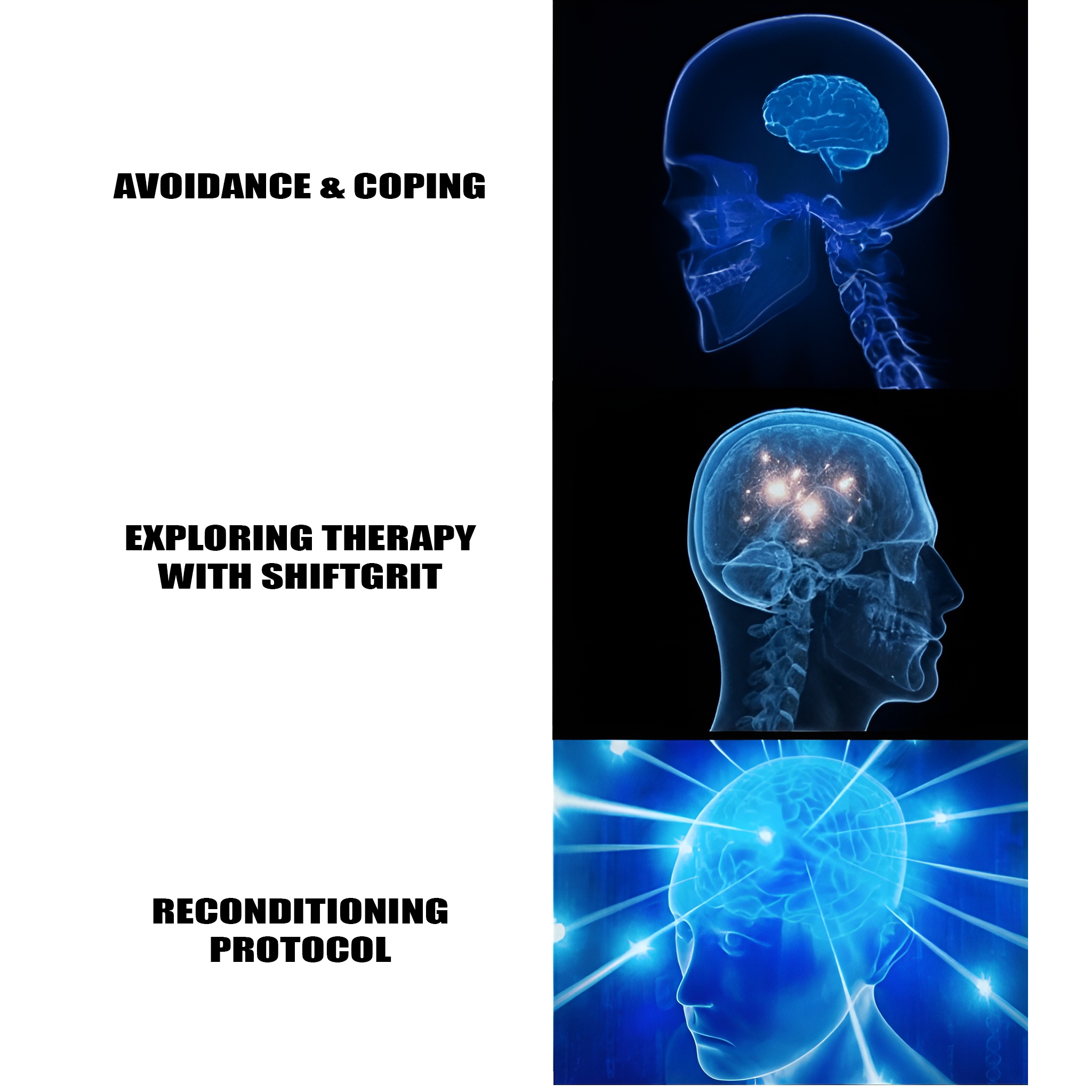
We don’t just talk about self-esteem. We help your nervous system stop flagging your appearance as a threat.
Pattern Reconditioning helps remap the link between visibility and shame — building confidence that lasts.
👉 Explore the Therapy Approach →
👉 See the Full Pattern Breakdown →