


































Where this belief fits
Schema Domain: Disconnection & Rejection
Lifetrap: Defectiveness / Shame
Non-Nurturing Elements™ (Precursors):
How this belief keeps repeating:
Evidence Pile
When this belief is active, the mind treats certain thoughts, emotions, behaviours, or needs as unacceptable and interprets exposure or visibility as proof that something about the self should be hidden.
Show common “proof” items
- Feeling exposed, embarrassed, or wanting to disappear after expressing emotions, needs, or opinions
- Being criticised, mocked, silenced, or corrected in moments of vulnerability
- Internal reactions (sexuality, anger, sadness, desire, fear) that feel "wrong" or unacceptable
- Memories of being shamed—explicitly or implicitly—for who you were or how you showed up
- Strong urges to conceal, minimise, or apologise for aspects of yourself
When “I Am Shameful” is active, everyday attention can feel like exposure. You may monitor yourself intensely, brace for judgment, and carry a constant sense of “I have to keep this hidden.”
Show common signals
- Heightened body tension (tight chest, face heat) and urges to disappear or escape
- Constant self-monitoring and replaying interactions (“How did I come across?”)
- Pre-emptive repair behaviours (over-apologizing, over-explaining, perfectionistic “clean-up mode”)
- Pre-emptive repair behaviours (over-apologizing, over-explaining, perfectionistic “clean-up mode”)
- Sudden spikes of dread when feedback feels ambiguous or someone’s tone shifts
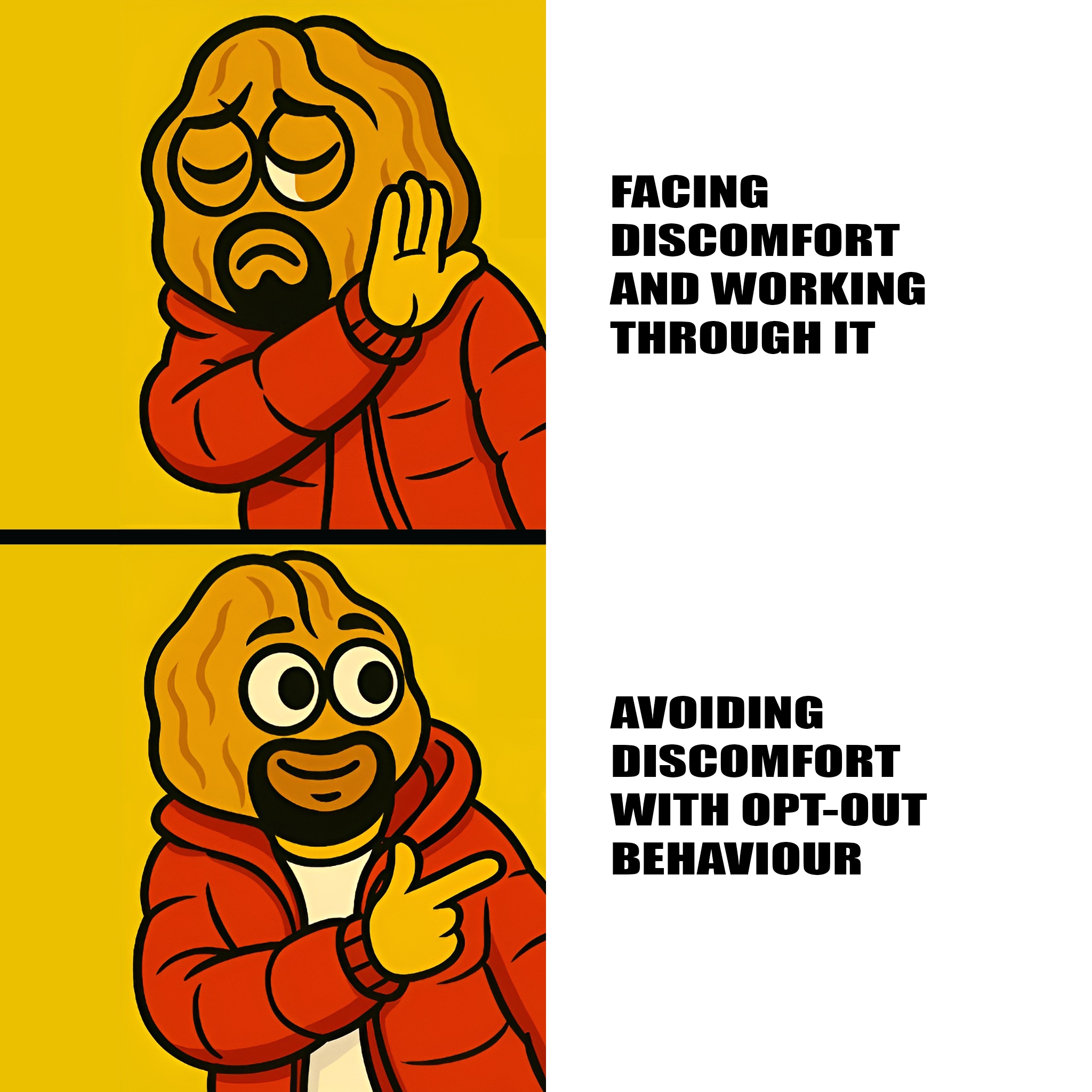
Opt-outs often act as escape valves for the exposure feeling—either by hiding, controlling perception, or numbing the internal spotlight.
Show Opt-Out patterns
- Withdrawing or ghosting after closeness, attention, or visibility
- Masking: appearing “fine,” polite, competent, or funny while feeling unsafe inside
- People-pleasing or over-agreeing to prevent disapproval
- Over-sharing or confession loops to relieve guilt (“If I explain everything, I’ll be safe”)
- Numbing strategies (scrolling, substances, sleep, dissociation, shutting down)
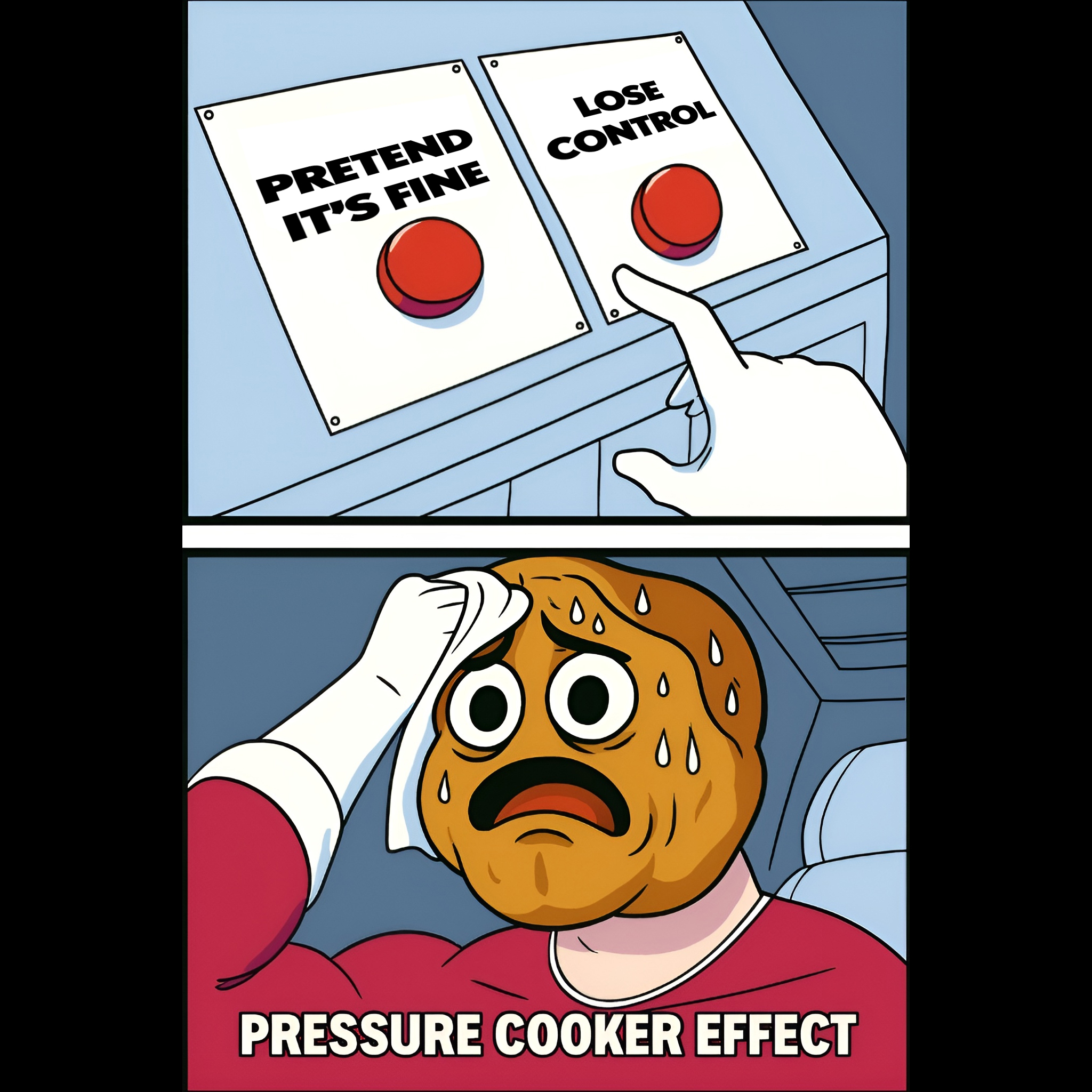
This belief creates a quiet war inside — between who you are and who you think you should be.
You try to hide what you believe is unacceptable. But shame doesn’t just stay quiet. It warps how you see yourself, how you let others treat you, and what you think you deserve.
What It Sounds Like Internally:
- “If they really knew me, they’d leave.”
- “There’s something wrong with me.”
- “I feel gross. Wrong. Unworthy.”
Where It Shows Up:
- Feeling unlovable even when others care about you
- Over-apologizing or trying to ‘make up for existing’
- Self-sabotaging good things because they feel undeserved
- Struggling to speak up or set boundaries out of guilt
What It Can Lead To:
Unchecked, this belief often evolves into:
- “I don’t belong anywhere.”
- “I ruin everything.”
- “I’ll never feel clean or whole.”
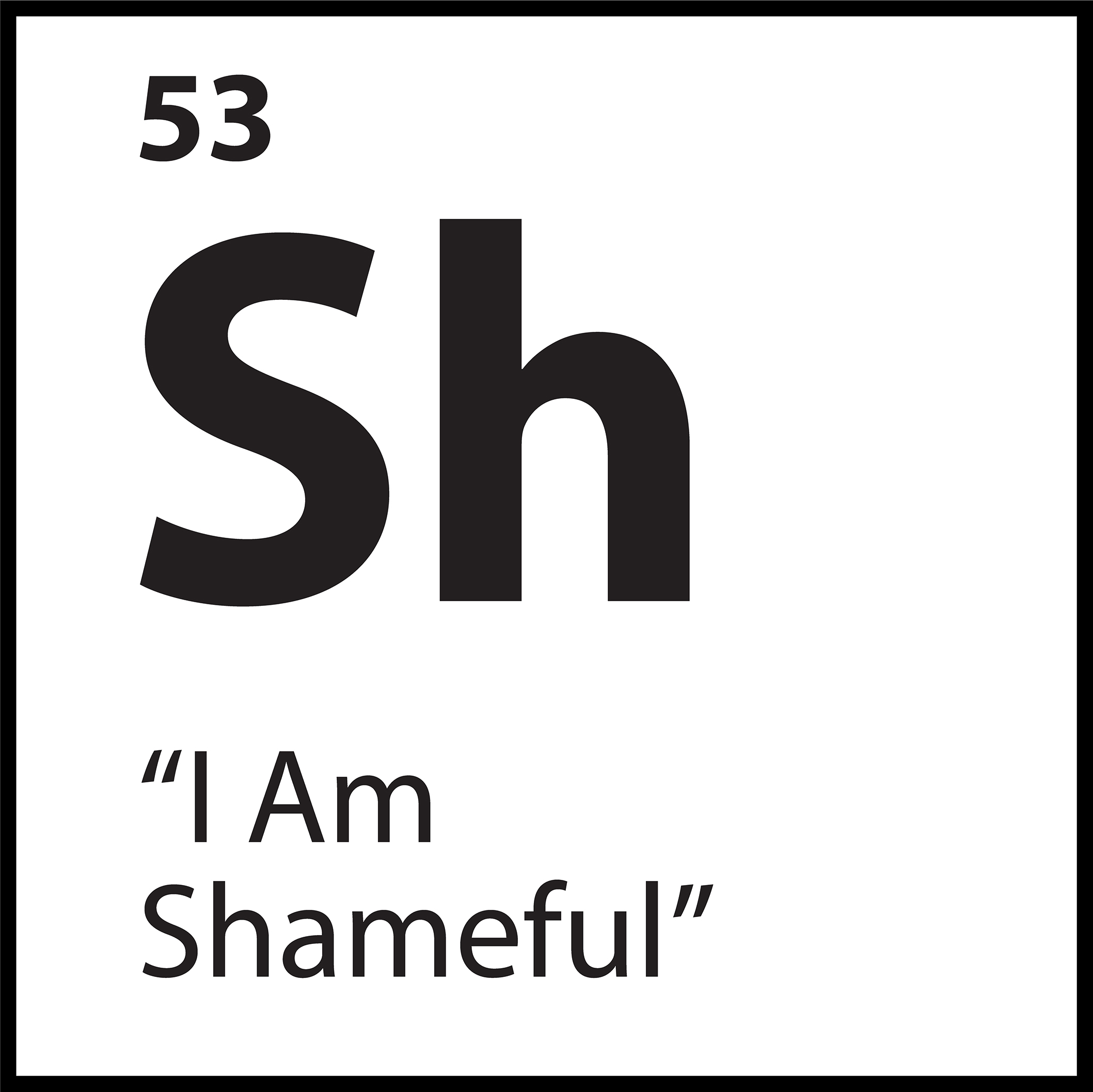
Want to Dive Deeper into the “I Am Shameful” Pattern?
Discover related beliefs, emotional triggers, and how therapy can help you recondition this deep-rooted belief for real change.
What Therapy Targets:
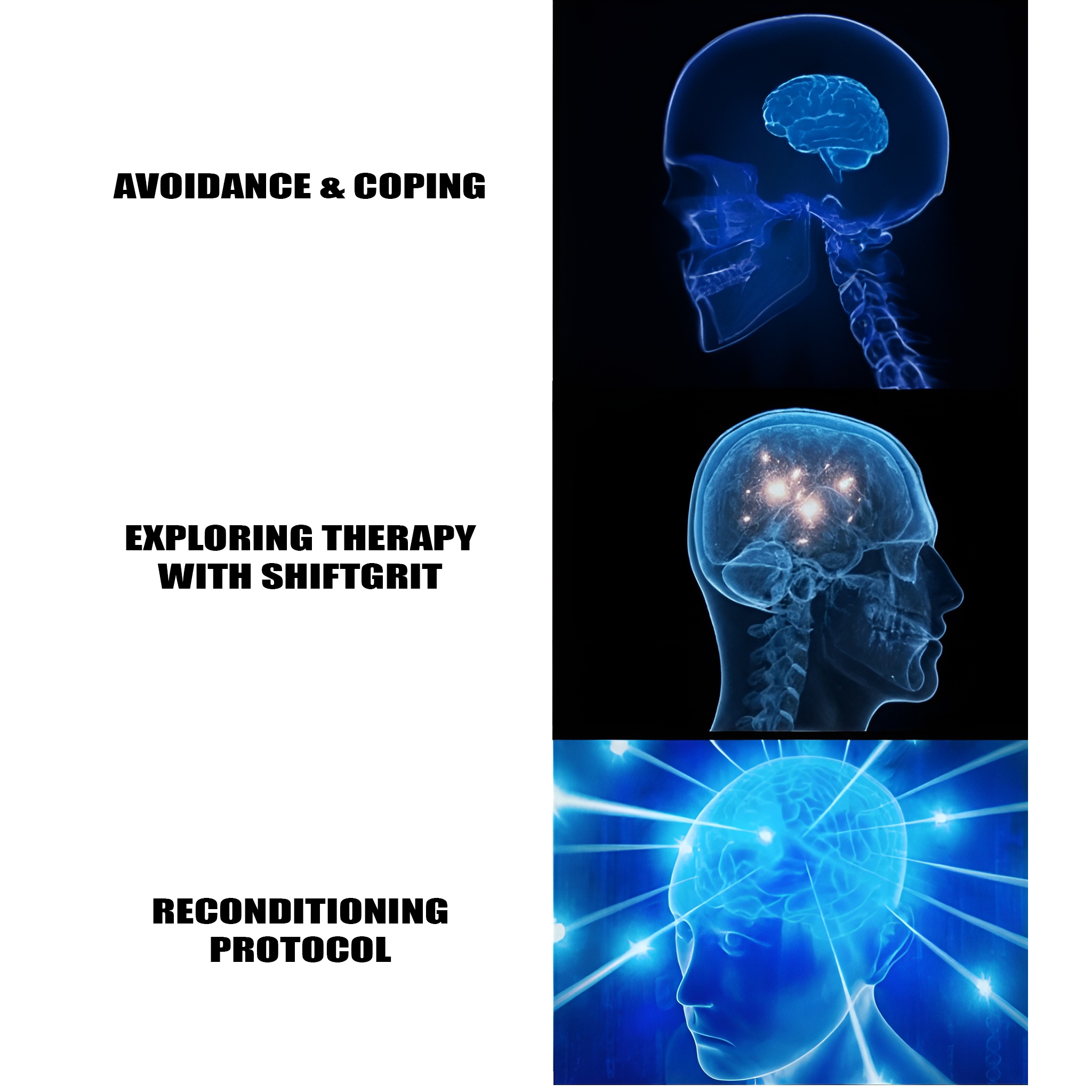
We don’t just teach you how to tolerate shame.
We help your nervous system stop reacting as if being seen equals danger.
With Pattern Reconditioning, the core identity can emerge — without fear, without hiding.
👉 Explore the Therapy Approach →
👉 See the Full Pattern Breakdown →