









































Where this belief fits
Schema Domain: Impaired Limits
Lifetrap: Entitlement / Grandiosity
Non-Nurturing Elements™ (Precursors):
How this belief keeps repeating:
Evidence Pile
When this belief is active, the mind tracks what feels missing, unfair, or overdue and interprets unmet needs or effort as proof that something is owed in return.
Show common “proof” items
- Noticing how much effort, sacrifice, or restraint has been required
- Comparing one’s contributions to what others seem to receive
- Remembering past deprivation, neglect, or being overlooked
- Feeling resentment when needs go unmet or limits are enforced
- Interpreting boundaries or delays as personal unfairness
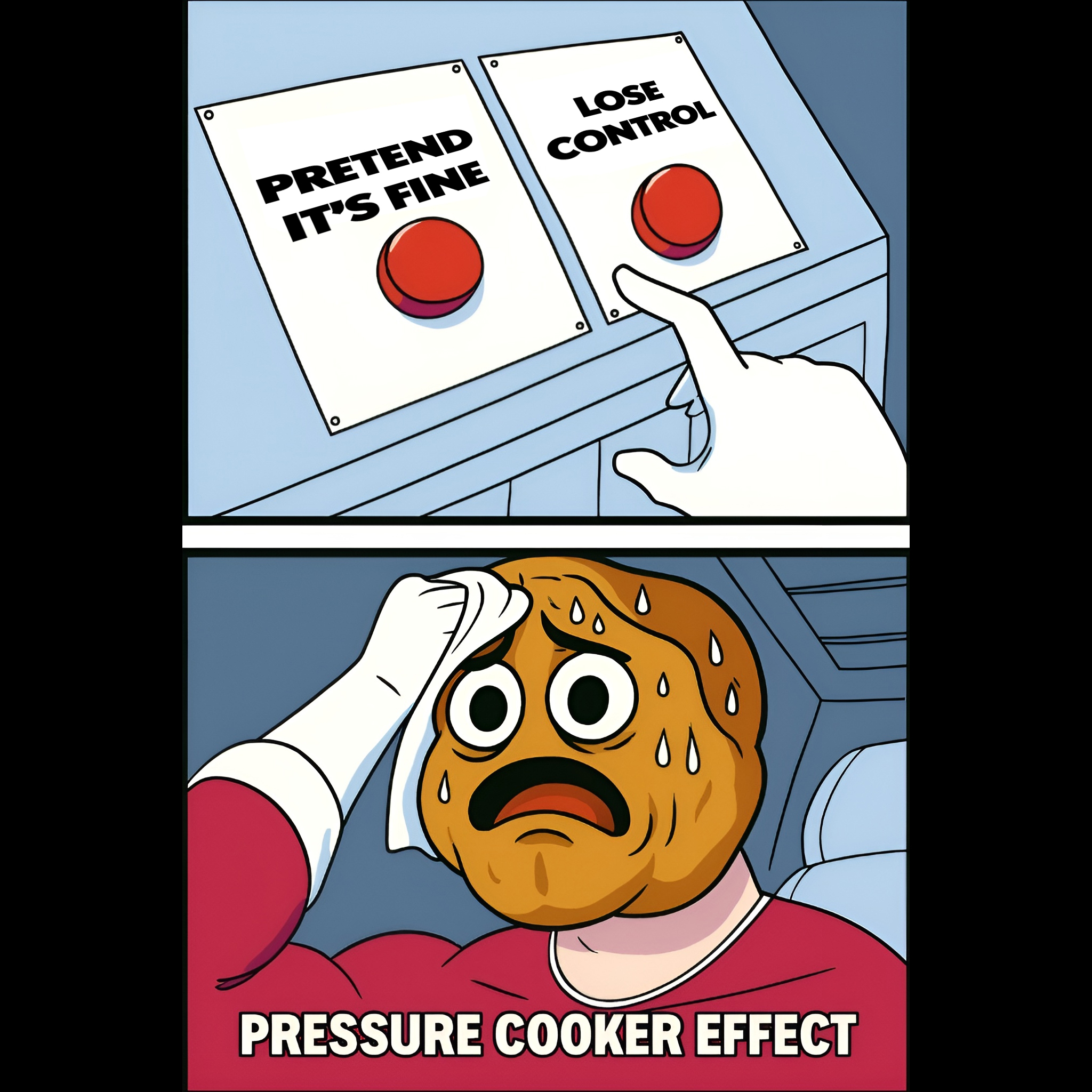
As perceived unfairness accumulates, internal pressure builds through resentment, impatience, and a sense of being chronically shortchanged.
Show common signals
- Irritation when expectations aren’t met
- Sensitivity to perceived injustice or imbalance
- Frustration with rules, limits, or delays
- Feeling unseen, under-rewarded, or taken for granted
- Impulse toward “making it even”
To relieve the sense of deprivation, the system seeks immediate compensation, reduced accountability, or special consideration.
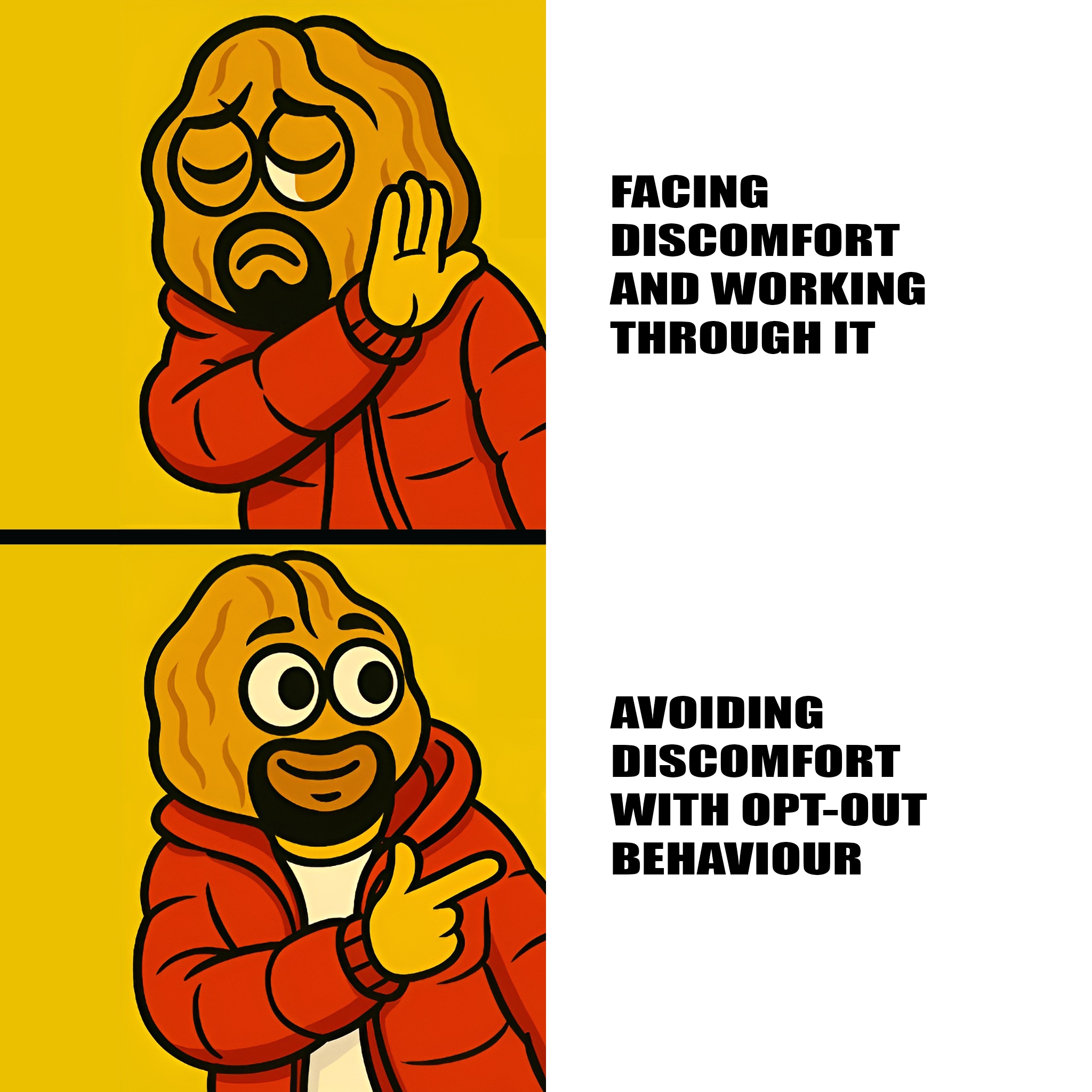
Show Opt-Out patterns
- Expecting exceptions or extra accommodation
- Justifying overreach or boundary pushing
- Withdrawing effort when appreciation isn’t felt
- Expressing anger, complaint, or moral justification
- Framing needs as non-negotiable demands
This belief isn’t always loud — but its effects usually are.
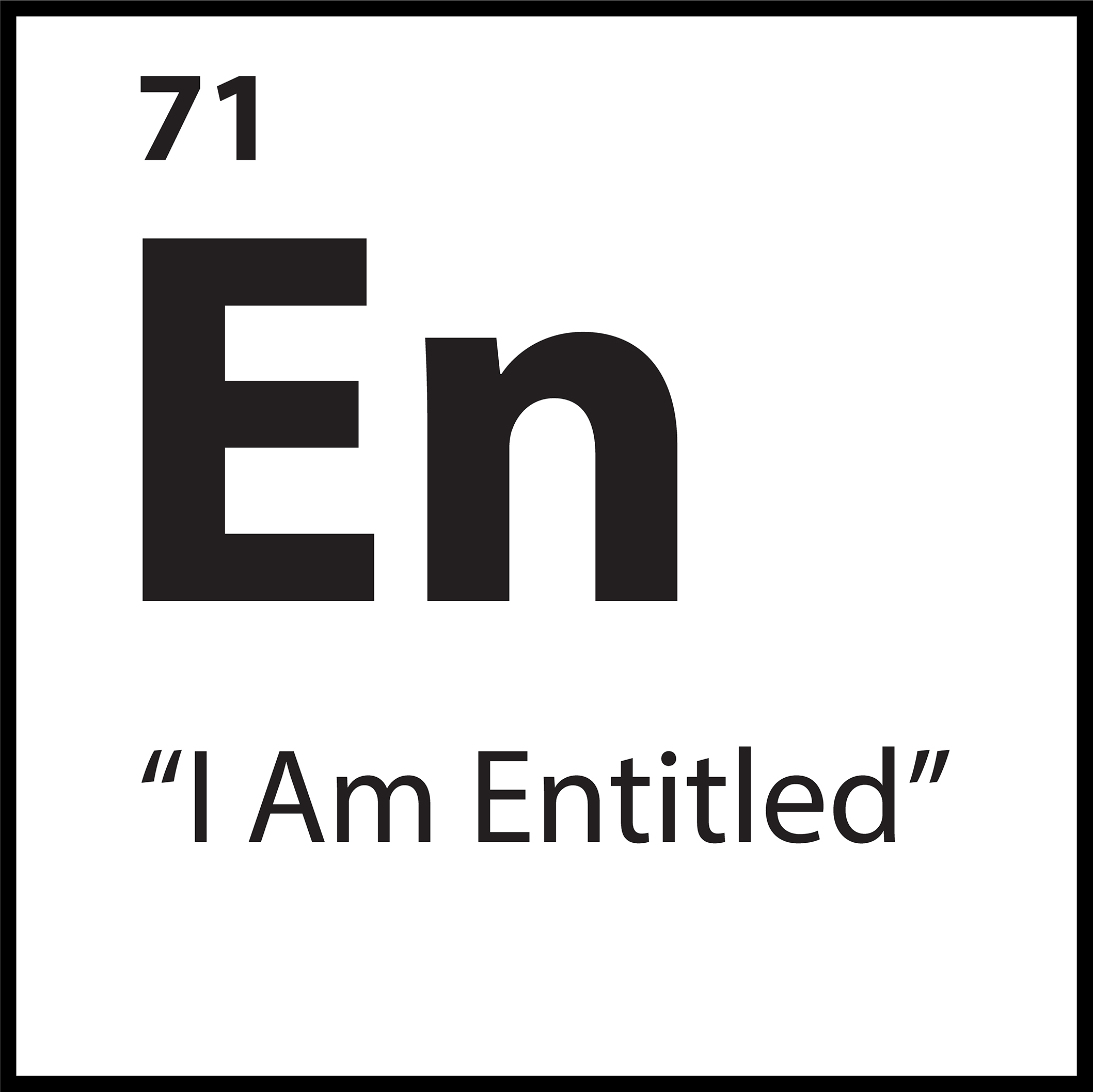
“I Am Entitled” often hides under rationalizations like “I’ve earned this,” or “They should just know.” At its root, it’s not about arrogance — it’s about unmet needs from earlier in life being projected outward in adult form. It’s the brain’s attempt to reclaim power by expecting compensation — sometimes without offering accountability.
It’s not about being a bad person. It’s about trying to fill a gap with demand, rather than connection.
What It Sounds Like Internally:
- “I shouldn’t have to ask.”
- “I deserve this — they owe me.”
- “If people really cared, they’d just do it for me.”
- “Why should I have to wait?”
- “I’m not being difficult — I just expect what’s fair.”
Where It Shows Up:
- Frustration or rage when expectations aren’t met
- Difficulty seeing others’ perspectives
- Disappointment in relationships — feeling “let down” constantly
- Lack of follow-through, yet expecting outcomes
- Conflict with authority figures or team dynamics
- Passive resentment when needs aren’t prioritized
What It Can Lead To:
- Erosion of trust in relationships
- Repetitive interpersonal conflict or isolation
- Cycles of sabotage, especially in work or partnerships
- Chronic dissatisfaction, no matter what’s received
- Difficulty with accountability and reflection
- Internal shame masked by overcompensation or control
Want to Dive Deeper into the “I Am Entitled” Pattern?
Discover related beliefs, emotional triggers, and how therapy can help you recondition this deep-rooted belief for real change.
What Therapy Targets:
At ShiftGrit, we approach this belief not with blame, but curiosity.
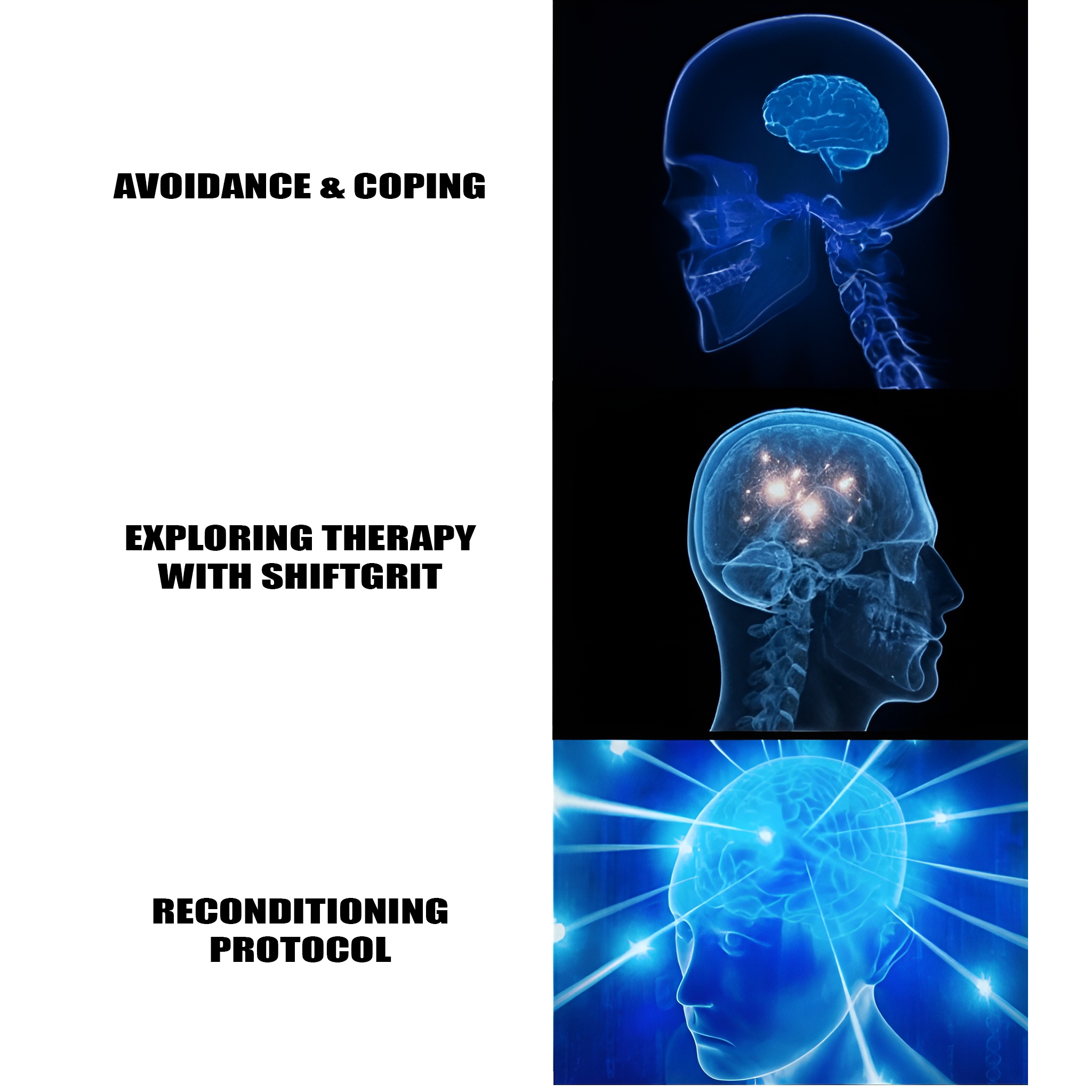
We explore the emotional gaps that created the belief in the first place — and help untangle the expectation that others must fix what was once missing. Through Pattern Reconditioning, we shift the focus from external demands to internal alignment, so clients can build fulfilling relationships based on collaboration — not compensation.
Entitlement isn’t who you are.
It’s a learned defence.
We help you rewire what’s underneath it.
👉 Explore the Therapy Approach →
👉 See the Full Pattern Breakdown →