
























Where this belief fits
Schema Domain: Disconnection & Rejection
Lifetrap: Defectiveness / Shame
Non-Nurturing Elements™ (Precursors):
How this belief keeps repeating:
Evidence Pile
When this belief is active, the mind points to bodily sensations, thoughts, impulses, or perceived reactions from others as evidence that one is repulsive or contaminating.
Show common “proof” items
- Strong reactions to one’s body, smell, fluids, or functions
- Sexual thoughts, needs, or impulses judged as shameful
- Others’ neutral facial expressions interpreted as disgust
- Past moments of being shamed, mocked, or criticized
- Feeling “dirty” after emotional or physical closeness
- Associating vulnerability with contamination
- Internal sensations interpreted as evidence of something wrong
Ongoing self-monitoring and fear of exposure can create intense internal strain, often experienced as shame, bodily discomfort, or urge to escape.
Show common signals
- Somatic shame or “crawling” sensations
- Urges to hide, cleanse, or escape
- Heightened self-consciousness around the body
- Difficulty tolerating closeness or intimacy
- Emotional nausea or aversion toward self
Pressure is released through hiding, cleansing, withdrawal, and avoidance of closeness, which reduces exposure and reinforces the belief of being disgusting.
Show Opt-Out patterns
- Avoiding physical closeness or intimacy
- Withdrawing from situations involving touch or proximity
- Excessive cleansing, grooming, or body monitoring
- Hiding the body, face, or physical presence
- Avoiding vulnerability or emotional exposure
- Pre-emptive withdrawal before others can react
- Sexual suppression or disconnection
- Avoiding medical, social, or care-receiving situations
This belief doesn’t always shout — it whispers in shame, avoidance, and overcorrection.
It often forms early, when a child’s natural body, emotions, or impulses were shamed. The result is a deep internal sense that there’s something “off” or “gross” about them.
What It Sounds Like Internally:
- “If people saw the real me, they’d be repulsed.”
- “I need to hide this part of myself.”
- “I can’t let them get too close.”
Where It Shows Up:
- Hyper-vigilance around body image, hygiene, or appearance
- Sexual shame or dissociation during intimacy
- Extreme privacy or emotional suppression
- Over-identification with being “the clean one” or “the fixer”
What It Can Lead To:
Unchecked, this belief often evolves into:
- “I Shouldn’t Be Seen”
- “I’m Not Worth Loving”
- “I Am Broken”
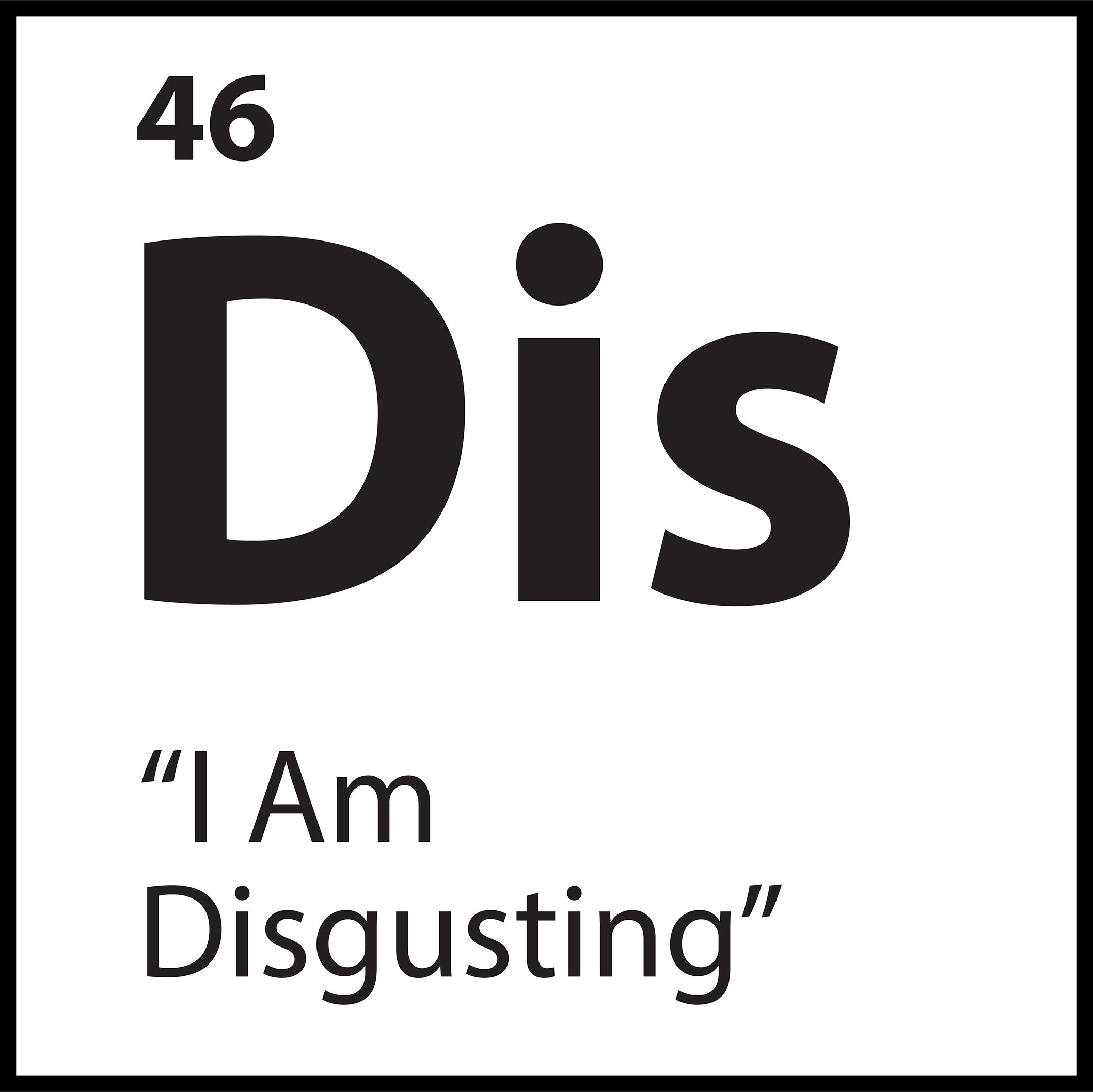
Want to Dive Deeper into the “I Am Disgusting” Pattern?
Discover related beliefs, emotional triggers, and how therapy can help recondition this identity-level shame into acceptance and ease.
What Therapy Targets:
We don’t try to prove you’re acceptable.
We help your nervous system stop treating visibility, pleasure, or vulnerability as threats.
Through Pattern Reconditioning, we reduce shame responses and remap your internal experience of being seen — from disgust to dignity.
👉 Explore the Therapy Approach →
👉 See the Full Pattern Breakdown →