





























Where this belief fits
Schema Domain: Disconnection & Rejection
Lifetrap: Defectiveness / Shame
Non-Nurturing Elements™ (Precursors):
How this belief keeps repeating:
Evidence Pile
When this belief is active, the mind points to intense emotions, changing reactions, or misunderstood experiences as evidence that one’s inner world cannot be trusted.
Show common “proof” items
- Strong emotional reactions that feel hard to control
- Thoughts that feel intrusive, contradictory, or unexpected
- Mood shifts or internal conflict
- Others misunderstanding or minimizing one’s experience
- Being told one is “too much,” “overreacting,” or “irrational”
- Feeling different from how others describe their inner lives
- Fear of losing control or “snapping”
Constantly monitoring one’s thoughts and emotions can create internal strain, often experienced as anxiety, self-doubt, or fear of losing control.
Show common signals
- Hypervigilance toward thoughts or feelings
- Anxiety about emotional intensity
- Mental checking (“Am I okay right now?”)
- Fear of being exposed or judged
- Exhaustion from self-monitoring
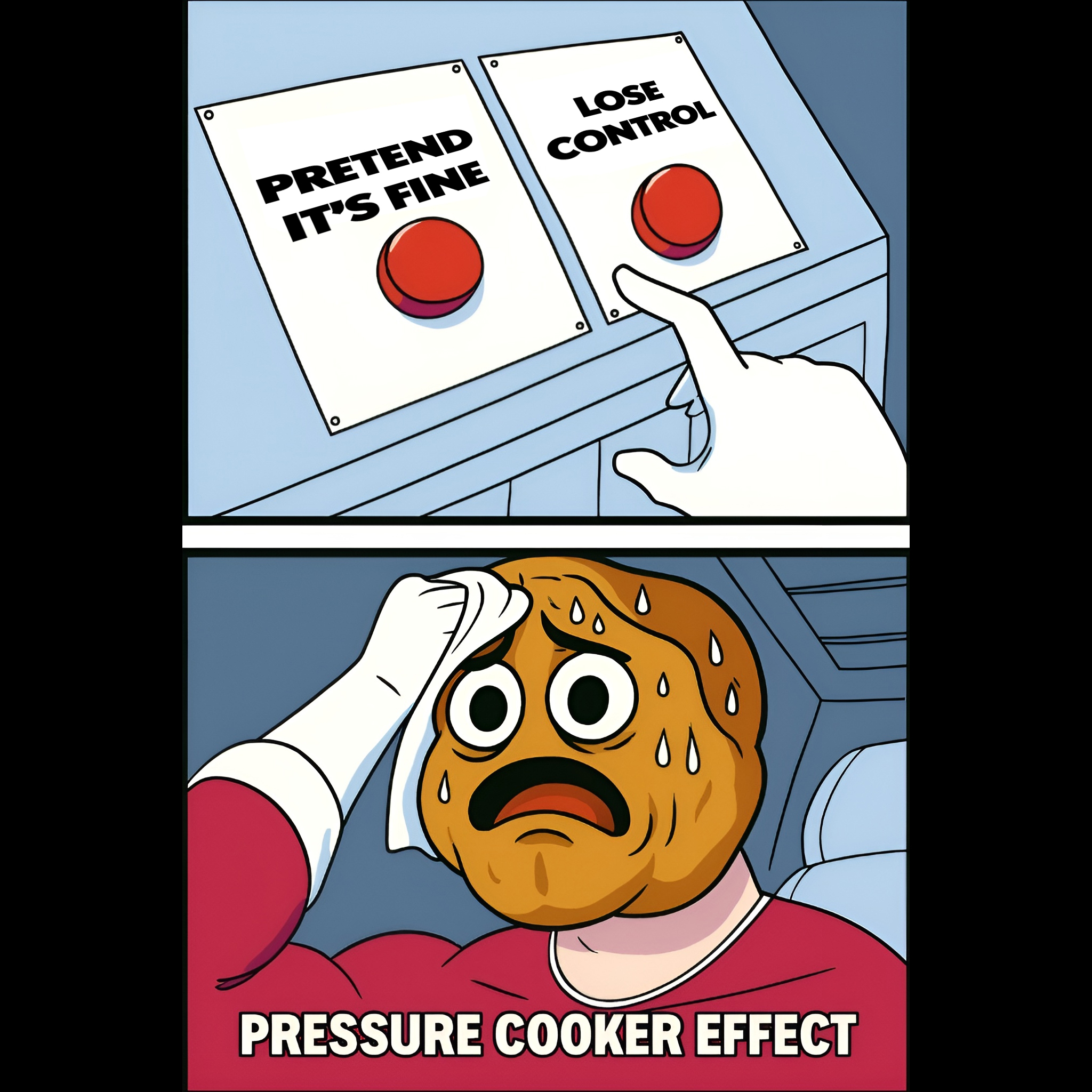
Pressure is released through suppression, monitoring, and avoidance of inner experience, which amplifies intensity and reinforces the belief of being “crazy.”
Show Opt-Out patterns
- Suppressing or controlling emotions
- Monitoring thoughts for “abnormality”
- Avoiding situations that might trigger strong reactions
- Seeking reassurance about sanity
- Over-explaining or justifying inner experiences
- Withdrawing when emotions intensify
- Masking or performing calmness
- Avoiding vulnerability or disclosure
- Treating thoughts as dangerous or meaningful signals
- Distracting constantly to avoid inner experience
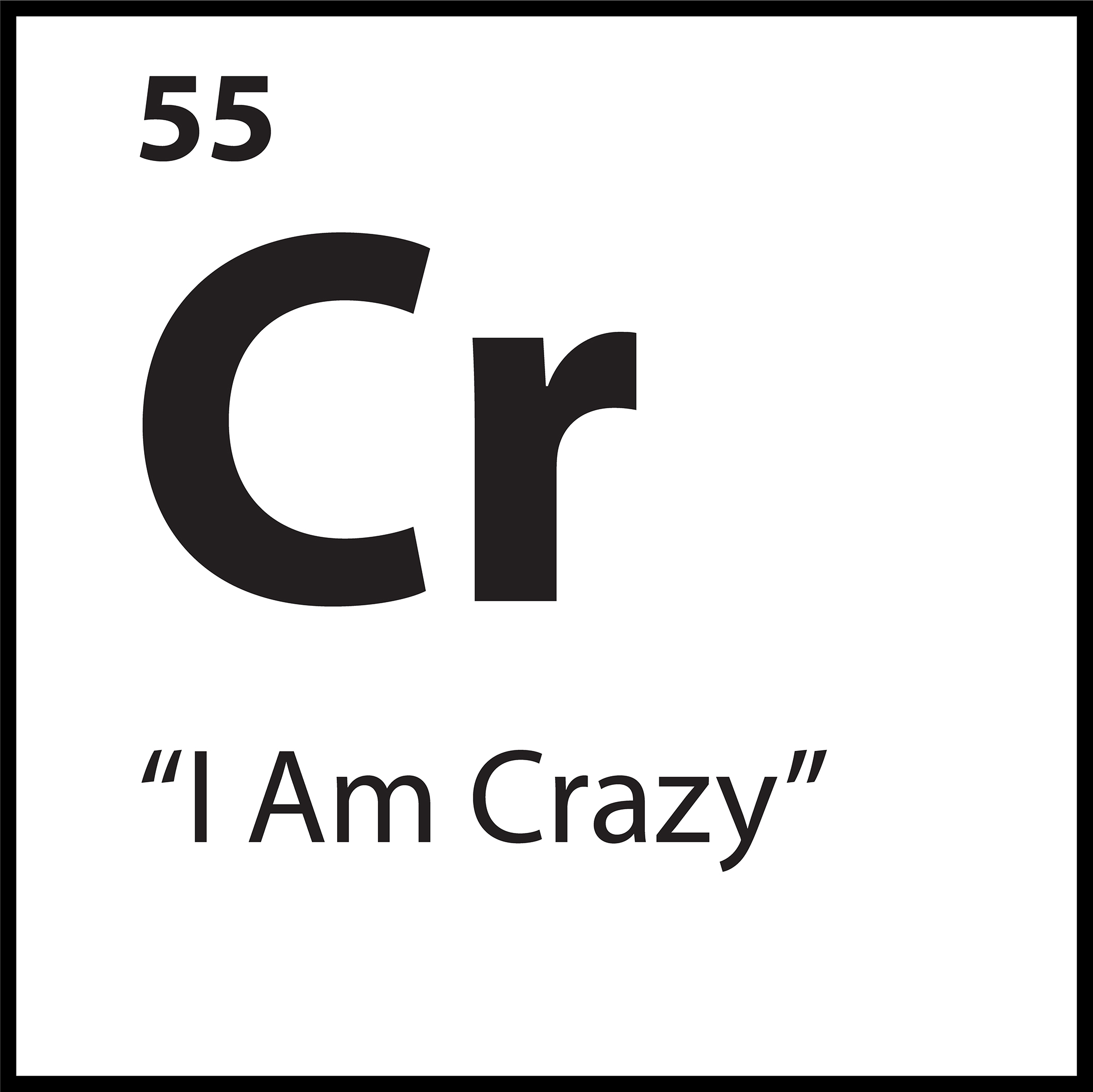
This belief isn’t about diagnosis — it’s about doubt. It’s the fear that your emotional reactions, your thoughts, or even your memories make you unstable, irrational, or fundamentally broken.
When this belief is active, it can feel like you’re gaslighting yourself. You start to wonder if your reactions are real, or if you’re just “too much.” It can lead to disconnection, avoidance, or panic over losing control.
What It Sounds Like Internally:
- “What if I’m actually losing my mind?”
- “No one else reacts this way — what’s wrong with me?”
- “Maybe it’s all in my head.”
Where It Shows Up:
- Fear of being dismissed or disbelieved
- Avoiding emotional expression in case it’s “overreacting”
- Anxiety about intrusive thoughts or dissociation
- Minimizing symptoms or trauma to avoid being seen as unstable
What It Can Lead To:
Unchecked, this belief often evolves into:
- “I can’t trust myself.”
- “If people knew, they’d avoid me.”
- “I have to pretend to be okay at all times.”
Want to Dive Deeper into the “I Am Crazy” Pattern?
Discover related beliefs, emotional triggers, and how therapy can help you recondition this deep-rooted belief for real change.
What Therapy Targets:
We don’t just tell you “you’re not crazy.” We help you stop reacting to your own thoughts and emotions like they’re a threat.
Through Pattern Reconditioning, we retrain the part of your brain that interprets emotional intensity as danger — so you can finally feel safe inside your own mind.
👉 Explore the Therapy Approach →
👉 See the Full Pattern Breakdown →