








































Where this belief fits
Schema Domain: Disconnection & Rejection
Lifetrap: Defectiveness / Shame
Non-Nurturing Elements™ (Precursors):
How this belief keeps repeating:
Evidence Pile
When this belief is active, the mind points to perceived lack of engagement, muted reactions, or silence as evidence that one is uninteresting or fails to hold attention.
Show common “proof” items
- Conversations feeling flat or one-sided
- Others not asking follow-up questions
- Silence or neutral responses interpreted as disinterest
- Comparing oneself to people who seem lively or entertaining
- Feeling pressure to “be more interesting”
- Past experiences of being overlooked in groups
- Interpreting calmness or thoughtfulness as dullness
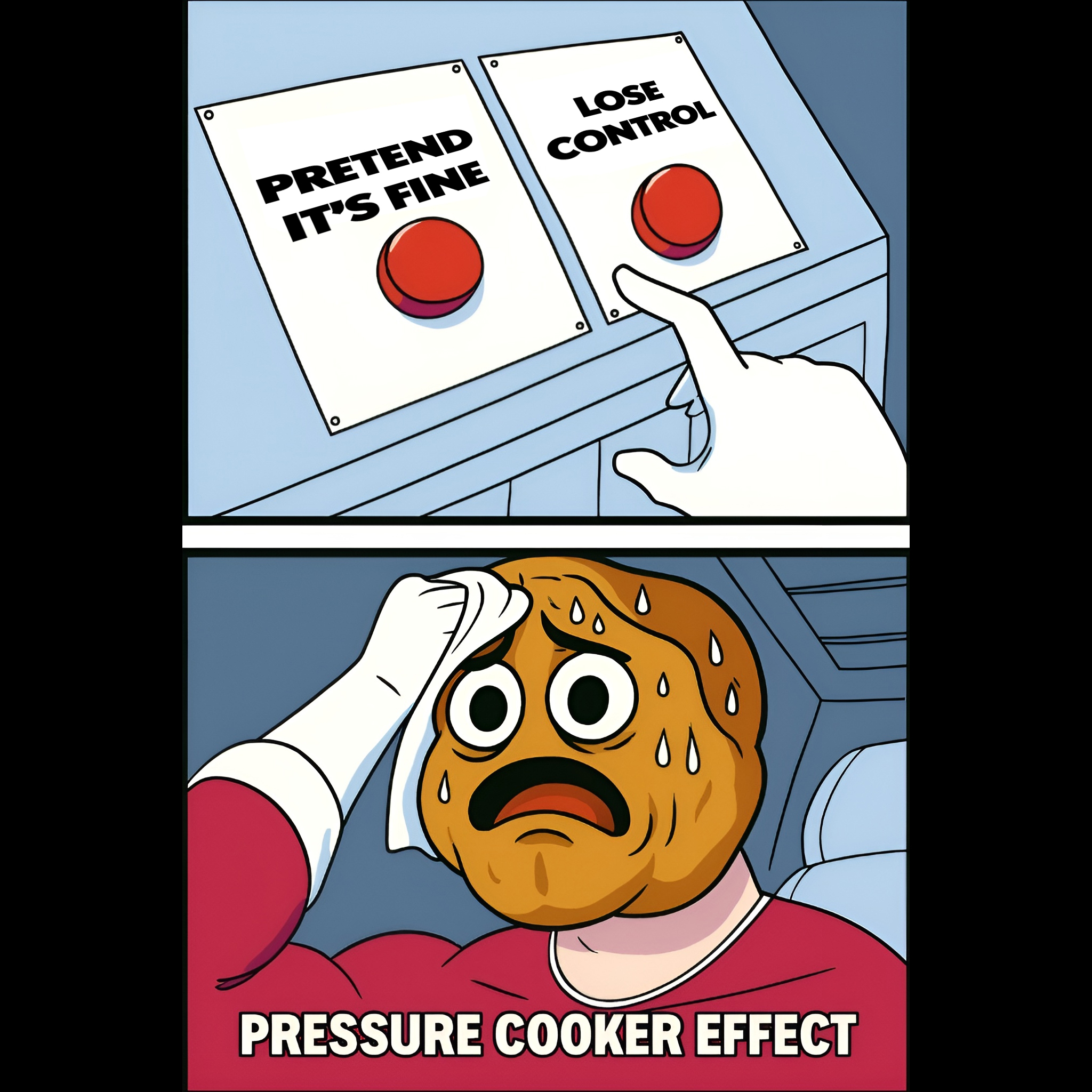
Constant self-monitoring for engagement can create internal strain, often experienced as self-consciousness, anxiety, or performance pressure.
Show common signals
- Anxiety during conversation
- Mental scanning for “interesting” things to say
- Self-criticism after interactions
- Feeling flat or muted around others
- Emotional fatigue from trying to entertain
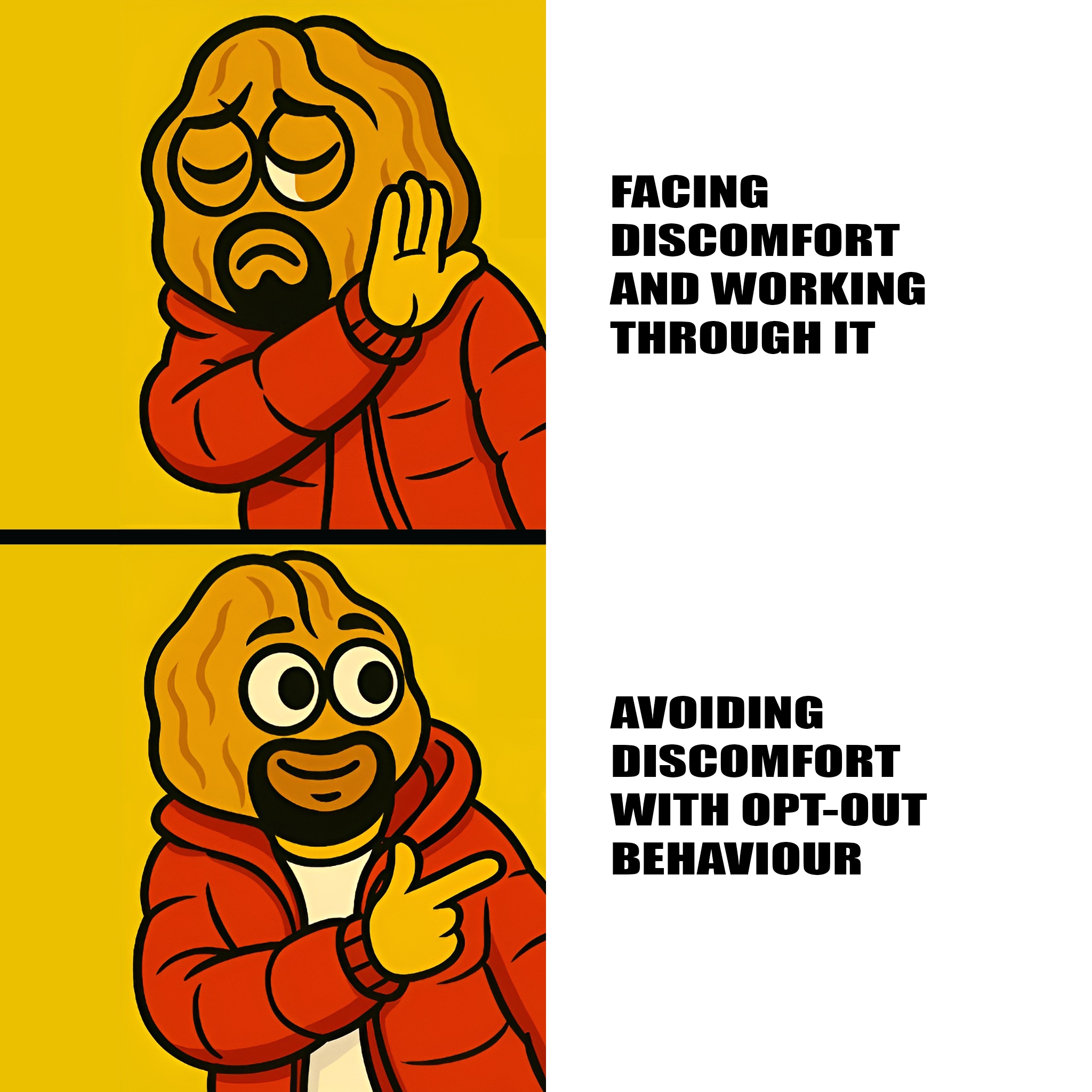
Pressure is released through self-censorship, playing it safe, and withdrawal, which drains spontaneity and reinforces the belief of being boring.
Show Opt-Out patterns
- Self-censoring thoughts or stories
- Playing it safe in conversation
- Avoiding spontaneity or expression
- Withdrawing when attention fades
- Over-monitoring others’ reactions
- Letting others lead all engagement
- Reducing emotional range to stay acceptable
- Avoiding sharing interests or opinions
- Pre-emptive disengagement to avoid awkwardness
- Performing “normal” rather than expressing aliveness
This belief shows up in social settings, subtly.
You feel the pressure to perform, entertain, or justify your presence. If people lose interest or don’t respond how you expect, your brain files that away as proof. Proof that you’re boring. That you don’t stand out. That you’re forgettable.
What It Sounds Like Internally:
- “I have nothing interesting to say.”
- “I’m not someone people get excited to talk to.”
- “They’re probably just being polite.”
Where It Shows Up:
- Awkwardness or anxiety in conversations, especially with new people
- Overexplaining or overcompensating to keep attention
- Withdrawing socially out of fear of being “too much” or “not enough”
- Comparing yourself to louder, funnier, or more charismatic people
- Masking parts of yourself to seem more engaging or appealing
What It Can Lead To:
Unchecked, this belief often evolves into:
- “Why bother trying? People never seem interested anyway.”
- “I have to act differently to be liked.”
- “I’m invisible unless I make myself useful or entertaining.”
Want to Dive Deeper into the “I Am Boring” Pattern?
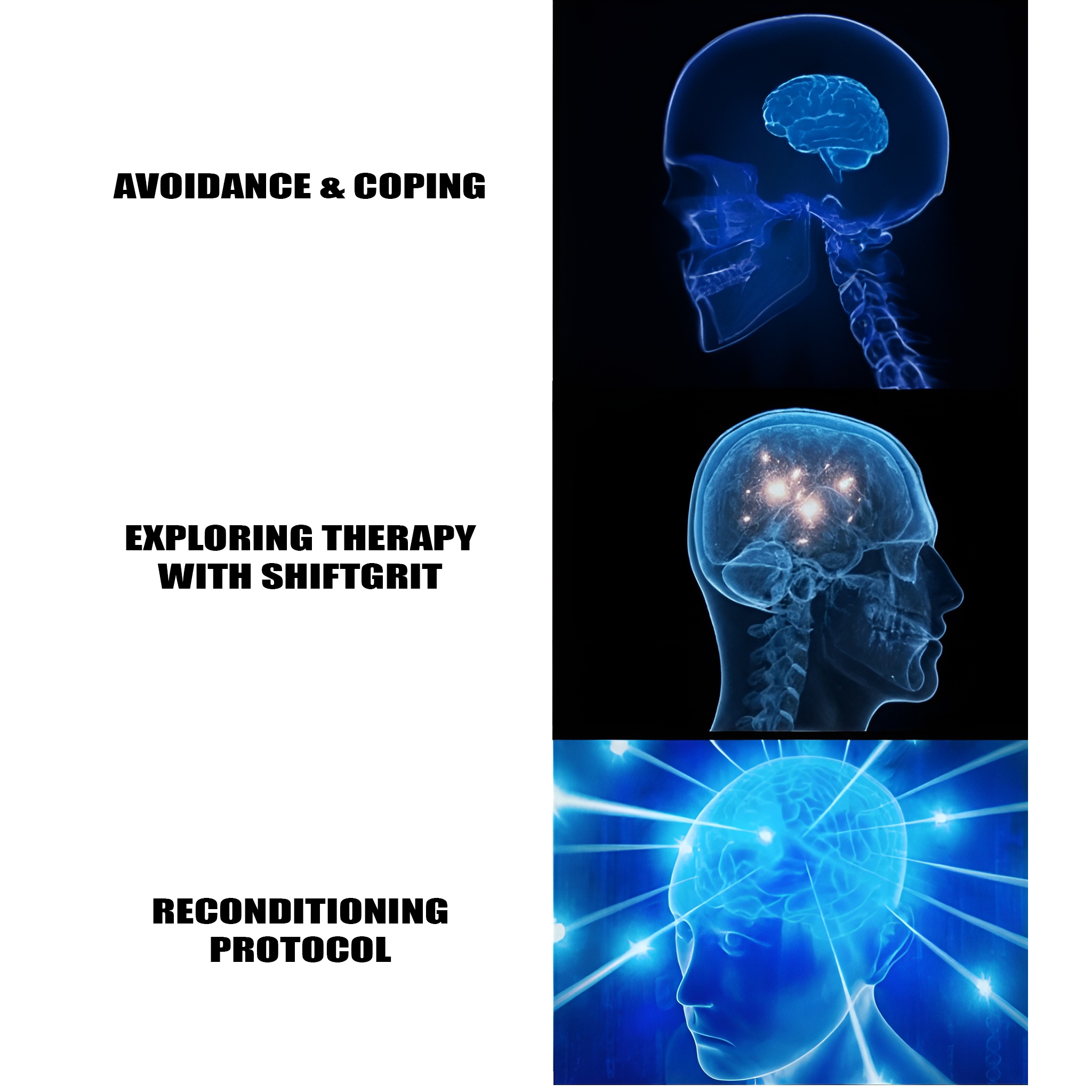
Discover related beliefs, emotional triggers, and how therapy can help you recondition this deep-rooted belief for real change.
What Therapy Targets:
We don’t try to turn you into someone else.
We target the loop that made you believe your presence wasn’t already enough. Pattern Reconditioning allows your nervous system to register connection without needing to prove or perform. You learn to feel safe being quiet, real, and yourself — without worrying you’ll disappear.
👉 Explore the Therapy Approach →
👉 See the Full Pattern Breakdown →