
































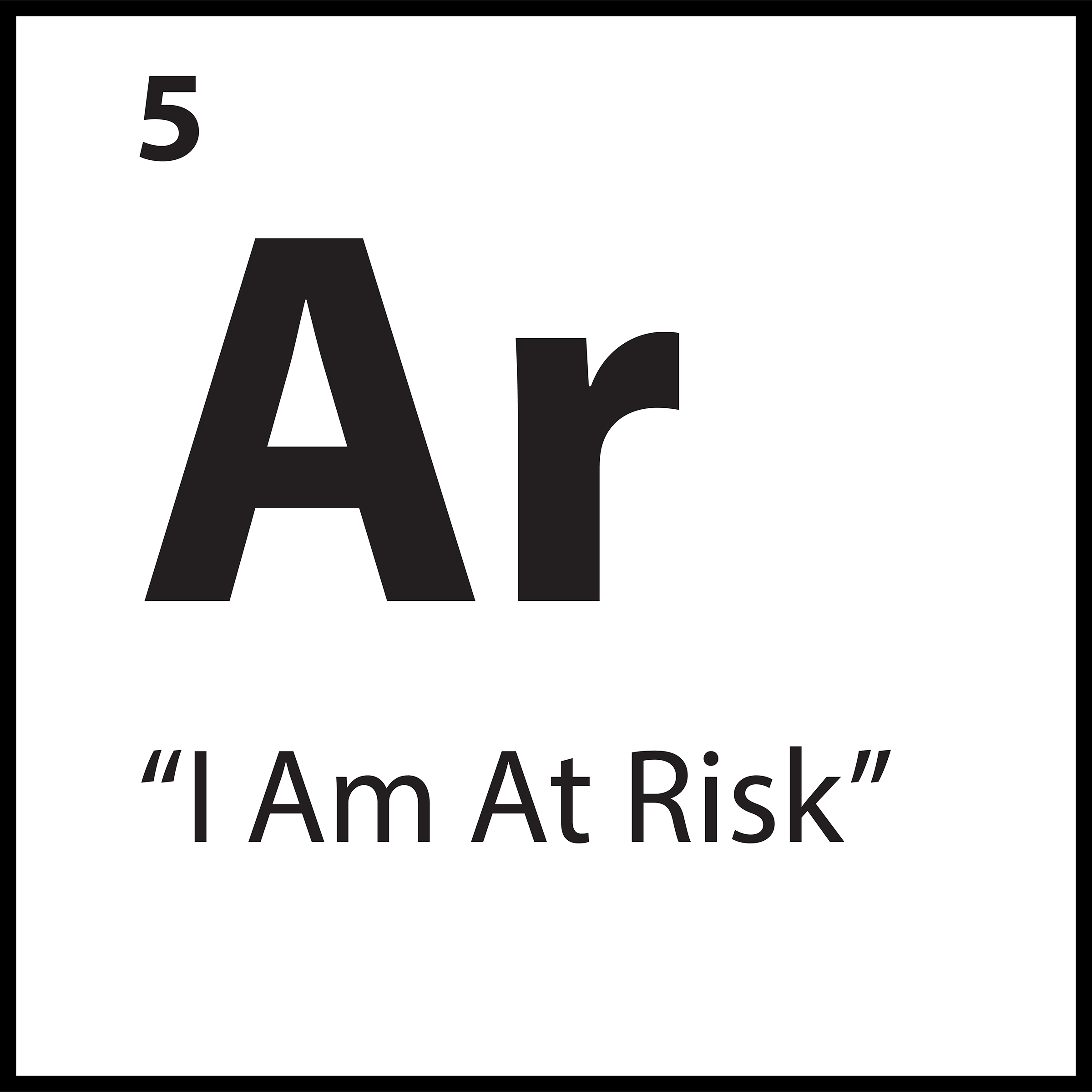
Where this belief fits
Schema Domain: Overvigilance & Inhibition
Lifetrap: Punitiveness
Non-Nurturing Elements™ (Precursors):
How this belief keeps repeating:
Evidence Pile
When this belief is active, the mind often scans for signs that something could go wrong and treats uncertainty as a warning signal.
Show common “proof” items
- A strange body sensation (tight chest, dizziness, heart racing)
- A loved one doesn’t reply right away
- A minor symptom or ache that’s hard to explain
- A news story or social post about illness, accidents, or danger
- A small mistake at work that “could” have consequences
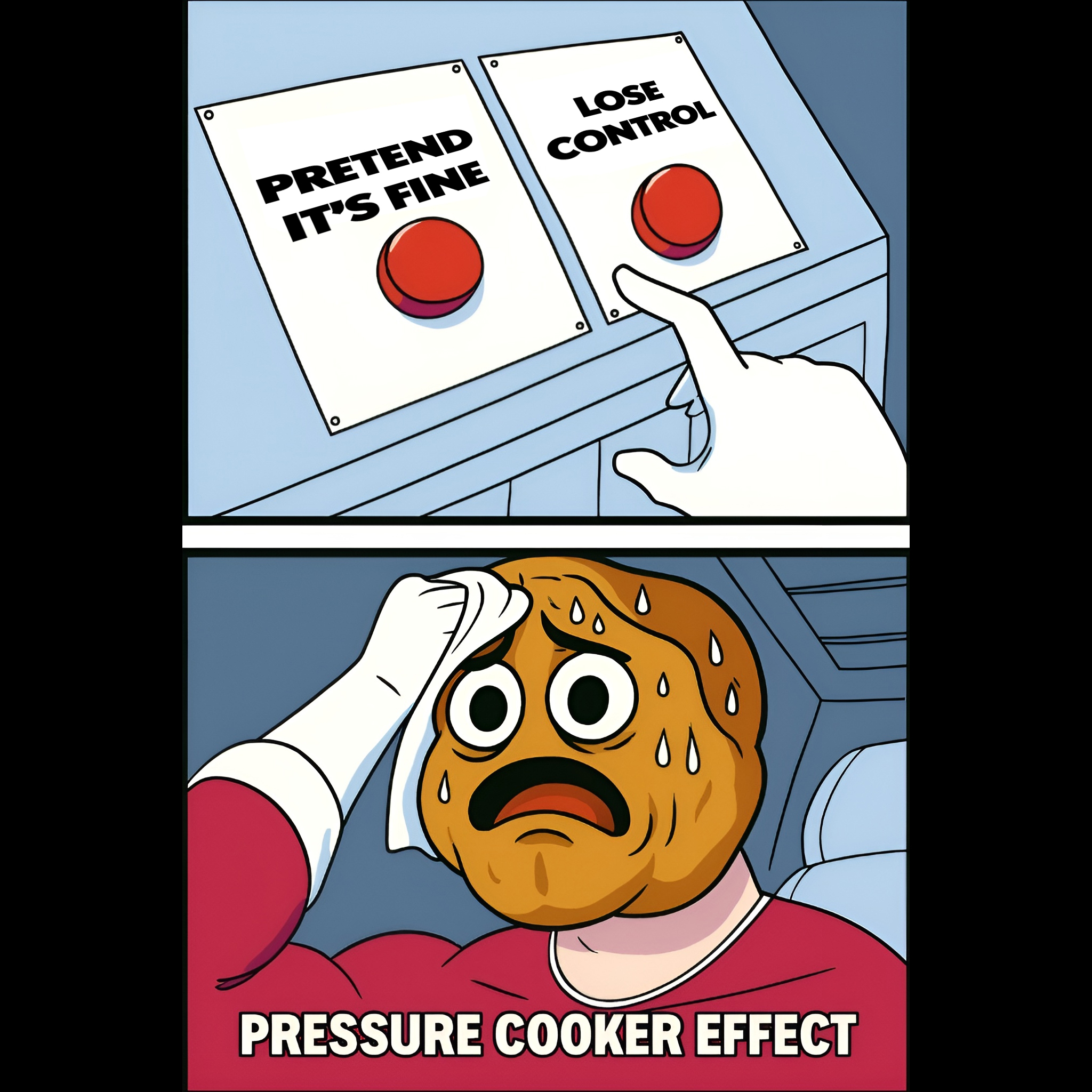
The nervous system remains in a state of anticipatory readiness, constantly preparing for harm, loss, or failure that feels imminent—even when nothing specific is happening.
Show common signals
- Constant scanning for "early warning signs"
- Mentally simulating future failure, harm, or loss
- Over-responsibility for outcomes that haven’t occurred
- Treating uncertainty itself as danger
- Feeling unsafe even when things are objectively fine
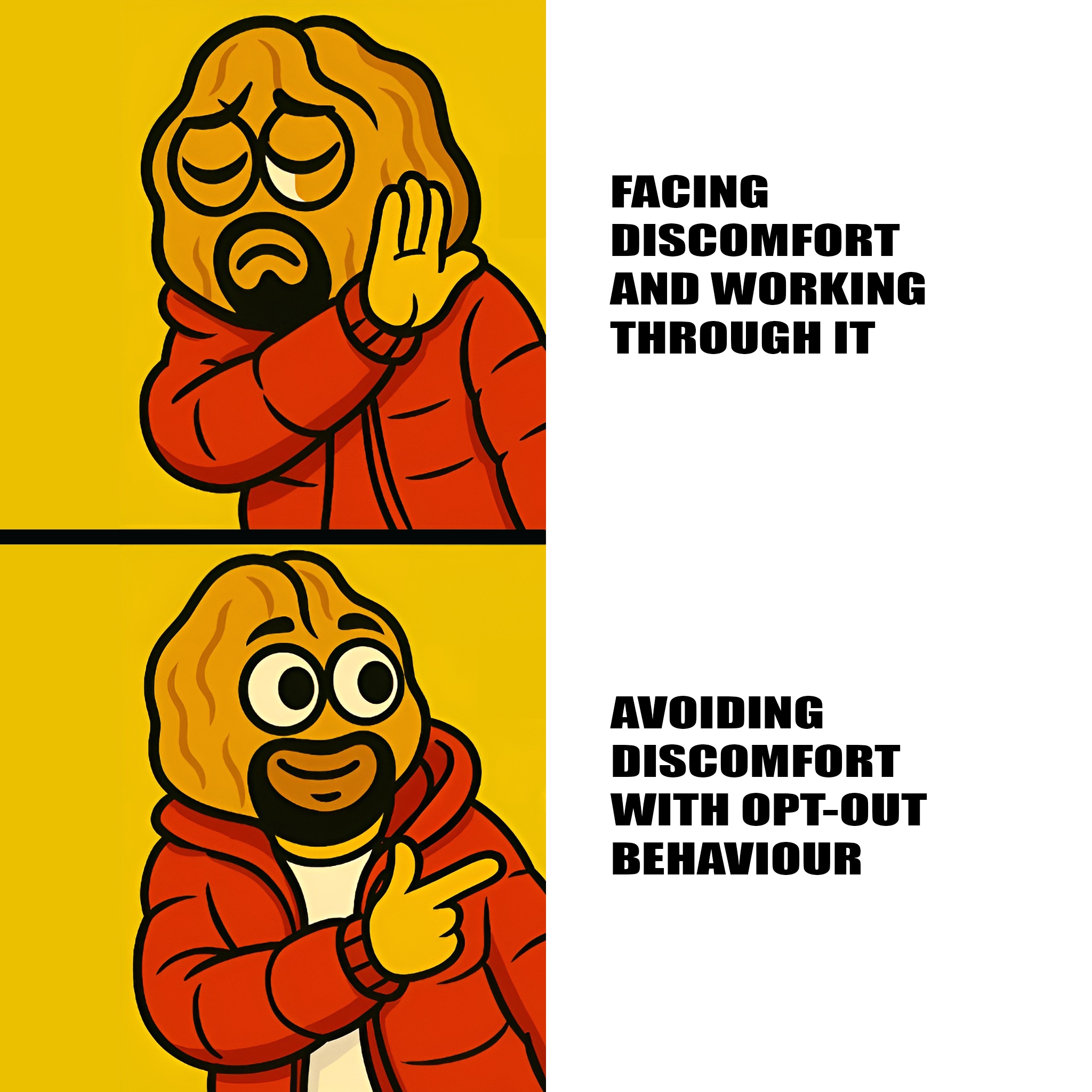
Temporary relief comes from efforts to predict, prevent, or control potential threats—reducing anxiety short-term while reinforcing the belief that danger is always near.
Show Opt-Out patterns
- Excessive planning or rehearsing “what if” scenarios
- Seeking constant reassurance from others or systems
- Avoiding situations that feel unpredictable or exposed
- Over-monitoring body sensations, mood, or environment
- Staying busy or hyper-vigilant to avoid feeling unprepared
This belief doesn’t shout. It whispers. Quietly, constantly — that danger is always around the corner.
Even in moments of calm, your body stays braced for impact. You might call it anxiety. Hyperawareness. Overthinking. But underneath it all, your nervous system is scanning for threats — real or imagined.
What It Sounds Like Internally:
- “Something bad could happen at any time.”
- “I need to stay prepared.”
- “I can’t relax — that’s when things go wrong.”
Where It Shows Up:
- Mental rehearsals of worst-case scenarios
- Overcontrolling environments or outcomes
- Avoidance of situations where you’re not in control
- Struggling to fall asleep or stay calm even when things are fine
What It Can Lead To:
Unchecked, this belief often evolves into:
- “If I’m not ready, I’ll be blindsided.”
- “Relaxing is dangerous.”
- “The world isn’t safe for people like me.”
This belief hardwires your nervous system to anticipate disaster — and over time, that anticipation becomes the problem itself.
Want to Dive Deeper into the “I Am At Risk” Pattern?
Discover related beliefs, emotional triggers, and how therapy can help you recondition this deep-rooted belief for real change.
What Therapy Targets:
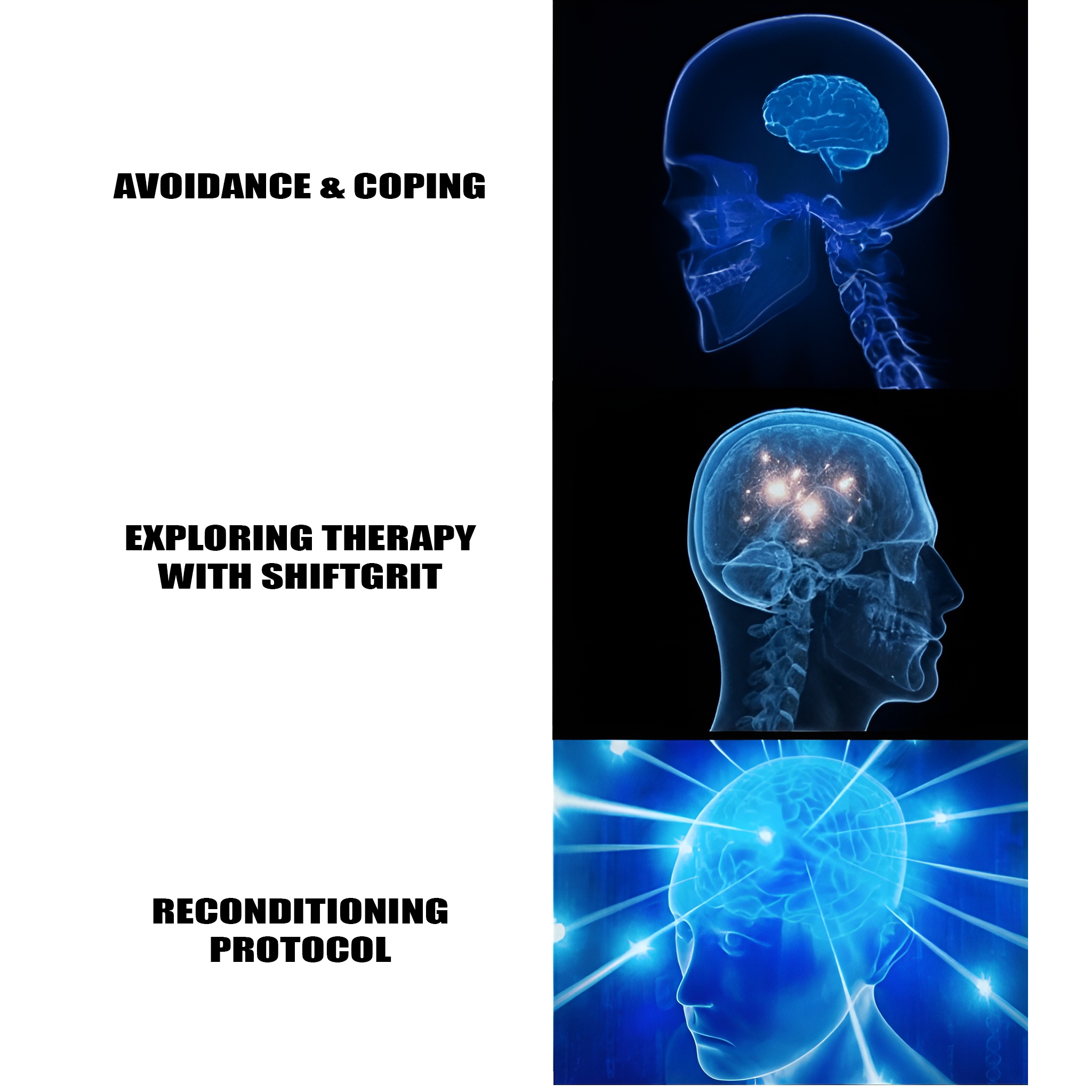
At ShiftGrit, we don’t just calm the anxiety. We recondition the threat response at the root.
With Pattern Reconditioning, we help your nervous system unlearn the chronic activation — and relearn what real safety feels like.
👉 Explore the Therapy Approach →
👉 See the Full Pattern Breakdown →