























Where this belief fits
Schema Domain: Disconnection & Rejection
Lifetrap: Social Isolation / Alienation
Non-Nurturing Elements™ (Precursors):
How this belief keeps repeating:
Evidence Pile
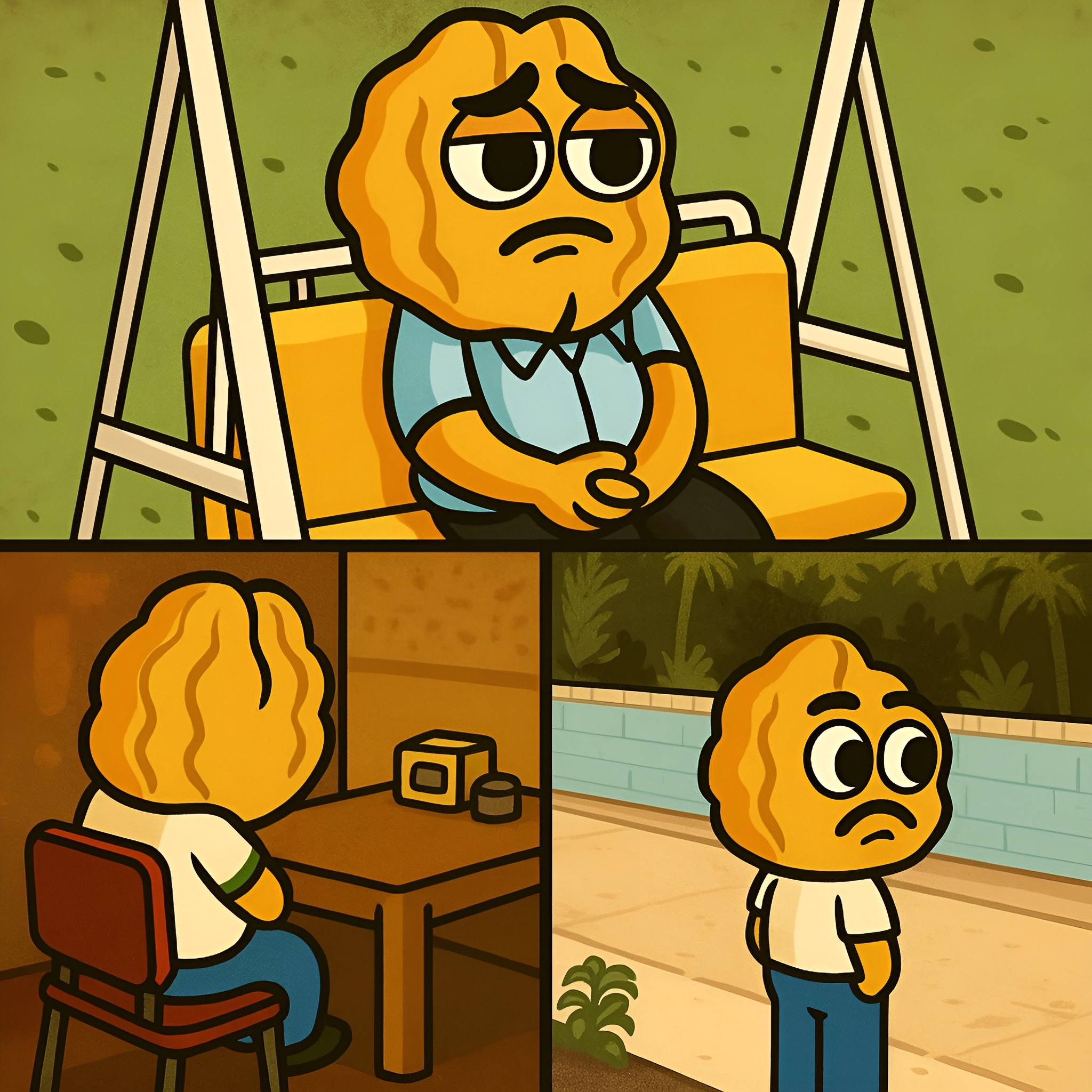
When this belief is active, the mind scans for proof of being different in a defective way rather than simply unique.
Show common “proof” items
- Not fitting easily into social groups
- Feeling out of sync in conversations
- Interpreting neutral reactions as subtle rejection
- Comparing quirks or preferences to others’ norms
- Being told one is “weird,” “different,” or “too much”
- Awkward social moments replayed repeatedly
- Struggling to relate to common interests
- Feeling misunderstood in subtle ways
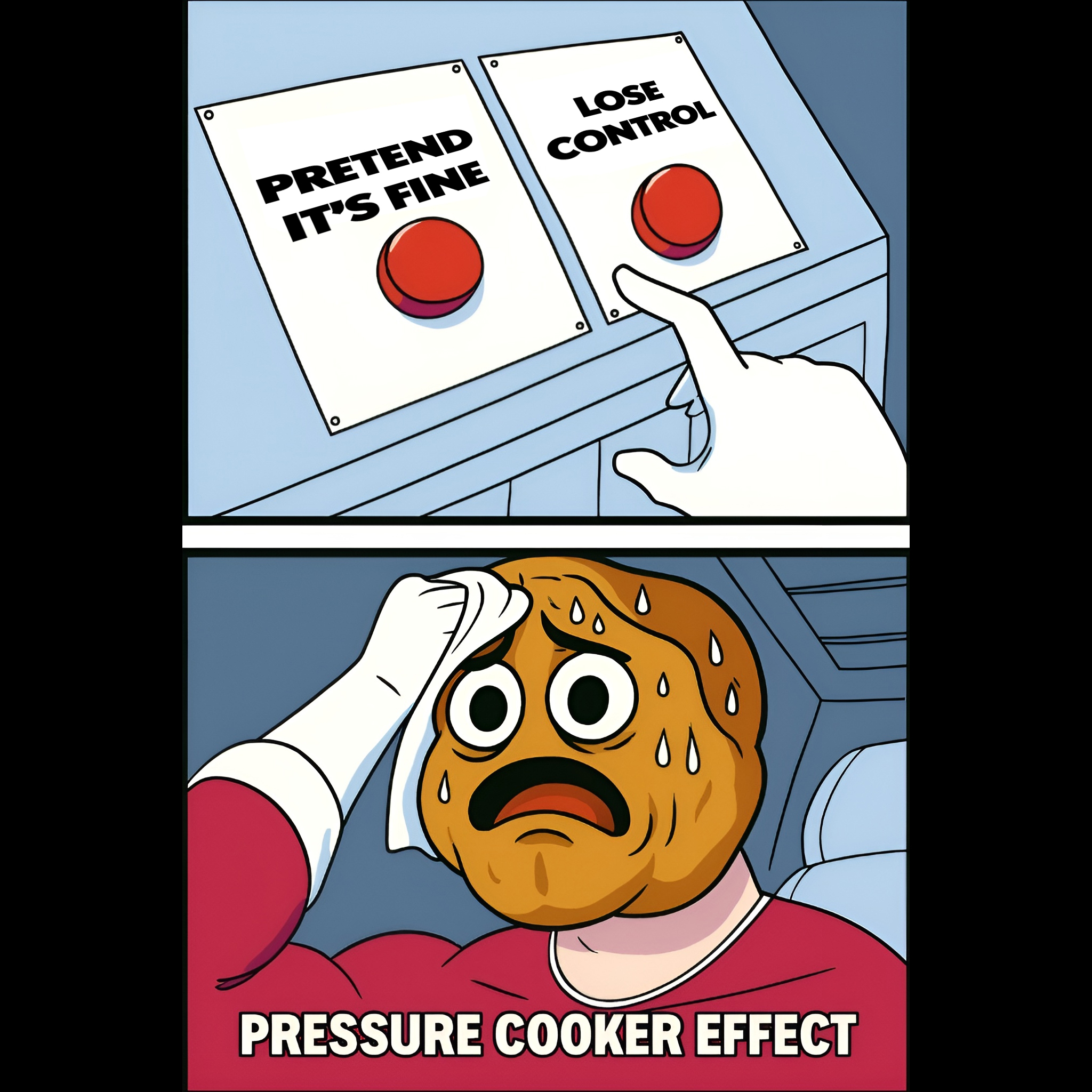
Chronic self-monitoring creates tension and hyper-awareness of behaviour.
Show common signals
- Overthinking tone, posture, and facial expression
- Anxiety before social interaction
- Exhaustion from masking
- Internal questioning of "Am I acting normal?"
- Heightened sensitivity to subtle cues
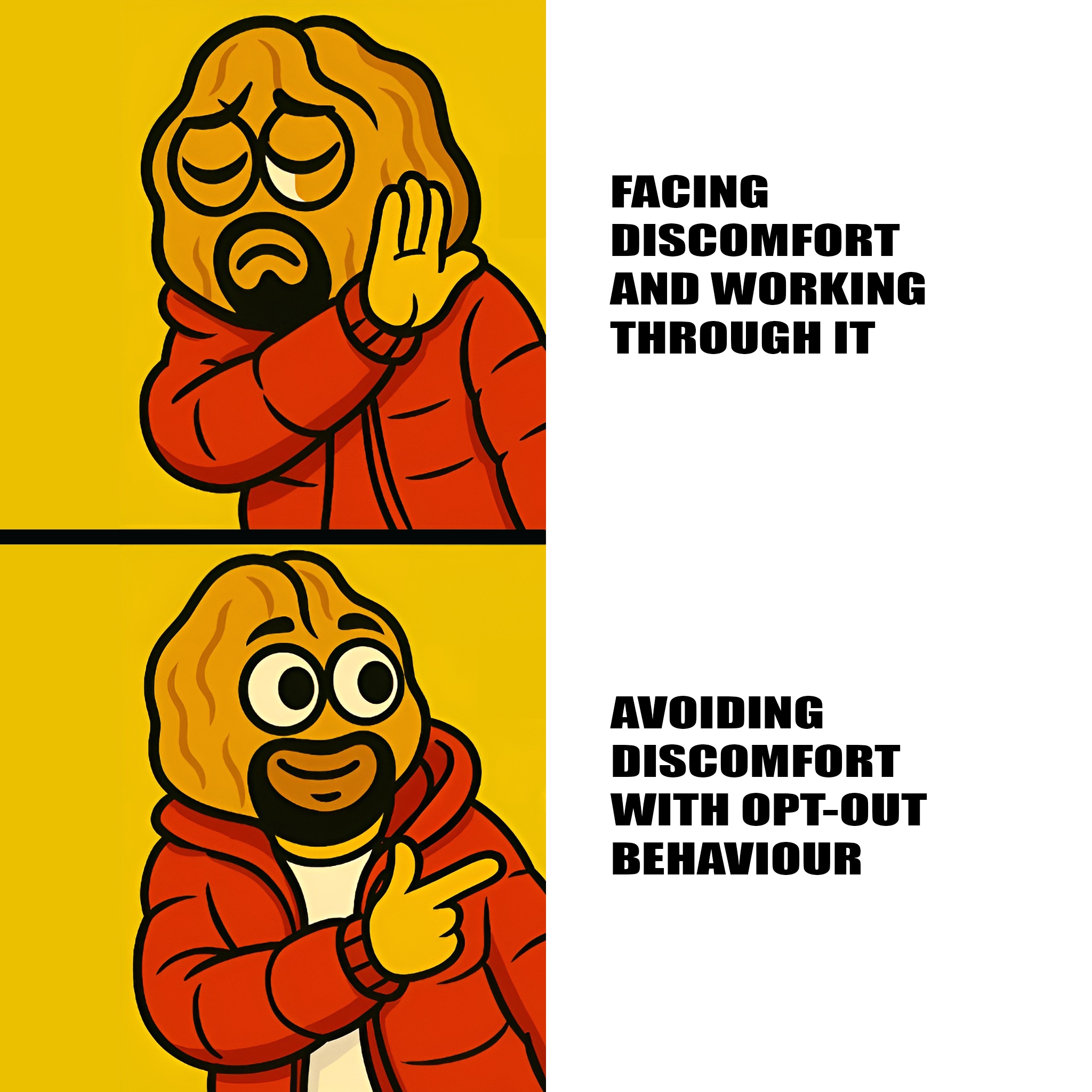
Pressure releases through withdrawal, over-adaptation, or exaggerated self-editing — reinforcing the sense of being fundamentally different.
Show Opt-Out patterns
- Masking personality traits
- Avoiding social risk
- Over-adapting to fit in
- Withdrawing before rejection happens
- Over-analyzing interactions afterward
- Leaning into a “different” identity defensively
- Isolating to avoid exposure
This belief tends to form in environments where difference was highlighted, mocked, pathologized, or subtly rejected. The person learns that standing out is unsafe—not because of who they are internally, but because of how they are perceived socially.
Over time, they internalize the idea that they don’t quite fit—socially, culturally, neurologically, or emotionally. Rather than risk exposure, they begin masking, adapting, or suppressing parts of themselves to avoid being seen as “too much,” “too different,” or “not right.”
It’s not that they are defective.
It’s that they’ve learned that being different comes with social consequences.
What It Sounds Like Internally:
- “Why can’t I just be normal?”
- “I don’t think the way other people do.”
- “I feel like I don’t belong here.”
- “Everyone else seems to get it except me.”
- “If they really knew me, I’d stand out in a bad way.”
- “I need to tone this down.”
Where It Shows Up:
- Masking personality traits in social settings
- Studying how others behave and copying
- Overthinking tone, facial expression, or reactions
- Feeling out of place in groups
- Avoiding spaces where you might stand out
- Downplaying interests or traits that feel “too different.”
- Difficulty relaxing socially
- Exhaustion after social interaction
What It Can Lead To:
- Chronic self-monitoring
- Social anxiety
- Identity diffusion or confusion
- Over-adaptation and loss of authenticity
- Isolation despite wanting connection
- Burnout from masking
- Difficulty forming secure belonging
Want to Dive Deeper into the “I Am Abnormal” Pattern?
Explore related beliefs like “I Am An Alien,” “I Am Excluded,” “I Am Invisible,” and “I Am Not Understood,” and understand how identity-level therapy works to reduce the pressure to mask and reinterpret difference as danger.
What Therapy Targets:
Identity-Level Therapy helps surface how social experiences wired differences to threat. Often, the belief is formed in response to repeated misattunement, subtle exclusion, or overt shaming.
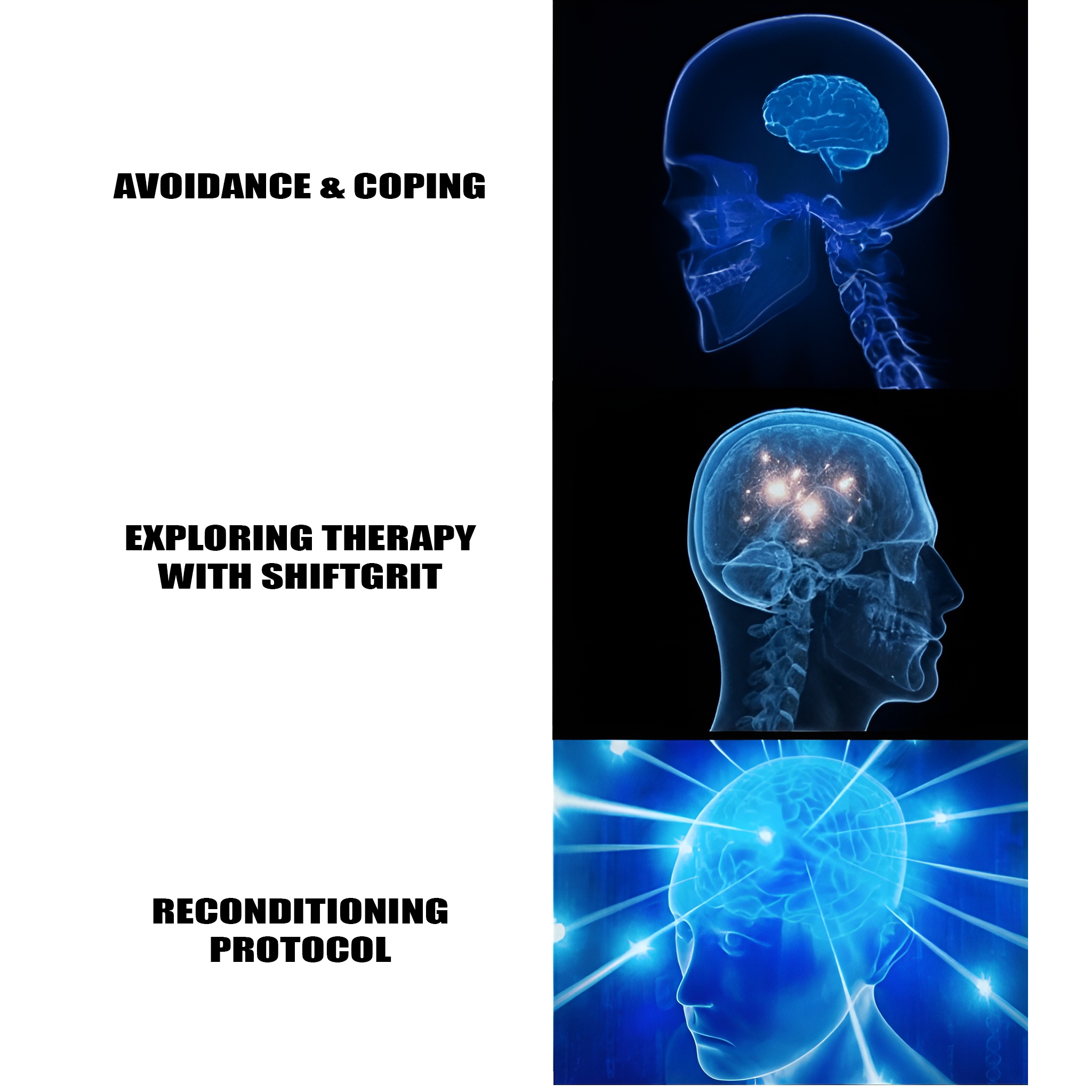
Through Pattern Reconditioning, we reduce the automatic association between “being seen as different” and social danger. Instead of defaulting to masking, clients begin tolerating visibility without interpreting it as rejection.
The goal isn’t to eliminate uniqueness.
It’s to remove the threat attached to it.
👉 Explore the Therapy Approach →
👉 See the Full Pattern Breakdown →