


























Where this belief fits
Schema Domain: Impaired Autonomy & Performance
Lifetrap: Failure
Non-Nurturing Elements™ (Precursors):
How this belief keeps repeating:
Evidence Pile
When this belief is active, the mind scans for signs of falling behind, being outperformed, or lacking status and interprets them as evidence of being fundamentally inferior or unsuccessful compared to others.
Show common “proof” items
- Comparing life milestones, income, relationships, or achievements to peers
- Feeling behind in career, confidence, or social standing
- Being overlooked, not chosen, or not taken seriously
- Past losses, failures, or public setbacks
- Seeing others appear more confident, successful, or admired
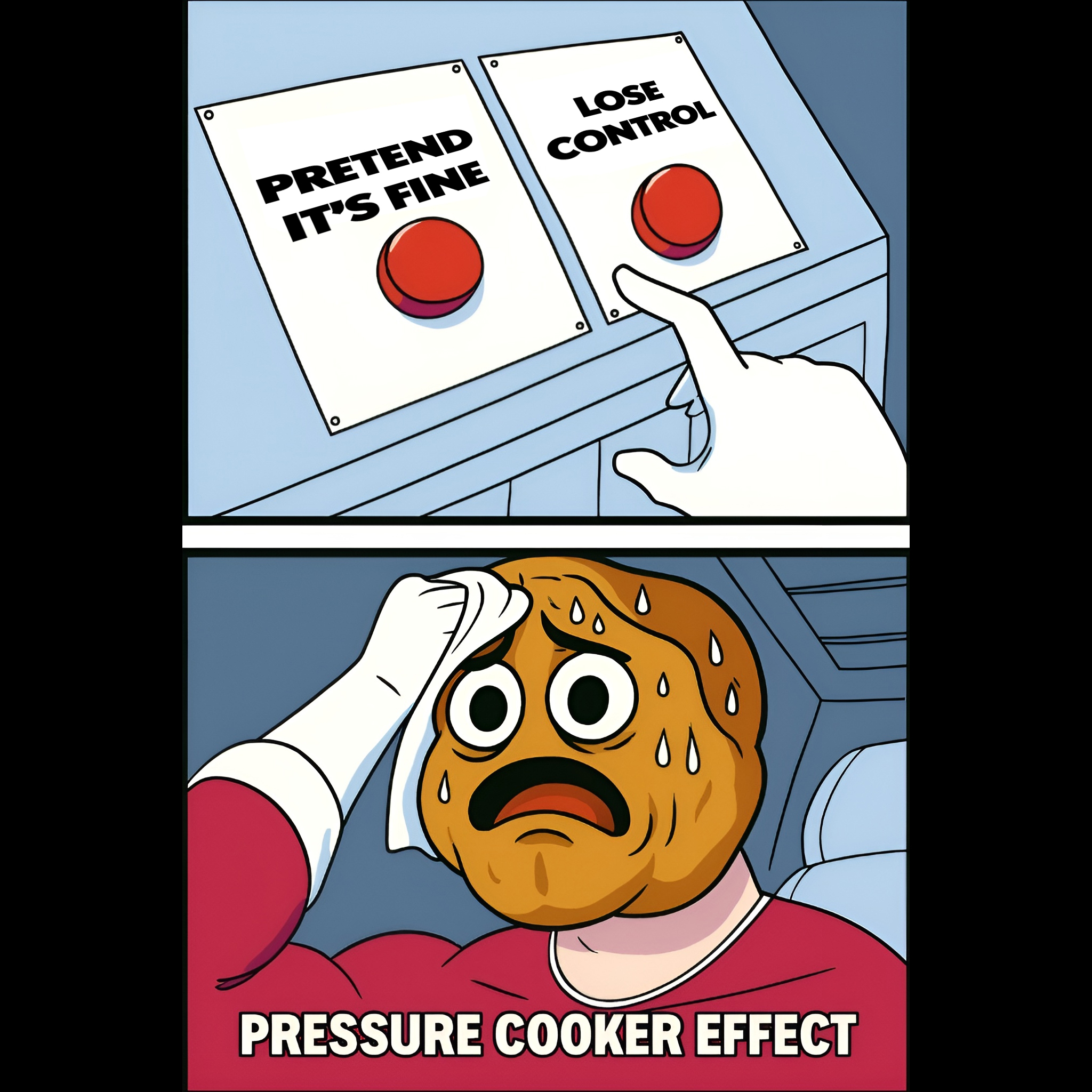
As evidence of being “behind” accumulates, internal pressure builds around shame, resentment, and fear of being exposed or judged.
Show common signals
- Deep social shame or humiliation
- Envy or bitterness toward others’ success
- Hopelessness or discouragement
- Anger turned inward
- Urges to hide, withdraw, or give up
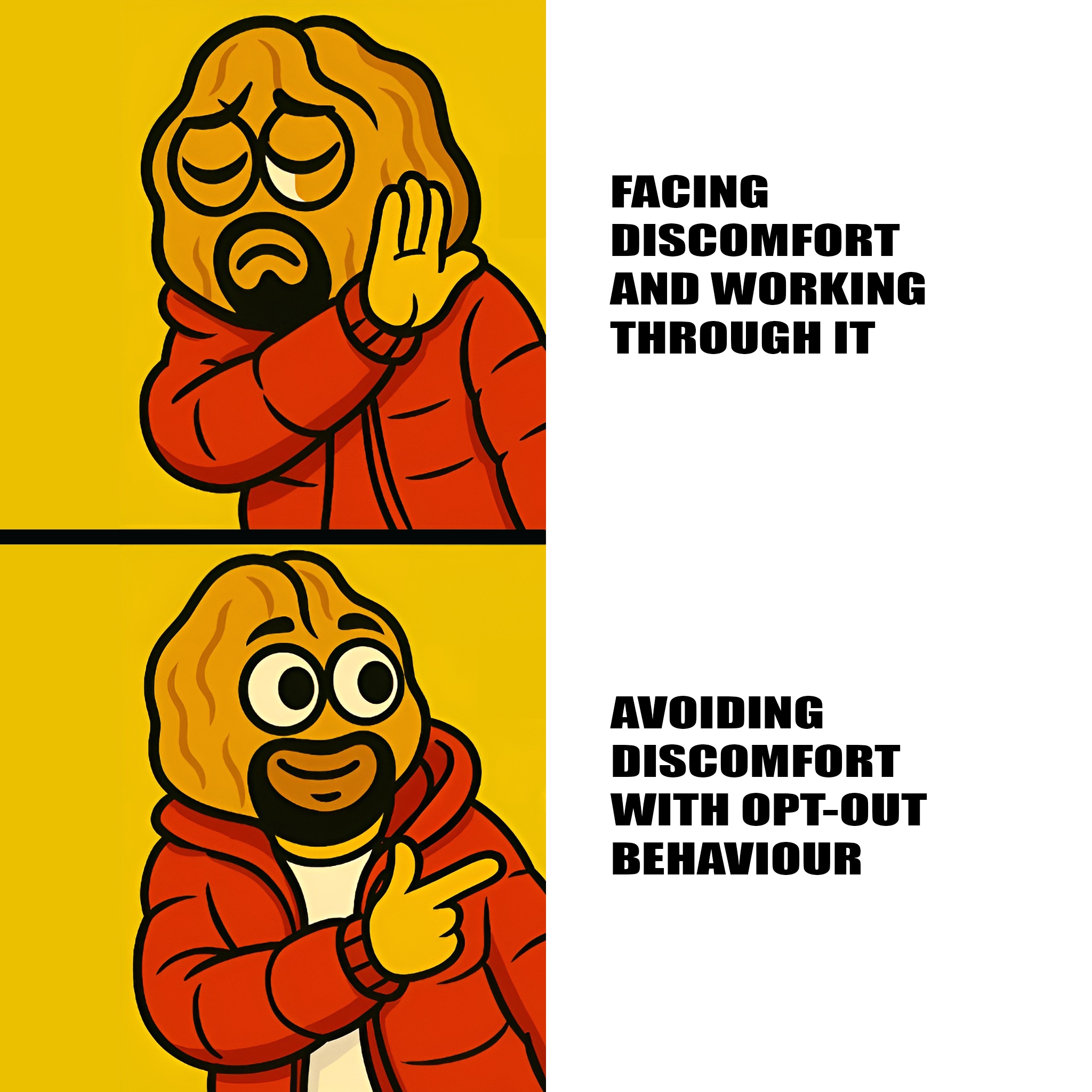
To escape the pain of perceived inferiority, the system shifts toward disengagement, defensiveness, or avoidance of comparison.
Show Opt-Out patterns
- Withdrawing from competitive or evaluative spaces
- Self-sabotage (“Why try if I’ll lose anyway?”)
- Rejecting goals, ambition, or effort
- Cynicism or dismissiveness toward success
- Avoiding visibility or opportunities
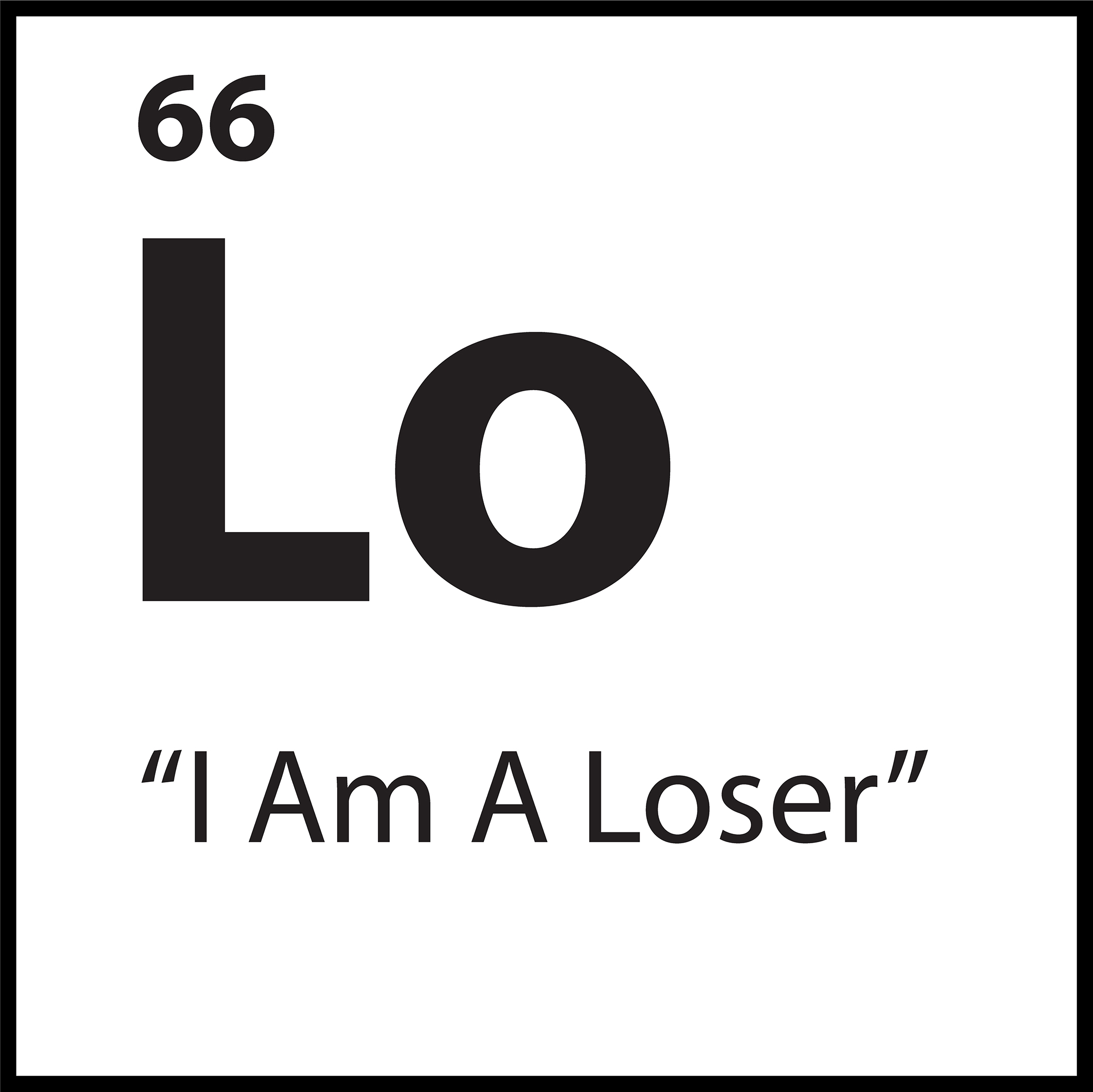
Some people walk through life believing they’re unlucky. Others internalize something deeper: “I’m just a loser.” This belief goes beyond momentary disappointment — it sets up a persistent, self-fulfilling identity of failure. You’re not just experiencing loss — you are the loss. And that identity hijacks your confidence, your momentum, and your willingness to even try.
This page unpacks how that belief forms, how it warps your risk-taking and resilience, and how therapy — when done right — can help dismantle the “loser” narrative entirely.
What It Sounds Like Internally:
- “I never win.”
- “I’m just not cut out for success.”
- “I’m always behind.”
- “Why even try? I’ll just screw it up again.”
- “Other people get lucky. I don’t.”
Where It Shows Up:
- Performance: Avoiding challenges that might prove you wrong — or prove you right.
- Social dynamics: Feeling like the third wheel, the last to be picked, or the one who doesn’t measure up.
- Work: Procrastination, burnout, or under-functioning tied to fear of judgment.
- Romantic relationships: Settling or sabotaging based on the belief you don’t deserve better.
What It Can Lead To:
- Chronic self-sabotage
- Imposter syndrome
- Fear of visibility
- Depression
- Underachievement in spite of talent
- Isolation masked as “independence”
Want to Dive Deeper into the “I Am A Loser” Pattern?
Discover related beliefs, emotional triggers, and how therapy can help you recondition this deep-rooted belief for real change.
What Therapy Targets:
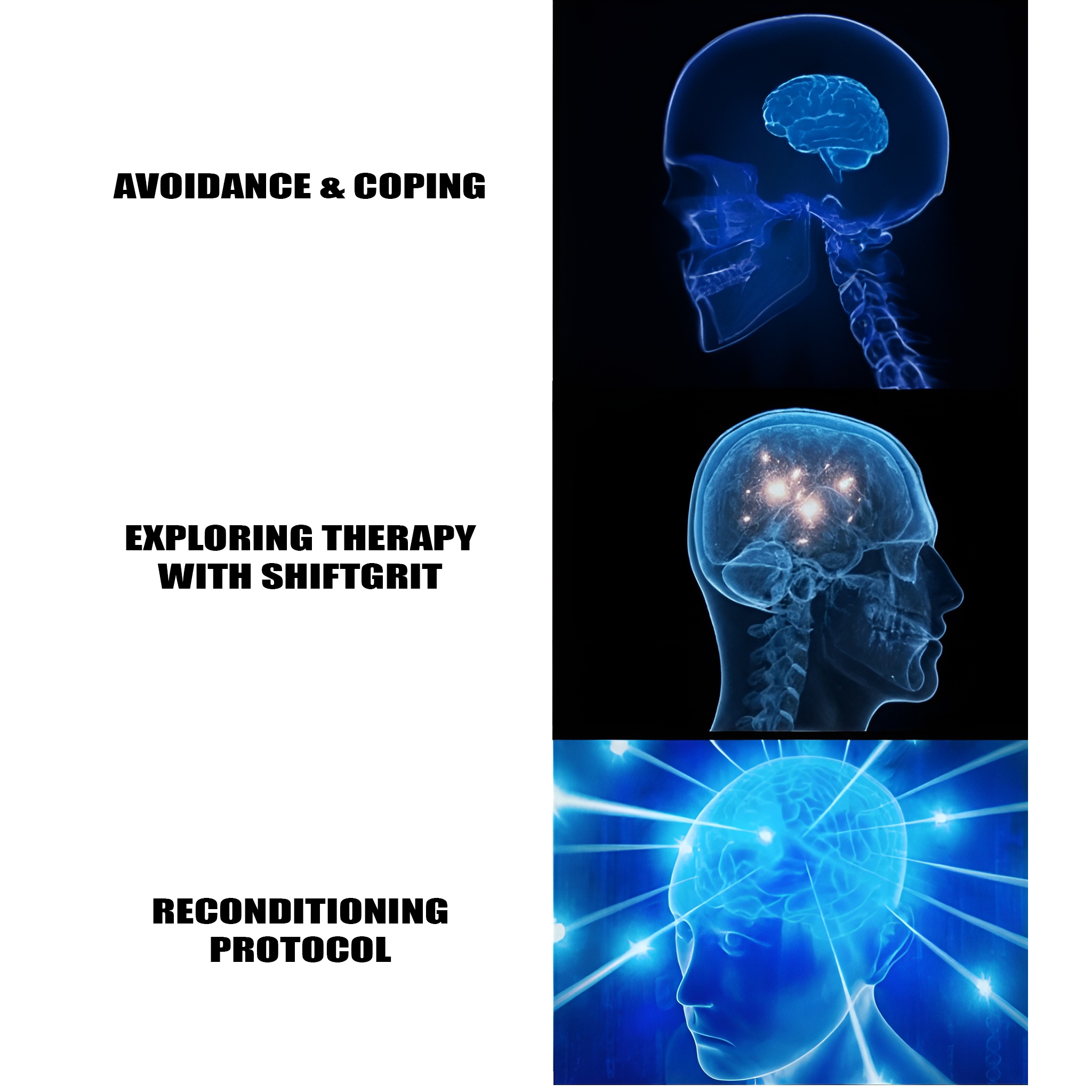
ShiftGrit’s Pattern Reconditioning work doesn’t just reframe this belief — it rewires the emotional imprint beneath it. We guide clients through the origin story, identify the protective rule that formed (“If I don’t try, I can’t lose”), and recondition the emotional loop using our 5-step process. The goal isn’t to convince you that you are a winner — it’s to help you stop defining your worth through wins or losses at all.
When the belief loses its grip, you stop bracing for failure — and start showing up to life without dragging your past into every opportunity.
👉 Explore the Therapy Approach →
👉 See the Full Pattern Breakdown →