Calgary Seasonal Affective Disorder — And Why Standard Coping Doesn’t Work
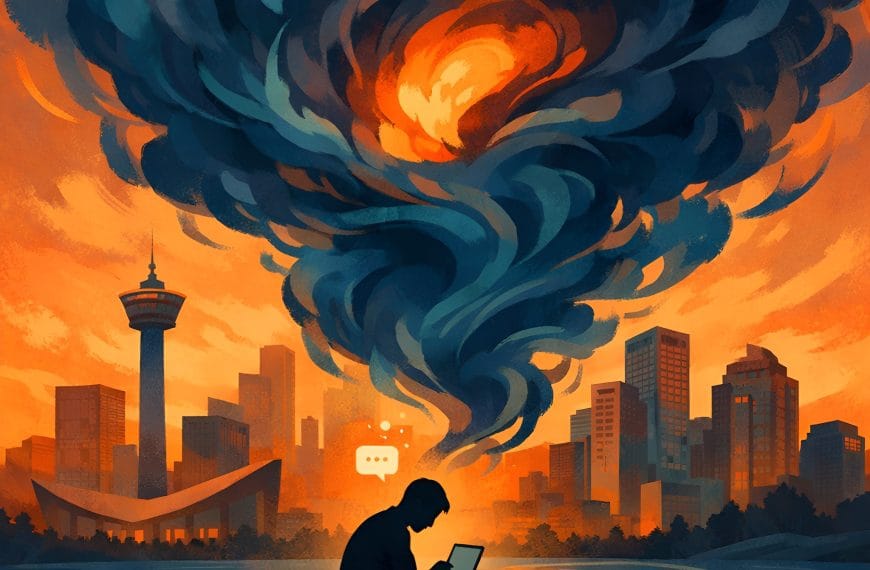
Every winter, Calgarians experience a shift that’s far more intense than a simple dip in mood. Seasonal Affective Disorder (SAD) hits our city differently. The geographical, environmental, and cultural pressures of Calgary combine to create a pattern of emotional strain that becomes predictable, measurable, and extremely common among high performers, parents, students, and professionals across the city.
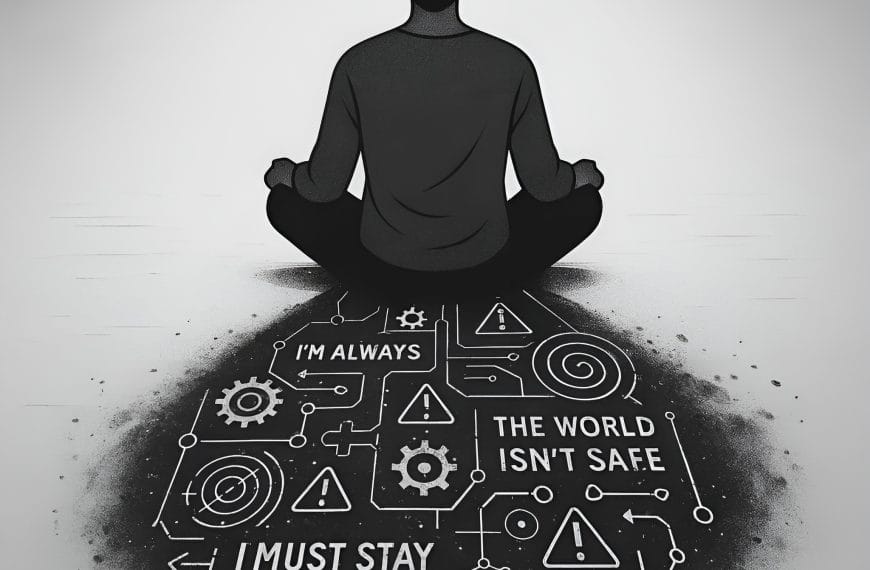
But the real problem is this: most people try to manage SAD with surface-level coping strategies that never touch the underlying identity-level patterns being activated.
This article explains why winter affects Calgary so strongly, why the usual coping suggestions rarely create real change, and how Identity-Level Therapy helps people break the emotional loops winter tends to expose.
Why Calgary’s Winter Magnifies Seasonal Affective Symptoms
Calgary is not an average winter city. The combination of environmental volatility and cultural pressure creates a unique psychological load.
Below are the four factors that make Calgary a hotspot for Seasonal Affective Disorder patterns.
1. The Light-Drop Shock Hits Hard and Fast
Calgary experiences some of the sharpest daylight shifts in North America. We go from long, bright summer days to short, compressed winter days in what feels like a single snap.
For the emotional system, this is not just a mood issue. It’s a neurological one.
Reduced daylight destabilizes:
- circadian rhythm regulation
- cortisol timing
- melatonin cycles
- sensory orientation cues
- the Walnut Brain’s assessment of environmental safety
When environmental signals drop or become inconsistent, the brain leans toward caution. For many Calgarians, that caution shows up as:
- persistent worry
- a sense of dread or threat
- loss of motivation
- difficulty initiating tasks
- sudden emotional heaviness
This reaction is normal. But it is not random. It is the nervous system defaulting to protective patterning.
2. Chinook Cycles Create Dramatic Physiological Whiplash
Every Calgarian knows what a chinook feels like physically, but very few understand what it does to emotional systems.
Rapid shifts in barometric pressure disrupt:
- neurochemical balance
- pain sensitivity
- sleep quality
- energy regulation
- internal pressure sensations
This leads to spikes of irritability, migraines, brain fog, and emotional volatility. These swings activate identity-level beliefs that already live inside many people, such as:
- “I’m losing control.”
- “Something bad is coming.”
- “I can’t trust myself.”
- “I should be handling this better.”
Chinooks don’t create these beliefs. They amplify them.
3. Calgary’s Productivity Culture Collides With Seasonal Slowdown
Calgary is an achievement-driven city. The corporate, engineering, finance, tech, and entrepreneurial sectors often reward output more than balance. People here are used to moving quickly, performing well, and operating at high intensity.
Winter interrupts that rhythm.
The problem is that many Calgarians interpret the natural slowdown of winter as a personal failing. Instead of recognizing it as a physiological adjustment, they assign meaning to it.
That meaning often sounds like:
- “I’m falling behind.”
- “I’m not working hard enough.”
- “Other people seem fine. What’s wrong with me?”
- “If I slow down, I’ll lose momentum.”
These are identity-level beliefs—ones that shape emotional reactions long before the weather becomes a factor.
When winter arrives, these patterns simply become easier to feel.
4. Isolation Patterns Intensify in a City Built Around Driving
Calgary is geographically spread out. Darkness arrives early. Temperatures drop. People go home and stay home.
Isolation patterns activate two major emotional loops:
a. The withdrawal loop:
“I don’t want to see anyone. I have nothing to offer right now.”
b. The self-blame loop:
“If I were stronger, I wouldn’t feel this way.”
Both loops deepen SAD symptoms and reinforce emotional shortcuts built much earlier in life.
Why Standard Coping Strategies Don’t Work
Most Seasonal Affective Disorder content online focuses on basic coping: light therapy, supplements, exercise, fresh air, getting outdoors, or staying social.
These strategies help some people, but for many Calgarians, they fall flat.
Here’s why:
SAD symptoms interact with deeper identity-level patterns that coping strategies don’t address.
Coping Is A Surface Strategy for a Structural Problem
Common SAD coping tools fail for one of two reasons:
- They don’t target the emotional pattern driving the reaction.
- People use them inconsistently because the pattern blocks the behaviour itself.
Examples:
**Light therapy helps mood, but it doesn’t change the belief:
“I’m supposed to be able to push through this.”**
**Exercise boosts energy, but it doesn’t treat the pattern:
“If I can’t perform at 100%, I failed today.”**
**Journaling helps clarity, but it doesn’t dissolve the loop:
“I shouldn’t need help with this.”**
**Supplements support physiology, but not the belief:
“I’m losing control.”**
This is why so many people say the same sentence every January and February:
“It feels like nothing I do works.”
What they’re really saying is:
“I’m treating symptoms, not the identity-level patterns that create the symptoms.”
Identity-Level Patterns Behind Winter Struggles
Through thousands of sessions, three emotional patterns show up consistently in Calgarians dealing with Seasonal Affective Disorder.
Pattern 1: “I’m not in control.”
Triggered by:
- unpredictable chinook shifts
- inconsistent energy
- disrupted sleep
- motivation drops
This pattern creates anxiety, hypervigilance, and emotional reactivity—not because of the weather itself, but because the person interprets the change as a threat to their stability.
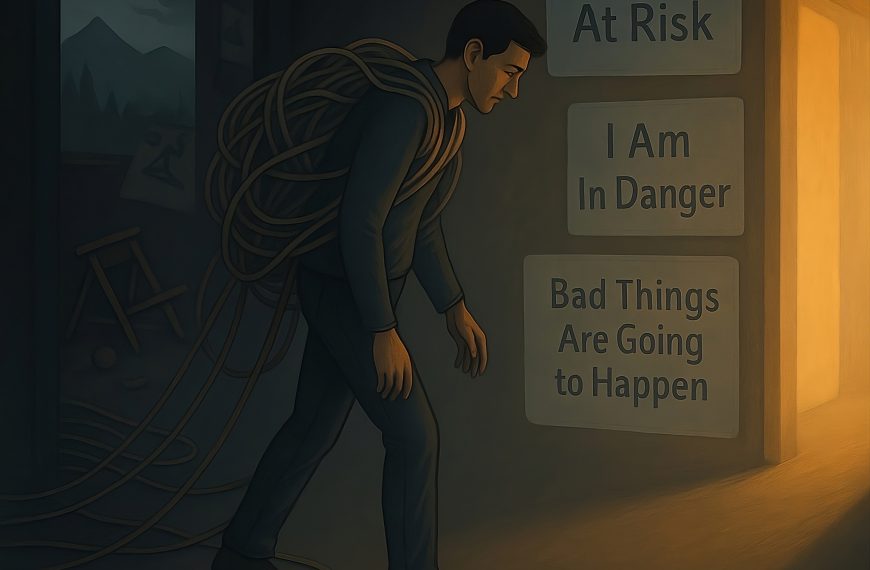
Pattern 2: “Something bad is going to happen.”
Triggered by:
- darkness
- quietness
- slow periods at work
- internal pressure sensations
For high performers, the sensation of “slowing down” becomes fused with the fear of failure. Winter hands them a physiological slowdown that feels psychological.
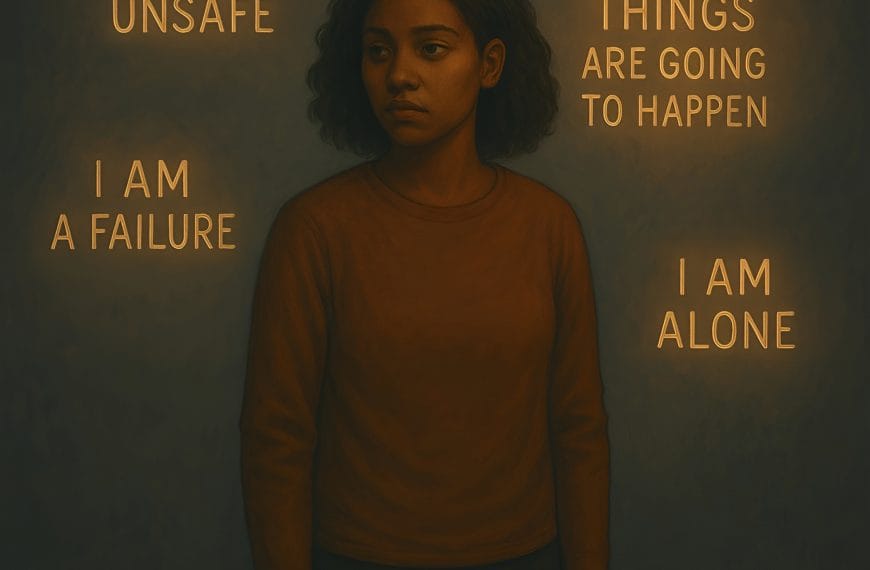
Pattern 3: “I should be handling this better.”
Triggered by:
- comparison
- productivity expectations
- Calgary’s competitive work culture
- shame around rest
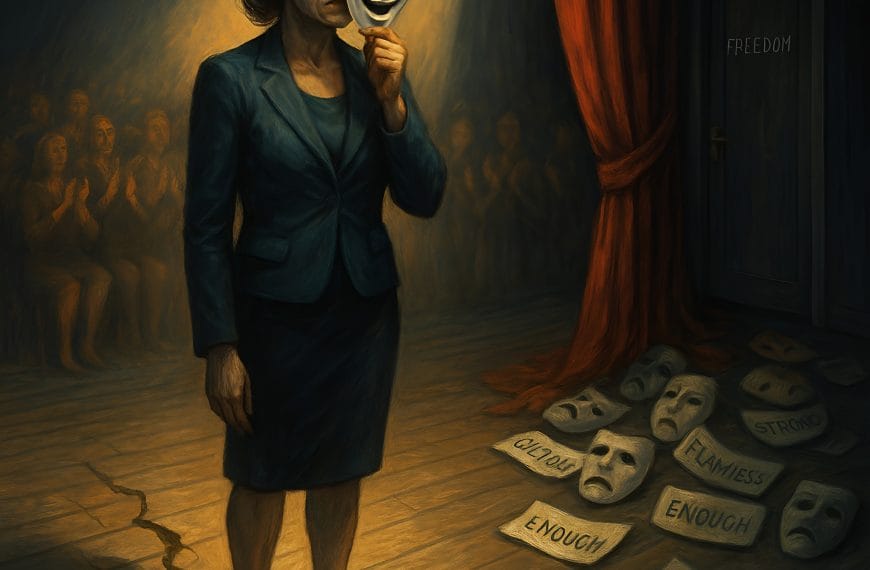
This belief intensifies SAD more than almost any environmental factor. Shame compresses emotional bandwidth, making every winter symptom heavier.
How Identity-Level Therapy Helps
Identity-Level Therapy works because it rewires the emotional shortcuts—the loops beneath the symptoms.
Here’s how.
1. Mapping the Pattern
Most people mistake patterns for personality.
We identify the precise loop being activated by Calgary winter:
- the belief
- the trigger
- the nervous-system response
- the avoidance or coping behaviour
- the long-term impact
This alone reduces self-blame because clients understand what’s actually happening.
2. Identifying the Origin
Identity-level beliefs always have a historical root.
They served a purpose once.
When clients discover the original protective intent behind the pattern, the emotional system stops fighting itself. This reduces internal friction and increases capacity.
3. Reconditioning The Pattern
This is the part standard therapy often misses.
We use structured, measurable exercises that counter-condition the emotional shortcut. Over time, the nervous system stops interpreting winter triggers as danger signals.
This leads to:
- stable motivation
- consistent emotional regulation
- increased tolerance for uncertainty
- decreased shame
- fewer burnout spikes
- reduced reactivity
When the emotional system changes, winter stops activating the old loops.
When the Pattern Changes, Winter Stops Feeling Like a Threat
Calgarians who complete Identity-Level programming experience:
- fewer mood crashes
- steadier energy
- reduced overthinking
- improved sleep quality
- less pressure around productivity
- more capacity to rest and recover
- a sense of groundedness instead of dread
These improvements aren’t the result of coping harder.
They are the outcome of changing the emotional operating system underneath the symptoms.
If Calgary Winters Hit You Hard, There’s a Reason—And It’s Not Weakness
Seasonal Affective Disorder is not a character flaw, a lack of resilience, or a failure of discipline. It’s the nervous system reacting to environmental shifts that Calgary delivers in an amplified way.
When deeper emotional loops are treated—not just the symptoms—winter becomes manageable, predictable, and in many cases, neutral.
You don’t need to endure six months of the year.
You can change the patterns that make winter feel impossible.