Financial stress. Productivity pressure. Comparison culture. Boom-and-bust nervous systems.
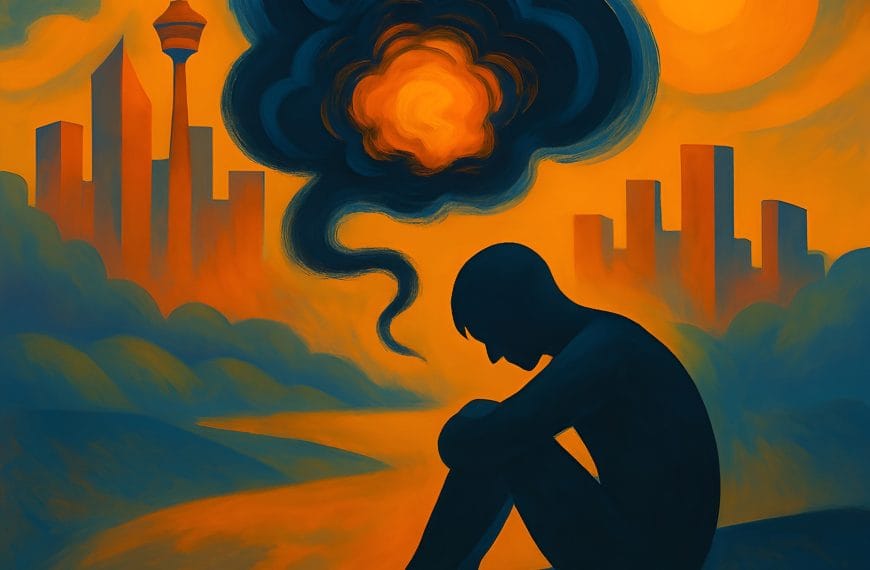
Depression shows up differently in Calgary—and for most people, it’s not about “being sad.”
It’s about identity-level belief loops that get activated in a high-demand city built on grit, ambition, and relentless output.
At ShiftGrit, we see the same pattern over and over:
Low mood isn’t a motivation problem.
It’s not a willpower problem.
It’s not a “be more positive” problem.
It’s a pattern problem—and Calgary’s environment intensifies those patterns faster than most places.
This guide breaks down why depression hits differently here, why traditional tools often plateau, and how rewiring the underlying belief loops creates lasting change.
Why Depression Hits Calgarians Harder
1. The Boom-and-Bust Nervous System
Calgary is shaped by volatility. Many of us grew up or built careers in industries where:
- layoffs were normal
- market uncertainty was expected
- income fluctuated wildly
- “Be ready for the next downturn” was standard advice
That chronic unpredictability trains your nervous system to stay vigilant, not calm.
And when you operate on long-term threat activation, your brain begins conserving energy through withdrawal and shutdown.
Which looks and feels like:
depression.
2. Productivity-as-Identity Culture
Calgary rewards productivity, performance, and pushing harder than you feel.
It’s not subtle.
A common pattern we hear:
“If I’m not busy, I feel guilty. I feel behind.”
In this environment, slowing down feels unsafe.
Rest feels unearned.
Not achieving feels like personal failure.
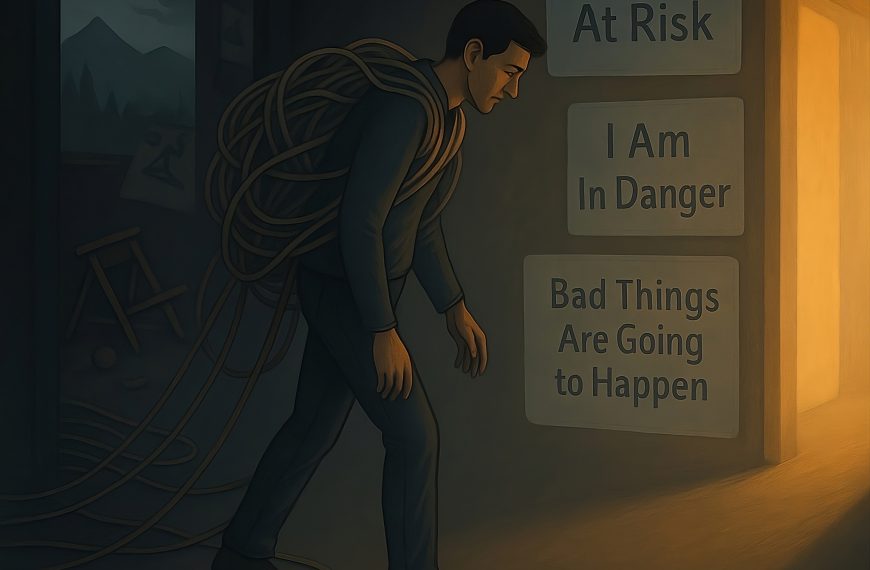
This activates limiting beliefs such as:
- “I am not good enough.”
- “I am falling behind.”
- “I am a failure.”
And once those identity-level beliefs are triggered, low mood deepens fast.
3. The Comparison Economy
Calgary’s social baseline is… not average.
You’re surrounded by highly educated, highly compensated, highly driven people.
People who seem to:
- work 60 hours
- run marathons
- raise three kids
- sit on boards
- renovate their homes
- retire at 45
Even if it’s not real, it feels real.
The city is built on achievement, and comparison becomes the background noise.
Depression loves comparison.
Because comparison activates:
- hopelessness
- inadequacy
- shame
- pressure to catch up
And that pressure directly feeds the depression loop.
4. Weather + Isolation + Withdrawal Triggers
Calgary winters are:
- darker
- longer
- colder
- more isolating
Even if you’re extroverted, life can start to feel like a shuffle between home, work, gym, and back.
This environment accelerates the most common behavioural contributor to depression:
avoidance.
When avoidance becomes the default pattern, shutdown follows.
**Depression Isn’t About Thoughts
It’s About What’s Running Underneath**
Traditional approaches often assume depression is driven by:
- negative thinking
- distorted thoughts
- lack of motivation
- emotional dysregulation
Those matter—but they’re not the root.
At ShiftGrit, we track a different mechanism:
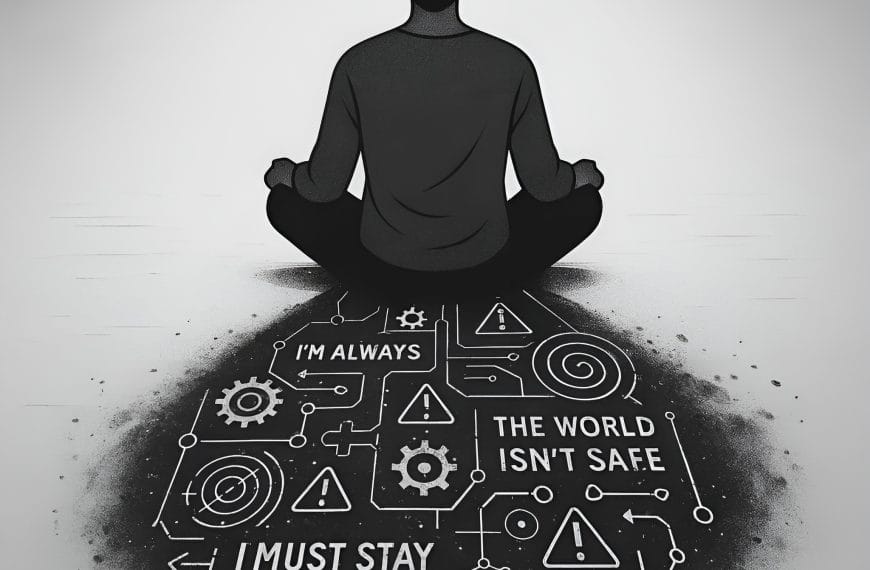
Depression is fueled by identity-level beliefs that drive threat predictions and avoidance loops.
The most common identity-level beliefs we see in depressed Calgary clients:
- “I am powerless.”
- “I am not good enough.”
- “I am a burden.”
- “I am a failure.”
- “I am Permanently Damaged.”
These beliefs don’t sit on the surface—they run the pattern subconsciously.
And your mood follows the pattern.
Identity-Level Therapy for Depression in Calgary
Identity-Level Therapy targets the belief loops that fuel shutdown, hopelessness, and emotional numbness. By reconditioning core beliefs like “I am Not Good Enough,” “I Don’t Matter,” and “I am Permanently Damaged,” clients shift how they interpret setbacks, safety, and connection. The result: reduced shame, restored motivation, and a nervous system that no longer defaults to collapse.
It’s organized around three pillars:

ShiftGrit Core Method™
Our structured framework for breaking outdated identity patterns.
Learn more
The Pattern Library
Real-world examples of loops like perfectionism, procrastination, and shutdown.
Learn more
The Glossary
Clear definitions that keep the language sharp and the process transparent.
Learn moreLimiting Beliefs Commonly Linked with Depression Therapy
These identity-level patterns frequently show up for clients seeking depression therapy. Explore the beliefs to learn the “why” and how therapy can help you recondition them.

“I Am Not Good Enough”
“I’m Not Good Enough” isn’t just a negative thought — it’s a pattern formed by early experiences like criticism, neglect, or impossible expectations. This belief fuels perfectionism, people-pleasing,…
Explore this belief
“I Don’t Matter”
You show up for everyone—but no one really sees you. The belief “I Don’t Matter” is what takes root when your needs, voice, or presence were chronically dismissed.…
Explore this belief
“I Am Permanently Damaged”
“I Am Permanently Damaged” is a core belief that often emerges after traumatic or deeply invalidating experiences. It leaves people feeling broken beyond repair — like something inside…
Explore this beliefWant to see how these fit into the bigger pattern map? Explore our full Limiting Belief Library to browse all core beliefs by schema domain and Lifetrap.
Pattern Theory™: Why Calgary Activates Depression Loops
Here’s the short version of Pattern Theory™:
- You learn a limiting belief early (e.g., “I am powerless”).
- Your brain creates a threat prediction around it.
- A current stressor activates the belief.
- Your nervous system reacts automatically.
- You behave in a way that confirms the belief (shutdown, withdrawal, minimizing needs).
- The loop strengthens.
Calgary accelerates this cycle because:
- performance is constantly measured
- work volume is chronically high
- many industries carry instability
- cost of living adds pressure
- winter limits natural mood regulators
- comparison is almost unavoidable
This creates the perfect storm for depression loops to take hold.
Why Traditional Coping Doesn’t Stick in Calgary
1. You’re using surface tools to fight identity-level beliefs
Meditation, gratitude lists, “think positive,” journaling—they help temporarily.
But they don’t touch the belief, creating the depression loop.
2. The environment re-triggers the pattern daily
If your belief is “I am falling behind,”
a single email, performance review, or LinkedIn post can reactivate the loop.
3. High-functioning Calgarians normalize symptoms
We hear this constantly:
“I thought exhaustion was just part of living here.”
“Everyone I know is depressed—I figured it was normal.”
It’s not normal.
It’s patterned.
4. Shutdown becomes fused with identity
People begin saying:
- “I’m lazy.”
- “I’m unmotivated.”
- “I’m not built for this.”
- “I’m failing at life.”
These aren’t personality traits.
They’re predictions from a triggered belief loop.
How Identity-Level Therapy Breaks the Depression Loop
Here’s where ILT changes the game for Calgary-specific depression patterns:
1. Reconditioning the Limiting Belief
ILT dissolves the emotional charge around beliefs like:
- “I am powerless.”
- “I am worthless.”
- “I am not good enough.”
When the belief loses its emotional grip, depression loses its fuel source.
2. Separating Threat Activation from Low Mood
Calgarians often feel unsafe when they slow down because their nervous system interprets stillness as danger.
ILT retrains the mind-body system to understand:
“Low energy isn’t a threat.”
When that prediction shifts, mood stabilizes.
3. Breaking the Avoidance Loop
Depression thrives on:
- isolating
- postponing
- opting out
- shrinking life down
ILT retrains the subconscious drivers behind avoidance, so behaviour naturally shifts back toward engagement.
No forcing yourself.
No “motivation hacks.”
No shaming yourself into action.
4. Creating a New Emotional Baseline
Most clients describe the same moment:
“I didn’t know calm could feel this normal.”
When the threat system stops firing, emotional regulation isn’t something you work at—it’s the new default.
What Changes First When ILT Works on Depression
Clients often report that before their mood improves, life feels easier.
You may notice that:
- getting out of bed feels less heavy
- decisions aren’t draining
- motivation returns naturally
- rumination slows
- socializing feels possible again
- work stress feels manageable
- the Sunday dread evaporates
- your world becomes bigger again
These are signs the depression loop is unwinding.
If You’re Struggling with Depression in Calgary
Calgary is a high-pressure city.
It activates patterns most people don’t even know they’re running.
If you’re stuck in a depression loop, it is not because:
- you’re weak
- you’re lazy
- you lack discipline
- you aren’t trying hard enough
It’s because your nervous system is predicting threat based on identity-level belief patterns you didn’t choose.
But you can retrain those patterns.
Identity-Level Therapy gives you the structure, tools, and guidance to remove the belief loops driving your depression—so you can feel like yourself again.
Looking for a Depression Therapist in Calgary?
ShiftGrit therapists are trained in ILT, a structured, science-informed approach to reconditioning depression at the root.